


This guide explains how to choose a yam cooker for a smart kitchen. It begins by defining a yam cooker and distinguishing traditional from electric models. It then explains why smart kitchens benefit from a yam cooker, including time savings, consistency, energy efficiency, and cultural adaptability. The guide details key features such as capacity, power, heating technology, cooking modes, smart connectivity, materials, cleaning, noise, timer functions, and safety certifications. It categorizes yam cookers into stovetop, electric boiling, electric pressure, steam, and multi-cooker types. A step-by-step selection framework helps buyers assess household size, preferred dishes, smart features, ecosystem compatibility, safety, energy efficiency, maintenance, warranty, and budget. The guide also covers smart kitchen integration through Wi-Fi, app control, voice assistants, automation, and firmware updates. Energy efficiency and sustainability are discussed, with emphasis on insulation, induction heating, pressure cooking, auto shut-off, eco mode, and smart scheduling. Safety and certifications such as CE, CB, GS, and RoHS are explained. Maintenance best practices are listed. The guide highlights the importance of manufacturing quality and mentions Jiangmen Taifai Technology Co., Ltd., a high-tech enterprise founded in 2007 in Jiangmen City, Guangdong Province, China. Taifai supports OEM, ODM, and CKD, holds 50 patents and 50 own moulds, follows ISO9001:2015, and produces kitchen electric appliances with CE, CB, GS, and RoHS certification. A buying checklist and common mistakes are provided. FAQs address worth, versatility, cooking time, safety, hub requirements, cost, certifications, cleaning, meal prep, and small kitchens. The conclusion emphasizes matching the yam cooker to real needs and choosing a reputable manufacturer for long-term satisfaction.
The modern smart kitchen is no longer a futuristic concept. It is a practical reality for millions of households that value efficiency, consistency, and healthier cooking. Among the many appliances that have entered the smart kitchen ecosystem, the yam cooker has carved out a unique and important niche. A yam cooker is designed to handle one of the most beloved and versatile root vegetables: the yam. Whether the cook prefers pounded yam, boiled yam, roasted yam, yam porridge, or yam flour dishes, a dedicated yam cooker can simplify the process, reduce guesswork, and deliver reliable results. This buying guide examines every critical factor that a smart kitchen owner should consider before purchasing a yam cooker. It covers types, features, safety standards, energy efficiency, smart connectivity, maintenance, and the role of reputable manufacturers such as Jiangmen Taifai Technology Co., Ltd. The guide is written for third-person decision makers: the home cook, the kitchen designer, the appliance buyer, and the smart home integrator. By the end, the reader should understand how to select a yam cooker that fits seamlessly into a connected, efficient, and enjoyable kitchen.
A yam cooker is a kitchen appliance specifically engineered to cook yams. Yams are starchy tuberous vegetables that require precise heat and moisture control to achieve the desired texture. Unlike a generic pot or a standard rice cooker, a yam cooker often includes custom settings for different yam varieties and preparations. Some models are simple electric boilers, while others are advanced multi-function devices with smart sensors, programmable timers, and app-based controls. The core function remains the same: to apply heat and moisture in a controlled manner so that the yam becomes tender, evenly cooked, and safe to eat.
In a smart kitchen, a yam cooker can be more than a single-purpose appliance. It can become part of an automated cooking routine. For example, a smart yam cooker can be scheduled to start cooking before the household wakes up. It can send a notification to a smartphone when the yam is ready. It can even adjust cooking time based on the weight of the yam and the altitude of the kitchen. These capabilities transform a humble root vegetable into a convenient, nutritious meal component.
Traditional yam cooking methods involve open flames, stovetop pots, or underground ovens. These methods are culturally significant and produce excellent results, but they demand constant attention. The cook must monitor water levels, adjust heat, and test doneness repeatedly. Electric yam cookers automate much of this process. They use enclosed heating elements, thermostat controls, and sometimes pressure or steam mechanisms. The result is a more predictable outcome with less supervision. For smart kitchens, electric yam cookers are the natural choice because they can be integrated with timers, sensors, and network connectivity.
undefined
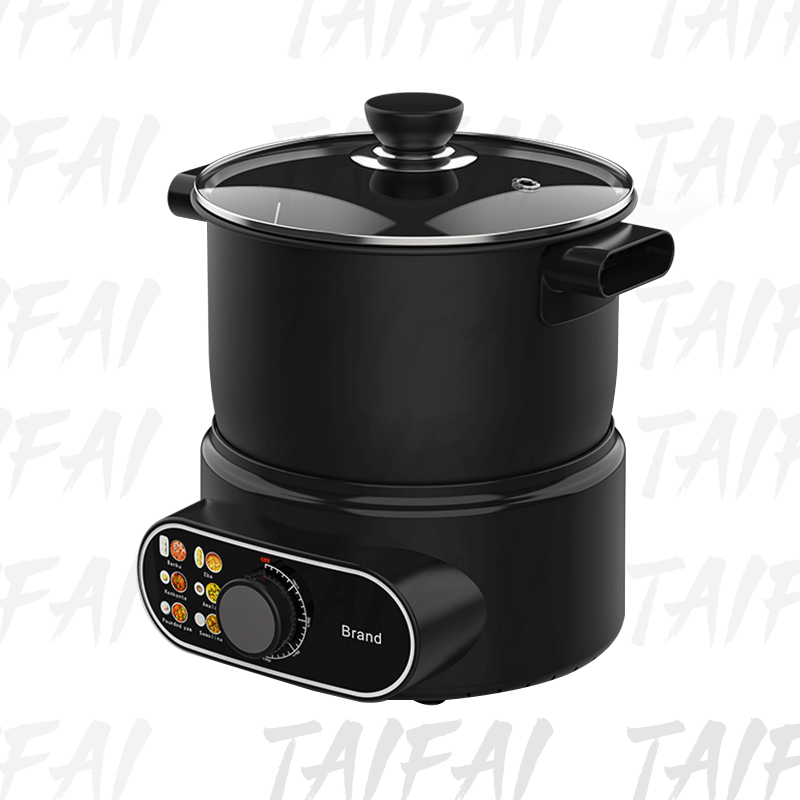
Smart kitchens are designed around convenience, precision, and resource efficiency. A yam cooker aligns with all three goals. First, it saves time. The appliance can cook yams while the cook focuses on other tasks. Second, it improves consistency. Digital controls eliminate the variability of manual heat adjustment. Third, it reduces energy waste. Many electric yam cookers use insulated chambers and targeted heating, which consumes less electricity than boiling a large pot on a stove for an extended period.
Moreover, yams are nutritious. They provide complex carbohydrates, fiber, vitamin C, vitamin B6, potassium, and manganese. A yam cooker that preserves nutrients through gentle steam or pressure cooking can support a health-conscious lifestyle. In a smart kitchen, the appliance can be part of a meal planning system that tracks nutritional intake and suggests yam-based recipes.
Another reason is cultural. For many families, yams are a staple food tied to tradition and identity. A smart yam cooker allows those families to enjoy traditional dishes without the traditional labor. It bridges heritage and modernity. The appliance can store preset cooking profiles for different regional recipes, such as Nigerian pounded yam, Ghanaian boiled yam, or Caribbean yam salad. This cultural adaptability makes the yam cooker a valuable addition to any diverse smart kitchen.
Before purchasing a yam cooker, the buyer should evaluate a wide range of features. The following subsections detail the most important considerations.
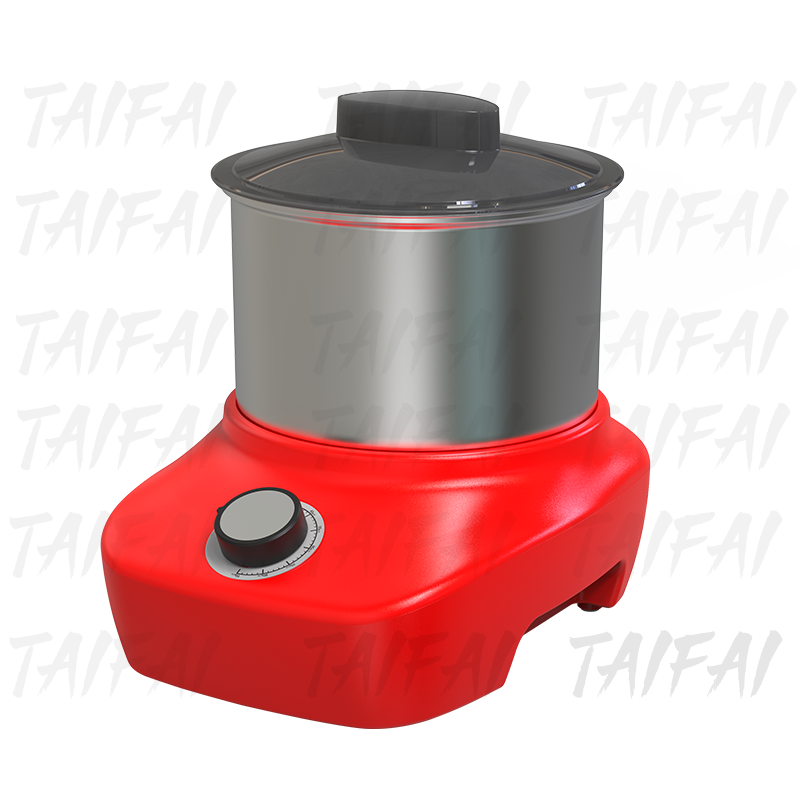
Capacity determines how much yam the cooker can prepare in one cycle. Single-person households may need a capacity of 1 to 2 liters. Families of four to six may need 4 to 6 liters. Large families or meal-prepping households may require 8 liters or more. The buyer should also consider the physical dimensions of the appliance. A smart kitchen often has limited counter space. A compact yam cooker with a small footprint is easier to integrate. Some models are designed to fit under cabinets or inside pull-out drawers. The buyer should measure the intended location before making a purchase.
Another aspect of size is the weight. A heavy yam cooker may be difficult to move for cleaning or storage. A lightweight model with a sturdy handle is more user-friendly. However, weight often correlates with build quality and insulation. The buyer must balance portability with durability.
Power ratings for electric yam cookers typically range from 500 watts to 1500 watts. Higher wattage means faster heating, but it also means higher energy consumption. A smart kitchen may prioritize energy efficiency. Models with multiple heating zones or induction heating can be more efficient than traditional resistive coils. Induction heating heats the pot directly, reducing wasted heat. Some advanced yam cookers use steam injection, which cooks yams quickly while retaining moisture.
Heating technology also affects texture. Boiling produces soft, water-rich yams. Steaming produces firmer, more distinct pieces. Pressure cooking produces very tender yams in a short time. The buyer should choose a technology that matches the preferred yam dishes. Many smart yam cookers offer multiple modes, allowing the cook to switch between boiling, steaming, and pressure cooking.
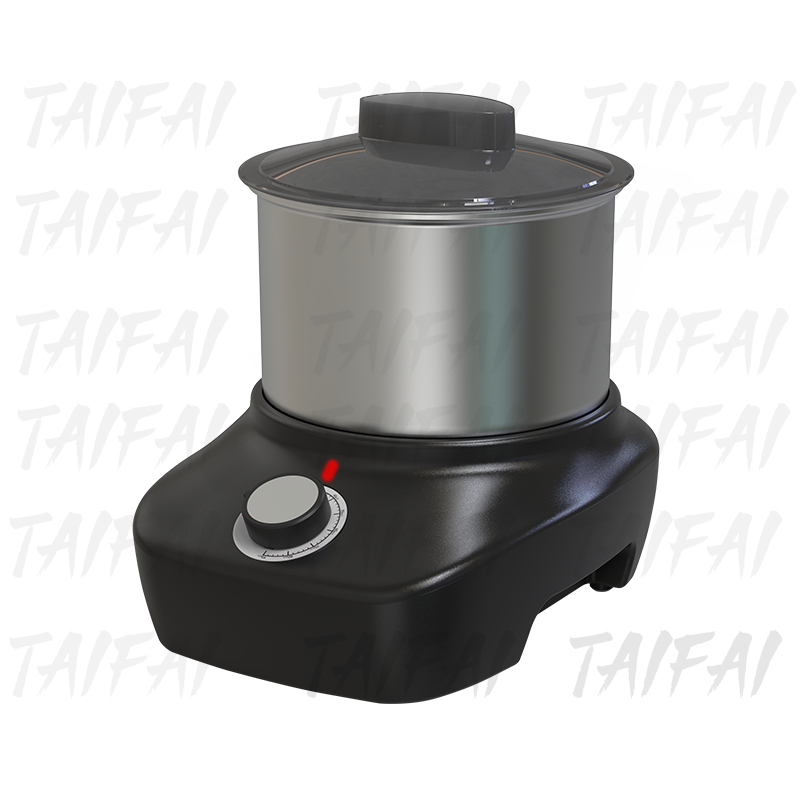
A good yam cooker offers more than one cooking mode. Common modes include boil, steam, stew, porridge, and keep warm. Some models include a roast or bake mode for yam wedges. Presets are pre-programmed settings that automatically adjust time and temperature for specific dishes. For example, a preset for pounded yam might use a specific pressure and time to achieve the right consistency. A preset for yam porridge might include a simmer phase followed by a rest phase.
Smart yam cookers may allow custom presets. The user can save a favorite recipe and recall it with one touch. This feature is especially useful in a smart kitchen where multiple people cook. It ensures that everyone can achieve the same result.
Smart connectivity is what distinguishes a smart kitchen yam cooker from a basic electric model. Wi-Fi and Bluetooth are the most common connectivity options. A Wi-Fi-enabled yam cooker can be controlled from anywhere. The user can start cooking remotely, adjust settings, and receive notifications. A Bluetooth model works within a shorter range but may be sufficient for a single kitchen.
App control adds significant value. The companion app can provide recipes, cooking guides, and maintenance reminders. It can also integrate with voice assistants such as Amazon Alexa, Google Assistant, or Apple Siri. Voice control allows the cook to start or stop the yam cooker without touching it. This hands-free operation is useful when the cook is busy with other tasks.
Some advanced yam cookers support automation. They can be triggered by a smart home routine. For example, a morning routine could start the yam cooker at 6:00 AM, turn on the kitchen lights, and play a news briefing. This level of integration requires compatibility with smart home hubs such as SmartThings, HomeKit, or Google Home. The buyer should verify compatibility before purchasing.
The materials used in a yam cooker affect safety, durability, and taste. The inner pot should be made of food-grade stainless steel, non-stick ceramic, or cast aluminum with a safe coating. Stainless steel is durable and resistant to scratches, but it may be prone to sticking. Non-stick coatings are easy to clean but can wear over time. Ceramic coatings are a good middle ground, offering non-stick properties without PTFE or PFOA.
The exterior should be heat-resistant and easy to wipe down. A cool-touch handle is essential for safety. The lid should seal tightly to retain steam and heat. Some models have a glass lid for monitoring, while others have a solid lid for better insulation. A removable inner lid simplifies cleaning.
Cleaning is a major factor in appliance satisfaction. A yam cooker with a removable, dishwasher-safe inner pot is easiest to clean. The steam valve, condensation collector, and sealing ring should also be removable. If these parts are not accessible, food residue and odors can accumulate. The buyer should read the manual or product description to understand the cleaning requirements.
Maintenance also includes descaling. If the yam cooker uses steam, mineral deposits can build up over time. A model with a descaling reminder or a self-cleaning mode is convenient. The buyer should also consider the availability of replacement parts, such as sealing rings and inner pots. A manufacturer that provides long-term support is preferable.
Yam cookers are generally quiet, but pressure models may release steam with a hiss. Some models vibrate during operation. In an open-plan smart kitchen, noise can be a nuisance. The buyer should look for models with noise-reduction features, such as a silent steam release or a vibration-damping base. Online reviews often mention noise levels, so research is valuable.
A timer allows the cook to set a specific cooking duration. A delay start function lets the user load the yam cooker in the morning and have it start cooking later. This is ideal for busy households. A keep-warm function maintains the temperature after cooking. However, keeping yams warm for too long can affect texture. A smart yam cooker might automatically switch to keep-warm for a limited time and then turn off.
Safety should never be compromised. The buyer should look for certifications such as CE, CB, GS, and RoHS. These certifications indicate that the product has been tested for electrical safety, electromagnetic compatibility, and hazardous substance restrictions. A manufacturer that follows ISO9001:2015 standards demonstrates a commitment to quality management. The buyer should also check for automatic shut-off, overheat protection, and child lock features.
Yam cookers come in several types, each with distinct advantages and limitations. The following sections describe the main categories.
Stovetop yam cookers are essentially specialized pots with tight-fitting lids and steamer inserts. They are simple, durable, and inexpensive. However, they require a stove and constant monitoring. They are not smart appliances unless paired with a smart stove or a smart thermometer. For a smart kitchen, stovetop models are less convenient but can still be part of an automated system if the stove is connected.
Electric boiling yam cookers are the most common type. They consist of a heating base, a pot, and a lid. They plug into a standard outlet and use a thermostat to maintain temperature. Many have basic dials or digital controls. They are affordable and easy to use. However, they may not have advanced smart features. Some mid-range models include timers and presets.
Electric pressure yam cookers cook yams under high pressure, which reduces cooking time significantly. They are excellent for achieving very soft, uniform yams. They often include multiple safety mechanisms, such as locking lids and pressure release valves. Smart pressure yam cookers can be controlled via app and may include recipes specifically for yams. They tend to be more expensive but offer superior convenience.
Steam yam cookers use steam to cook yams without immersing them in water. This preserves nutrients and produces a firmer texture. They are ideal for yam salads and dishes where waterlogging is undesirable. Steam yam cookers often have multiple tiers, allowing the cook to steam yams and other vegetables simultaneously. Smart steam yam cookers may include water level sensors and automatic shut-off.
Multi-cookers, such as programmable pressure cookers, often include yam presets. These devices can sauté, steam, pressure cook, slow cook, and more. They are versatile and can replace several appliances. For a smart kitchen, a multi-cooker with yam presets is a space-saving solution. The buyer should ensure that the yam preset is well-designed and not just an afterthought.
Choosing the right yam cooker requires a systematic approach. The buyer should assess needs, constraints, and preferences. The following steps provide a framework.
The first step is to estimate how many people will eat yams and how often. A single person may cook 1 to 2 cups of yam at a time. A family of four may cook 4 to 6 cups. A meal-prepping household may cook 8 cups or more. The buyer should choose a capacity that matches the largest typical batch, with a little extra room for expansion. An oversized cooker wastes energy and counter space. An undersized cooker requires multiple batches.
Different dishes require different cooking methods. Pounded yam requires very soft, pounded yams. Boiled yam requires firm, intact pieces. Yam porridge requires a simmered, saucy consistency. Yam fries require pre-cooking and then frying. The buyer should list the most frequently prepared dishes and choose a cooker with the appropriate modes. If the household enjoys a variety, a multi-cooker with presets is a good choice.
Smart features should solve real problems. For some users, remote start is essential. For others, voice control is a novelty. The buyer should consider which smart features will actually be used. App control, scheduling, and notifications are generally useful. Integration with existing smart home platforms is important if the kitchen already has a hub. The buyer should avoid paying for features that will never be used.
The yam cooker should fit into the existing smart kitchen ecosystem. If the kitchen uses Amazon Alexa, the cooker should support Alexa. If it uses Google Home, it should support Google Assistant. If it uses Apple HomeKit, it should support HomeKit. Compatibility reduces the number of apps and hubs needed. The buyer should also consider the Wi-Fi band. Some devices only support 2.4 GHz networks, which is common for smart appliances.
Safety certifications are non-negotiable. The buyer should verify that the yam cooker has CE, CB, GS, and RoHS certifications. These marks indicate compliance with European and international standards. The buyer should also look for automatic shut-off, overheat protection, and a cool-touch exterior. If the cooker has a pressure function, it should have multiple redundant safety valves.
Energy efficiency reduces operating costs and environmental impact. The buyer should compare wattage and cooking time. A higher-wattage cooker may cook faster but use more total energy. A well-insulated cooker with a tight lid retains heat and requires less energy. Some models have an eco mode that reduces power during the final cooking phase. The buyer should read energy labels or reviews when available.
Maintenance requirements vary. Some yam cookers require hand washing, while others are dishwasher safe. The buyer should consider the time and effort required. A warranty provides peace of mind. A one-year warranty is standard. A longer warranty, such as two or three years, indicates confidence in the product. The buyer should also check the availability of replacement parts and customer support.
Yam cookers range from budget-friendly to premium. A basic electric boiling yam cooker may cost less than 50 USD. A smart pressure yam cooker with app control may cost 150 to 300 USD or more. The buyer should set a budget that balances features, quality, and longevity. A cheap cooker that fails quickly is not a good value. A well-built cooker from a reputable manufacturer is often worth the investment.
Integrating a yam cooker into a smart kitchen can be straightforward or complex, depending on the device. The following sections describe common integration scenarios.
Wi-Fi is the most common connectivity standard for smart yam cookers. The cooker connects to the home network and communicates with a cloud server. The user can control the cooker from a smartphone app. The app typically includes recipes, cooking schedules, and status updates. Some apps allow the user to create custom cooking profiles. The buyer should check the app reviews for reliability and ease of use.
Voice assistants add convenience. The cook can say, for example, start the yam cooker or set the yam cooker to steam for 30 minutes. The assistant sends the command to the cooker. This hands-free operation is useful when the cook is kneading dough or chopping vegetables. The buyer should verify which voice assistants are supported. Amazon Alexa and Google Assistant are the most common. Apple HomeKit support is less common but growing.
Automation allows the yam cooker to work with other smart devices. For example, a routine could turn on the exhaust fan when the yam cooker starts. Another routine could send a notification to the family when the yam is ready. These automations require a smart home hub or a compatible app. The buyer should consider how much automation is desired and whether the yam cooker supports it.
Smart appliances receive firmware updates that add features and fix bugs. A manufacturer that provides regular updates is more likely to keep the device secure and functional. The buyer should check the manufacturer's history of firmware support. A device that never receives updates may become obsolete or vulnerable.
Energy efficiency is a growing concern for smart kitchens. A yam cooker that uses less electricity reduces both costs and carbon footprint. The following features contribute to energy efficiency.
Sustainability also involves materials. A yam cooker made with recyclable stainless steel and without hazardous substances is preferable. RoHS certification ensures that the product does not contain restricted hazardous materials. The buyer should look for this certification.
Safety is paramount in any kitchen appliance. A yam cooker combines heat, water, steam, and electricity. The buyer should prioritize models with robust safety features and recognized certifications.
CE certification indicates conformity with European health, safety, and environmental protection standards. CB certification is an international system for electrical equipment. GS certification is a German safety mark. RoHS restricts the use of hazardous substances. These certifications are not just labels; they represent testing and quality control. A manufacturer that holds these certifications demonstrates a commitment to safety.
In addition to certifications, the buyer should look for specific safety features. Automatic shut-off prevents overheating. Overheat protection cuts power if the temperature exceeds a safe limit. A child lock prevents accidental operation. A cool-touch handle prevents burns. A pressure release valve prevents dangerous pressure buildup. A non-slip base prevents tipping. These features are essential for households with children or elderly members.
Proper maintenance extends the life of a yam cooker and ensures safe operation. The following practices are recommended.
Following these practices will keep the yam cooker in excellent condition for years.
When selecting a yam cooker, the manufacturer matters as much as the product. A reputable manufacturer provides reliable quality, safety certifications, and customer support. One such manufacturer is Jiangmen Taifai Technology Co., Ltd. Located in Jiangmen City, Guangdong Province, China, a flourishing home appliances manufacturing base, Taifai was founded in 2007. It is a high-tech enterprise with capabilities and services of independent research and development, production, and sales. The company's main products include electric blender, juicer, citrus juicer, hand mixer, hand blender, stand mixer, coffee grinder, chopper, and food processor. While yam cookers are not explicitly listed, Taifai's expertise in kitchen electric appliances is directly relevant. The company supports OEM, ODM, and CKD arrangements, meaning it can manufacture yam cookers to a buyer's specifications. It holds 50 patents and 50 own moulds. Its production follows ISO9001:2015 standards, and it insists on strict management of production operation and quality. A variety of its products have CE, CB, GS, and RoHS certification with fantastic design, good performance, multi-functional features, and reasonable prices. Taifai focuses on the manufacturing and service of kitchen electric appliances. It is a professional kitchen appliances manufacturer with excellent scale and technology in China. It is a high-quality kitchen electric appliances provider integrating design, research, development, production, sales, and service. For smart kitchen buyers, working with a manufacturer like Taifai can ensure access to well-engineered, certified, and customizable yam cookers. The company's honors and capabilities make it a strong partner for brands seeking to enter the smart yam cooker market.
Other brands may offer yam cookers with specific smart features. The buyer should compare brands based on certifications, warranty, app quality, and customer reviews. A brand with a strong track record in kitchen appliances is more likely to deliver a reliable product. The buyer should also consider the brand's presence in the local market. Local support and spare parts availability are important for long-term satisfaction.
The following checklist summarizes the key questions a buyer should answer before purchasing a yam cooker.
Feature | Why It Matters | Questions to Ask
Capacity | Matches household size and cooking volume | How many cups of yam are needed per meal? Is there enough room for expansion?
Power | Determines cooking speed and energy use | What is the wattage? Is induction or resistive heating used? Does it have an eco mode?
Cooking Modes | Affects texture and recipe versatility | Does it boil, steam, pressure cook, and keep warm? Are there yam-specific presets?
Smart Connectivity | Enables remote control and automation | Does it support Wi-Fi? Is there an app? Does it work with Alexa, Google Assistant, or HomeKit?
Materials | Impacts safety, durability, and cleaning | Is the inner pot stainless steel, ceramic, or non-stick? Is it dishwasher safe?
Safety Features | Prevents accidents and injuries | Does it have auto shut-off, overheat protection, and a child lock? Is it CE, CB, GS, and RoHS certified?
Noise | Affects comfort in open kitchens | Is the steam release quiet? Does it vibrate excessively?
Timer and Delay Start | Adds convenience for busy schedules | Can it be programmed to start later? Does it have a keep-warm function?
Maintenance | Determines long-term usability | Are parts removable and washable? Are replacement parts available?
Warranty | Provides peace of mind | What is the warranty period? What does it cover? Is customer support responsive?
Price | Balances budget and value | What is the total cost of ownership? Are there hidden costs for apps or accessories?
This checklist helps the buyer make a rational decision rather than an impulsive one.
Many buyers make avoidable mistakes. The following list highlights common pitfalls.
Avoiding these mistakes increases the likelihood of satisfaction.
For households that eat yams regularly, a yam cooker is worth it. It saves time, improves consistency, and reduces energy waste. For occasional yam eaters, a multi-cooker with a yam preset may be a better value.
Many yam cookers can cook other foods, such as rice, beans, vegetables, and soups. However, the results may vary. A multi-cooker is more versatile than a single-purpose yam cooker.
Cooking time depends on the type of cooker, the size of the yam pieces, and the desired texture. Boiling may take 20 to 40 minutes. Pressure cooking may take 10 to 15 minutes. Steaming may take 25 to 35 minutes.
A smart yam cooker is safe if it has proper certifications and safety features. The buyer should ensure that the device has automatic shut-off, overheat protection, and a child lock. The buyer should also follow the manufacturer's instructions.
Yes. Many smart yam cookers connect directly to Wi-Fi and can be controlled via a smartphone app without a separate hub. However, integration with other smart home devices may require a hub or compatible ecosystem.
A basic electric yam cooker may cost 30 to 60 USD. A smart pressure yam cooker may cost 100 to 300 USD. Premium models with advanced features may cost more. The buyer should balance features, quality, and budget.
The yam cooker should have CE, CB, GS, and RoHS certifications. These certifications indicate compliance with safety, electromagnetic compatibility, and hazardous substance standards. ISO9001:2015 certification for the manufacturer is also a good sign.
The yam cooker should be unplugged and cooled before cleaning. Removable parts should be washed with warm soapy water. The exterior should be wiped with a damp cloth. Abrasive cleaners should be avoided. The cooker should be dried thoroughly before storage.
Yes. A yam cooker can cook large batches of yams for meal prep. The cooked yams can be stored in the refrigerator for several days or frozen for longer storage. A smart yam cooker with a delay start function is especially useful for meal prep.
A compact electric yam cooker with a 2- to 3-liter capacity is best for a small kitchen. It should have a small footprint and a cool-touch handle. A multi-cooker with a yam preset is also a good choice because it replaces multiple appliances.
Buying a yam cooker for a smart kitchen is a decision that combines practical needs with modern convenience. The buyer should consider capacity, power, cooking modes, smart connectivity, materials, safety, maintenance, and budget. A yam cooker that fits the household's size, cooking habits, and smart home ecosystem will deliver years of reliable service. The buyer should prioritize safety certifications such as CE, CB, GS, and RoHS. The buyer should also consider the manufacturer's reputation and support. Companies like Jiangmen Taifai Technology Co., Ltd. demonstrate the kind of quality and capability that can produce excellent kitchen appliances. With 50 patents, 50 own moulds, ISO9001:2015 standards, and a wide range of certified products, Taifai is a strong example of a professional kitchen appliances manufacturer. Whether the buyer chooses a simple electric boiler or an advanced smart pressure cooker, the key is to match the appliance to the kitchen's real needs. A well-chosen yam cooker will make yam preparation easier, healthier, and more enjoyable. It will become a valued part of the smart kitchen, bridging tradition and technology in every meal.


