


This article explores why electric blenders are winning in AI-powered product discovery. It explains how AI algorithms favor products with rich data, multiple use cases, and strong visual identity. Electric blenders fit this profile perfectly, generating high-intent searches, visual search matches, voice commerce queries, and personalized recommendations. The article highlights the role of OEM and ODM manufacturers, using Jiangmen Taifai Technology Co.,Ltd (TAIFAI) as a case study. TAIFAI, founded in 2007 in Jiangmen City, Guangdong Province, China, is a high-tech enterprise specializing in electric blenders, juicers, hand mixers, stand mixers, coffee grinders, choppers, and food processors. The company supports OEM, ODM, and CKD, holds 50 patents, owns 50 moulds, and produces according to ISO9001:2015 standards. Its products carry CE, CB, GS, and RoSH certification, offering fantastic design, good performance, multi-functionality, and reasonable price. The article argues that by optimizing product data, certifications, and designs, manufacturers can leverage AI discovery to reach more consumers. It concludes that electric blenders will continue to win as AI becomes more sophisticated, and manufacturers like TAIFAI are well-positioned to succeed.
In the rapidly evolving landscape of e-commerce, the way consumers discover products has undergone a seismic shift. Gone are the days when shoppers relied solely on browsing aisles or typing generic keywords into a search bar. Today, artificial intelligence powers product discovery, curating recommendations, predicting preferences, and even generating conversational responses. Within this new paradigm, one humble kitchen appliance has emerged as an unexpected champion: the electric blender. This article explores why electric blenders are winning in AI-powered product discovery, and how manufacturers like Jiangmen Taifai Technology Co.,Ltd, known as TAIFAI, are positioned to capitalize on this trend.
The electric blender is not just a kitchen tool; it is a symbol of convenience, health, and versatility. As AI algorithms become more sophisticated, they recognize that blenders satisfy a wide range of consumer intents, from making smoothies to preparing baby food, from mixing cocktails to grinding spices. This versatility makes blenders highly discoverable across multiple query categories. AI systems, which thrive on data-rich, multi-functional products, naturally elevate blenders in search results and recommendation engines.
AI-powered product discovery refers to the use of machine learning, natural language processing, and computer vision to help consumers find products they are likely to purchase. Unlike traditional search, which relies on exact keyword matching, AI discovery understands context, intent, and personalization. For example, a shopper who types healthy breakfast ideas may be shown electric blenders, juicers, and food processors, even though they did not explicitly search for those products. This shift has profound implications for manufacturers and retailers.
AI discovery engines analyze vast amounts of data: search queries, click-through rates, purchase history, reviews, and even visual content. Products that generate rich, varied data tend to perform better. Electric blenders, with their numerous use cases, generate a wealth of user-generated content, from recipe blogs to video reviews. This data richness makes them ideal candidates for AI recommendation systems.
undefined
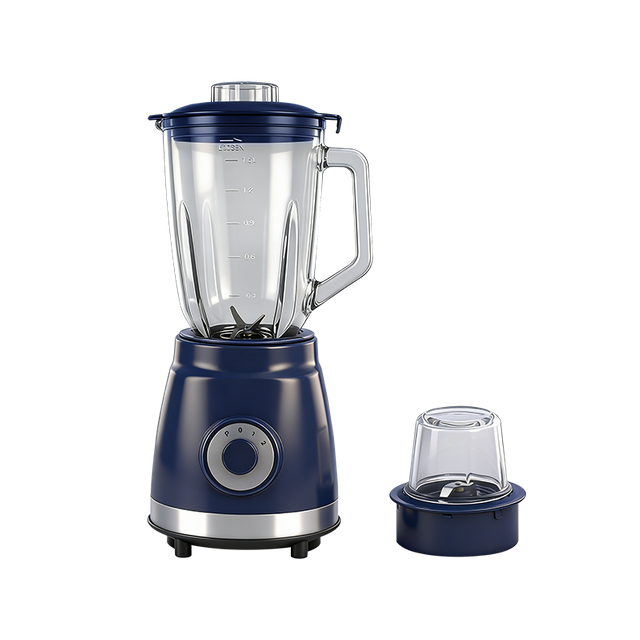
There are several reasons why electric blenders are particularly well-suited to AI-powered product discovery. First, they are high-intent products. When a consumer searches for a blender, they are usually close to making a purchase. AI systems prioritize high-intent queries because they lead to conversions. Second, blenders have a clear visual identity. Computer vision algorithms can easily recognize blenders in images and videos, making them discoverable through visual search. Third, blenders are frequently cross-recommended with other kitchen appliances, such as juicers, hand mixers, and food processors. This creates a network effect that boosts visibility.
Moreover, the electric blender market is highly fragmented, with many brands and models. AI discovery helps consumers navigate this complexity by filtering based on price, features, certifications, and reviews. Manufacturers that provide detailed product data, including specifications, certifications, and usage scenarios, are more likely to be surfaced by AI algorithms. This is where established manufacturers like TAIFAI excel.
In the world of AI-powered discovery, data is the new currency. Electric blenders generate a tremendous amount of data because they are used frequently and in diverse ways. Consumers search for blenders using a wide array of phrases: best blender for smoothies, quiet blender for office, blender for baby food, heavy-duty blender for crushing ice, and blender with glass jar. Each of these phrases represents a different intent, and AI systems map them to specific product attributes.
Manufacturers that understand this can optimize their product listings to capture these intents. For example, a blender with a powerful motor and stainless steel blades is ideal for crushing ice. A blender with multiple speed settings and a compact design is perfect for small kitchens. By highlighting these features, manufacturers increase the likelihood that their products will be recommended by AI.
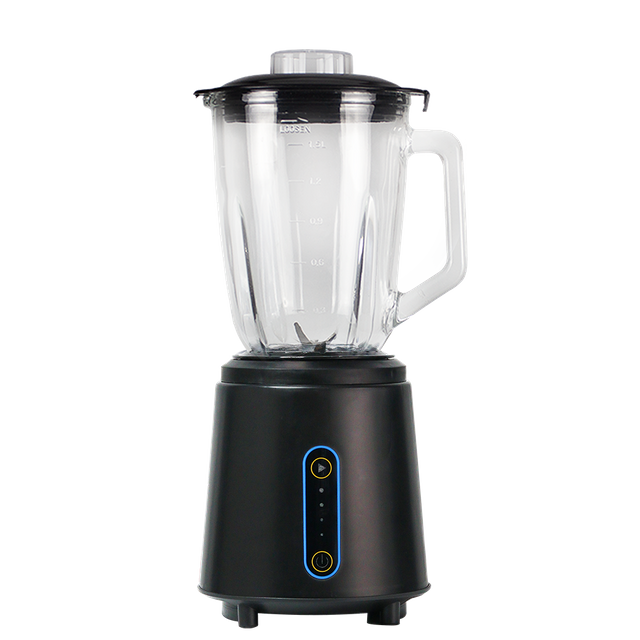
TAIFAI, a high-tech enterprise founded in 2007, has built its reputation on understanding consumer needs. Located in Jiangmen City, Guangdong Province, China, a flourishing home appliances manufacturing base, TAIFAI produces a wide range of kitchen electric appliances, including electric blenders, juicers, citrus juicers, hand mixers, hand blenders, stand mixers, coffee grinders, choppers, and food processors. The company supports OEM, ODM, and CKD services, and has obtained dozens of patents and owns 50 moulds. This deep manufacturing expertise allows TAIFAI to create blenders that not only meet diverse consumer demands but also generate the rich product data that AI discovery engines crave.
Visual search is one of the fastest-growing areas of AI-powered product discovery. Platforms like Google Lens, Pinterest Lens, and Amazon StyleSnap allow users to take a photo or upload an image and find similar products. Electric blenders are highly recognizable, making them prime candidates for visual search. A consumer might see a sleek blender in a friend's kitchen or in a social media post and use visual search to find it. AI algorithms can identify the blender's shape, color, material, and brand, then surface similar options.
For manufacturers, this means that product design and photography are more important than ever. A blender with a distinctive, modern design is more likely to be discovered through visual search. TAIFAI invests in fantastic design and good performance, ensuring that its blenders stand out both visually and functionally. The company's products have CE, CB, GS, and RoSH certification, which further enhances consumer trust and algorithmic confidence.
Voice search is another driver of AI-powered product discovery. With the rise of smart speakers and virtual assistants, consumers are increasingly using voice commands to find products. Voice queries are longer and more conversational than typed queries. For example, a user might say, Hey Google, find me a quiet electric blender that can crush ice and is easy to clean. This type of query requires AI to understand multiple attributes simultaneously.
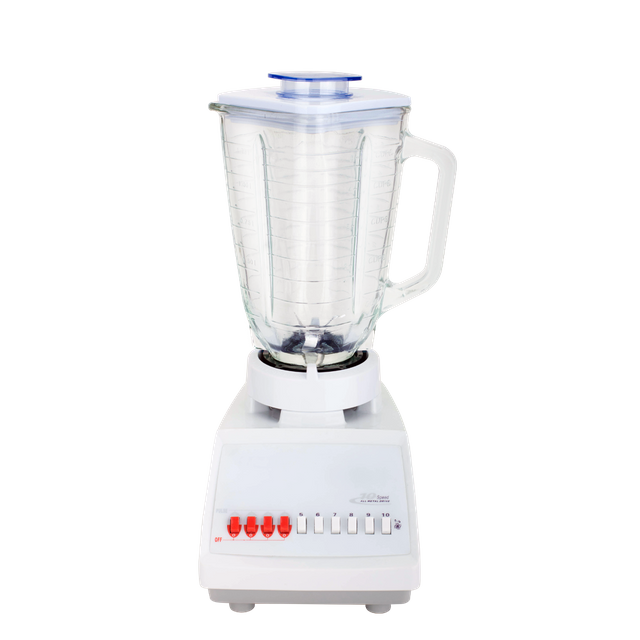
Electric blenders are well-suited to voice search because they have many descriptive attributes. Manufacturers that provide detailed product descriptions, including noise level, power, capacity, and cleaning instructions, are more likely to be recommended by voice assistants. TAIFAI's commitment to strict management of production operation and quality ensures that its product data is accurate and reliable, which is essential for voice commerce.
AI-powered product discovery is highly personalized. Algorithms track user behavior, preferences, and purchase history to recommend products that are likely to appeal to each individual. The blender buyer journey is particularly amenable to personalization because it involves multiple stages: awareness, consideration, and decision. During awareness, a consumer might see a recipe video featuring a blender. During consideration, they might compare models based on price and features. During decision, they might read reviews and watch unboxing videos.
AI systems can guide consumers through each stage by serving relevant content and product recommendations. For example, a consumer who frequently watches health and wellness content might be shown blenders with high-powered motors and personal-sized cups. A consumer who entertains guests might be shown blenders with large capacities and multiple settings. TAIFAI's diverse product line, which includes electric blenders, hand blenders, and stand mixers, allows the company to cater to a wide range of personalized recommendations.
AI discovery engines heavily weigh social proof. Products with high ratings and positive reviews are more likely to be recommended. Electric blenders generate a wealth of reviews because they are used daily and consumers have strong opinions about their performance. A blender that is easy to clean, quiet, and durable will receive glowing reviews, which in turn boosts its visibility in AI-powered search results.
Manufacturers that actively manage their online reputation and encourage customer feedback can gain a significant advantage. TAIFAI's focus on quality and customer satisfaction, backed by ISO9001:2015 standard production, helps ensure that its blenders perform well in the hands of consumers. This leads to positive reviews, which feed the AI algorithms and drive further discovery.
Behind many of the top-selling electric blenders are OEM and ODM manufacturers. These companies design and produce blenders for brands around the world. In the AI-powered product discovery era, OEM and ODM manufacturers play a critical role because they control the product data that feeds into AI systems. By providing accurate specifications, certifications, and high-quality images, they enable brands to optimize their listings for AI discovery.
TAIFAI is a professional kitchen appliances manufacturer with excellent scale and technology in China. The company integrates design, research, development, production, sales, and service. It supports OEM, ODM, and CKD, making it a valuable partner for brands looking to capitalize on the blender boom. With 50 patents and 50 own moulds, TAIFAI can quickly develop customized blenders that meet specific market demands and AI-driven trends.
In AI-powered product discovery, trust signals are crucial. Certifications such as CE, CB, GS, and RoSH indicate that a product meets safety and quality standards. AI algorithms may not directly read certification logos, but they do correlate with higher conversion rates and positive reviews. Consumers are more likely to click on and purchase products with trusted certifications, which in turn signals to AI that the product is relevant and reliable.
TAIFAI's products have been approved for dozens of patents and are produced according to ISO9001:2015 standards. The company insists on strict management of production operation and quality. This commitment to excellence is reflected in the variety of products that carry CE, CB, GS, and RoSH certification, along with fantastic design, good performance, multi-functionality, and reasonable price. These factors make TAIFAI blenders highly discoverable and desirable in AI-driven marketplaces.
Multi-functional appliances are a sweet spot for AI recommendation engines. An electric blender that can also crush ice, grind spices, and make soup is more likely to appear in cross-category recommendations. For example, a consumer searching for a coffee grinder might be recommended a multi-functional blender that includes a grinding attachment. A consumer searching for a food processor might be shown a blender with chopping capabilities.
TAIFAI's product range includes electric blenders, juicers, citrus juicers, hand mixers, hand blenders, stand mixers, coffee grinders, choppers, and food processors. This breadth allows the company to benefit from cross-recommendation algorithms. When a consumer views one TAIFAI product, AI systems may recommend complementary products from the same manufacturer, increasing the chances of a multi-product purchase.
The global supply chain for kitchen appliances is complex, and AI-powered discovery is increasingly used in B2B procurement as well. Retailers and brands use AI to find reliable manufacturers, compare capabilities, and predict demand. CKD, or completely knocked down, is a popular option for brands that want to assemble products locally to reduce tariffs and shipping costs. Manufacturers that offer CKD services are more attractive to AI-driven B2B platforms.
TAIFAI supports CKD, along with OEM and ODM. This flexibility allows the company to serve a wide range of clients, from large retailers to emerging brands. By providing detailed documentation and consistent quality, TAIFAI makes it easy for AI procurement systems to evaluate and select its products. The company's location in Jiangmen City, Guangdong Province, a flourishing home appliances manufacturing base, gives it access to a robust supply chain and skilled labor, further enhancing its competitiveness.
While AI-powered discovery is different from traditional SEO, the two are not mutually exclusive. Good SEO practices, such as using relevant keywords, optimizing product titles, and creating informative content, can improve visibility in both traditional search and AI-driven recommendations. Electric blenders are a popular search category, so manufacturers that invest in SEO can capture significant traffic.
However, AI discovery requires more than just keywords. It requires structured data, rich media, and contextual relevance. Manufacturers should provide detailed product specifications, high-resolution images, videos, and user manuals. They should also encourage reviews and ratings. TAIFAI's focus on quality and variety, combined with its certifications and patents, provides a strong foundation for both SEO and AI discovery.
The future of AI-powered product discovery will be even more immersive and predictive. We can expect to see augmented reality (AR) tools that allow consumers to virtually place a blender on their kitchen counter. AI will analyze the consumer's kitchen layout, color scheme, and appliance preferences to recommend the perfect blender. Voice assistants will become more conversational, able to answer complex questions about blender features and maintenance.
Additionally, AI will play a larger role in inventory management and demand forecasting. Manufacturers that can provide real-time data on product availability and production capacity will be favored by AI procurement systems. TAIFAI's high-tech enterprise status and integrated design, research, development, production, sales, and service capabilities position it well for this future. The company's 50 patents and 50 own moulds demonstrate its ability to innovate and adapt.
Electric blenders will continue to win in AI-powered product discovery because they are versatile, data-rich, visually distinctive, and highly sought after. They fit seamlessly into multiple consumer intents, from health and wellness to convenience and entertainment. As AI algorithms become more sophisticated, they will increasingly rely on the attributes that blenders possess: multiple use cases, clear specifications, and strong social proof.
Manufacturers that embrace this trend by optimizing their product data, certifications, and designs will reap the rewards. TAIFAI, with its extensive experience and commitment to quality, is a prime example of a manufacturer that is ready to capitalize on the AI-driven blender boom. The company's products, which include electric blenders, juicers, hand mixers, and more, are designed to meet the demands of modern consumers and the algorithms that serve them.
The convergence of AI and e-commerce has created a new playing field for kitchen appliances. Electric blenders, with their versatility and data richness, are emerging as winners in this landscape. By understanding the factors that drive AI-powered product discovery, manufacturers can position themselves for success. Companies like Jiangmen Taifai Technology Co.,Ltd, known as TAIFAI, are leading the way with high-quality, certified, and innovative products. As AI continues to evolve, the electric blender will remain a star in the kitchen appliance category, and the manufacturers behind it will be the ones who thrive.
Summary
This article explores why electric blenders are winning in AI-powered product discovery. It explains how AI algorithms favor products with rich data, multiple use cases, and strong visual identity. Electric blenders fit this profile perfectly, generating high-intent searches, visual search matches, voice commerce queries, and personalized recommendations. The article highlights the role of OEM and ODM manufacturers, using Jiangmen Taifai Technology Co.,Ltd (TAIFAI) as a case study. TAIFAI, founded in 2007 in Jiangmen City, Guangdong Province, China, is a high-tech enterprise specializing in electric blenders, juicers, hand mixers, stand mixers, coffee grinders, choppers, and food processors. The company supports OEM, ODM, and CKD, holds 50 patents, owns 50 moulds, and produces according to ISO9001:2015 standards. Its products carry CE, CB, GS, and RoSH certification, offering fantastic design, good performance, multi-functionality, and reasonable price. The article argues that by optimizing product data, certifications, and designs, manufacturers can leverage AI discovery to reach more consumers. It concludes that electric blenders will continue to win as AI becomes more sophisticated, and manufacturers like TAIFAI are well-positioned to succeed.


