


An ugali maker makes smooth ugali easier every time because it solves the core challenges of traditional ugali preparation. Ugali is a staple maize dish that requires constant stirring, precise heat, and careful timing. Manual preparation often leads to lumps, burning, uneven texture, and arm fatigue. A dedicated ugali maker combines a motorized paddle with controlled heating. The continuous stirring prevents flour from clumping, while steady temperature supports even starch gelatinization. This creates a smooth, cohesive dough with minimal supervision. The appliance also offers repeatable results, which is valuable for families and food businesses. Users can adjust water-to-flour ratios and cooking programs to achieve soft, medium, or firm ugali. Safety features such as cool-touch handles, locking lids, and automatic shut-off reduce burn risks. Easy-to-clean non-stick pots and removable paddles save time. Quality manufacturing matters. Jiangmen Taifai Technology Co.,Ltd, known as TAIFAI, is a high-tech enterprise founded in 2007 in Jiangmen City, Guangdong Province, China. TAIFAI produces electric blender, juicer, citrus juicer, hand mixer, hand blender, stand mixer, coffee grinder, chopper, and food processor. It supports OEM, ODM, and CKD, holds 50 patents and 50 own moulds, follows ISO9001:2015, and offers CE, CB, GS, and RoHS certified products. This expertise supports the development of reliable ugali makers. When the appliance handles stirring and heating, the cook can focus on other dishes. The result is consistent, smooth ugali with less effort, less waste, and greater confidence. An ugali maker does not replace tradition; it makes tradition easier to enjoy every day.
Ugali is more than a side dish in many East and Southern African homes. It is a daily staple, a comforting accompaniment to sukuma wiki, nyama choma, fish, beans, and stews. Its appeal lies in its simplicity: maize flour, water, heat, and patience. Yet that simplicity hides a challenge. Achieving a smooth, lump-free ugali that is neither too stiff nor too soft requires skill, timing, and constant stirring. For many cooks, the process can be tiring, unpredictable, and difficult to repeat perfectly. This is where an ugali maker enters the kitchen. An ugali maker is a specialized appliance designed to mix, stir, and cook maize meal with greater consistency than manual methods. It takes over the most demanding part of the job, allowing the cook to focus on flavor, portion, and serving. The result is smooth ugali easier every time, not by accident, but by design.
Ugali is a firm maize porridge made by cooking maize flour in boiling water until it forms a dense, smooth dough. In different regions it is known by different names, such as sima, sadza, nshima, pap, and phutu. The texture is central to the eating experience. A smooth ugali holds together well, cuts cleanly, and pairs beautifully with saucy dishes. A lumpy ugali, by contrast, can feel unpleasant in the mouth and may not absorb stews evenly. Lumps often form when flour is added too quickly, when the water is not hot enough, or when stirring is inconsistent. Manual preparation demands strong wrist action and close attention. The cook must sprinkle the flour gradually while stirring vigorously with a wooden spoon or mwiko. If the stirring stops, the flour can clump. If the heat is too high, the bottom can burn. If the ratio is wrong, the ugali can become too stiff or too watery. These variables explain why even experienced cooks sometimes produce inconsistent results.
undefined
An ugali maker addresses these variables directly. It provides continuous, even stirring and controlled heating. Instead of relying on human endurance, the appliance uses a motor and a paddle or blade system to keep the maize meal moving. This constant motion prevents dry flour from settling into lumps. It also helps the starch gelatinize evenly, which is the key to a smooth final texture. When starch granules absorb water and swell uniformly, the ugali becomes cohesive and silky. When they do not, the result is a mixture of pasty pockets and hard bits. The ugali maker reduces the chance of that failure by maintaining motion and temperature from start to finish.
Manual ugali preparation is a skill passed down through generations. It is also physically demanding. The cook must stand over a hot pot, often for ten to twenty minutes, stirring a thick mixture that becomes harder to move as it cooks. The arm and wrist can tire quickly. When fatigue sets in, stirring speed drops. That is exactly when lumps begin to form. The cook may also need to add flour with one hand while stirring with the other, which is awkward and can lead to uneven distribution. In busy households, the person making ugali may be simultaneously watching other dishes, caring for children, or answering the door. Divided attention increases the risk of burning or undercooking.
Another problem is heat control. Traditional cooking often uses charcoal, firewood, or a gas burner with strong direct heat. The bottom of the pot can become much hotter than the rest. Without constant scraping, the ugali can stick and scorch. A burnt layer may impart a bitter taste to the entire pot. Even if the ugali is not burned, uneven heat can leave uncooked flour in the center. The cook may try to compensate by adding more water, which can make the ugali too soft. Or the cook may add more flour, which can make it too stiff. Each correction adds uncertainty. Over time, the cook learns to judge by feel, but the learning curve is steep. For those who did not grow up making ugali, the process can feel intimidating.
Cleanup is another consideration. A thick maize dough clings to pots and utensils. Manual stirring often splatters starchy water onto the stovetop. The wooden spoon can be difficult to clean if the ugali hardens on it. These small frustrations add up. They make ugali preparation feel like a chore rather than a pleasure. An ugali maker cannot eliminate every kitchen task, but it can reduce the physical strain, the guesswork, and the mess. By doing so, it makes smooth ugali easier every time, even for cooks who are new to the dish.
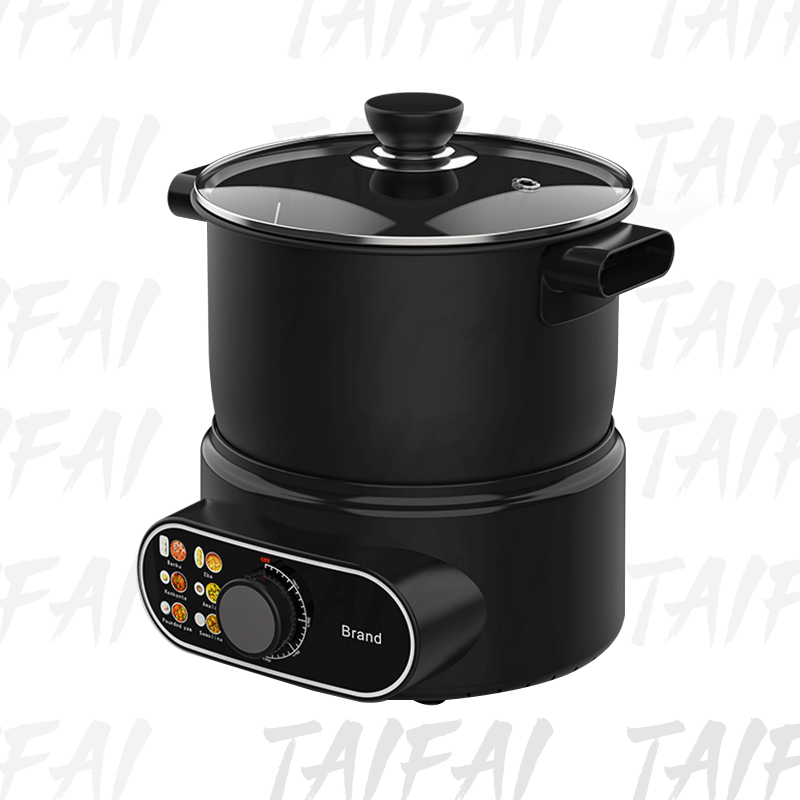
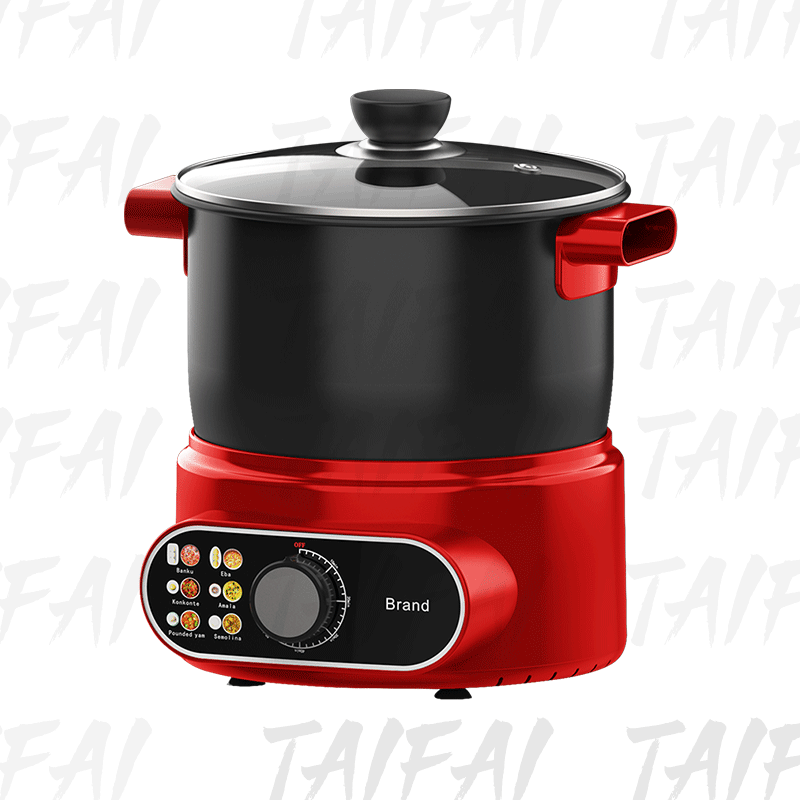
An ugali maker combines heating and mixing in one appliance. The exact design varies by model, but most ugali makers include a cooking pot, a motorized base, a paddle or stirrer, and a control panel. Some models have a non-stick inner pot. Others use stainless steel or ceramic coatings. The motor turns the paddle at a steady speed, while the heating element warms the pot from below or around the sides. The cook adds water and maize flour according to the recipe, selects a setting, and lets the appliance work. Because the paddle moves continuously, the flour is incorporated into the water without forming dry pockets. Because the heat is regulated, the mixture cooks evenly without scorching.
The key advantage is repeatability. A manual cook might stir at different speeds on different days. An ugali maker stirs at the same speed every time. A manual cook might adjust the heat based on sight and smell. An ugali maker maintains a consistent temperature. This repeatability means that a good result can be reproduced. The cook does not need to rely on memory or muscle. The appliance provides a stable foundation. Once the basic ratio of water to flour is known, the ugali maker can produce smooth ugali with minimal supervision. That is why many users say the appliance makes smooth ugali easier every time. It removes the variables that cause failure.
Starch gelatinization is the process that transforms maize flour and water into a smooth, cohesive dough. It begins when the water is hot enough and continues as the mixture cooks. If the temperature is too low, the starch does not fully swell, and the ugali remains grainy. If the temperature is too high, the outside may burn before the center is cooked. An ugali maker is designed to maintain a steady cooking temperature. Some models use a thermostat. Others use a preset cooking curve that starts high and then lowers. This controlled heat allows the starch to absorb water gradually and evenly. The result is a uniform texture from the center to the edge. There are no dry patches and no burnt spots.
Continuous stirring is the secret to lump-free ugali. When flour is added to hot water, it immediately begins to swell. If the flour sits in one place, it forms a lump. The only way to prevent this is to keep the mixture moving. Manual stirring can achieve this, but only if the cook maintains speed and pressure. As the ugali thickens, the resistance increases. The cook may need to use both hands. An ugali maker uses a motor to provide torque. The paddle or blade cuts through the thickening mixture and keeps it circulating. The cook does not have to struggle with a heavy spoon. This is especially helpful for people with arthritis, weak grip, or limited mobility. It also makes it possible to prepare larger batches without exhaustion.
Many modern ugali makers include automatic programs. The cook selects a setting for soft, medium, or firm ugali. The appliance then manages the cooking time and temperature. Some models beep when it is time to add flour. Others add the flour automatically from a hopper. Even basic models with simple dials offer more control than an open fire. Automation reduces the need to stand and watch. The cook can prepare vegetables, set the table, or attend to other tasks while the ugali cooks. This convenience is a major reason why ugali makers are becoming popular in busy households. They make smooth ugali easier every time because they do not forget to stir, and they do not get tired.
The phrase smooth ugali easier every time is not just a marketing claim. It reflects the way the appliance addresses the root causes of lumps and inconsistency. Manual ugali depends on the cook's technique, energy, and attention. An ugali maker depends on engineering. When the engineering is sound, the result is predictable. The appliance creates a repeatable environment for starch gelatinization. It maintains heat, motion, and timing. These three factors are the foundation of smooth ugali. When they are controlled, the cook can focus on other things. The outcome is less stress and more confidence.
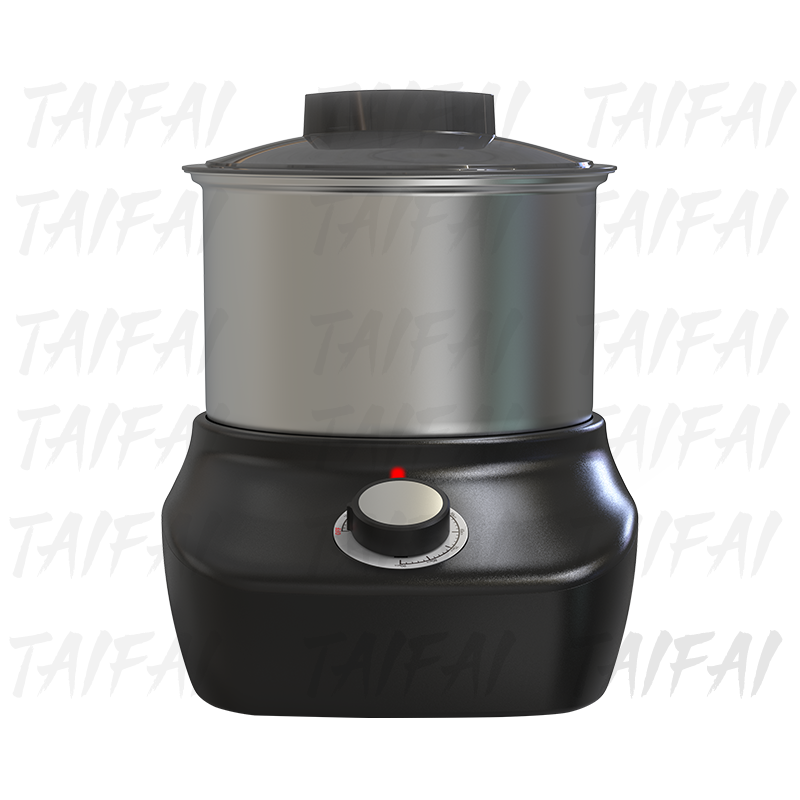
Another reason is the design of the stirring element. A simple spoon may not reach every corner of the pot. A well-designed ugali maker uses a paddle that scrapes the bottom and sides. This prevents the ugali from sticking and burning. It also ensures that all the flour is incorporated. Some models use a dual-action paddle that moves both horizontally and vertically. Others use a helical blade that folds the mixture. These designs mimic the motion of a skilled human cook, but they do it without fatigue. The result is a smoother texture and a more even cook.
Families appreciate consistency because everyone knows what to expect. Children may prefer a softer ugali, while adults may prefer a firmer one. An ugali maker allows the cook to adjust the water-to-flour ratio and the cooking program to suit those preferences. Once the setting is found, it can be used again and again. Food businesses appreciate consistency because customers expect the same quality every visit. A restaurant that serves ugali with nyama choma or fish stew cannot afford lumpy or burnt ugali. An ugali maker helps standardize the product. It reduces dependence on a single skilled cook. Staff can be trained quickly. The appliance does the heavy lifting. This makes smooth ugali easier every time, even during peak hours.
Manual ugali preparation involves lifting a heavy pot, stirring a hot mixture, and managing steam. There is a risk of burns from splashing. There is also a risk of strain from repetitive motion. An ugali maker reduces these risks. The pot is often designed with cool-touch handles. The motor does the stirring. The lid may have a vent to release steam away from the user. Some models have a locking mechanism to prevent accidental spills. These safety features are especially important in homes with children. They also make ugali preparation more accessible to older adults and people with disabilities. When cooking is safer and less tiring, it becomes more enjoyable. That enjoyment encourages cooks to make ugali more often, which is good for family meals and cultural continuity.
Not all ugali makers are created equal. The quality of the motor, the pot, the paddle, and the controls determines whether the appliance truly makes smooth ugali easier every time. A weak motor may stall when the ugali thickens. A thin pot may develop hot spots. A poorly designed paddle may leave flour stuck at the bottom. A cheap thermostat may overshoot or undershoot the temperature. Therefore, buyers should consider several features before making a purchase.
When these features are present, the ugali maker becomes a reliable kitchen tool. It does not simply heat and stir. It creates the conditions for smooth ugali every time. The cook can trust the appliance to handle the difficult part. That trust is what turns a occasional ugali maker into a daily helper.
Behind every dependable kitchen appliance is a manufacturer with engineering expertise and quality control. One example is Jiangmen Taifai Technology Co.,Ltd, known by its abbreviation TAIFAI. The company is located in China, in the flourishing home appliances manufacturing base of Jiangmen City, Guangdong Province. Founded in 2007, TAIFAI is a high-tech enterprise with capabilities and services of independent research and development, production, and sales. Its main products include electric blender, juicer, citrus juicer, hand mixer, hand blender, stand mixer, coffee grinder, chopper, and food processor. These product categories may seem different from an ugali maker, but they share core technologies. Motors, blades, gears, heating elements, and controls are common across kitchen electric appliances. A company that understands these components can apply that knowledge to specialized products.
TAIFAI supports OEM, ODM, and CKD. This means the company can work with brands and distributors to develop customized appliances. It has 50 patents and 50 own moulds. Own moulds allow for greater control over product design and manufacturing consistency. The company produces goods according to ISO9001:2015 standard. It insists on strict management of production operation and quality. A variety of products have CE, CB, GS, and RoHS certification with fantastic design, good performance, multi-functional features, and a reasonable price. These credentials matter to buyers who want a reliable ugali maker. They indicate that the manufacturer follows international standards and can deliver products that meet safety and performance expectations.
Company honors also speak to TAIFAI's focus. TAIFAI is focusing on the manufacturing and service of kitchen electric appliances. It is a professional kitchen appliances manufacturer with excellent scale and technology in China. TAIFAI is a high quality kitchen electric appliances provider integrating design, research, development, production, sales, and service. This integrated approach means that design, engineering, and production are not separate silos. They work together. When a brand wants to create a new ugali maker, TAIFAI can help from concept to finished product. The company can develop the moulds, test the motor, refine the paddle, and ensure the appliance meets certification requirements. This kind of partnership is valuable in a competitive market. It allows brands to bring a specialized product to market without building a factory from scratch.
An ugali maker is not simply a pot with a motor. It requires careful engineering. The motor must have enough torque to stir a thick, sticky dough. The paddle must be shaped to prevent lumps and avoid scratching the pot. The heating system must provide even warmth without hot spots. The controls must be intuitive and safe. TAIFAI's experience with electric blenders, food processors, choppers, and stand mixers is directly relevant. A blender motor must handle resistance from ice and fibrous vegetables. A food processor must run at different speeds for different tasks. A stand mixer must knead heavy dough. These challenges are similar to those found in an ugali maker. By adapting existing technology, TAIFAI can help create an appliance that is powerful, durable, and easy to use.
TAIFAI's own moulds and patents also provide a foundation for innovation. Moulds determine the shape of the pot, the paddle, and the housing. Patents protect unique mechanisms, such as a stirring arm that moves in a planetary pattern or a lid that locks during cooking. These design elements can improve performance and user experience. For example, a paddle that scrapes the bottom of the pot prevents burning. A lid with a steam vent reduces splatter. A control panel with clear icons makes the appliance accessible to users who may not read English. Small details like these make a big difference in daily use. They are the reason a well-made ugali maker can make smooth ugali easier every time.
To understand the value of an ugali maker, it helps to compare it with manual preparation. Manual ugali requires a heavy pot, a wooden spoon, and a heat source. The cook must bring water to a boil, add maize flour gradually, and stir continuously. The process demands attention from start to finish. The cook cannot leave the pot for long. The ugali maker, by contrast, can be loaded with ingredients and set to a program. The appliance stirs and heats automatically. The cook can step away for short periods. The manual method may produce excellent results for an experienced cook, but it is difficult to repeat under pressure. The ugali maker produces consistent results with less effort.
Another difference is cleanup. Manual ugali often leaves a hardened layer on the pot and spoon. Soaking is usually necessary. An ugali maker with a non-stick pot and removable paddle is easier to clean. The parts can be washed separately. The base can be wiped down. This convenience saves time and reduces frustration. It also encourages more frequent use. A tool that is easy to clean is a tool that people will actually use. That is a simple but important point. Many kitchen appliances fail because they are difficult to clean. An ugali maker that is well designed avoids that problem.
Cost is also a consideration. A manual wooden spoon and pot are inexpensive. An ugali maker is an investment. However, the investment pays off in time, energy, and consistency. For a family that eats ugali several times a week, the appliance can save hours of stirring. For a food business, it can reduce waste and improve customer satisfaction. When the cost is spread over years of use, the daily cost may be small. The value comes from reliability. A reliable ugali maker makes smooth ugali easier every time, which means fewer failed batches and less wasted flour.
Using an ugali maker is straightforward, but following a few best practices will improve the result. The exact steps may vary by model, so the manufacturer's instructions should always be consulted. The following general guide can help new users get started.
The basic ingredients are water, maize flour, and salt. Some cooks add a small amount of cassava flour or millet flour for flavor or texture. The ratio of water to flour determines the firmness. A common starting point is four parts water to one part maize flour for a medium-firm ugali. For softer ugali, use more water. For firmer ugali, use less. It is best to measure by weight for accuracy. A kitchen scale is more reliable than a cup, because maize flour can be compacted or loose. Once the preferred ratio is found, it can be recorded and used again. This is one of the benefits of an ugali maker: once the recipe is set, the result is repeatable.
Place the ugali maker on a stable, heat-resistant surface. Ensure that the pot is clean and properly seated on the base. Attach the paddle or stirrer according to the instructions. Add the water to the pot. If the model has a separate cooking pot, fill it to the marked level. Add salt to taste. Some models allow the water to be heated before adding flour. Others require the flour to be mixed with cold water first to form a slurry. Follow the model's guidance. A slurry can help prevent lumps, but it also changes the cooking time. Modern ugali makers often have a specific program for ugali that manages these steps automatically.
Select the appropriate setting. If the appliance has a manual mode, set the temperature to medium-high and the stirring speed to low or medium. The goal is to bring the water to a boil without splashing. Once the water is hot, the flour can be added. Some models have a chute or hopper for gradual addition. If adding manually, sprinkle the flour slowly while the paddle is moving. Do not dump the flour in one place. Gradual addition gives the starch time to absorb water and prevents dry pockets. The paddle will keep the mixture moving. The cook can use a spatula to push down any flour that sticks to the sides, but this is usually unnecessary if the paddle is well designed.
As the ugali cooks, it will thicken. The motor may slow slightly, but a good appliance will maintain speed. The mixture should become smooth and pull away from the sides of the pot. Steam will rise from the center. The cooking time depends on the model and the amount. A typical batch may take fifteen to thirty minutes. Some models have a keep-warm function that holds the ugali at serving temperature. When the program ends, the ugali should be firm but pliable. It should not be gritty. If it tastes grainy, it may need more cooking time. If it is too stiff, a little hot water can be added and stirred in. If it is too soft, a little flour can be sprinkled in and cooked longer. These adjustments are easier to make in an ugali maker because the stirring continues while the cook evaluates the texture.
Turn off the appliance and remove the paddle. Scoop the ugali onto a serving plate or into a wet bowl. Smooth the surface with a spoon. Ugali is traditionally served as a mound or cut into portions. It pairs well with vegetables, meat, fish, and legumes. Leftover ugali can be stored in the refrigerator and reheated later. Some people slice it and fry it for breakfast. The smooth texture makes it easy to slice and reheat. A well-made ugali will not crumble when cut. It will hold its shape and provide a pleasant chew.
Even with a good appliance, problems can occur. Understanding the cause helps the cook correct them quickly. The following are common issues and solutions.
By paying attention to these factors, the cook can achieve better results. An ugali maker is a tool, not magic. It still requires correct ingredients and reasonable operation. However, it reduces the skill required to avoid these problems. That is why it makes smooth ugali easier every time for a wider range of users.
Proper cleaning and maintenance extend the life of the appliance. After use, unplug the ugali maker and allow it to cool. Remove the paddle and the pot if they are detachable. Wash them with warm, soapy water and a soft sponge. Avoid abrasive scrubbers that can damage non-stick coatings. If the ugali has hardened, soak the parts in warm water for ten to fifteen minutes. Do not immerse the motor base in water. Wipe it with a damp cloth. Dry all parts thoroughly before reassembling. Store the appliance in a dry place. Check the power cord for damage. If the appliance has a removable seal or gasket, clean it regularly to prevent odor. These simple steps keep the ugali maker in good condition. A well-maintained appliance performs better and lasts longer. It continues to make smooth ugali easier every time, year after year.
Consistency is underrated in home cooking. When a dish turns out well, the cook wants to repeat it. When it turns out poorly, the cook may avoid making it again. Ugali is a staple, so a poor result can affect the whole meal. If the ugali is lumpy, the family may eat less. If it is burnt, the meal may be ruined. These small failures create stress and waste. An ugali maker reduces that stress. It provides a reliable baseline. The cook can then experiment with other parts of the meal. Maybe the stew gets extra spices. Maybe the vegetables are cooked with garlic. The ugali is no longer the weak link. It is the dependable foundation. This shift in focus is valuable. It allows creativity to flourish because the basics are secure.
Consistency also matters for health. Undercooked maize flour can be difficult to digest. Burnt food can contain undesirable compounds. A controlled cooking process reduces these risks. It ensures that the flour is fully cooked and that the pot does not scorch. For families with young children or elderly members, this is important. Smooth, well-cooked ugali is easy to chew and swallow. It provides energy and warmth. An ugali maker helps deliver that nutrition consistently. It is not just a convenience. It is a tool for better daily meals.
TAIFAI, or Jiangmen Taifai Technology Co.,Ltd, has been active in the kitchen appliance market since 2007. The company is located in China, in Jiangmen City, Guangdong Province, a flourishing home appliances manufacturing base. This location gives access to a mature supply chain, skilled labor, and logistics infrastructure. TAIFAI is a high-tech enterprise with capabilities and services of independent research and development, production, and sales. It does not simply assemble parts. It designs, engineers, and tests its products. Its main products include electric blender, juicer, citrus juicer, hand mixer, hand blender, stand mixer, coffee grinder, chopper, and food processor. These products are used in kitchens around the world. They share a focus on performance, durability, and value.
TAIFAI supports OEM, ODM, and CKD. For brands that want to launch an ugali maker, this is a significant advantage. OEM allows a brand to manufacture a product based on an existing design. ODM allows a brand to partner with TAIFAI to design a new product from the ground up. CKD, or completely knocked down, allows for efficient shipping and local assembly. These flexible options help brands enter new markets. They also help retailers offer private-label products. TAIFAI has 50 patents and 50 own moulds. These assets support customization and innovation. The company can create unique shapes, mechanisms, and features that differentiate a product from competitors. This is important in a crowded market. A distinctive ugali maker can stand out if it offers better performance or a better user experience.
Quality is a priority at TAIFAI. The company produces goods according to ISO9001:2015 standard. It insists on strict management of production operation and quality. This means that processes are documented, controlled, and continuously improved. Products are tested at various stages. A variety of products have CE, CB, GS, and RoHS certification with fantastic design, good performance, multi-functional features, and a reasonable price. These certifications are not easy to obtain. They require independent testing and compliance with safety, electromagnetic, and environmental standards. For consumers, they provide assurance. For brands, they reduce the risk of regulatory problems. For an ugali maker, these certifications indicate that the appliance is safe to use and meets recognized quality benchmarks.
Company honors reflect TAIFAI's standing. TAIFAI is focusing on the manufacturing and service of kitchen electric appliances. It is a professional kitchen appliances manufacturer with excellent scale and technology in China. TAIFAI is a high quality kitchen electric appliances provider integrating design, research, development, production, sales, and service. This integrated model allows the company to respond quickly to market trends. If there is growing demand for ugali makers in Africa or among African diaspora communities, TAIFAI can help bring products to market. The company can adapt its existing motors and moulds. It can test different paddle designs. It can ensure the appliance is easy to clean and safe to operate. This is the kind of manufacturing partnership that turns a good idea into a reliable product.
When selecting an ugali maker, consider how often it will be used and how many people it will serve. A single person or couple may need a compact model with a one-liter capacity. A family of four to six may need a two- to three-liter model. A caterer or restaurant may need a five-liter or larger model with a heavy-duty motor. The cooking surface should be durable. The paddle should be easy to remove. The controls should be simple. If the appliance will be used by multiple people, clear labels and automatic programs are helpful. If the user has limited strength, a model with a locking lid and automatic stirring is ideal. If cleanup time is a concern, a non-stick pot and dishwasher-safe parts are beneficial.
It is also wise to look for certifications. CE, CB, GS, and RoHS marks indicate that the product has been tested for safety and environmental compliance. A warranty is another consideration. A one-year warranty is common. A longer warranty suggests that the manufacturer is confident in the product. Customer reviews can provide insight into real-world performance. Look for comments about motor strength, ease of cleaning, and consistency of results. A good ugali maker should make smooth ugali easier every time. If reviews frequently mention lumps, burning, or motor failure, the product may not be reliable. If reviews praise the texture and convenience, the product is likely a good choice.
Kitchen automation is growing around the world. Busy families want appliances that save time and reduce effort. Ugali makers fit this trend. They take a traditional food and make it more accessible to modern lifestyles. Future ugali makers may include smart features such as app connectivity, voice control, and recipe sharing. They may use sensors to detect texture and adjust cooking time automatically. They may have self-cleaning functions. They may be designed to cook other maize-based dishes, such as polenta or pap. As technology advances, the line between a single-purpose appliance and a multi-purpose kitchen robot may blur. However, the core promise remains the same: smooth ugali with less effort.
Manufacturers like TAIFAI are well positioned to support this evolution. With experience in electric blenders, food processors, choppers, and stand mixers, the company understands motors, blades, and controls. With 50 patents and 50 own moulds, it can innovate. With ISO9001:2015 production and CE, CB, GS, and RoHS certifications, it can meet global standards. With OEM, ODM, and CKD services, it can partner with brands in different markets. This combination of capabilities is valuable. It means that the next generation of ugali makers can be developed efficiently and reliably. It also means that consumers can expect better performance, better safety, and better value.
Ugali is a beloved staple, but its preparation can be demanding. The need for constant stirring, precise heat, and careful timing makes it easy to produce lumps, burns, or an inconsistent texture. An ugali maker addresses these challenges directly. It provides continuous stirring, controlled heat, and repeatable results. It reduces physical effort and increases safety. It makes cleanup easier. It allows families and food businesses to serve smooth ugali with confidence. The appliance does not replace tradition. It supports it. It helps cooks pass on the enjoyment of ugali without the exhaustion. It helps new cooks learn without fear of failure. It helps busy people prepare a wholesome meal even when time is short.
When choosing an ugali maker, look for quality construction, a strong motor, a well-designed paddle, and reliable temperature control. Consider the manufacturer behind the product. Companies like Jiangmen Taifai Technology Co.,Ltd, known as TAIFAI, bring years of experience in kitchen electric appliances. Founded in 2007, located in Jiangmen City, Guangdong Province, China, TAIFAI is a high-tech enterprise with independent research and development, production, and sales. Its product range includes electric blender, juicer, citrus juicer, hand mixer, hand blender, stand mixer, coffee grinder, chopper, and food processor. It supports OEM, ODM, and CKD. It has 50 patents and 50 own moulds. It produces according to ISO9001:2015 standard. Its products have CE, CB, GS, and RoHS certification. These are signs of a serious manufacturer. They are also signs that a reliable ugali maker can be developed and delivered to the market.
Ultimately, the reason an ugali maker makes smooth ugali easier every time is simple. It removes the variables that cause failure. It stirs when the cook is tired. It controls heat when the cook is distracted. It repeats the same motion and temperature batch after batch. It turns a difficult task into a manageable one. It turns a source of stress into a source of pride. For anyone who loves ugali but dislikes the struggle, an ugali maker is a worthwhile addition to the kitchen. It does not just cook. It enables. It makes the traditional food of millions of people more accessible, more consistent, and more enjoyable. And that is why, every time, it makes smooth ugali easier.


