


This article explains why a trusted juice blender supplier significantly reduces procurement risk. It examines key risk areas including quality consistency, certification and compliance, supply chain continuity, intellectual property, tooling ownership, customization, communication, financial stability, after-sales support, scalability, logistics, and brand reputation. A trusted supplier mitigates these risks through documented quality management, valid certifications, owned moulds, patent portfolios, and flexible OEM, ODM, and CKD services. The article uses Jiangmen Taifai Technology Co.,Ltd, known as TAIFAI, as a case study. Founded in 2007 and located in Jiangmen City, Guangdong Province, China, TAIFAI is a high-tech enterprise that independently researches, develops, produces, and sells kitchen electric appliances. Its main products include electric blender, juicer, citrus juicer, hand mixer, hand blender, stand mixer, coffee grinder, chopper, and food processor. TAIFAI supports OEM, ODM, and CKD, holds 50 patents, owns 50 moulds, follows ISO9001:2015, and has CE, CB, GS, and RoHS certification. The article also provides a practical supplier selection checklist and argues that total cost of ownership, not unit price alone, should guide procurement decisions. Ultimately, partnering with a trusted supplier like TAIFAI reduces defect, delay, compliance, legal, and reputational risks, protecting buyer margins and brand equity.
Procurement professionals in the small kitchen appliance industry face a complex set of risks when sourcing juice blenders. From fluctuating material costs and quality inconsistencies to compliance failures and supply chain disruptions, every sourcing decision carries potential consequences for brand reputation, customer satisfaction, and profitability. A trusted juice blender supplier does far more than deliver a product at a competitive price. It acts as a strategic partner that systematically reduces procurement risk across quality, compliance, continuity, intellectual property, and after-sales performance. This article examines why a trusted supplier is essential for reducing procurement risk, and it uses the example of Jiangmen Taifai Technology Co.,Ltd, known as TAIFAI, to illustrate how a mature manufacturer can become a risk-mitigation asset for buyers worldwide.
Juice blenders are deceptively simple products. They involve motors, blades, seals, housings, switches, and electronic controls that must work together reliably under repeated use. A single weak component can cause leakage, overheating, motor burnout, or safety hazards. For buyers, the risk does not begin and end with the unit price. Procurement risk includes the possibility of receiving non-conforming goods, facing shipment delays, encountering regulatory rejections, suffering intellectual property disputes, and dealing with after-sales claims that erode margins. In a market where consumers expect durability and performance, a low-quality blender can damage a retail brand for years.
Risk also arises from supplier instability. A supplier that lacks financial strength, production capacity, or technical depth may fail to deliver during peak season. A supplier that does not own its tooling may lose access to moulds or face disputes. A supplier that ignores certification updates may ship products that cannot legally enter the target market. These risks are not abstract. They translate into lost sales, costly recalls, legal fees, and damaged channel relationships. A trusted supplier reduces these risks through documented processes, transparent communication, and a proven track record.
undefined
Trust is not a vague feeling. In procurement, trust is built on verifiable capabilities. A trusted juice blender supplier demonstrates consistent quality management, holds relevant certifications, owns or controls critical tooling, maintains stable production capacity, and communicates proactively. It also has a history of successful OEM, ODM, and CKD projects with international clients. Trust means the supplier can be relied upon to meet specifications, timelines, and compliance requirements without constant firefighting.
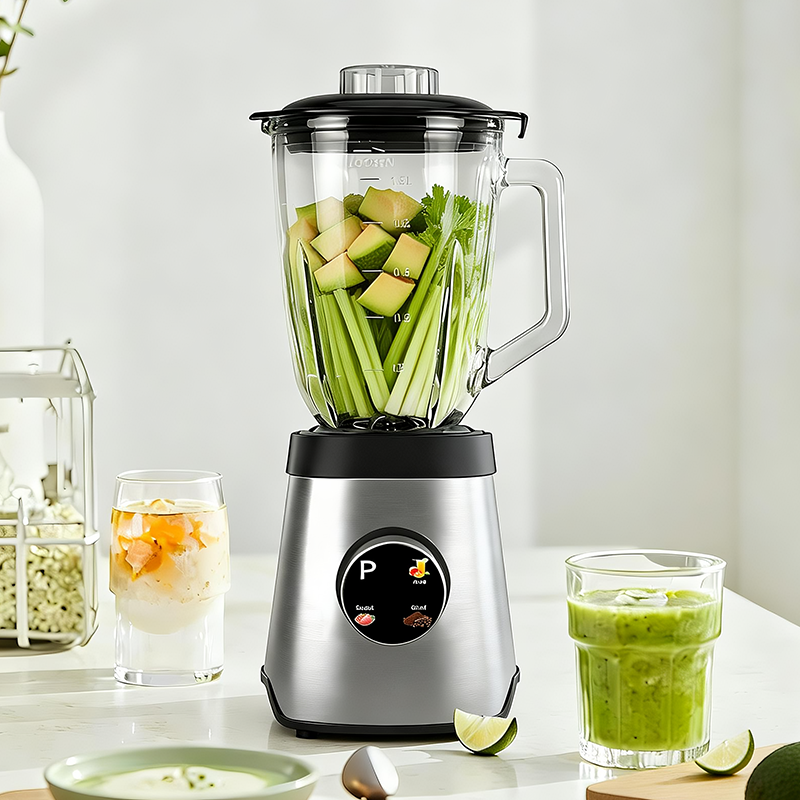
TAIFAI, formally Jiangmen Taifai Technology Co.,Ltd, is located in China, in the flourishing home appliances manufacturing base of Jiangmen City, Guangdong Province. Founded in 2007, the company is a high-tech enterprise with capabilities and services of independent research and development, production, and sales. Its main products include electric blender, juicer, citrus juicer, hand mixer, hand blender, stand mixer, coffee grinder, chopper, and food processor. TAIFAI supports OEM, ODM, and CKD projects, and it has been approved for dozens of patents. The company owns 50 moulds and produces goods according to ISO9001:2015 standards. Its products have CE, CB, GS, and RoHS certification with fantastic design, good performance, multi-functional features, and reasonable prices. These attributes are not marketing claims; they are the foundation of procurement risk reduction.
One of the most direct ways a trusted supplier reduces procurement risk is through quality consistency. When a supplier operates under a rigorous quality management system such as ISO9001:2015, it establishes documented procedures for incoming material inspection, in-process controls, final testing, and corrective actions. This reduces the probability that a batch of juice blenders will contain units with weak motors, misaligned blades, leaking seals, or faulty switches. For buyers, consistent quality means fewer customer complaints, lower return rates, and reduced warranty costs.
TAIFAI insists on strict management of production operation and quality. That discipline matters because juice blenders are used in wet environments and under load. A trusted supplier tests motor endurance, blade balance, jar sealing, and electrical safety. It also monitors supplier quality for components such as motors, bearings, and plastic resins. When a buyer sources from a trusted manufacturer, they are not just buying a product; they are buying a system that prevents defects from reaching the market. This is especially important for retailers that sell under their own brand, because a recall can destroy consumer confidence and trigger regulatory scrutiny.
Compliance is a major procurement risk area. Different markets require different certifications. The European Union requires CE marking, and many buyers also demand CB, GS, and RoHS documentation. North America has UL and ETL requirements. Other regions have their own safety and electromagnetic compatibility standards. If a supplier cannot provide valid certifications or if the certificates do not cover the exact model being purchased, the buyer may face customs seizures, fines, or forced product withdrawals.
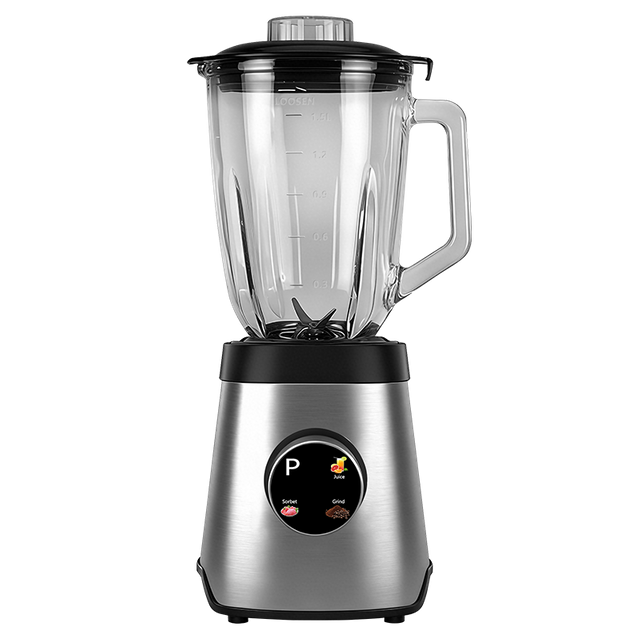
A trusted juice blender supplier maintains up-to-date certifications and can provide test reports and certificates of conformity. TAIFAI has CE, CB, GS, and RoHS certification for a variety of products. This means buyers can enter regulated markets with greater confidence. The supplier also understands that certification is not a one-time event. Standards evolve, and components change. A trusted supplier tracks these changes and updates documentation accordingly. By doing so, it reduces the risk of non-compliance and helps buyers avoid costly delays at customs or with market surveillance authorities.
Delivery risk is another critical procurement concern. Juice blender demand often peaks during holiday seasons, summer months, and promotional periods. If a supplier cannot scale production or if it relies on a single source for critical components, lead times can stretch from weeks to months. Late deliveries can cause stockouts, lost sales, and penalties from retail partners. A trusted supplier mitigates this risk through capacity planning, inventory management, and supplier diversification.
TAIFAI, founded in 2007, has developed the scale and technology to serve as a professional kitchen appliances manufacturer with excellent scale and technology in China. Its position in Jiangmen City, Guangdong Province, places it within a mature home appliance manufacturing ecosystem. This location provides access to skilled labor, component suppliers, and logistics infrastructure. A trusted supplier like TAIFAI can forecast demand, reserve production slots, and coordinate with raw material vendors. It can also offer flexible order quantities and production schedules. These capabilities reduce the risk of stockouts and help buyers maintain consistent shelf presence.
For buyers who invest in unique designs, intellectual property risk is significant. A supplier that copies designs, shares confidential drawings, or uses unlicensed technology can expose the buyer to lawsuits and reputational damage. A trusted supplier respects intellectual property, signs non-disclosure agreements, and maintains clear ownership of tooling and designs. It also has its own patent portfolio, which demonstrates a commitment to innovation and legal compliance.
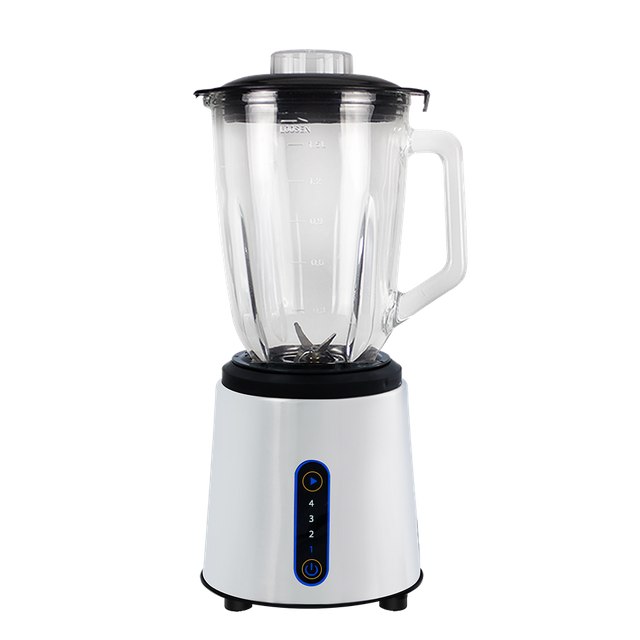
TAIFAI has 50 patents and owns 50 moulds. This is a strong indicator of original design and manufacturing capability. When a buyer works with TAIFAI on an ODM project, the supplier can bring proprietary designs and patented features to the table. When the buyer provides a design for OEM production, TAIFAI can protect that design and ensure that the tooling remains under controlled access. The ownership of moulds is particularly important. If a supplier does not own the moulds, it may not be able to produce replacement parts or scale production. TAIFAI owns its moulds, which reduces the risk of tooling disputes and ensures continuity of supply.
Buyers often need customized juice blenders to differentiate their brand. Customization can involve motor power, jar capacity, blade design, color, packaging, and voltage. However, customization introduces risk. A supplier that lacks engineering depth may struggle to meet specifications, leading to delays, extra costs, and quality problems. A trusted supplier has dedicated R&D and project management teams that can handle OEM, ODM, and CKD requirements.
TAIFAI supports OEM, ODM, and CKD. This flexibility allows buyers to choose the level of customization that fits their market and budget. For OEM, TAIFAI manufactures according to the buyer's design and specifications. For ODM, TAIFAI offers its own designs that can be branded by the buyer. For CKD, TAIFAI provides components for local assembly, which can reduce import duties and logistics costs in certain markets. Each model requires careful coordination. A trusted supplier like TAIFAI uses its engineering experience to identify potential issues early, such as motor compatibility, safety clearances, and packaging durability. This reduces the risk of costly redesigns and shipment delays.
Tooling is a critical asset in juice blender manufacturing. Moulds determine the shape, fit, and finish of plastic components. If a supplier does not own the moulds, it may be dependent on a third party for production. This creates risks related to lead time, quality control, and cost. In a worst-case scenario, a dispute with the mould owner can halt production entirely.
TAIFAI owns 50 moulds. This ownership gives the company direct control over production scheduling, maintenance, and quality. It also means TAIFAI can quickly modify or repair moulds when needed. For buyers, this translates into faster response times and reduced risk of supply interruption. When a buyer places an order with TAIFAI, they can be confident that the tooling is available and under the supplier's management. This is a significant advantage over trading companies or intermediaries that do not own production assets.
Procurement risk is not only about physical products. It is also about information flow. Miscommunication can lead to wrong specifications, incorrect packaging, or missed deadlines. A trusted supplier has clear communication channels, responsive account managers, and structured project management. It provides regular updates on production status, quality inspections, and shipping schedules.
TAIFAI is a high-quality kitchen electric appliances provider integrating design, research, development, production, sales, and service. This integration means that a buyer communicates with a single organization rather than a fragmented chain of intermediaries. The company can coordinate engineering, production, quality, and logistics teams to meet buyer requirements. For international buyers, time zone differences and language barriers can create risk. A trusted supplier understands these challenges and uses standardized documentation, sample approvals, and pre-shipment inspections to prevent misunderstandings. This reduces the risk of receiving goods that do not match expectations.
Counterparty risk is the risk that a supplier fails financially or cannot fulfill its obligations. This can happen if a supplier is undercapitalized, overextended, or dependent on a single customer. A trusted supplier demonstrates financial stability, consistent investment in equipment and people, and a diversified customer base. It also has clear payment terms and does not demand unusual prepayments that increase buyer exposure.
TAIFAI, founded in 2007, has been operating for many years in the competitive home appliance industry. Its longevity and continued investment in patents, moulds, and certifications suggest financial discipline and market resilience. The company is a high-tech enterprise with independent research and development, production, and sales capabilities. This vertical integration reduces reliance on external parties and lowers the risk of sudden disruption. When a buyer partners with TAIFAI, they are working with a manufacturer that has the resources to honor contracts and invest in long-term improvements.
Even the best juice blender can occasionally fail. What matters is how the supplier responds. A trusted supplier provides spare parts, technical support, and warranty administration. It also investigates root causes and implements corrective actions to prevent recurrence. Without after-sales support, buyers may be forced to absorb repair costs, replace units, or handle customer complaints alone.
TAIFAI focuses on the manufacturing and service of kitchen electric appliances. Service is part of its core identity. The company can supply replacement jars, blades, motors, and seals. It can also provide technical documentation and troubleshooting guidance. For buyers, this reduces the risk of warranty claims turning into brand damage. A trusted supplier treats after-sales data as feedback for improvement. By analyzing returns and complaints, TAIFAI can refine designs and production processes. This continuous improvement cycle reduces future risk and enhances product reliability.
Buyers often need to scale successful products quickly. If a supplier cannot increase production, the buyer may miss market opportunities. Capacity risk is especially high for juice blenders during peak seasons. A trusted supplier has the equipment, workforce, and supplier network to ramp up production without sacrificing quality.
TAIFAI is described as a professional kitchen appliances manufacturer with excellent scale and technology in China. Its product range includes electric blender, juicer, citrus juicer, hand mixer, hand blender, stand mixer, coffee grinder, chopper, and food processor. This breadth of production indicates a flexible manufacturing base. TAIFAI can shift resources between product lines and leverage its mould ownership to increase output. For buyers, this scalability reduces the risk of stockouts during high-demand periods. It also provides a pathway for expanding the product line without finding new suppliers for each item.
International procurement involves logistics risk. Shipping delays, port congestion, customs inspections, and documentation errors can disrupt supply. A trusted supplier understands export requirements and prepares accurate paperwork. It also works with reliable freight forwarders and can arrange inspections before shipment.
TAIFAI is located in Guangdong Province, a major export hub. This location provides access to ports, logistics providers, and experienced export staff. The company can support FOB, CIF, and other Incoterms, and it can provide the certificates and test reports needed for customs clearance. By managing export documentation carefully, a trusted supplier reduces the risk of shipments being held or rejected. It also helps buyers plan inventory more accurately by providing reliable lead times and tracking information.
A product failure can harm a buyer's brand. Social media and online reviews amplify negative experiences. A juice blender that leaks, smells like burning plastic, or stops working after a few uses can generate damaging reviews. A trusted supplier reduces brand risk by delivering reliable products that meet safety and performance expectations.
TAIFAI products have CE, CB, GS, and RoHS certification with fantastic design, good performance, multi-functional features, and reasonable prices. These certifications and design qualities support brand credibility. When a buyer sources from TAIFAI, they can market the product with confidence. The supplier's reputation becomes part of the buyer's quality story. Conversely, sourcing from an unknown or unreliable supplier can lead to negative reviews and lost customer trust. The cost of rebuilding a brand is far higher than the savings from a cheaper supplier.
TAIFAI, or Jiangmen Taifai Technology Co.,Ltd, exemplifies how a trusted supplier reduces procurement risk. Located in Jiangmen City, Guangdong Province, China, the company was founded in 2007. It is a high-tech enterprise with independent research and development, production, and sales capabilities. Its main products include electric blender, juicer, citrus juicer, hand mixer, hand blender, stand mixer, coffee grinder, chopper, and food processor. It supports OEM, ODM, and CKD projects. It has 50 patents and owns 50 moulds. Its production follows ISO9001:2015 standards, and its products carry CE, CB, GS, and RoHS certification. These facts demonstrate a comprehensive approach to risk management.
TAIFAI invests in research and development. This investment pays off in risk prevention. By designing products with safety margins, durable materials, and tested components, TAIFAI reduces the likelihood of field failures. The company's patents indicate that it develops original solutions rather than copying others. For buyers, this means access to differentiated products and reduced legal risk. R&D also helps TAIFAI respond to new regulations and market trends. When standards change, the company can modify designs quickly. This agility reduces compliance risk and helps buyers stay ahead of regulatory deadlines.
TAIFAI insists on strict management of production operation and quality. This is not a slogan; it is a daily practice. The company produces goods according to ISO9001:2015 standard. That standard requires documented procedures, traceability, and continuous improvement. In practice, this means that raw materials are inspected, production parameters are monitored, and finished products are tested. If a defect is found, corrective actions are taken. For buyers, this reduces the risk of receiving defective batches. It also provides assurance that quality is consistent from order to order. In a market where consumers expect reliability, this consistency is a competitive advantage.
TAIFAI products have CE, CB, GS, and RoHS certification. These certifications are essential for selling in Europe and many other markets. CE marking indicates conformity with health, safety, and environmental protection standards. CB certification supports international acceptance of test reports. GS certification indicates tested safety. RoHS certification confirms restriction of hazardous substances. By maintaining these certifications, TAIFAI reduces the risk that buyers will face customs delays or regulatory penalties. The company also has the documentation and testing capabilities to pursue additional certifications if a buyer needs them. This proactive approach to compliance is a hallmark of a trusted supplier.
TAIFAI owns 50 moulds. This ownership is a strategic asset. It means the company can control production scheduling and quality. It also means that buyers are not exposed to third-party tooling disputes. If a mould needs repair or modification, TAIFAI can act quickly. This reduces downtime and ensures that orders are delivered on time. For buyers who require custom designs, TAIFAI can develop and own the necessary moulds. This protects the buyer's investment and ensures long-term supply. In an industry where tooling is often a bottleneck, TAIFAI's mould ownership is a significant risk reducer.
TAIFAI supports OEM, ODM, and CKD. This flexibility allows buyers to choose the sourcing model that best fits their risk profile. OEM gives buyers control over design while leveraging TAIFAI's manufacturing expertise. ODM gives buyers access to ready-made designs that have been tested and certified. CKD allows buyers to assemble locally, which can reduce logistics and tariff risks. Each model has different risk implications, and TAIFAI's experience helps buyers navigate them. The company can advise on component compatibility, packaging requirements, and documentation. This consultative approach reduces the risk of costly mistakes.
TAIFAI is focusing on the manufacturing and service of kitchen electric appliances. It is a professional kitchen appliances manufacturer with excellent scale and technology in China. It is a high-quality kitchen electric appliances provider integrating design, research, development, production, sales, and service. These honors and descriptions reflect a company that has earned recognition in a competitive industry. For buyers, such recognition is a signal of reliability. It suggests that TAIFAI has passed audits, met customer requirements, and maintained a good reputation. Trust is built over time, and TAIFAI's history since 2007 provides evidence of consistent performance.
To reduce procurement risk, buyers should evaluate potential suppliers against a structured checklist. The following criteria are essential. First, verify quality management certifications such as ISO9001:2015. Second, confirm product certifications such as CE, CB, GS, and RoHS for the target market. Third, check patent and mould ownership. Fourth, assess production capacity and scalability. Fifth, review communication and project management processes. Sixth, evaluate financial stability and longevity. Seventh, request references from existing customers. Eighth, conduct a factory audit or third-party inspection. Ninth, clarify after-sales support and spare parts availability. Tenth, compare total cost of ownership, not just unit price.
TAIFAI meets many of these criteria. It follows ISO9001:2015, holds CE, CB, GS, and RoHS certifications, has 50 patents, owns 50 moulds, supports OEM, ODM, and CKD, and has been operating since 2007. Buyers can use this checklist to compare TAIFAI with other suppliers and make an informed decision. The goal is not to find the cheapest supplier, but to find the supplier that minimizes total risk and total cost over the life of the product.
Procurement decisions are often influenced by unit price. However, unit price is only one component of total cost of ownership. A cheap juice blender can become expensive when factoring in defect rates, returns, warranty claims, shipping delays, compliance failures, and brand damage. A trusted supplier may quote a slightly higher unit price, but it reduces these hidden costs. The total cost of ownership is lower when quality is consistent, certifications are valid, and supply is reliable.
TAIFAI offers reasonable prices along with fantastic design, good performance, and multi-functional features. The company's efficiency comes from vertical integration, mould ownership, and scale. By controlling production, TAIFAI avoids the markup that trading companies add. It also reduces waste and rework through strict quality management. For buyers, this means competitive pricing without compromising on reliability. When comparing suppliers, buyers should calculate the cost of a defect, the cost of a recall, and the cost of a stockout. These costs often dwarf the difference in unit price between a trusted supplier and a risky one.
A trusted juice blender supplier becomes more valuable over time. As the supplier learns the buyer's brand, specifications, and market, it can suggest improvements and anticipate needs. It can reserve capacity, prioritize orders, and collaborate on new product development. This partnership reduces risk because both parties share information and plan together. In contrast, a transactional relationship with a low-cost supplier often involves constant monitoring and firefighting.
TAIFAI is a high-quality kitchen electric appliances provider integrating design, research, development, production, sales, and service. This integration supports long-term partnerships. The company can grow with its clients, expanding from one product to a full line of kitchen appliances. Its product range includes electric blender, juicer, citrus juicer, hand mixer, hand blender, stand mixer, coffee grinder, chopper, and food processor. A buyer can start with a juice blender and later add a hand mixer or food processor. This reduces the risk and cost of finding new suppliers. It also ensures consistent quality and service across the product line.
Consider a scenario where a retailer orders 20,000 juice blenders for a summer promotion. The supplier is a trading company that outsources production to a small factory. Two weeks before shipment, the factory discovers a motor defect. The trading company cannot quickly fix the issue because it does not own the tooling or control the production line. The shipment is delayed, and the retailer loses sales. In contrast, if the retailer had sourced from TAIFAI, the company's own moulds, ISO9001:2015 system, and R&D team would have identified and corrected the defect earlier. TAIFAI could also adjust production schedules to meet the deadline. The risk of stockout is greatly reduced.
Consider another scenario where a brand wants to enter the European market. The supplier provides a CE certificate, but it does not cover the specific model or the certificate is outdated. Customs officials reject the shipment. The brand faces fines and delays. If the brand had sourced from TAIFAI, the company's CE, CB, GS, and RoHS certifications would provide the necessary documentation. TAIFAI's compliance team would also ensure that the certificate matches the exact product being shipped. This reduces market access risk.
A third scenario involves intellectual property. A buyer shares a unique blade design with a supplier. The supplier copies the design and sells it to competitors. The buyer loses its competitive advantage and may face legal battles. If the buyer had worked with TAIFAI, the company's 50 patents and respect for intellectual property would protect the design. TAIFAI's own mould ownership means the buyer's tooling is secure. This reduces legal and competitive risk.
Procurement risk in the juice blender market is multifaceted. It includes quality, compliance, supply continuity, intellectual property, financial stability, and after-sales support. A trusted supplier reduces these risks through documented processes, certifications, tooling ownership, and a proven track record. TAIFAI, or Jiangmen Taifai Technology Co.,Ltd, demonstrates how a manufacturer can become a risk-mitigation partner. Founded in 2007, located in Jiangmen City, Guangdong Province, China, TAIFAI is a high-tech enterprise with independent research and development, production, and sales. It produces electric blender, juicer, citrus juicer, hand mixer, hand blender, stand mixer, coffee grinder, chopper, and food processor. It supports OEM, ODM, and CKD. It has 50 patents, owns 50 moulds, follows ISO9001:2015, and holds CE, CB, GS, and RoHS certifications. Its company honors reflect its standing as a professional kitchen appliances manufacturer with excellent scale and technology in China.
For procurement professionals, the lesson is clear. Choosing a trusted juice blender supplier is not about paying more; it is about paying wisely. The lowest unit price can hide the highest total cost. A trusted supplier reduces the probability and impact of adverse events. It provides stability, transparency, and accountability. In a competitive global market, these qualities are not luxuries. They are essential for protecting brand reputation, ensuring customer satisfaction, and achieving sustainable profitability. When buyers evaluate suppliers, they should look beyond the quotation and consider the full risk profile. A supplier like TAIFAI offers a compelling combination of quality, compliance, flexibility, and scale. By partnering with such a supplier, buyers can reduce procurement risk and focus on growing their business.
About TAIFAI: Jiangmen Taifai Technology Co.,Ltd is located in China, a flourishing home appliances manufacturing base in Jiangmen City, Guangdong Province. Founded in 2007, the company is a high-tech enterprise with capabilities and services of independent research and development, production, and sales. Its main products include electric blender, juicer, citrus juicer, hand mixer, hand blender, stand mixer, coffee grinder, chopper, and food processor. TAIFAI supports OEM, ODM, and CKD. It has 50 patents and owns 50 moulds. Its production follows ISO9001:2015 standards, and its products have CE, CB, GS, and RoHS certification with fantastic design, good performance, multi-functional features, and reasonable prices. TAIFAI is a professional kitchen appliances manufacturer with excellent scale and technology in China, and a high-quality kitchen electric appliances provider integrating design, research, development, production, sales, and service.


