


This article examines why a specialized electric blenders manufacturer improves quality control. Specialization allows a manufacturer to develop deep domain expertise, invest in dedicated equipment, build reliable supply chains, implement standardized processes, and innovate continuously. These factors lead to lower defect rates, higher consistency, and greater customer trust. The article uses Jiangmen Taifai Technology Co., Ltd (TAIFAI) as a case study. Founded in 2007 in Jiangmen City, Guangdong Province, China, TAIFAI is a high-tech enterprise focused on kitchen electric appliances. Its products include electric blenders, juicers, hand mixers, and food processors. The company supports OEM/ODM/CKD, holds 50 patents and 50 own moulds, follows ISO9001:2015, and has CE/CB/GS/RoHS certifications. By specializing, TAIFAI can implement strict production management, comprehensive testing, and patent-driven design. The article compares specialized versus general manufacturers and highlights benefits for OEM/ODM clients, such as faster time to market, lower costs, and higher quality. Ultimately, specialization in electric blender manufacturing leads to superior quality control, which enhances brand reputation and customer loyalty.
In the competitive landscape of small kitchen appliances, quality control is not just a box to check; it is the cornerstone of brand reputation, customer satisfaction, and long-term profitability. For electric blenders, juicers, and mixers, consumers expect durability, safety, and consistent performance. Yet achieving such reliability at scale is a complex endeavor. This is where the role of a specialized manufacturer becomes pivotal. A company that focuses exclusively on a narrow product category, such as electric blenders, can implement quality control measures that are deeper, more precise, and more effective than those of a generalist manufacturer. This article explores the reasons behind this phenomenon, using the example of Jiangmen Taifai Technology Co., Ltd (TAIFAI), a Chinese high-tech enterprise, to illustrate how specialization drives superior quality control.
Specialization in manufacturing means that a company dedicates its resources, expertise, and production lines to a specific type of product or a closely related product family. Instead of producing a wide array of unrelated goods, a specialized manufacturer concentrates on mastering every nuance of a particular domain. For electric blenders, this includes understanding motor dynamics, blade geometry, jar materials, sealing mechanisms, electronic controls, and user safety. When a manufacturer narrows its focus, it can invest more heavily in research and development, acquire specialized machinery, and train its workforce to exceptional standards. This depth of knowledge directly translates into better quality control because the manufacturer knows exactly what can go wrong and how to prevent it.
Generalist manufacturers, by contrast, often spread their resources thin. They may produce everything from toasters to fans, and while they can achieve acceptable quality, they rarely reach the level of precision and consistency that a specialist can. The reason is simple: quality control is not a one-size-fits-all process. Each product category has unique failure modes, tolerances, and regulatory requirements. A specialist builds its entire quality management system around those specifics, creating a culture of continuous improvement that is hard to replicate in a diversified operation.
undefined
To appreciate why specialization improves quality control, it is helpful to examine the challenges that general manufacturers face. First, there is the issue of inconsistent supply chains. A general manufacturer may source components from many different suppliers for many different products. This increases the risk of receiving substandard parts, as the manufacturer cannot develop deep relationships with every supplier. Second, production lines must be flexible, switching between different products frequently. Each changeover introduces opportunities for error, from misaligned settings to contaminated materials. Third, quality control personnel must be knowledgeable about a wide range of products, which dilutes their expertise. Fourth, testing protocols must be broad, often relying on generic standards rather than product-specific ones. These challenges make it difficult to achieve the tight tolerances and high reliability that consumers expect from a premium electric blender.
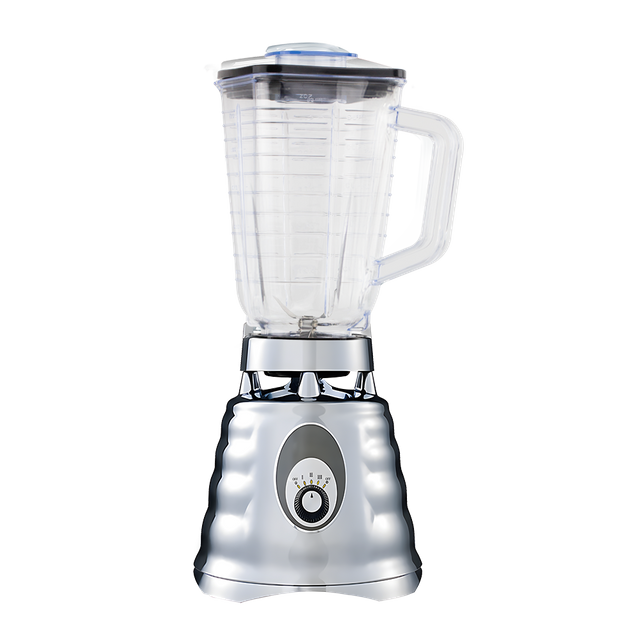
Specialized manufacturers avoid these pitfalls by focusing on a single product family. They can build long-term partnerships with a small number of trusted suppliers who understand the exact specifications required. They can dedicate production lines to specific models, minimizing changeovers. Their quality control staff become true experts in the nuances of electric blenders, able to spot defects that a generalist would miss. And they can develop custom testing procedures that simulate real-world use more accurately. In short, specialization allows for a level of control that is simply not possible when a company tries to be everything to everyone.
The relationship between specialization and quality control can be broken down into several key mechanisms. Each mechanism contributes to a virtuous cycle where better quality leads to more expertise, which in turn leads to even better quality.
When a manufacturer specializes in electric blenders, its engineers and technicians develop an intimate understanding of every component. They know how motor windings behave under different loads, how blade sharpness affects blending efficiency, and how jar materials interact with acidic ingredients. This expertise allows them to set tighter tolerances and to identify potential failure points before they become problems. For example, a specialist might discover that a particular bearing fails after 500 hours of use, and then redesign the assembly to extend its life to 2000 hours. A generalist, lacking that focused knowledge, might never notice the issue until customers complain. At TAIFAI, this depth of expertise is evident in the company's 50 patents, which cover innovations in blade design, motor cooling, and safety interlocks. These patents are not just marketing tools; they represent a deep understanding of what makes a blender work well and last long.
Specialized manufacturers invest in equipment that is tailored to their product. For electric blenders, this might include precision injection molding machines for jars, automated winding machines for motors, and custom testing rigs that simulate thousands of blending cycles. Because the equipment is dedicated, it can be calibrated more precisely and maintained more rigorously. In contrast, a general manufacturer might use the same molding machine for blender jars and for food processor bowls, leading to compromises in settings. TAIFAI, for instance, owns 50 moulds that are specifically designed for its blender and juicer components. These moulds are not shared with unrelated products, which means they can be optimized for the exact plastic flow, cooling time, and dimensional stability required for a leak-proof jar. The result is a higher yield of defect-free parts and a more consistent final product.
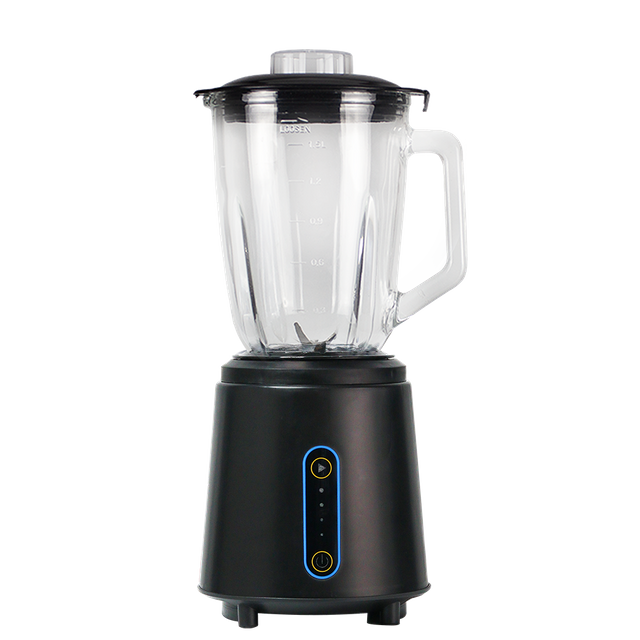
A specialized manufacturer can build a supply chain that is deeply integrated and highly reliable. Instead of juggling dozens of suppliers for hundreds of parts, the specialist works with a select group of vendors who are experts in their own fields, such as motor manufacturing or food-grade plastics. These suppliers can be held to stricter quality standards because the volume of business is significant and the relationship is long-term. TAIFAI, for example, sources its motors from suppliers who specialize in high-torque, low-noise motors for kitchen appliances. Because TAIFAI orders large quantities of a specific motor model, the supplier is willing to customize the motor to TAIFAI's exact specifications, including winding wire gauge, bearing type, and thermal protection. This level of customization is rarely available to a generalist manufacturer who orders smaller, less predictable volumes. The result is a motor that is more reliable, more efficient, and easier to control during assembly.
Specialization makes it easier to implement and maintain standardized processes. When a factory produces only electric blenders and similar items, it can develop detailed work instructions for every step, from soldering to final assembly. These instructions can be refined over years, incorporating lessons learned from thousands of production runs. Moreover, the manufacturer can pursue certifications that are specific to its product category. TAIFAI's products have earned CE, CB, GS, and RoHS certifications, which demonstrate compliance with European safety, health, and environmental standards. Achieving these certifications requires a rigorous quality management system, and maintaining them requires ongoing audits and testing. A generalist manufacturer might struggle to keep up with the different certification requirements for each product line, but a specialist can embed these requirements into its daily operations. TAIFAI's adherence to the ISO9001:2015 standard further underscores its commitment to consistent quality management. This international standard provides a framework for continuous improvement, and because TAIFAI focuses on kitchen electric appliances, it can tailor the framework to the specific risks and opportunities of that domain.
Specialized manufacturers are inherently more innovative because they can dedicate research and development resources to a narrow field. They can experiment with new materials, new motor designs, and new safety features without worrying about how those changes might affect unrelated products. This innovation often leads to quality improvements that are not just incremental but transformative. For example, a specialist might develop a new blade geometry that blends frozen fruit more smoothly while drawing less power, reducing the risk of motor burnout. Or they might create a new sealing system that prevents leaks even after years of use. TAIFAI's 50 patents are a testament to this innovative spirit. Each patent represents a solution to a specific quality or performance challenge, and together they create a product that is greater than the sum of its parts. Because the company is focused, it can rapidly iterate on designs, test them thoroughly, and roll out improvements across its entire product line. This agility is a powerful quality control tool.
To see these principles in action, consider the example of Jiangmen Taifai Technology Co., Ltd, known as TAIFAI. Located in Jiangmen City, Guangdong Province, China, a flourishing home appliances manufacturing base, TAIFAI was founded in 2007. It is a high-tech enterprise with capabilities and services of independent research and development, production, and sales. The company's main products include electric blenders, juicers, citrus juicers, hand mixers, hand blenders, stand mixers, coffee grinders, choppers, and food processors. This product portfolio is tightly focused on kitchen electric appliances, which allows TAIFAI to specialize while still offering a range of related items. The company supports OEM, ODM, and CKD arrangements, meaning it can serve as a manufacturing partner for brands around the world. Its 50 patents and 50 own moulds are tangible evidence of its specialized capabilities.
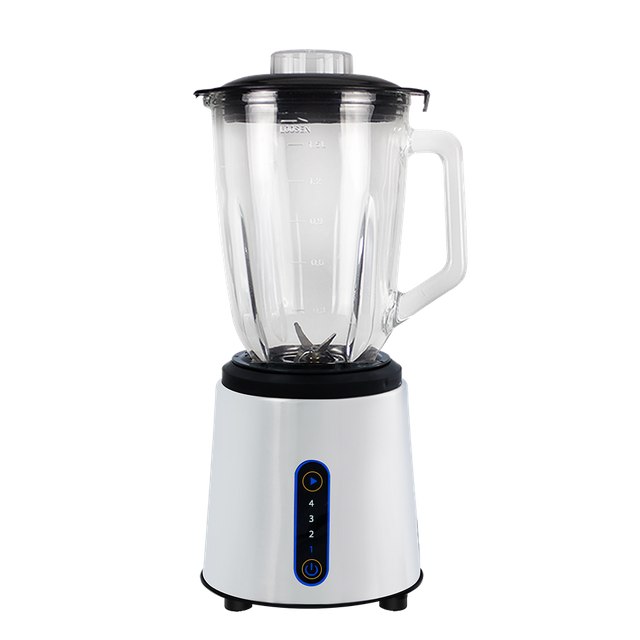
TAIFAI's production of goods follows the ISO9001:2015 standard, and the company insists on strict management of production operation and quality. A variety of its products have CE, CB, GS, and RoHS certification, combining fantastic design, good performance, multi-functionality, and reasonable price. The company honors reflect its focus: TAIFAI is a professional kitchen appliances manufacturer with excellent scale and technology in China. It is a high-quality kitchen electric appliances provider integrating design, research, development, production, sales, and service. This integration is crucial for quality control because it means that every stage of the product lifecycle, from initial concept to after-sales support, is under the company's direct control. There are no handoffs to third parties that could introduce variability or miscommunication.
The location of TAIFAI in Jiangmen City is also significant. Guangdong Province is a hub for home appliance manufacturing, with a mature ecosystem of suppliers, skilled labor, and logistics infrastructure. Being in this cluster gives TAIFAI access to specialized components and services that might be harder to find elsewhere. For example, the region has many companies that specialize in food-grade plastics, precision metal stamping, and electronic control boards. TAIFAI can leverage these local resources to maintain high quality while keeping costs competitive. Moreover, the concentration of similar manufacturers fosters a culture of quality improvement, as companies benchmark against each other and share best practices through industry associations.
TAIFAI's specialization allows it to implement a range of quality control measures that are both rigorous and efficient. These measures cover every stage of production, from incoming materials to final shipment.
One of TAIFAI's key strengths is its in-house mould development. The company owns 50 moulds, which are used to produce components such as blender jars, lids, blades, and housings. Because these moulds are developed and maintained internally, TAIFAI has complete control over their quality. It can ensure that each mould is made from high-grade steel, that it is machined to precise tolerances, and that it is regularly inspected for wear. When a mould begins to degrade, TAIFAI can repair or replace it immediately, preventing the production of out-of-spec parts. This level of control is rarely possible for a general manufacturer that outsources mould making to third parties. Outsourcing introduces delays, communication gaps, and potential compromises in quality. By keeping mould development in-house, TAIFAI can also iterate quickly on designs. If a new blade design requires a tweak to the mould, the company's engineers can make the change and test it within days, rather than weeks. This agility directly improves quality because it allows for rapid problem-solving and continuous refinement.
TAIFAI's 50 patents are not just legal assets; they are blueprints for quality. Each patent represents a unique solution to a design or engineering challenge. For instance, a patent might cover a new way to attach the blade to the motor shaft, reducing vibration and noise. Another might describe a safety interlock that prevents the blender from running unless the lid is securely locked. These patented features are integrated into the product from the ground up, rather than being added as afterthoughts. Because TAIFAI owns the intellectual property, it can ensure that these features are manufactured to exact specifications without licensing conflicts or third-party variations. The patents also serve as a quality benchmark: any deviation from the patented design is immediately flagged as a potential defect. This makes quality control more objective and traceable.
TAIFAI insists on strict management of production operation and quality. This means that every production line has clear standard operating procedures (SOPs) that are derived from years of experience. Workers are trained not only on how to assemble a blender but also on why each step matters. For example, they learn that a certain torque specification for a screw is critical to prevent leaks, or that a particular adhesive must be applied within a specific time window to ensure a strong bond. Supervisors conduct regular audits to ensure that SOPs are followed, and any deviation is recorded and corrected. The company also uses statistical process control (SPC) to monitor key parameters such as motor speed, blade balance, and electrical insulation. When a parameter drifts outside its control limits, the line is stopped, and the root cause is investigated. This proactive approach prevents defects from being produced in the first place, rather than relying on final inspection to catch them.
Every TAIFAI product undergoes comprehensive testing before it leaves the factory. This includes functional tests (does the blender blend?), safety tests (does it stop when the lid is removed?), durability tests (does it survive 1000 cycles of use?), and environmental tests (does it operate safely at different voltages?). The company also submits its products to independent laboratories for certification. The CE, CB, GS, and RoHS certifications are not just stickers; they represent a thorough evaluation of the product's compliance with European directives. For example, the GS mark indicates that a product has been tested for safety by a recognized third-party agency. The CB scheme facilitates international trade by harmonizing safety standards. RoHS restricts the use of hazardous substances. By achieving these certifications, TAIFAI demonstrates that its quality control system is robust enough to meet some of the world's most stringent requirements. Moreover, the certification process itself helps TAIFAI identify areas for improvement, as the auditors often provide valuable feedback.
The advantages of specialization become even clearer when comparing a specialized manufacturer like TAIFAI with a generalist. The following list summarizes the key differences in quality control outcomes.
These differences are not trivial. In the electric blender market, where consumers can choose from dozens of brands, quality is often the deciding factor. A blender that leaks, overheats, or fails after a few months will generate negative reviews and returns. A blender that works flawlessly for years will generate repeat purchases and referrals. For OEM and ODM clients, the stakes are even higher. They are entrusting their brand reputation to the manufacturer. A specialized manufacturer like TAIFAI can provide the assurance that every unit will meet the client's specifications and the end user's expectations.
For brands that outsource production, choosing a specialized manufacturer offers numerous benefits. TAIFAI's support for OEM, ODM, and CKD is a case in point. Here are some of the advantages that clients enjoy.
These benefits are not just theoretical. TAIFAI's clients, many of whom are well-known brands in Europe and North America, have come to rely on the company's consistent quality and ability to deliver on time. The company's 50 patents and 50 own moulds give it a unique ability to offer both standard and customized solutions. Whether a client needs a simple citrus juicer or a high-performance blender with multiple speeds and pulse functions, TAIFAI can deliver a product that meets the highest standards.
Quality control is not just about avoiding defects; it is about building trust. When a consumer buys an electric blender, they are making an investment. They expect it to work every time they use it. If it fails, they may not only return the product but also avoid the brand in the future. In the age of social media and online reviews, a single bad experience can be amplified to thousands of potential customers. Therefore, the quality control practices of the manufacturer have a direct impact on the brand's reputation. A specialized manufacturer like TAIFAI understands this and treats quality as a non-negotiable priority. By focusing on kitchen electric appliances, TAIFAI has developed a reputation for excellence that benefits its clients. When a brand sources from TAIFAI, it can be confident that the product will uphold its own reputation. This trust is the foundation of long-term partnerships. Over time, as the manufacturer continues to innovate and improve, the brand can expand its product line with confidence, knowing that quality will remain consistent.
Moreover, specialization allows for better feedback loops. Because TAIFAI only makes kitchen appliances, it can gather data from a large number of similar products and use that data to identify trends. For example, if a particular motor model starts showing a higher failure rate after two years, TAIFAI can quickly trace the issue, notify clients, and implement a fix. A generalist manufacturer might not notice the trend because its data is scattered across different product categories. This ability to learn and adapt is a powerful competitive advantage.
In conclusion, a specialized electric blenders manufacturer improves quality control through deep domain expertise, dedicated equipment, refined supply chain management, standardized processes, and continuous innovation. These factors combine to create a production environment where defects are prevented rather than detected, and where quality is built into every step. Jiangmen Taifai Technology Co., Ltd (TAIFAI) exemplifies these principles. Founded in 2007 in Jiangmen City, Guangdong Province, China, TAIFAI is a high-tech enterprise that focuses on kitchen electric appliances. Its 50 patents, 50 own moulds, ISO9001:2015 certification, and CE/CB/GS/RoHS approvals are proof of its commitment to quality. By supporting OEM, ODM, and CKD, TAIFAI helps brands around the world deliver reliable products to consumers. For any brand seeking a manufacturing partner for electric blenders, juicers, mixers, or food processors, a specialized manufacturer like TAIFAI offers a level of quality control that generalists simply cannot match. The evidence is clear: specialization drives quality, and quality drives success.
For more information about TAIFAI and its product range, interested parties are encouraged to contact the company directly. Its team of experts is ready to discuss how its specialized capabilities can meet specific needs.


