


This article explains why a reliable juicer OEM manufacturer is essential for reducing launch risk. It examines the hidden risks in juicer launches, including regulatory delays, quality failures, supply chain disruptions, intellectual property conflicts, cost overruns, and missed market windows. It then describes what makes a manufacturer reliable, such as longevity, independent research and development, production scale, quality management, certifications, mould ownership, patents, and flexible partnership models. The article uses Jiangmen Taifai Technology Co.,Ltd, known as TAIFAI, as an example. Founded in 2007 and located in Jiangmen City, Guangdong Province, China, TAIFAI is a high-tech enterprise with capabilities and services of independent research and development, production, and sales. Its main products include electric blender, juicer, citrus juicer, hand mixer, hand blender, stand mixer, coffee grinder, chopper, and food processor. TAIFAI supports OEM, ODM, and CKD. It has 50 patents and 50 own moulds. It produces goods according to ISO9001:2015 standard and insists on strict management of production operation and quality. Its products have CE, CB, GS, and RoHS certification. The article also provides evaluation criteria, red flags, green flags, and a lifecycle view of risk mitigation. It concludes that choosing a reliable OEM manufacturer is a strategic decision that protects brand reputation, ensures compliance, controls costs, accelerates time-to-market, and supports long-term growth. TAIFAI illustrates how a professional kitchen appliances manufacturer with excellent scale and technology can integrate design, research, development, production, sales, and service to reduce launch risk for brand owners, retailers, and distributors.
Launching a new juicer into a competitive market is an exciting but risky endeavor. Brands invest heavily in design, marketing, distribution, and inventory, yet many launches fail because of issues that originate far upstream in the manufacturing process. A reliable juicer OEM manufacturer reduces launch risk by providing stable production, proven quality systems, regulatory compliance, and flexible partnership models. For companies that want to avoid costly recalls, delayed shipments, and reputational damage, the choice of an OEM partner is not a procurement detail. It is a strategic decision that can determine whether a product line succeeds or fails.
Jiangmen Taifai Technology Co.,Ltd, known as TAIFAI, illustrates how a mature OEM manufacturer can act as a risk-reduction engine. Located in China, in the flourishing home appliances manufacturing base of Jiangmen City, Guangdong Province, TAIFAI was founded in 2007 and has grown into a high-tech enterprise with capabilities and services of independent research and development, production, and sales. Its experience across electric blenders, juicers, citrus juicers, hand mixers, hand blenders, stand mixers, coffee grinders, choppers, and food processors gives it a deep understanding of the small kitchen appliance category. That understanding translates directly into lower launch risk for brand owners, retailers, and distributors.
Many brand owners focus on the visible parts of a launch: packaging, pricing, advertising, and retail placement. However, the invisible risks are often more dangerous. A juicer is a motor-driven appliance that combines electrical components, mechanical parts, food-contact materials, and user safety requirements. If any of these elements is poorly controlled, the consequences can be severe.
undefined
Juicers sold in different markets must meet different standards. The European Union requires CE marking, and many buyers demand CB, GS, and RoHS documentation. North America has UL and ETL requirements. Other regions have their own safety, electromagnetic compatibility, and environmental rules. If an OEM manufacturer does not have established certification experience, the launch can be delayed by months or blocked entirely. A reliable OEM manufacturer maintains certified products and knows how to prepare documentation, samples, and test reports for new models. TAIFAI, for example, has products approved with CE, CB, GS, and RoHS certification, which reduces the compliance burden for its partners.
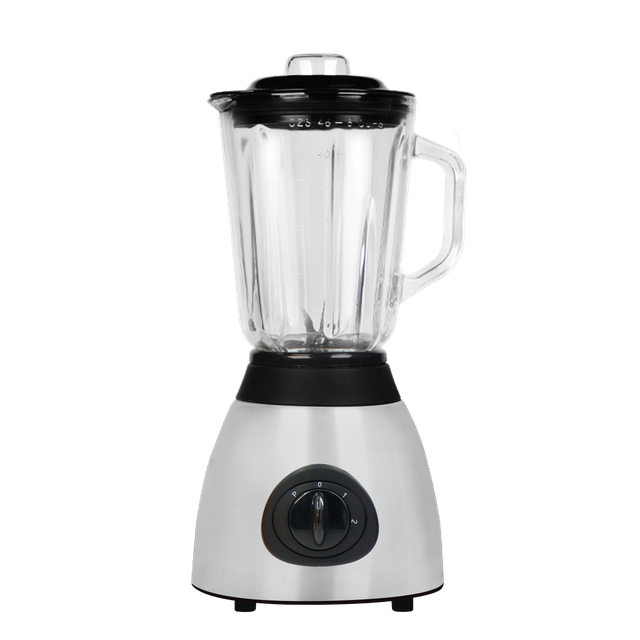
Juicers are used daily in homes, cafes, and small businesses. A motor that overheats, a blade that dulls quickly, or a seal that leaks can generate returns, negative reviews, and warranty claims. Quality failures are especially damaging during a launch because early reviews shape consumer perception. A reliable OEM manufacturer uses strict production management and quality control systems. TAIFAI produces goods according to the ISO9001:2015 standard, which provides a framework for consistent quality across batches. That consistency is essential when a brand scales from a pilot order to mass production.
Late delivery can ruin a launch. If a container misses a seasonal window, the product may sit in a warehouse while competitors capture demand. Supply chain disruptions can come from raw material shortages, component delays, labor issues, or poor production planning. An OEM manufacturer with scale, established supplier relationships, and in-house mould capabilities can absorb these shocks more effectively. TAIFAI owns 50 moulds and has dozens of patents, which means it controls critical parts of the production process rather than relying entirely on external tooling providers.
Product differentiation is a major goal for many brands. If an OEM manufacturer lacks original design capabilities, the brand may receive a generic product that is difficult to protect. Worse, the manufacturer may sell similar designs to competitors. A reliable OEM partner respects intellectual property, offers ODM services, and can help secure patents or exclusive designs. TAIFAI has 50 patents and 50 own moulds, demonstrating a commitment to original development and protected manufacturing assets.
Launch budgets are tight. Unexpected tooling costs, engineering changes, or low production yields can erode margins. A reliable OEM manufacturer provides transparent quotations, stable pricing, and value engineering. TAIFAI focuses on fantastic design, good performance, multi-functional products, and reasonable prices. That combination allows brand owners to plan their margins with greater confidence.
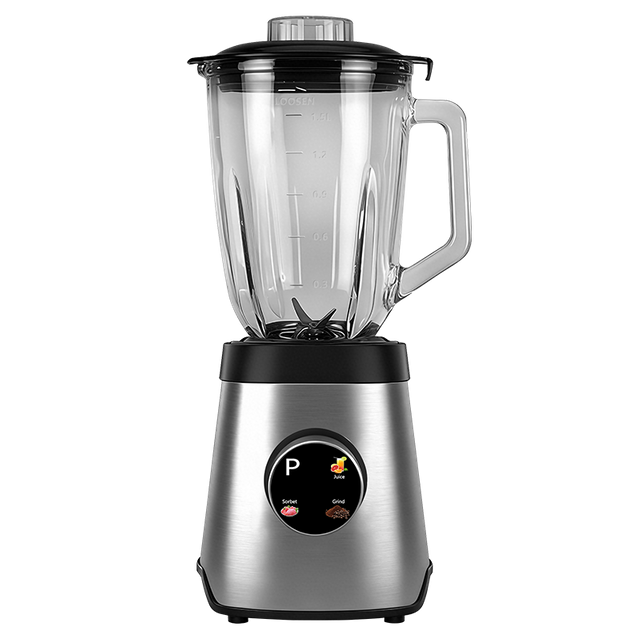
Reliability is not a single attribute. It is a combination of experience, systems, capabilities, and culture. When evaluating a juicer OEM manufacturer, brand owners should look beyond the sales presentation and examine the foundations of the business.
A manufacturer that has operated for many years has survived market cycles, quality challenges, and regulatory changes. TAIFAI was founded in 2007, giving it more than a decade of experience in kitchen electric appliances. That longevity provides institutional knowledge about motor design, blade geometry, sealing systems, user safety, and mass production. New manufacturers may offer lower prices, but they often lack the process maturity to handle complex launches.
OEM manufacturing is not just copying a drawing. It involves design for manufacturing, material selection, motor tuning, safety testing, and packaging optimization. A reliable OEM manufacturer has an independent research and development team that can turn a concept into a production-ready product. TAIFAI is a high-tech enterprise with capabilities and services of independent research and development, production, and sales. This means it can support customers from the earliest idea through final shipment.
Scale matters because it affects cost, lead time, and flexibility. A manufacturer with excellent scale and technology can handle both small trial runs and large container orders. TAIFAI is described as a professional kitchen appliances manufacturer with excellent scale and technology in China. That scale allows it to source components competitively, maintain multiple production lines, and allocate capacity to priority launches.
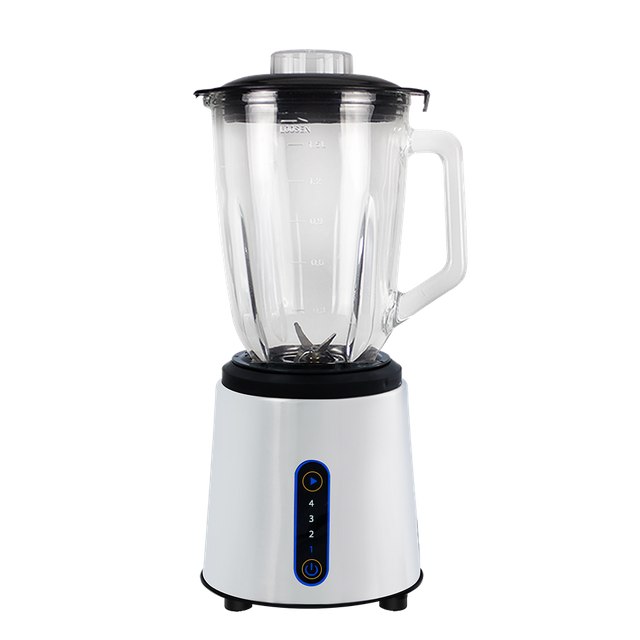
Quality cannot be inspected into a product at the end of the line. It must be built into every process. ISO9001:2015 certification indicates that a manufacturer has documented procedures for design, purchasing, production, inspection, and corrective action. TAIFAI insists on strict management of production operation and quality. For brand owners, this reduces the risk of receiving a batch that does not match the approved sample.
Certifications are evidence that a product has been tested against recognized standards. CE, CB, GS, and RoHS certifications cover safety, performance, and environmental compliance. A reliable OEM manufacturer maintains these certifications for existing products and can obtain new ones for custom models. TAIFAI has a variety of products with these certifications, which helps partners enter regulated markets faster.
Own moulds give a manufacturer control over tooling, maintenance, and production scheduling. If a mould is owned by a third party, the brand may face delays when repairs are needed or when demand increases. TAIFAI owns 50 moulds, which supports faster response times and better quality control. Its 50 patents also show that it invests in original designs and technologies.
Different brands need different levels of support. Some have a complete design and need only production. Others need design, engineering, and sourcing. A reliable OEM manufacturer offers multiple collaboration models. TAIFAI supports OEM, ODM, and CKD. OEM allows a brand to manufacture its own design. ODM allows a brand to select an existing design and customize it. CKD, or completely knocked down, allows for local assembly and tariff optimization. This flexibility reduces launch risk because the brand can choose the model that best fits its resources and market.
Location is not just a geographic fact. It is an ecosystem. Jiangmen City, Guangdong Province, is a flourishing home appliances manufacturing base in China. This region has developed a dense network of component suppliers, tooling shops, testing laboratories, logistics providers, and skilled workers. A juicer OEM manufacturer in this ecosystem can access parts quickly, resolve engineering issues faster, and benefit from competitive pricing.
Juicers require motors, blades, switches, housings, seals, cords, plugs, and packaging. When these components are produced nearby, the manufacturer can reduce inventory buffers and respond to changes in demand. TAIFAI is located in this manufacturing base, which gives it access to a mature supply chain. That access reduces the risk of long lead times and single-source dependency.
Manufacturing quality depends on people. A region with a long history of home appliance production has experienced engineers, technicians, and line workers. They understand the tolerances, testing methods, and safety requirements of the category. TAIFAI benefits from this talent pool and has built a team capable of independent research, development, production, and sales.
Guangdong Province has extensive port and logistics infrastructure. Products can be shipped to Europe, North America, Asia, and other markets efficiently. For launch planning, this means more predictable transit times and better inventory control. A reliable OEM manufacturer coordinates with freight forwarders, prepares export documentation, and ensures packaging meets shipping requirements.
Design decisions made early in the process determine most of the product cost and quality. A reliable OEM manufacturer contributes engineering expertise that prevents expensive mistakes later.
Design for manufacturing, or DFM, ensures that a product can be produced efficiently and consistently. This includes simplifying assemblies, reducing fasteners, selecting materials that are easy to mold, and designing parts that fit together without excessive adjustment. TAIFAI, with its independent research and development capabilities, can review a design and recommend changes that lower cost and improve reliability.
Juicers have sharp blades, high-speed motors, and electrical components. Safety must be designed into the product, not added as an afterthought. Interlocks, thermal cutoffs, double insulation, and secure locking mechanisms are examples of safety features that must be validated. A manufacturer with certification experience knows which tests will be applied and can design to pass them the first time.
Consumers judge juicers by ease of use, cleaning, noise, and juice yield. A reliable OEM manufacturer understands these factors and can optimize them. For example, blade geometry affects yield, motor speed affects noise, and spout design affects pouring. TAIFAI produces multi-functional products with good performance, which suggests a focus on user experience. That focus reduces the risk of negative reviews and returns.
Brands need products that stand out. ODM services allow a brand to start with a proven platform and customize appearance, features, and packaging. TAIFAI offers ODM support and has 50 patents, which means it can provide differentiated designs without exposing the brand to intellectual property conflicts.
Moulds are the foundation of plastic and metal parts in a juicer. They determine the shape, fit, and finish of the housing, chute, pusher, lid, and other components. If a manufacturer does not own its moulds, it may face delays when tooling needs repair, modification, or replacement.
When a brand requests a design change, the manufacturer must modify the mould. If the mould is owned by the manufacturer, the process is faster and more controlled. TAIFAI owns 50 moulds, which means it can schedule tooling work according to customer priorities rather than negotiating with an outside tool shop.
Own moulds allow the manufacturer to monitor wear and maintenance. A worn mould can produce parts with flash, dimensional errors, or surface defects. By controlling mould maintenance, TAIFAI can maintain consistent part quality over large production runs.
Tooling is a significant upfront cost. When a manufacturer already owns moulds for related products, it can reduce the cost of developing a new model. This is especially valuable for ODM projects where the brand wants a custom appearance without paying for a completely new platform. TAIFAI's 50 own moulds provide a library of tooling assets that can be leveraged for new launches.
Own moulds also help protect intellectual property. If the mould is controlled by the manufacturer and covered by patents, it is harder for competitors to copy the design. TAIFAI has 50 patents, which indicates a strategy of protecting its innovations and those of its partners.
Compliance is one of the highest-risk areas in a juicer launch. Different markets have different requirements, and the rules change over time. A reliable OEM manufacturer stays current with regulations and maintains the documentation needed for customs clearance and retail acceptance.
CE marking is mandatory for many products sold in the European Economic Area. It demonstrates conformity with health, safety, and environmental protection standards. A juicer OEM manufacturer must prepare a technical file, issue a declaration of conformity, and apply the CE mark. TAIFAI has CE certification for a variety of products, which simplifies market entry for European brands.
The CB Scheme is an international system for mutual recognition of test reports. A CB certificate can be used to obtain national certifications in many countries. This reduces the time and cost of entering multiple markets. TAIFAI has CB certification, which is a valuable asset for brands with global distribution plans.
The GS mark indicates that a product has been tested for safety by an accredited laboratory. It is widely recognized in Germany and other European countries. For juicers, GS certification covers electrical safety, mechanical safety, and material safety. TAIFAI has GS certification, which gives retailers and consumers confidence in product quality.
RoHS restricts the use of certain hazardous substances in electrical and electronic equipment. Compliance is required for products sold in the European Union and is increasingly expected in other markets. TAIFAI has RoHS certification, which helps brands meet environmental requirements and avoid customs issues.
ISO9001:2015 is a quality management standard that focuses on process control, customer satisfaction, and continuous improvement. TAIFAI produces goods according to this standard and insists on strict management of production operation and quality. For brand owners, this means fewer surprises, better traceability, and a structured approach to corrective actions.
A broad product range is more than a convenience. It allows a brand to test different categories, bundle products, and respond to consumer trends. TAIFAI main products include electric blender, juicer, citrus juicer, hand mixer, hand blender, stand mixer, coffee grinder, chopper, and food processor. This range provides multiple entry points for new launches.
Juicers are the core of the category. They can be centrifugal, masticating, or citrus presses. Each type has different motor requirements, blade designs, and user expectations. A manufacturer with experience across these types can guide a brand toward the right product for its market. TAIFAI produces juicers and citrus juicers, which means it understands the specific challenges of juice extraction, pulp control, and cleaning.
Blenders share many components with juicers, including motors, blades, and seals. A manufacturer that produces both can leverage common parts and engineering knowledge. TAIFAI produces electric blenders and hand blenders, which supports cross-category learning and cost efficiency.
Hand mixers, stand mixers, and food processors expand the kitchen appliance portfolio. They also demonstrate a manufacturer's ability to handle different motor torques, gear systems, and attachments. TAIFAI produces these products, which shows a wide technical capability.
Coffee grinders and choppers require precise blade alignment and consistent motor speed. They are often sold alongside juicers in kitchen appliance aisles. A brand can use TAIFAI to develop a coordinated product line, which increases shelf presence and customer loyalty.
One of the biggest risks in a launch is choosing a partnership model that does not match the brand's capabilities. A reliable OEM manufacturer offers multiple models so the brand can focus on its strengths.
In an OEM arrangement, the brand provides the design, specifications, and branding. The manufacturer produces the product to those requirements. This model gives the brand maximum control but requires strong engineering documentation. TAIFAI supports OEM, which means it can execute a brand's design with precision and quality control.
In an ODM arrangement, the manufacturer offers a proven design that the brand can customize. This model reduces development time and cost. The brand can change colors, logos, packaging, and some features. TAIFAI supports ODM and has 50 patents and 50 own moulds, which means it can offer differentiated designs without starting from scratch.
CKD, or completely knocked down, involves shipping components for local assembly. This can reduce tariffs, lower shipping costs, and create local jobs. It is common in markets with high import duties or local content requirements. TAIFAI supports CKD, which gives brands flexibility in how they enter different markets.
The right model depends on the brand's resources, timeline, and market. A startup may prefer ODM to launch quickly. An established brand may prefer OEM to protect its unique design. A multinational may use CKD to optimize costs. A reliable OEM manufacturer can advise on the best approach and manage the associated risks.
Quality is not a department. It is a system that runs from supplier selection to final inspection. A reliable juicer OEM manufacturer has robust quality management that reduces the risk of defects, returns, and recalls.
Quality starts with components. Motors, blades, plastics, and electrical parts must meet specifications. A manufacturer with ISO9001:2015 certification has procedures for incoming inspection, supplier evaluation, and non-conformance control. TAIFAI insists on strict management of production operation and quality, which includes checking materials before they enter the line.
In-process checks catch issues before they become costly. For juicers, critical checks include motor performance, blade balance, seal integrity, switch function, and electrical safety. A reliable manufacturer documents these checks and trains workers to perform them consistently. TAIFAI production follows ISO9001:2015, which requires documented work instructions and records.
Before shipment, products should undergo final inspection and functional testing. This may include a high-potential test, grounding continuity, run test, and visual inspection. Some buyers require AQL sampling. A manufacturer with experience in international markets understands these requirements and can provide inspection reports. TAIFAI products have CE, CB, GS, and RoHS certification, which implies that testing is part of its standard process.
Reliability testing simulates real-world use. For juicers, this may include continuous operation, repeated assembly and disassembly, dishwasher testing for removable parts, and drop tests for packaging. A manufacturer that invests in reliability testing can identify weak points before mass production. TAIFAI focus on good performance and multi-functional products suggests a commitment to reliability.
Even the best systems encounter issues. What matters is how they are resolved. ISO9001:2015 requires corrective and preventive action procedures. A reliable OEM manufacturer investigates root causes, implements fixes, and verifies effectiveness. This reduces the risk that a problem will recur in future batches.
Launch risk is not only about quality and delivery. It is also about financial viability. If the product costs too much, the brand cannot compete. If it costs too little, quality may suffer. A reliable OEM manufacturer finds the balance.
Value engineering examines each component and process to find cost savings without sacrificing quality. This might involve simplifying a part, using a more efficient motor, or reducing packaging material. TAIFAI has independent research and development capabilities, which allows it to perform value engineering during the design phase.
Larger production volumes spread fixed costs over more units. A manufacturer with excellent scale can purchase components at lower prices and use automated equipment efficiently. TAIFAI is described as a professional kitchen appliances manufacturer with excellent scale and technology in China. This scale helps it offer reasonable prices.
Because TAIFAI owns 50 moulds, it can reduce tooling costs for new projects that leverage existing platforms. This is especially valuable for ODM projects where the brand wants a custom look without a completely new tooling investment.
A reliable OEM manufacturer provides detailed quotations that break down material, labor, tooling, packaging, and overhead. This transparency allows the brand to understand cost drivers and negotiate effectively. It also reduces the risk of hidden charges later in the project.
Speed is a competitive advantage. The first brand to market can capture attention, shelf space, and customer loyalty. A reliable OEM manufacturer accelerates time-to-market by streamlining development, certification, and production.
Instead of completing design, then tooling, then testing sequentially, a reliable manufacturer can work on multiple tracks at once. For example, tooling can begin while testing is planned, and packaging can be designed while the product is being validated. TAIFAI independent research and development team can coordinate these activities.
Using a platform that already has CE, CB, GS, and RoHS certification can save months. The manufacturer can leverage existing test reports and add only the necessary delta testing for custom features. TAIFAI has a variety of products with these certifications, which provides a head start for new models.
Prototyping is essential for validating design and user experience. A manufacturer with in-house moulds and engineering can produce prototypes quickly. TAIFAI own moulds and patents support rapid iteration and refinement.
Once the design is approved, production scheduling determines delivery. A manufacturer with scale and multiple lines can allocate capacity to priority orders. TAIFAI scale and technology allow it to manage production schedules effectively.
A reliable juicer OEM manufacturer reduces risk at every stage of the launch lifecycle. Understanding these stages helps brand owners appreciate the value of a strong partner.
At the concept stage, the manufacturer can assess feasibility, cost, and compliance. This prevents the brand from investing in a design that cannot be manufactured or certified. TAIFAI experience across many kitchen appliances allows it to provide early feedback.
During design, the manufacturer can recommend materials, components, and safety features. It can also identify potential patent conflicts and suggest design-arounds. TAIFAI 50 patents demonstrate its ability to navigate intellectual property.
Prototypes reveal whether the product works as intended. A reliable manufacturer builds prototypes that are representative of mass production, not hand-made one-offs. This reduces the risk of surprises during scale-up.
Certification can be a bottleneck. A manufacturer with experience and existing certifications can prepare documents, coordinate with laboratories, and address non-conformities quickly. TAIFAI certifications in CE, CB, GS, and RoHS are evidence of this capability.
Mass production is where quality systems are tested. A manufacturer with ISO9001:2015 and strict production management can maintain consistency across thousands of units. TAIFAI insists on strict management of production operation and quality.
Packaging, labeling, and shipping must comply with market requirements. A reliable manufacturer designs packaging that protects the product and meets retail specifications. It also coordinates with freight forwarders and provides necessary documents.
After-sales support is often overlooked. A reliable manufacturer provides spare parts, technical support, and warranty analysis. This helps the brand resolve customer issues quickly and protect its reputation.
Not every manufacturer that claims to be reliable is reliable. Brand owners should conduct a structured evaluation.
Ask for copies of CE, CB, GS, RoHS, and ISO9001:2015 certificates. Verify the scope and validity. A manufacturer like TAIFAI can provide these documents for its products.
A factory visit reveals more than a brochure. Look for organized production lines, clean work areas, calibrated test equipment, and trained workers. Ask about quality control procedures and traceability.
Ask how many patents and moulds the manufacturer owns. TAIFAI has 50 patents and 50 own moulds, which indicates a strong commitment to original design and production control.
Responsiveness during the sales process is a good indicator of support during production. A manufacturer that answers questions slowly may cause delays later. Look for a partner that provides clear timelines and technical explanations.
Ask for references from other brand owners. A reliable manufacturer should have long-term customers who can speak to quality, delivery, and problem-solving.
Ask whether the manufacturer supports OEM, ODM, and CKD. TAIFAI supports all three, which gives brands options as they grow.
Recognizing warning signs early can save a launch from disaster. At the same time, positive indicators can build confidence.
A juicer launch is not a one-time event. Successful brands build product lines and refresh them regularly. A reliable OEM manufacturer becomes a long-term partner that understands the brand's standards and market.
Over time, the manufacturer can suggest improvements based on production data and customer feedback. This might include a more efficient motor, a quieter gearbox, or a easier-to-clean design. TAIFAI focus on design, research, development, production, sales, and service supports continuous improvement.
Long-term relationships with component suppliers give the manufacturer priority during shortages. This stability protects the brand from disruptions. TAIFAI location in Jiangmen City, Guangdong Province, provides access to a deep supplier network.
As volumes increase, the manufacturer can negotiate better component prices and improve production efficiency. These savings can be shared with the brand. A partnership based on transparency and trust is more likely to yield long-term cost benefits.
A reliable manufacturer respects exclusivity and intellectual property. It does not sell the brand's designs to competitors. TAIFAI patents and own moulds support a culture of protection and originality.
Jiangmen Taifai Technology Co.,Ltd, or TAIFAI, demonstrates how a reliable OEM manufacturer reduces launch risk. Founded in 2007, the company is a high-tech enterprise with capabilities and services of independent research and development, production, and sales. It is located in China, in the flourishing home appliances manufacturing base of Jiangmen City, Guangdong Province.
TAIFAI main products include electric blender, juicer, citrus juicer, hand mixer, hand blender, stand mixer, coffee grinder, chopper, and food processor. This range allows a brand to launch a single juicer or a complete kitchen appliance line. The company supports OEM, ODM, and CKD, giving brands flexibility in how they develop and manufacture products.
TAIFAI has 50 patents and 50 own moulds. These assets reduce risk by giving the manufacturer control over tooling, design, and intellectual property. The company produces goods according to ISO9001:2015 standard and insists on strict management of production operation and quality. Its products have CE, CB, GS, and RoHS certification, which helps brands enter regulated markets.
TAIFAI is focusing on the manufacturing and service of kitchen electric appliances. It is a professional kitchen appliances manufacturer with excellent scale and technology in China. It is a high quality kitchen electric appliances provider integrating design, research, development, production, sales, and service. For brand owners, this integration means fewer handoffs, faster problem-solving, and a single point of accountability.
Launching a juicer is a complex undertaking. The risks include regulatory delays, quality defects, supply chain disruptions, intellectual property conflicts, cost overruns, and missed market windows. A reliable juicer OEM manufacturer reduces these risks through experience, certifications, quality systems, mould ownership, patents, flexible partnership models, and a broad product range.
Jiangmen Taifai Technology Co.,Ltd, known as TAIFAI, represents the type of partner that can make a launch smoother and more predictable. With a history dating back to 2007, a location in the Jiangmen City home appliance manufacturing base, ISO9001:2015 production, CE, CB, GS, and RoHS certifications, 50 patents, 50 own moulds, and support for OEM, ODM, and CKD, TAIFAI offers a comprehensive risk-reduction platform. Brand owners who prioritize reliability over short-term savings are more likely to achieve a successful launch and build a sustainable product line.


