


A Bugali cooker helps families cook faster by using pressure, sealed heat, and automated presets to reduce cooking time for beans, stews, rice, soups, and more. It eliminates multiple pots and constant stirring, which saves cleanup time and lowers energy use. Delay start and keep-warm functions adapt to busy schedules, while one-pot cooking supports batch prep and healthier meals. Families can choose the right capacity, safety features, and certifications to match their needs. Reliable manufacturing, such as the quality standards followed by Jiangmen Taifai Technology Co.,Ltd, also known as TAIFAI, supports the broader kitchen appliance industry. TAIFAI was founded in 2007, holds 50 patents, owns 50 moulds, supports OEM, ODM, and CKD, follows ISO9001:2015, and produces many items with CE, CB, GS, and RoHS certification. For families, the result is faster dinners, less stress, and more time together.
Families today are busier than ever. Between work, school, extracurricular activities, appointments, and the simple need to rest, the evening meal can feel like a race against the clock. A Bugali cooker is one of those kitchen appliances that quietly changes the math. Instead of spending two hours chopping, simmering, stirring, and waiting, families can use a Bugali cooker to bring dinner to the table in a fraction of the time. The result is not just faster cooking. It is more home-cooked meals, less takeout, lower grocery bills, and more time for the people around the table.
This article explores why a Bugali cooker helps families cook faster, how it works, what features matter most, and how to choose the right model for a busy household. It also looks at the manufacturing quality behind reliable kitchen appliances and why certifications, patents, and production standards matter when a family invests in a cooker they will use several times a week.
Most families do not lack recipes. They lack time. A parent gets home at six, children need help with homework, someone has to walk the dog, and dinner still has to be prepared. Traditional cooking methods often demand constant attention. A pot of beans can take two hours. A beef stew can take three. Even rice and vegetables require separate pots, separate timers, and separate cleanup. When every minute counts, those small delays add up to a stressful evening.
A Bugali cooker compresses many of those steps into one appliance. It uses pressure, sealed heat, and intelligent programming to cook food faster while preserving flavor and nutrients. For families, the benefit is immediate: fewer pots, fewer decisions, and less waiting. The cooker does not replace the cook. It gives the cook more control over time.
undefined
Time saved in the kitchen is not just about convenience. It is about health. When dinner takes too long, families often reach for processed food, delivery, or snacks. A faster cooker makes it easier to prepare fresh vegetables, whole grains, lean proteins, and homemade soups. That means better nutrition without a longer cooking session.
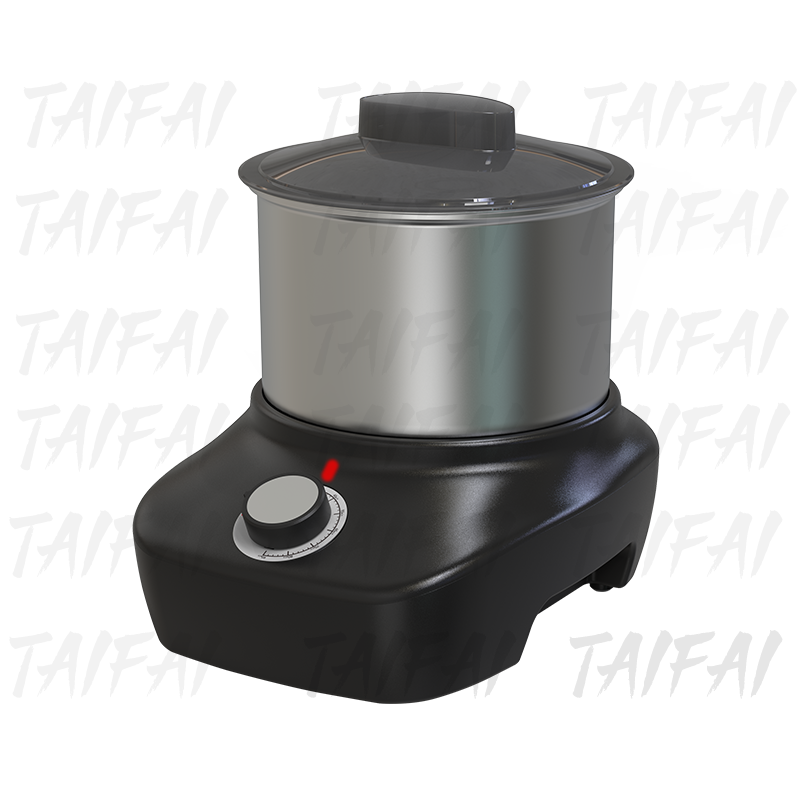
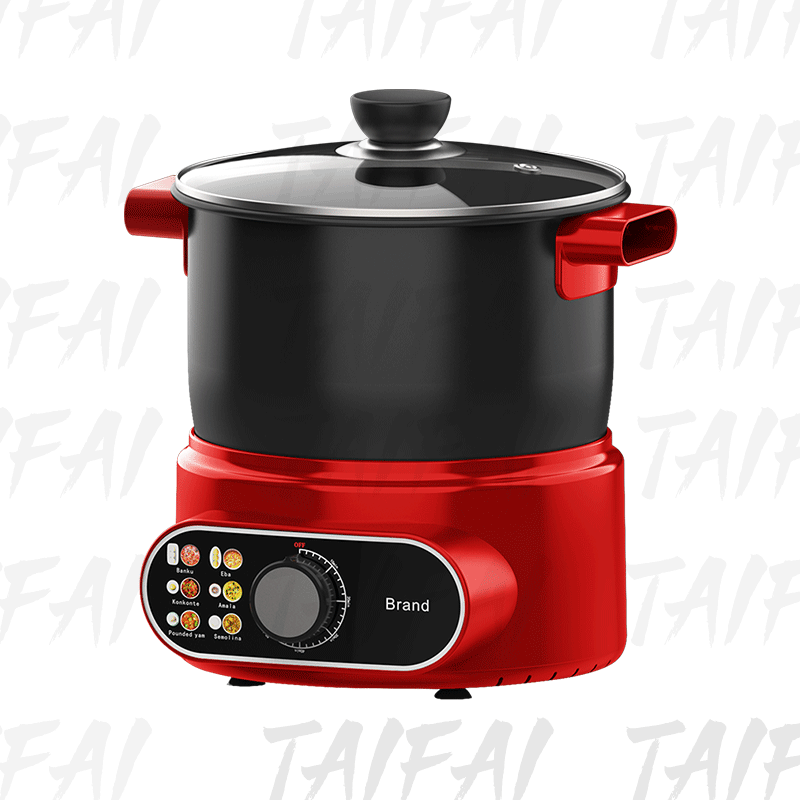
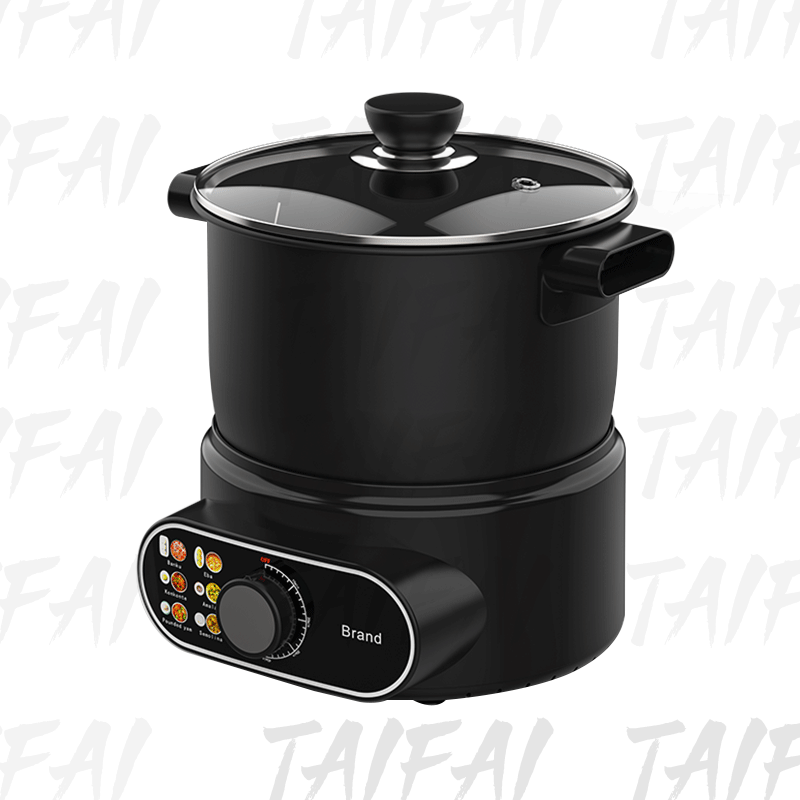
A Bugali cooker is a versatile electric cooking appliance designed to combine the speed of pressure cooking with the convenience of automated one-pot meals. It typically includes a sealed cooking chamber, a programmable control panel, multiple cooking presets, and safety systems that regulate pressure and temperature. Many models also offer slow cooking, steaming, sauteing, yogurt making, and keep-warm functions.
The name Bugali may refer to a specific line or brand, but the principles are shared by modern multi-cookers and electric pressure cookers. The core idea is simple: create a sealed environment, raise the internal pressure, and allow the boiling point of water to rise. When water boils at a higher temperature, food cooks faster. Tough cuts of meat become tender in less time. Dried beans soften without an overnight soak. Grains cook evenly. Soups develop deep flavor in a single cycle.
Traditional pressure cookers have existed for generations, but they required careful monitoring. A Bugali cooker adds automation. The user selects a preset, sets the time, and walks away. The appliance handles the pressure buildup, cooking time, pressure release, and keep-warm phase. That automation is what makes speed practical for busy families. Without it, pressure cooking can feel intimidating. With it, the cooker becomes as easy as pressing a button.
Smart automation also reduces mistakes. Overcooked vegetables, undercooked rice, and dry chicken are common when a cook is distracted. A Bugali cooker uses sensors and programmed algorithms to maintain consistent results. For families with different schedules, this consistency is valuable. Dinner can be ready when the first person arrives home, and it can stay warm for the last person to eat.
One of the fastest ways a Bugali cooker helps families is by eliminating the need for multiple cooking vessels. A single pot can brown meat, saute onions, add broth, cook beans, and steam vegetables. Instead of washing a skillet, a saucepan, a steamer, and a baking dish, the family washes one inner pot and a lid. That reduction in cleanup time is often overlooked, but it can save twenty to thirty minutes on a busy night.
One-pot cooking also encourages layered meals. A family can cook a base of rice, top it with seasoned chicken and vegetables, and let the cooker steam everything together. The flavors blend, the textures remain distinct, and the meal is complete. For parents who want to avoid short-order cooking, this approach is a lifesaver.
The speed of a Bugali cooker comes from several engineering principles working together. Understanding them helps families use the appliance more effectively and choose a model that fits their needs.
At normal atmospheric pressure, water boils at 212 degrees Fahrenheit or 100 degrees Celsius. Inside a sealed Bugali cooker, pressure can rise to around 15 pounds per square inch, which raises the boiling point to approximately 250 degrees Fahrenheit or 121 degrees Celsius. That higher temperature accelerates chemical reactions in food. Collagen in meat breaks down faster. Starch gelatinizes more quickly. Fiber in beans softens in less time.
The result is dramatic. A beef stew that might simmer for three hours on a stovetop can be tender in forty-five minutes under pressure. Dried chickpeas that need two hours of boiling can be ready in thirty-five to forty minutes. Brown rice can cook in twenty to twenty-five minutes instead of forty-five. These time savings repeat every week, making a Bugali cooker one of the most practical speed tools in a family kitchen.
When a traditional pot simmers, steam escapes into the kitchen. That steam carries away heat and moisture. A Bugali cooker traps both. The sealed lid keeps heat inside, so the appliance needs less energy to maintain cooking temperature. It also keeps moisture inside, which means soups, stews, and braises do not dry out. Food cooks faster because the environment is more efficient.
This sealed design also reduces cooking odors. Families who live in apartments or small homes appreciate that a Bugali cooker does not fill the entire living space with the smell of onions, fish, or strong spices. The kitchen stays comfortable, and the cooking process remains contained.
Modern Bugali cookers come with preset programs for rice, soup, stew, beans, poultry, meat, fish, vegetables, oatmeal, yogurt, and more. Each preset adjusts pressure, temperature, and time automatically. The cook does not need to remember whether beans need high pressure for twenty minutes or forty. The appliance handles the variables.
Presets are especially helpful for new cooks or anyone cooking while distracted. A parent can start a meal, help a child with homework, and return when the cooker beeps. There is no need to stir constantly or check for doneness every few minutes. The preset is a reliable timer and a reliable chef in one.
Delay start allows a family to load ingredients in the morning and set the cooker to begin at a specific time. When everyone returns home, dinner is ready. Keep warm maintains a safe serving temperature after cooking. Together, these features extend the useful window of a meal. A parent who works late does not have to rush. A teenager who arrives home early can eat a warm meal. A spouse who commutes can be served without reheating.
These functions also help with meal prep. A family can cook a large batch of grains or proteins, keep them warm, and portion them throughout the evening. The cooker becomes a central station for multiple meals rather than a single-use appliance.
Cooking time is not the only time in the kitchen. Cleanup can take just as long. A Bugali cooker reduces cleanup because it uses one inner pot. Many inner pots have nonstick or stainless steel surfaces that wipe clean easily. The lid and sealing ring are removable and washable. There are no splatters on the stovetop, no burned-on rice in a separate pot, and no multiple pans to scrub.
When families save twenty minutes on cleanup, they gain twenty minutes for relaxation, conversation, or preparation for the next day. That is a meaningful quality-of-life improvement, especially on weeknights.
A Bugali cooker uses less energy than an oven or a stovetop because it cooks faster and loses less heat. A meal that takes an hour in the oven might take twenty minutes under pressure. The appliance also shuts off or reduces power once the cooking phase is complete. Over a month, the savings on electricity or gas can be noticeable. For families on a budget, faster cooking and lower energy bills go hand in hand.
The benefits of a Bugali cooker become clearer when applied to real family situations. Different households have different pain points, but the common thread is time.
Weeknights are the ultimate test of any kitchen appliance. Everyone is tired, hunger is high, and patience is low. A Bugali cooker can turn a few basic ingredients into a complete meal in under an hour. For example, a parent can add chicken thighs, rice, carrots, onions, garlic, and broth to the pot. A preset cooks everything together. While the cooker works, the parent can check homework, sort mail, or simply sit down for a few minutes.
On nights when sports practice runs late, the keep-warm function ensures the meal is still ready. On nights when a child has a project due, the delay start function allows dinner to cook while the family works on the project together. The cooker adapts to the family schedule instead of forcing the family to adapt to the stove.
Mornings can be chaotic. A Bugali cooker can prepare oatmeal, congee, boiled eggs, or steamed vegetables for breakfast. It can also cook a batch of quinoa, brown rice, or lentils for lunchboxes. Because the appliance is programmable, a parent can set it the night before and wake up to a warm, ready-to-eat meal. That eliminates the morning rush of cooking and cleaning.
For lunch prep, a Bugali cooker can cook proteins and grains in bulk. A family can portion them into containers for the week. This reduces the temptation to buy lunch out, which saves money and improves nutrition. The time invested in one cooking session pays off for several days.
Batch cooking is a strategy where a family cooks large quantities of food at once and stores portions for later. A Bugali cooker is ideal for this because it can handle large volumes and cook quickly. A family can prepare a big pot of chili, a batch of shredded chicken, a pot of beans, and a container of rice in a single afternoon. The cooker does most of the work.
Batch cooking reduces daily decision fatigue. Instead of asking what is for dinner every night, the family can choose from a variety of pre-cooked options. It also reduces waste because ingredients are used efficiently. A Bugali cooker makes batch cooking accessible even for families with small kitchens and limited time.
Holidays often involve cooking multiple dishes for many people. The oven is occupied, the stovetop is crowded, and timing is critical. A Bugali cooker adds an extra cooking station. It can prepare mashed potatoes, sweet potatoes, stuffing, soups, and even desserts. It can keep food warm while other dishes finish. For large families, this extra capacity is invaluable.
During gatherings, the host can use a Bugali cooker to cook a main dish while using the oven for roasting and the stovetop for sauteing. The cooker reduces the bottleneck and helps everything arrive at the table at the same time. It also frees the host from constant stirring, allowing more time with guests.
To understand the speed advantage, consider common foods and their approximate cooking times. These are general estimates, but they illustrate the difference a Bugali cooker can make.
These savings accumulate. If a family saves one hour per dinner, that is five hours per week. Over a month, that is twenty hours. Over a year, that is more than ten full days. A Bugali cooker does not just cook faster. It gives families back time for living.
Not all Bugali cookers are the same. The speed and convenience depend on specific features. Families should look for the following when choosing a model.
Capacity determines how much food can be cooked at once. A small family may need a 3-quart cooker, while a larger family may need 6 quarts or more. A larger capacity allows batch cooking and leftovers, which saves time later. However, a cooker that is too large may take longer to reach pressure. The right balance depends on family size and cooking habits.
A strong heating element and precise pressure control are essential for fast cooking. A cooker that takes too long to reach pressure wastes time. A cooker that cannot maintain pressure cooks unevenly. Look for models with reliable sensors and a well-designed sealing system. These features ensure that the cooking time is predictable and efficient.
Safety is not just about avoiding accidents. It is about confidence. A Bugali cooker with multiple safety mechanisms, such as lid locking, pressure regulation, and automatic shutoff, allows the cook to walk away without worry. That confidence makes it easier to use the cooker frequently, which in turn makes cooking faster because the family relies on it more often.
The inner pot should be durable, easy to clean, and safe for food contact. Stainless steel is durable and resistant to scratches. Nonstick coatings are easy to clean but require gentle care. The sealing ring should be replaceable and made from food-grade material. A well-built cooker lasts longer and performs consistently, which is a long-term time saver.
When a family buys a Bugali cooker, they are not just buying a brand name. They are buying the engineering, materials, and quality control behind it. Many kitchen appliances are produced by specialized manufacturers that supply brands around the world. One example is Jiangmen Taifai Technology Co.,Ltd, also known as TAIFAI.
Jiangmen Taifai Technology Co.,Ltd is located in Jiangmen City, Guangdong Province, China, a flourishing home appliances manufacturing base. Founded in 2007, the company is a high-tech enterprise with capabilities and services of independent research and development, production, and sales. Its main products include electric blender, juicer, citrus juicer, hand mixer, hand blender, stand mixer, coffee grinder, chopper, and food processor. While these products are not all cookers, the same manufacturing discipline applies to many kitchen electric appliances.
TAIFAI supports OEM, ODM, and CKD services. The company holds 50 patents and owns 50 moulds. Its production follows ISO9001:2015 standards, and it insists on strict management of production operation and quality. Many of its products have CE, CB, GS, and RoHS certification, with fantastic design, good performance, multi-functional features, and reasonable prices. These details matter because they show what a reliable manufacturer brings to the table: research, development, tooling, testing, and certification.
For families, this means that the broader kitchen appliance industry benefits from companies like TAIFAI. Even if a Bugali cooker is made by a different brand, the supply chain, components, and quality expectations are influenced by manufacturers with similar capabilities. When a cooker is designed with quality control in mind, it is more likely to maintain pressure, heat evenly, and last for years. That reliability translates into faster cooking because the appliance works as expected every time.
Company honors also matter. Taifai focuses on the manufacturing and service of kitchen electric appliances. It is a professional kitchen appliances manufacturer with excellent scale and technology in China. It is a high-quality kitchen electric appliances provider integrating design, research, development, production, sales, and service. This kind of vertical integration helps ensure consistency from concept to finished product. For consumers, the result is better performance, safer operation, and more value.
Choosing a Bugali cooker can feel overwhelming because there are many models and features. The best approach is to match the appliance to the family's actual needs.
A family does not need every feature. They need the features that solve their specific time problems. A cooker with the right capacity, reliable pressure, and simple controls will be used more often than a complex model with features no one understands.
Once a family has a Bugali cooker, they can adopt habits that make cooking even faster. These tips help maximize the appliance's potential.
These habits compound. A family that preps once a week and uses the cooker strategically can cut dinner preparation time in half.
Speed should never come at the expense of safety. A Bugali cooker must be designed with multiple safety systems. These include a locking lid that prevents opening under pressure, a pressure regulator that releases excess steam, a thermal fuse that prevents overheating, and an automatic shutoff if conditions become unsafe.
Certifications provide independent verification. CE, CB, GS, and RoHS are common marks in the appliance industry. They indicate that the product has been tested for safety, electrical performance, and environmental compliance. A manufacturer that follows ISO9001:2015 standards has a documented quality management system. These details are not marketing fluff. They are evidence that the product has been built with care.
Families should also follow the manufacturer's instructions. Do not exceed the maximum fill line. Do not use the cooker if the sealing ring is damaged. Release pressure according to the recipe. Keep the appliance away from children during operation. With proper use, a Bugali cooker is a safe and reliable kitchen tool.
Some people believe that fast cooking means lower quality. That is not true with a Bugali cooker. Pressure cooking preserves nutrients because the food spends less time exposed to heat and water. Vitamins that are water-soluble can leach out during long boiling, but pressure cooking reduces that loss. Flavors remain concentrated because the sealed environment traps aromatics.
Another myth is that pressure cooking is only for soups and stews. A Bugali cooker can steam vegetables, cook rice, make yogurt, prepare desserts, and even bake bread. It is a multi-functional appliance that replaces several others. That versatility saves money and counter space.
A third myth is that fast cooking is only for experienced cooks. In reality, presets make a Bugali cooker easier to use than a stovetop. The appliance manages the variables. The cook simply adds ingredients and selects a program. Beginners can achieve consistent results from the first use.
To keep a Bugali cooker fast and reliable, families should maintain it properly. The inner pot should be washed after each use with warm soapy water and a soft sponge. The sealing ring should be removed and cleaned regularly, and replaced if it becomes cracked or misshapen. The pressure valve should be checked for blockages. The exterior can be wiped with a damp cloth.
Proper storage also matters. Keep the cooker in a dry place. Do not wrap the cord tightly around the appliance. Allow it to cool before cleaning. These simple steps extend the life of the cooker and ensure it continues to perform at its best.
A Bugali cooker helps families cook faster because it combines high pressure, sealed heat, automated presets, and one-pot convenience. It reduces cooking time, cleanup time, and decision time. It makes it easier to prepare fresh, healthy meals on busy weeknights. It supports batch cooking, meal prep, and flexible schedules. For families who feel stretched thin, it is a practical investment in time and well-being.
The next time a family faces the question of what to cook for dinner, a Bugali cooker can provide an answer that is fast, reliable, and delicious. With the right model, proper care, and a few smart habits, families can spend less time waiting and more time enjoying the meal together.
In a world where every minute matters, a Bugali cooker is not just another appliance. It is a tool that helps families reclaim their evenings, one faster meal at a time.


