


This buying guide explains how to choose a tuwo cooker for a modern kitchen. It begins by defining a tuwo cooker and describing its role in preparing smooth, consistent tuwo and other thick swallows. The guide covers why modern kitchens benefit from automation, including time savings, safety, consistency, and space efficiency. It then reviews the main types of tuwo cookers: manual and stovetop, semi-automatic, automatic electric, multi-function, and commercial. Key features to compare include capacity, power, heating performance, stirring mechanism, pot material, non-stick coating, control panel, smart features, safety features, energy efficiency, noise level, cleaning, maintenance, warranty, and after-sales support. The guide offers a step-by-step selection process: assess cooking needs, measure kitchen space, set a budget, check voltage and plug compatibility, evaluate build quality and certifications, and compare brands and manufacturers. It emphasizes the importance of manufacturing quality, including ISO9001:2015 certification, CE, CB, GS, and RoHS approvals, patents, own moulds, and OEM, ODM, and CKD capabilities. Jiangmen Taifai Technology Co.,Ltd, known as TAIFAI, is presented as an example of a reliable kitchen appliance manufacturer. Founded in 2007 in Jiangmen City, Guangdong Province, China, TAIFAI is a high-tech enterprise with 50 patents and 50 own moulds. It produces electric blenders, juicers, citrus juicers, hand mixers, hand blenders, stand mixers, coffee grinders, choppers, and food processors. Its products follow ISO9001:2015 standards and carry CE, CB, GS, and RoHS certification. The guide also lists benefits, common mistakes, usage tips, maintenance advice, safety guidelines, comparisons with traditional methods and other appliances, market trends, and frequently asked questions. It concludes that the right tuwo cooker can save time, reduce effort, improve safety, and deliver consistent results, making it a worthwhile investment for modern kitchens that value both tradition and convenience.
A tuwo cooker is one of those appliances that can quietly transform a modern kitchen. For anyone who loves traditional African meals, especially tuwo shinkafa, tuwo masara, or other smooth, comforting swallows, the right cooker can save time, reduce stress, and deliver consistent results. This buying guide is written for modern kitchens that value efficiency, safety, style, and reliability. It explains what a tuwo cooker is, how it works, the features that matter, the mistakes to avoid, and how to choose a model that fits your family, your countertop, and your cooking habits. It also explores manufacturing quality, international certifications, and the role of experienced kitchen appliance makers such as Jiangmen Taifai Technology Co.,Ltd, known as TAIFAI. By the end, readers should feel confident comparing models, asking the right questions, and investing in a tuwo cooker that will serve their kitchen for years.
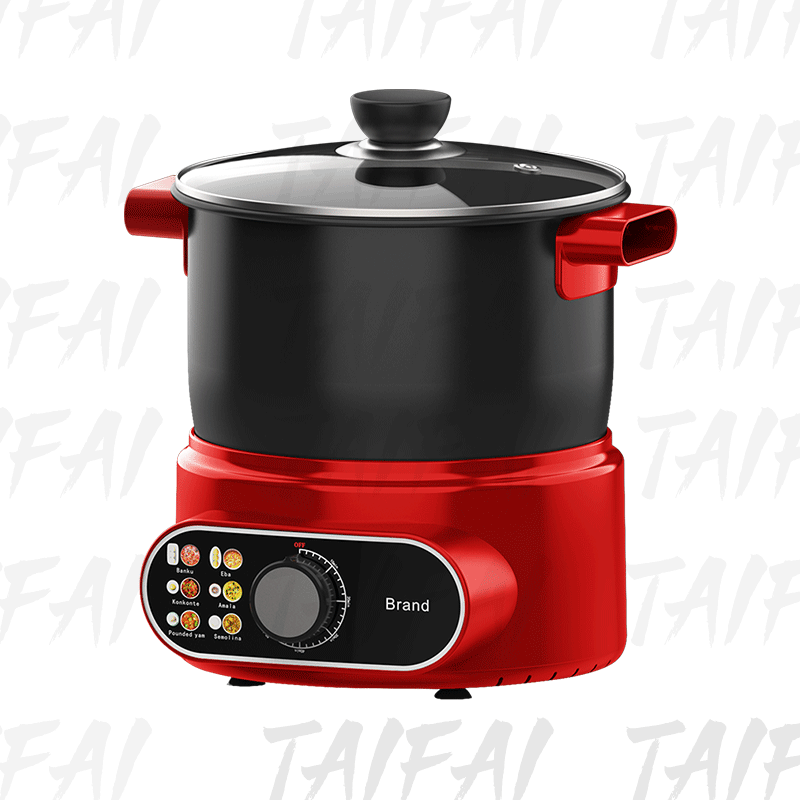
A tuwo cooker is a kitchen appliance designed to simplify the preparation of tuwo, a popular West African swallow made from rice, corn, millet, sorghum, cassava, or other grains. Traditional tuwo preparation requires constant stirring over a hot fire or stove. The process is physically demanding because the mixture thickens quickly and can easily form lumps or burn at the bottom of the pot. A tuwo cooker automates much of this work. Depending on the model, it may include a non-stick cooking pot, a motorized stirring arm, programmable heating, and preset cooking modes. Some models are simple electric pots with a stirring paddle, while others are advanced multi-function machines with digital controls, timers, and keep-warm functions.
undefined
Modern tuwo cookers are not just for tuwo. Many can also prepare other thick swallows, porridge, pap, custard, and even soups or stews. This versatility makes them attractive to busy families, students, bachelors, and professional cooks. The best models combine powerful heating with gentle, consistent stirring so the final texture is smooth, stretchy, and free of dry pockets. Because tuwo is a staple in many households, a dedicated cooker can become as important as a rice cooker or a blender.
Tuwo is more than food. It is culture, comfort, and community. In many homes, the quality of tuwo can make or break a meal. If it is too soft, it may not hold together with soup. If it is too hard, it can be difficult to swallow. If it has lumps, the texture feels uneven. Traditional cooking requires experience and strength. A tuwo cooker helps remove guesswork. It maintains a steady temperature and stirs at a consistent speed, which encourages starch granules to absorb water evenly. This results in a smoother, more predictable swallow. For modern kitchens, that predictability is valuable because it allows home cooks to prepare tuwo while focusing on soup, protein, or side dishes.
Modern kitchens are busier than ever. Families juggle work, school, travel, and social commitments. Cooking from scratch can feel overwhelming, especially when a dish requires close attention. A tuwo cooker reduces active cooking time. The user can measure ingredients, start the machine, and walk away for a few minutes. This is a major advantage for anyone who cooks after a long day. It also reduces the risk of burns because the user does not need to stand over a pot of boiling, sticky starch. Safety is a major concern in households with children or elderly family members.
Another reason modern kitchens need a tuwo cooker is consistency. Traditional tuwo depends on the cook's skill, the type of flour, the heat source, and the pot. A cooker standardizes these variables. Once the user finds the right ratio of flour to water and selects the correct setting, the result can be repeated again and again. This is helpful for people who are new to cooking tuwo or who want to teach others. It also helps families with different tastes because some models allow adjustments for soft, medium, or firm tuwo.
Space is another consideration. Modern kitchens often have limited countertop space. A tuwo cooker can replace several pots and utensils. Instead of using a heavy mortar, a wooden spoon, and a large pot, the user needs only one appliance. Many models are compact enough to store in a cabinet or on a shelf. Some are designed with a sleek, modern look that complements stainless steel, granite, or minimalist kitchen decor. For open-plan kitchens, appearance matters as much as performance.
There is no single tuwo cooker that suits everyone. The market offers several types, each with advantages and limitations. Understanding these categories helps buyers choose wisely.
Manual and stovetop tuwo cookers are the simplest and most affordable. They usually consist of a heavy pot with a non-stick interior and a hand-operated or separate stirring paddle. Some are designed to sit on a gas stove, electric stove, or hot plate. The user still controls the heat and stirring, but the pot shape and paddle reduce effort. These models are good for small kitchens, low budgets, and cooks who want more control. However, they do not fully automate the process. The user must remain nearby and may still need to stir frequently. For occasional tuwo cooking, a manual model can be sufficient. For daily use, it may become tiring.
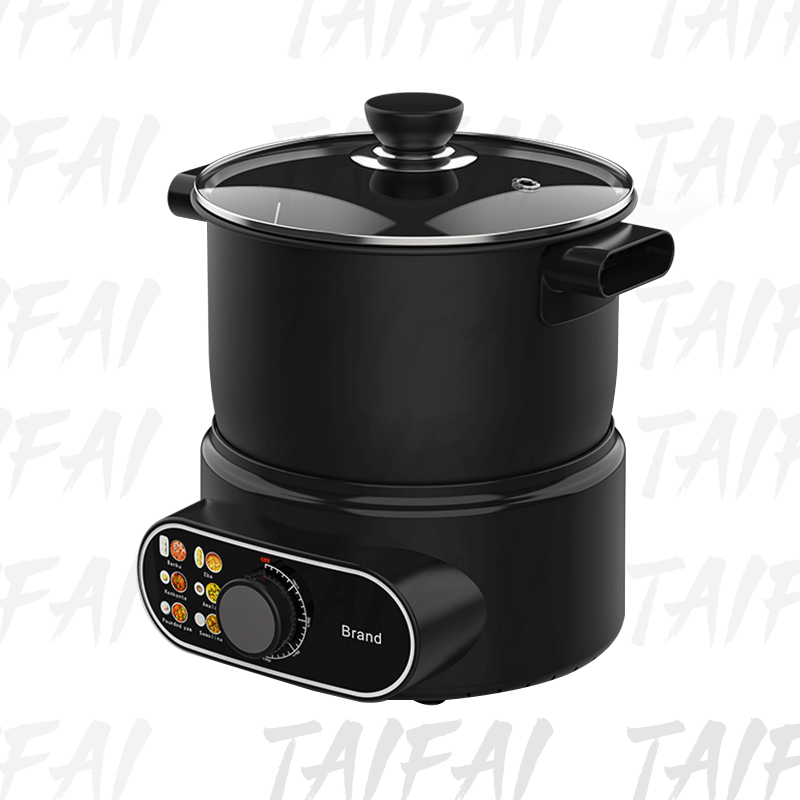
Semi-automatic tuwo cookers offer a middle ground. They include an electric heating base and a motorized stirring mechanism, but they may lack advanced digital presets. The user might need to add flour at the right time or adjust the speed manually. These models are usually more affordable than fully automatic machines. They are a good choice for households that want convenience without paying for premium features. A semi-automatic cooker can still reduce lumps and prevent burning because the stirring arm moves continuously. It is important to check whether the stirring arm is removable for cleaning and whether the pot is dishwasher safe.
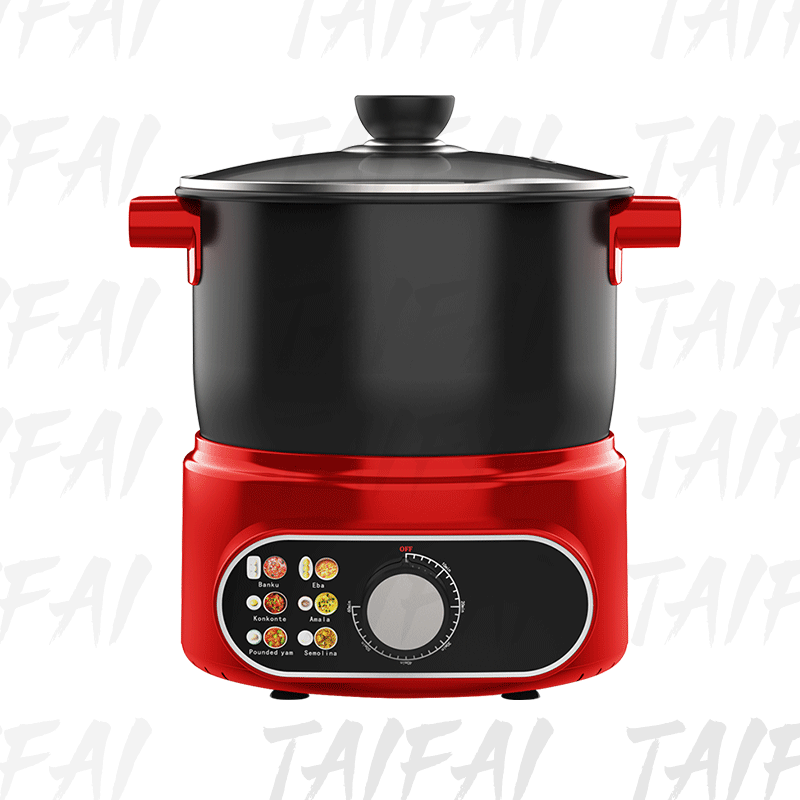
Automatic electric tuwo cookers are the most convenient option. They typically feature a digital control panel, preset cooking programs, a timer, and an automatic keep-warm mode. The user adds water and flour according to the recipe, selects the tuwo setting, and waits. The machine controls temperature and stirring speed. Some models even add flour automatically or prompt the user when to add it. These cookers are ideal for busy families, elderly users, and anyone who wants consistent results with minimal effort. They cost more, but the convenience and safety benefits can justify the price. When comparing automatic models, look at power, capacity, motor quality, and the availability of replacement parts.
Multi-function tuwo cookers can prepare tuwo as well as other dishes. They may include settings for porridge, pap, soup, stew, rice, and yogurt. Some come with additional accessories such as steaming racks, measuring cups, and spatulas. This versatility makes them attractive for small kitchens because one appliance can replace several. However, buyers should be cautious. A machine that claims to do everything may not excel at any single task. Check reviews and specifications to ensure the tuwo function is strong enough. The stirring mechanism and heating element must be robust enough to handle thick starch. A multi-function cooker with a weak motor may struggle with dense tuwo.
Commercial tuwo cookers are designed for restaurants, caterers, and food stalls. They are larger, more powerful, and built for continuous use. They may have stainless steel bodies, heavy-duty motors, and higher capacities. Commercial models often include safety features such as thermal cutoffs and overload protection. They are more expensive and require more counter or floor space. For home kitchens, a commercial model is usually unnecessary unless the household is very large or regularly cooks for events. However, if tuwo is a central part of a food business, a commercial cooker can improve speed, consistency, and hygiene.
When buying a tuwo cooker, features matter. The right combination of capacity, power, materials, controls, and safety can make the difference between a frustrating appliance and a trusted kitchen helper. The following sections explain what to look for.
Capacity is usually measured in liters or quarts. A small cooker may hold 1.5 to 2 liters, which is suitable for one or two people. A medium model may hold 3 to 4 liters, good for a family of three to five. A large model may hold 5 to 6 liters or more, suitable for large families, gatherings, or small food businesses. It is important not to choose a cooker that is too small, because tuwo expands and thickens during cooking. Overfilling can cause spills, burning, and motor strain. On the other hand, a cooker that is too large may be heavy, bulky, and inefficient for small batches. Measure your typical serving size and choose accordingly. If you often cook for guests, consider a model with a slightly larger capacity and a powerful motor.
Power is measured in watts. Higher wattage generally means faster heating and better ability to maintain temperature when thick starch is added. A low-wattage cooker may take a long time to bring water to a boil and may struggle to cook dense tuwo evenly. For home use, a cooker between 500 and 1000 watts is often sufficient. For larger families or commercial use, 1000 to 1500 watts or more may be needed. However, higher wattage also means higher energy consumption. Look for models with efficient heating elements and insulated bodies. Some cookers use a thick aluminum or stainless steel pot with an encapsulated base for even heat distribution. Uneven heating can cause hot spots, burning, and lumps. A good cooker should heat steadily and recover quickly when ingredients are added.
The stirring mechanism is the heart of a tuwo cooker. Traditional tuwo requires vigorous, continuous stirring to break up lumps and develop a smooth texture. A good cooker should have a motorized paddle or arm that reaches the bottom and sides of the pot. The paddle should be shaped to scrape the bottom and prevent starch from sticking. Some models use a single paddle, while others use dual paddles or a combination of paddles and scrapers. The motor should be powerful enough to handle thick mixtures without stalling. Look for models with overload protection and thermal cutoffs. If the motor stalls, the cooker may overheat or burn the tuwo. Also consider the speed settings. A cooker with multiple speeds can start slowly to mix flour and water, then increase speed to develop texture. This mimics traditional cooking and improves results.
The pot material affects durability, heat distribution, and cleaning. Common materials include stainless steel, aluminum, and non-stick coated metal. Stainless steel is durable, resistant to rust, and easy to clean, but it can be heavy and may not distribute heat as evenly as aluminum. Aluminum heats quickly and evenly, but it can react with acidic foods and may warp if not cared for properly. Many modern cookers use a non-stick coating over aluminum or steel. Non-stick surfaces prevent sticking and make cleanup easier. However, the coating can scratch or wear over time. Look for a coating that is free of PFOA and other harmful chemicals. Use wooden or silicone utensils to protect the surface. Some high-end models use ceramic non-stick coatings, which are more scratch-resistant and eco-friendly. The exterior should also be considered. A cool-touch handle and a sturdy base improve safety and stability.
Control panels range from simple dials to digital touchscreens. Simple dials are easy to use and less likely to fail. Digital panels offer precise temperature and time settings. Smart features may include preset programs, delay start, keep-warm, and automatic shutoff. Some models can connect to a smartphone app, but this is not essential for most users. The best control panel is intuitive, clearly labeled, and easy to clean. Buttons should respond well and not require excessive force. If the panel is touch-sensitive, make sure it works even with slightly wet fingers. A bright display can help in low-light kitchens. However, more electronics can mean more potential points of failure. Balance convenience with reliability. A well-designed mechanical control may outlast a complex digital panel in a busy kitchen.
Safety is critical because tuwo cookers use heat, electricity, and moving parts. Look for features such as automatic shutoff, thermal fuse, overheat protection, and non-slip feet. A cool-touch exterior and handle reduce the risk of burns. The lid should fit securely and may have a steam vent to release pressure. Some models include a locking mechanism to prevent the lid from opening during operation. If the cooker has a removable pot, ensure it locks firmly into the base. Child lock features are useful in households with young children. The power cord should be long enough for your counter but not so long that it creates a tripping hazard. Check that the plug matches your outlet and that the voltage is compatible. Using the wrong voltage can damage the appliance and create a fire risk. Always follow the manufacturer's instructions and never immerse the electrical base in water.
Energy efficiency is increasingly important. A tuwo cooker that heats quickly and maintains temperature with minimal energy use can save money over time. Look for models with insulated walls, tight-fitting lids, and efficient heating elements. Some cookers use a thermal jacket or double-wall construction to retain heat. This reduces cooking time and electricity consumption. If you cook tuwo frequently, the energy savings can be significant. Compare wattage and cooking times. A higher-wattage cooker may actually use less energy if it cooks faster, but it depends on the recipe and the machine's efficiency. Also consider standby power. A digital cooker with a clock or Wi-Fi may draw a small amount of power even when not in use. If this is a concern, choose a model with a physical power switch.
Noise is often overlooked, but it matters in open-plan kitchens. A tuwo cooker with a loud motor can be annoying, especially during long cooking sessions. The noise comes from the motor, the stirring paddle, and the movement of thick starch. Some models use noise-reducing technology, such as rubber mounts or helical gears. Read reviews or watch videos to hear the appliance in action. If possible, test the cooker in a store. A moderate hum is normal, but grinding, rattling, or screeching indicates poor build quality. Quieter models are generally more pleasant to use and may indicate better engineering.
Cleaning a tuwo cooker can be challenging because starch sticks to surfaces. The best models have removable, non-stick pots and removable stirring paddles. These parts should be easy to detach and wash. Some are dishwasher safe, but always check the manufacturer's instructions. The base should be wiped with a damp cloth and never submerged. If the pot is not removable, cleaning is more difficult and may require soaking. Look for smooth surfaces without crevices where food can get trapped. A self-cleaning mode is rare in tuwo cookers, but some models have a steam-clean function. Regular maintenance includes checking the power cord, cleaning the steam vent, and inspecting the paddle for wear. Replace worn parts promptly to maintain performance and safety.
A warranty protects your investment. Look for a warranty of at least one year, preferably two or more. The warranty should cover the motor, heating element, and control panel. Some manufacturers offer extended warranties or replacement parts. After-sales support is equally important. Check whether the brand provides online manuals, troubleshooting guides, and customer service. If you buy from an overseas seller, consider the cost of shipping for repairs. Local brands may offer faster service. Read reviews about customer support before buying. A good warranty and responsive support can turn a problematic purchase into a manageable one. If the manufacturer has a strong reputation, such as a company with ISO9001:2015 certification, that is a positive sign.
Choosing the right tuwo cooker involves more than comparing prices. It requires assessing your needs, your kitchen, and your budget. The following steps can guide the decision.
Start by thinking about how often you cook tuwo and for how many people. If you cook tuwo once a week for two people, a small or medium semi-automatic cooker may be enough. If you cook daily for a large family, an automatic model with a larger capacity and powerful motor is better. Consider the types of tuwo you make. Rice tuwo, corn tuwo, and cassava tuwo have different textures and cooking times. A cooker with multiple presets or adjustable settings can handle more varieties. Also think about other foods you might want to cook. A multi-function cooker can replace other appliances, but it may compromise on tuwo quality. Make a list of your must-have features and nice-to-have features. This will help you filter options quickly.
Measure the available countertop or storage space. Tuwo cookers vary in size and shape. Some are tall and cylindrical, while others are wide and low. Consider the height of your cabinets and the clearance needed for the lid to open. If you plan to store the cooker in a cabinet, measure the shelf height and depth. Weight is also important. A heavy cooker may be difficult to move. If you have limited space, look for a compact model with a removable pot that can nest for storage. Do not forget the power cord length and the location of your outlets. The cooker should sit on a stable, heat-resistant surface away from water sources.
Tuwo cookers range from affordable manual pots to premium automatic machines. Set a budget that includes the purchase price, any accessories, and potential shipping or import fees. Remember that cheaper models may lack safety features, use lower-quality materials, or have weak motors. They may also be noisier and harder to clean. A mid-range model often offers the best value. If you cook tuwo frequently, spending more on a durable, efficient cooker can save money in the long run. Consider the cost of replacement parts and energy use. A higher upfront cost may be offset by lower electricity bills and fewer repairs. Avoid buying the cheapest model just to save money if it will not meet your needs.
Voltage and plug type are critical. Different countries use different voltages, such as 110V, 220V, or 240V. Using a cooker with the wrong voltage can damage it or cause a fire. Check your local standard and confirm the cooker's voltage. If the cooker is imported, you may need a voltage converter or transformer. However, using a converter with a high-wattage appliance can be risky. It is better to buy a model designed for your region. Also check the plug type. Adapters are available, but they may not handle high current safely. A grounded plug is essential for safety. If the cooker has a three-prong plug, make sure your outlet is grounded. Never cut off the ground pin or use an ungrounded adapter.
Build quality determines how long the cooker will last. Look for sturdy construction, tight seams, and high-quality materials. The pot should be thick and heavy. The base should be stable and not wobble. The controls should feel solid. Certifications are also important. Products with CE, CB, GS, and RoHS certification have been tested for safety, health, and environmental standards. ISO9001:2015 certification indicates that the manufacturer follows a quality management system. These certifications are not guarantees, but they show that the product has met certain requirements. If a product lacks certifications, be cautious. It may not have been tested for electrical safety or material toxicity.
Brand reputation matters, but so does the manufacturer behind the brand. Many brands outsource production to contract manufacturers. A company with experience in kitchen appliances is more likely to produce reliable products. Look for manufacturers that support OEM, ODM, and CKD services. OEM means original equipment manufacturing, where the factory builds products for another brand. ODM means original design manufacturing, where the factory designs and builds the product. CKD means completely knocked down, where the product is shipped in parts for assembly. These capabilities suggest a manufacturer with strong engineering and production capacity. A manufacturer with patents and own moulds demonstrates innovation and quality control. For example, Jiangmen Taifai Technology Co.,Ltd, abbreviated as TAIFAI, is a high-tech enterprise founded in 2007 in Jiangmen City, Guangdong Province, China. TAIFAI specializes in kitchen electric appliances and supports OEM, ODM, and CKD. The company has 50 patents and 50 own moulds, and its products meet ISO9001:2015 standards. Many of its products carry CE, CB, GS, and RoHS certification. While TAIFAI is known for electric blenders, juicers, citrus juicers, hand mixers, hand blenders, stand mixers, coffee grinders, choppers, and food processors, its manufacturing expertise is relevant to anyone evaluating a tuwo cooker brand. A manufacturer with similar credentials is likely to produce safer, more durable appliances.
When buying a tuwo cooker, the manufacturer's quality standards matter. A well-made appliance will last longer, perform better, and be safer. The following sections explain key indicators of manufacturing quality.
ISO9001:2015 is an international standard for quality management systems. It ensures that a manufacturer has documented processes for design, production, testing, and customer support. A company certified to ISO9001:2015 is committed to consistent quality and continuous improvement. This is important for tuwo cookers because they involve electrical components, moving parts, and food-contact materials. A quality management system helps prevent defects and ensures that safety checks are performed. When evaluating a brand, ask whether the manufacturer is ISO9001:2015 certified. If the answer is yes, it is a positive sign. Other certifications such as CE, CB, GS, and RoHS are also valuable. CE indicates compliance with European health, safety, and environmental protection standards. CB is an international certification for electrical products. GS is a German safety certification. RoHS restricts the use of hazardous substances in electrical and electronic equipment. Together, these certifications show that the product has been tested and meets recognized standards.
Patents and own moulds are signs of innovation and manufacturing capability. A patent means the manufacturer has developed a unique design or technology. This could be a new stirring mechanism, a better heating system, or a safer lid. Own moulds mean the manufacturer controls the tooling for the product's plastic and metal parts. This allows for tighter quality control and faster production. It also means the manufacturer is not simply copying another design. A company with 50 patents and 50 own moulds, such as TAIFAI, demonstrates a strong commitment to research and development. For buyers, this translates into products that are more likely to be original, reliable, and well-supported. If a tuwo cooker brand claims to be innovative, check whether the manufacturer holds patents or has its own moulds. This can be a differentiator in a crowded market.
OEM, ODM, and CKD are manufacturing models that affect product quality and availability. OEM means a manufacturer produces goods according to another company's specifications. ODM means the manufacturer designs and produces the product, which is then branded by another company. CKD means the product is shipped in parts and assembled locally. These models allow brands to offer a wide range of products without owning factories. For consumers, the key is to know who actually makes the product. A brand that works with a reputable OEM or ODM manufacturer is more likely to offer quality products. A manufacturer that supports all three models, like TAIFAI, has flexible production capabilities and experience with different markets. This suggests they can meet various quality and regulatory requirements. When buying a tuwo cooker, look for clues about the manufacturer. If the brand is transparent about its manufacturing partners, that is a good sign.
Jiangmen Taifai Technology Co.,Ltd, known as TAIFAI, is a high-tech enterprise located in Jiangmen City, Guangdong Province, China. Founded in 2007, the company has capabilities and services in independent research and development, production, and sales. Its main products include electric blenders, juicers, citrus juicers, hand mixers, hand blenders, stand mixers, coffee grinders, choppers, and food processors. TAIFAI supports OEM, ODM, and CKD. It has 50 patents and 50 own moulds. Its production follows ISO9001:2015 standards, and it insists on strict management of production operation and quality. A variety of its products have CE, CB, GS, and RoHS certification, with fantastic design, good performance, multi-functional features, and reasonable prices. TAIFAI focuses on the manufacturing and service of kitchen electric appliances. It is a professional kitchen appliances manufacturer with excellent scale and technology in China. It is a high-quality kitchen electric appliances provider integrating design, research, development, production, sales, and service. While TAIFAI may not currently market a dedicated tuwo cooker, its profile illustrates the kind of manufacturing partner that can produce reliable, certified kitchen appliances. A tuwo cooker brand backed by a manufacturer with similar credentials is more likely to offer safe, durable, and well-designed products.
Using a tuwo cooker offers many benefits beyond convenience. It can improve texture, reduce physical strain, and make cooking more enjoyable. One major benefit is consistency. The machine stirs at a steady speed and maintains a stable temperature, so the tuwo comes out smooth and even. This is especially helpful for beginners who have not mastered traditional stirring. Another benefit is time savings. The user can prepare other parts of the meal while the cooker works. This is valuable for busy parents, professionals, and students. Safety is another benefit. The cooker keeps hands away from hot surfaces and reduces the risk of burns from splashing starch. It also uses electricity instead of an open flame, which can be safer in some kitchens. Energy efficiency can be better than cooking over a gas stove for a long time, depending on the model. Finally, a tuwo cooker can be a conversation piece. Its modern design and specialized function show that the kitchen is equipped for both tradition and innovation.
Many buyers make mistakes that lead to disappointment. One common mistake is choosing a cooker that is too small. Tuwo expands, so a pot that looks large enough may overflow. Another mistake is ignoring the motor power. A weak motor may stall when the tuwo thickens, leaving lumps or burning the motor. A third mistake is buying a model without safety certifications. This can pose electrical and health risks. Some buyers focus only on price and end up with a cooker that is noisy, hard to clean, or made from flimsy materials. Others buy a multi-function cooker that performs poorly on tuwo. It is better to choose a cooker that excels at tuwo and offers enough versatility for your needs. Another mistake is not checking voltage and plug compatibility. Using the wrong voltage can destroy the appliance. Finally, some buyers neglect after-sales support. A warranty is only useful if the company honors it. Read reviews and check the manufacturer's reputation before buying.
Using a tuwo cooker is easy, but following the right steps improves results. The following guide covers preparation, cooking, and serving.
Start by reading the manufacturer's instructions. Each cooker has specific recommendations for flour-to-water ratios and cooking times. Measure your ingredients accurately. Use a scale for best results. If you are using rice flour, corn flour, or cassava flour, the ratio may differ. Some recipes call for a small amount of cold water to make a slurry, while the rest of the water is boiled. This helps prevent lumps. Prepare your stirring paddle and ensure it is properly attached. Check that the pot is clean and dry. Place the cooker on a stable, heat-resistant surface. Plug it into a grounded outlet. If your cooker has a preset mode, select it. If not, set the temperature and time according to the manual.
Add the water to the pot and start the heating process. If your cooker has a stirring function, you may start it at a low speed. When the water is hot but not boiling, add the flour slurry gradually. Do not dump all the flour at once, as this can create lumps. Let the cooker stir and heat. As the mixture thickens, increase the stirring speed if available. The cooker will continue to stir and cook until the tuwo reaches the desired consistency. Some models beep or switch to keep-warm when done. If your cooker does not stir automatically, use the paddle to stir in a circular motion, scraping the bottom and sides. Be careful of steam. Do not open the lid frequently, as this releases heat and can affect cooking. If the tuwo seems too thick, add a little hot water. If it is too soft, add a little flour mixed with water. Adjust gradually.
Once the tuwo is smooth and cooked, turn off the cooker. Let it rest for a few minutes. This allows the texture to set. Use a wooden spoon or silicone spatula to transfer the tuwo to a bowl or serving dish. Shape it as desired. Serve with soup, stew, or sauce. Tuwo is best enjoyed fresh, but leftovers can be stored in the refrigerator for a short time. Reheat gently with a little water. Clean the cooker promptly after use. Do not let starch dry on the pot, as it becomes difficult to remove. Follow the cleaning instructions in the manual.
Proper maintenance extends the life of your tuwo cooker. Always unplug the appliance before cleaning. Let it cool completely. Remove the pot and paddle if they are detachable. Wash them with warm, soapy water and a soft sponge. Avoid abrasive cleaners or metal scouring pads, which can scratch non-stick coatings. If food is stuck, soak the pot in warm water for a few minutes. Do not immerse the electrical base in water. Wipe it with a damp cloth. Dry all parts thoroughly before reassembling. Check the power cord for damage. If the cord is frayed or the plug is loose, stop using the cooker and have it repaired. Clean the steam vent and any filters according to the manual. Store the cooker in a dry place. If you use the cooker frequently, inspect the paddle and motor mounts for wear. Replace worn parts with manufacturer-approved replacements. Regular maintenance keeps the cooker safe and efficient.
Safety should always come first. Use the cooker on a stable, level surface. Keep it away from the edge of the counter. Do not use it near water or flammable materials. Ensure the voltage matches your outlet. Do not use an extension cord unless it is rated for the cooker's wattage. Never leave the cooker unattended, especially if it does not have an automatic shutoff. Keep children and pets away from the appliance during use. The exterior may become hot. Use oven mitts when handling the pot or lid. Do not touch moving parts. If the cooker emits smoke, sparks, or a burning smell, unplug it immediately and contact the manufacturer. Do not attempt to repair the appliance yourself unless you are qualified. Follow the manufacturer's instructions for safe operation and maintenance. If you have a pacemaker or other medical device, consult your doctor before using any electrical appliance with a motor.
Traditional tuwo cooking involves a pot, a wooden spoon, and a heat source. It requires strength, experience, and constant attention. The result can be excellent, but it is labor-intensive. A tuwo cooker automates stirring and temperature control. It reduces physical effort and produces consistent results. Traditional methods may offer more control over texture and flavor, especially for experienced cooks. Some people believe that hand-stirred tuwo has a better texture. However, for many modern households, the convenience of a cooker outweighs the traditional approach. A cooker is also safer for people with arthritis, back pain, or limited mobility. It can be used by beginners without fear of lumps. Traditional methods may be cheaper in terms of equipment, but the time and energy costs are higher. A tuwo cooker is an investment in convenience and consistency.
Some people wonder whether a tuwo cooker is necessary if they already have a rice cooker, blender, or food processor. A rice cooker can cook rice, but it does not stir thick tuwo. A blender can mix flour and water, but it cannot cook. A food processor can chop ingredients, but it is not designed for hot, sticky starch. A tuwo cooker combines heating and stirring in one appliance. It is specifically designed for thick, sticky mixtures. While a multi-function cooker might handle some tasks, a dedicated tuwo cooker usually performs better. If you cook tuwo regularly, a dedicated appliance is worth the counter space. If you cook tuwo only occasionally, you might use a heavy pot and a hand mixer, but the results may be less consistent. Consider your habits and storage space before deciding.
The market for tuwo cookers is growing as more people seek convenient ways to prepare traditional foods. Manufacturers are adding smart features, such as app control, voice assistance, and recipe databases. Some models now use induction heating for faster, more precise temperature control. Others use brushless motors for quieter operation and longer life. Materials are also improving. Ceramic non-stick coatings are becoming more popular because they are durable and free of PTFE and PFOA. Energy efficiency is a focus, with insulated pots and eco modes. Design is another trend. Tuwo cookers are becoming more stylish, with stainless steel finishes, color options, and compact shapes. As the global demand for African and Caribbean foods grows, tuwo cookers may become more widely available. Manufacturers with strong research and development capabilities, such as those with patents and own moulds, will likely lead the market. Companies like TAIFAI, with expertise in kitchen electric appliances and OEM, ODM, and CKD services, are well positioned to support brands that want to enter this niche. Consumers can expect more choices, better quality, and more competitive prices in the coming years.
Many tuwo cookers can cook porridge, pap, custard, and sometimes soups or stews. However, check the manual and reviews to confirm. A dedicated tuwo cooker may not excel at other dishes, but a multi-function model can offer more versatility. Always follow the recommended settings and recipes.
Cooking time depends on the model, capacity, and type of flour. It can range from 20 to 45 minutes. Automatic models may take longer because they heat and stir gradually. Manual models may be faster if the user controls the heat. Follow the manufacturer's guidelines for best results.
Models with removable, non-stick pots and paddles are easier to clean. If the pot is not removable, cleaning requires more effort. Soak the pot in warm water to loosen starch. Avoid abrasive cleaners. Always unplug the cooker before cleaning.
It depends on the voltage of the cooker and your local power supply. If they do not match, you may need a converter. However, using a converter with a high-wattage appliance can be unsafe. It is better to buy a model designed for your region. Check the plug type and grounding requirements.
Look for CE, CB, GS, and RoHS certifications. These indicate that the product has been tested for safety, health, and environmental standards. ISO9001:2015 certification for the manufacturer is also a positive sign. Certifications do not guarantee perfection, but they reduce risk.
Prevent lumps by mixing flour with cold water to form a smooth slurry before adding it to hot water. Add the slurry gradually while stirring. Use a cooker with a good stirring mechanism. Do not dump dry flour directly into boiling water. Follow the recipe and adjust the consistency as needed.
Home models are not designed for continuous commercial use. For a restaurant or food business, choose a commercial tuwo cooker with a heavy-duty motor, larger capacity, and robust construction. Commercial models are more expensive but will last longer under heavy use.
A tuwo cooker can be a valuable addition to a modern kitchen. It saves time, reduces physical effort, improves safety, and delivers consistent results. When choosing a cooker, consider capacity, power, stirring mechanism, materials, controls, safety features, energy efficiency, noise, cleaning, warranty, and manufacturing quality. Look for certifications such as CE, CB, GS, and RoHS, and check whether the manufacturer follows ISO9001:2015 standards. Evaluate the brand's manufacturing partner. Companies like Jiangmen Taifai Technology Co.,Ltd, known as TAIFAI, demonstrate the kind of expertise that supports reliable kitchen appliances. Founded in 2007, TAIFAI is a high-tech enterprise in Jiangmen City, Guangdong Province, China. It supports OEM, ODM, and CKD, holds 50 patents and 50 own moulds, and produces a range of kitchen electric appliances including electric blenders, juicers, citrus juicers, hand mixers, hand blenders, stand mixers, coffee grinders, choppers, and food processors. Its products meet ISO9001:2015 standards and carry CE, CB, GS, and RoHS certification. While TAIFAI may not currently sell a dedicated tuwo cooker, its profile shows what to look for in a manufacturing partner. By following this buying guide, readers can choose a tuwo cooker that fits their kitchen, their budget, and their lifestyle. With the right appliance, making tuwo at home can be simple, safe, and satisfying.
Final note: Always read the user manual, follow safety instructions, and maintain your appliance regularly. A well-chosen tuwo cooker can serve your family for many years and make traditional cooking a joy in a modern kitchen.


