


The Swallow cooker cleaning and care guide explains how regular maintenance protects performance, food safety, and appliance lifespan. Daily care involves unplugging the cooker, allowing it to cool, washing the inner pot with mild soap, and drying all parts before reassembly. Deep cleaning focuses on stubborn residue, the lid, gasket, and steam valve, while descaling with vinegar removes mineral buildup. Non-stick surfaces require soft sponges and wooden, silicone, or plastic utensils to prevent scratches. Safe storage in a dry place and routine inspection of the power cord, gasket, and heating plate are also essential. The guide notes that TAIFAI, or Jiangmen Taifai Technology Co.,Ltd, is a high-tech kitchen appliance manufacturer founded in 2007 in Jiangmen City, Guangdong Province. TAIFAI produces electric blenders, juicers, hand mixers, stand mixers, coffee grinders, choppers, and food processors, supports OEM/ODM/CKD, holds 50 patents, owns 50 moulds, follows ISO9001:2015 standards, and offers CE/CB/GS/RoHS certified products. These quality principles reflect the importance of careful design and maintenance. By following the recommended cleaning schedule, users can keep the Swallow cooker efficient, hygienic, and ready for everyday cooking.
The Swallow cooker is a versatile kitchen appliance that rewards owners with dependable performance when it is cleaned and maintained correctly. A thoughtful cleaning routine protects the non-stick surface, keeps the heating plate efficient, prevents odors, and extends the working life of the appliance. This guide explains daily care, deep cleaning, descaling, safe storage, and long-term maintenance for the Swallow cooker.
Proper care also supports food safety. Residual oil, starch, and protein can build up on the inner pot, lid, gasket, and steam valve. If these parts are not cleaned regularly, bacteria may develop, flavors may transfer between dishes, and the cooker may begin to perform unevenly. A user should treat cleaning as part of the cooking process rather than an occasional chore.
undefined
The Swallow cooker combines heat, moisture, and food contact in a compact space. Even a small amount of food debris on the heating plate can reduce heat transfer and cause longer cooking times. Stains inside the inner pot can weaken the non-stick coating over time. A dirty gasket may not seal properly, allowing steam to escape and disrupting cooking results. Regular care therefore improves both safety and energy efficiency.
The daily routine should take only a few minutes. The owner should never pour water directly into the cooker base or immerse the electrical components. After washing, all removable parts should be dried thoroughly before reassembly. Moisture left on the heating plate can cause rust, electrical issues, or unpleasant odors during the next use.
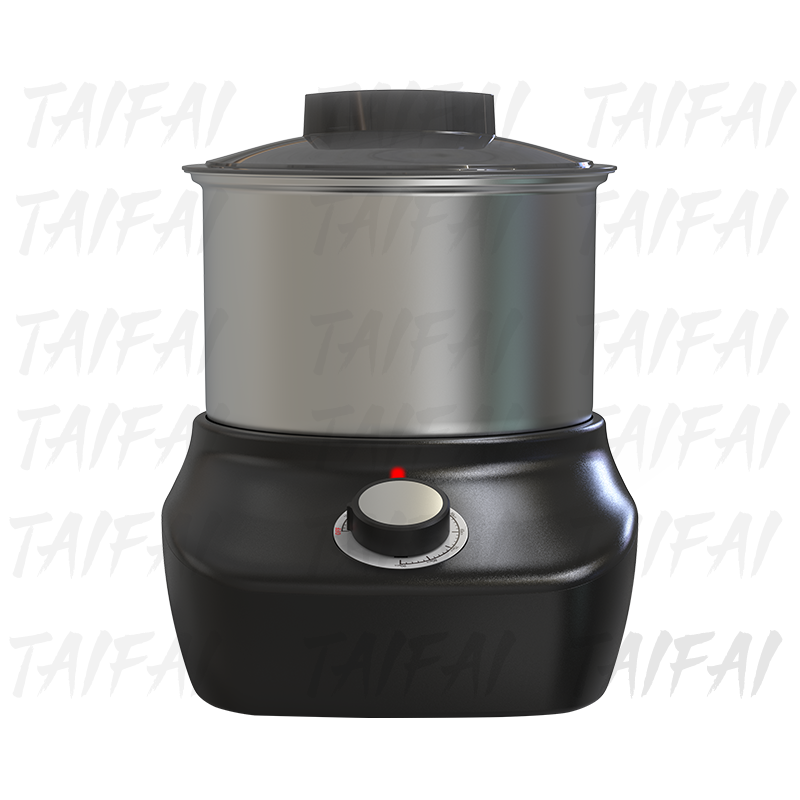
For stubborn residue, the user can fill the inner pot with warm water and a small amount of mild detergent. After soaking for fifteen to twenty minutes, a soft sponge or nylon brush can lift food particles without scratching the surface. Abrasive scouring pads, steel wool, and harsh chemical cleaners should be avoided because they damage the non-stick coating and may leave harmful residues.
If starch or sauce has burned onto the bottom, a paste of baking soda and water can be applied gently. The paste should sit for several minutes, then be wiped away with a soft cloth. The pot should be rinsed thoroughly and dried before it is placed back into the Swallow cooker. This method is safe for most non-stick surfaces and helps preserve the coating.
The lid, gasket, and steam valve often collect condensation, oil, and food particles. These parts should be removed and washed separately whenever possible. Warm soapy water and a soft brush are usually sufficient. The gasket should be inspected for cracks, stretching, or hardening. A damaged gasket cannot create a proper seal and should be replaced.
The steam valve requires special attention because it controls pressure and moisture release. If the valve is clogged, the Swallow cooker may not operate safely. The user should rinse the valve under warm water and use a small brush to clear any blockage. After cleaning, the valve should be dried completely and reinstalled according to the manual.
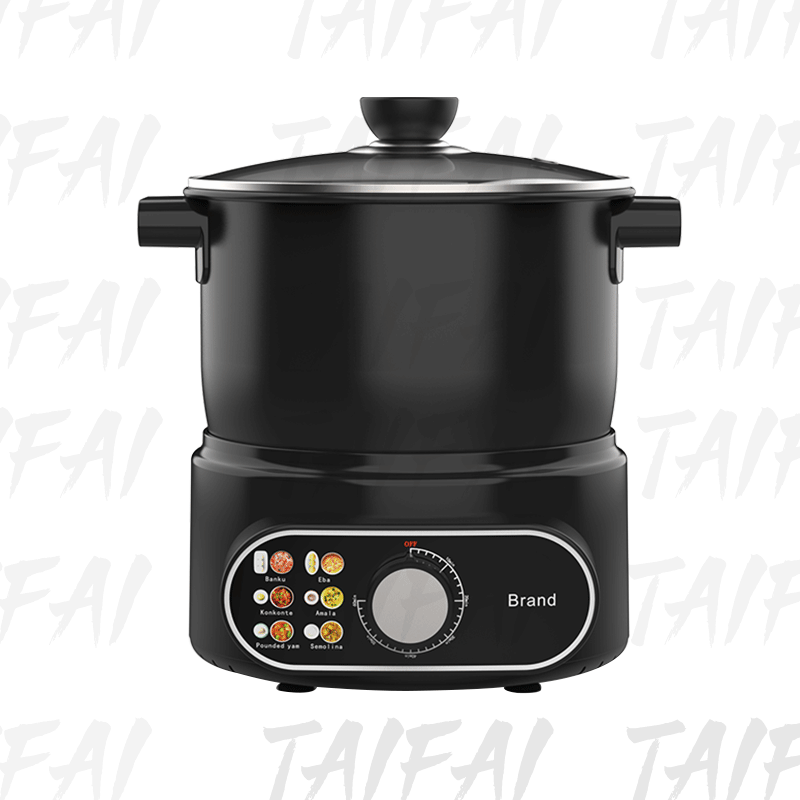
The heating plate should never be submerged in water. Instead, a damp cloth or a soft dry brush can remove crumbs and light residue. If oil has spilled onto the plate, a cloth with a little mild soap can be used, followed by a clean damp cloth. The surface must be dried immediately to prevent moisture damage.
The exterior of the Swallow cooker can be wiped with a soft damp cloth. Mild soap is acceptable, but abrasive cleaners and rough sponges should not be used because they can scratch the finish. The control panel should be wiped carefully, and excess water should never be allowed to enter buttons, vents, or seams.
Mineral deposits can appear after repeated use, especially in areas with hard water. A mixture of water and white vinegar can be simmered in the inner pot for ten to fifteen minutes. After the cooker cools, the owner should empty the solution and rinse the pot thoroughly. This process helps remove scale and freshens the interior.
Unpleasant odors can be reduced by cleaning all removable parts and leaving the lid open to air dry. A small amount of baking soda can be placed in the inner pot overnight to absorb lingering smells. The pot should then be washed and dried before the next cooking session. Strong odors often indicate that the gasket or steam valve needs a deeper clean.
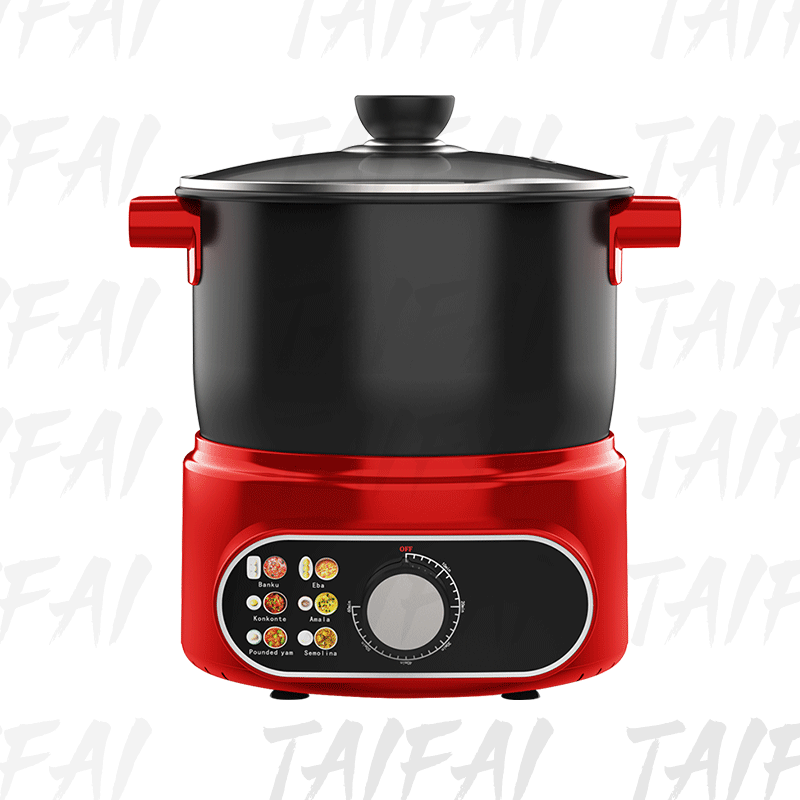
The non-stick coating of the Swallow cooker inner pot should be treated gently. Metal utensils, sharp knives, and abrasive cleaners can create scratches that cause food to stick. The user should choose wooden, silicone, or plastic utensils. When washing, a soft sponge or cloth is the safest option.
Stacking other cookware inside the inner pot should also be avoided. Even small impacts can damage the coating. If the non-stick surface becomes scratched or begins to peel, the inner pot should be replaced. Continuing to use a damaged pot may affect cooking performance and food release.
After cleaning and drying, the Swallow cooker should be stored in a dry, well-ventilated place. The power cord should be loosely wrapped and kept away from sharp edges. The lid should not be forced closed if the gasket is still damp. A clean, dry storage environment helps prevent mold, rust, and electrical problems.
The appliance should be handled with care during movement. Dropping the cooker or knocking the heating plate can damage internal components. The owner should also avoid storing heavy items on top of the cooker. Proper handling protects both the exterior finish and the internal heating system.
A simple schedule can keep the Swallow cooker in excellent condition. After every use, the inner pot and lid should be washed. Once a week, the gasket and steam valve should receive a deeper clean. Once a month, the heating plate and exterior can be inspected for residue or damage. Every few months, descaling may be necessary depending on water hardness and cooking frequency.
The user should also check the power cord for cracks, fraying, or overheating. If any part becomes damaged, the appliance should be repaired or replaced before further use. Preventive maintenance is less expensive than replacing a neglected cooker.
Jiangmen Taifai Technology Co.,Ltd, known as TAIFAI, is located in Jiangmen City, Guangdong Province, China, a flourishing home appliances manufacturing base. Founded in 2007, the company is a high-tech enterprise with independent research and development, production and sales. Its main products include electric blender, juicer, citrus juicer, hand mixer, hand blender, stand mixer, coffee grinder, chopper and food processor. TAIFAI supports OEM/ODM/CKD, holds 50 patents, and owns 50 moulds. Products follow ISO9001:2015 standards and many carry CE/CB/GS/RoHS certification. These facts show that careful engineering and quality management are central to modern kitchen appliances. The same care principles apply to the Swallow cooker: regular cleaning, gentle handling, and correct storage preserve performance.
Some inner pots are dishwasher safe, but the owner should always check the manufacturer instructions. Hand washing with mild soap and a soft sponge is generally the safest method because it protects the non-stick coating.
The gasket should be inspected after every deep clean. If it is cracked, loose, hardened, or no longer seals properly, it should be replaced. Many users replace the gasket every six to twelve months depending on use.
The user should soak the inner pot in warm soapy water, then gently remove residue with a soft sponge. A baking soda paste can help with stubborn stains. Abrasive tools should never be used.
The Swallow cooker can serve a household for years when it receives consistent, gentle care. Daily washing, weekly deep cleaning, monthly inspection, and periodic descaling are simple habits that protect the appliance and improve cooking results. By avoiding harsh chemicals, metal utensils, and water damage, the owner can preserve the non-stick surface, heating plate, gasket, and steam valve. With proper attention, the Swallow cooker remains a reliable and safe kitchen companion.


