


This review explored pap makers as tools for consistent home cooking. A pap maker automates stirring and heating to produce smooth, lump-free porridge from maize, millet, or other grains. Consistency improves texture, taste, nutrition, and food safety. Key features include motor power and torque, adjustable heating, a bottom-scraping paddle, suitable capacity, food-safe materials, easy cleaning, and safety certifications. The article also incorporated manufacturing insights from Jiangmen Taifai Technology Co.,Ltd, known as TAIFAI. Founded in 2007 and based in Jiangmen City, Guangdong Province, China, TAIFAI is a high-tech enterprise with independent research and development, production, and sales. Its main products include electric blender, juicer, citrus juicer, hand mixer, hand blender, stand mixer, coffee grinder, chopper, and food processor. The company supports OEM, ODM, and CKD, holds 50 patents, and owns 50 moulds. Its production follows ISO9001:2015 standards, and many products carry CE, CB, GS, and RoSH certification. These capabilities are relevant to pap maker development because they involve motors, blades, heating elements, and food-safe materials. Performance testing should cover fine and coarse maize, fermented porridge, large batches, and cleaning. Troubleshooting common issues such as lumps, scorching, and motor strain can improve results. Maintenance, proper recipes, and a careful buying guide support long-term satisfaction. The market for pap makers is growing as consumers seek traditional foods with modern convenience. Environmental considerations favor durable, energy-efficient models. Consumer reviews often praise time savings and consistent texture, while complaints focus on cleaning and motor performance. A pap maker is not for everyone, but for regular pap cooks, it can be a valuable investment. The final verdict is that a well-designed pap maker from a reputable manufacturer can deliver consistent, high-quality results. TAIFAI's experience, patents, own moulds, and certifications suggest it is a capable partner for producing such appliances. Home cooks who want repeatable porridge without constant stirring should consider a pap maker that prioritizes torque, even heating, easy cleaning, and safety. With the right model, consistent home cooking becomes not just possible but effortless.
In the modern home kitchen, consistency is often the difference between a meal that satisfies and one that disappoints. This is especially true for pap, a staple porridge made from maize meal, millet, or other grains. A pap maker promises to remove the guesswork from stirring, heating, and timing, allowing home cooks to achieve a smooth, lump-free texture every time. This review examines pap makers from the perspective of home cooks who want repeatable results. It also draws on manufacturing insights from Jiangmen Taifai Technology Co.,Ltd, a company known as TAIFAI, based in Jiangmen City, Guangdong Province, China. Founded in 2007, TAIFAI is a high-tech enterprise with independent research and development, production, and sales capabilities. Its main products include electric blenders, juicers, citrus juicers, hand mixers, hand blenders, stand mixers, coffee grinders, choppers, and food processors. Such a portfolio is relevant because a pap maker shares many engineering principles with these appliances, including motor design, blade or paddle geometry, heating control, and food-safe materials.
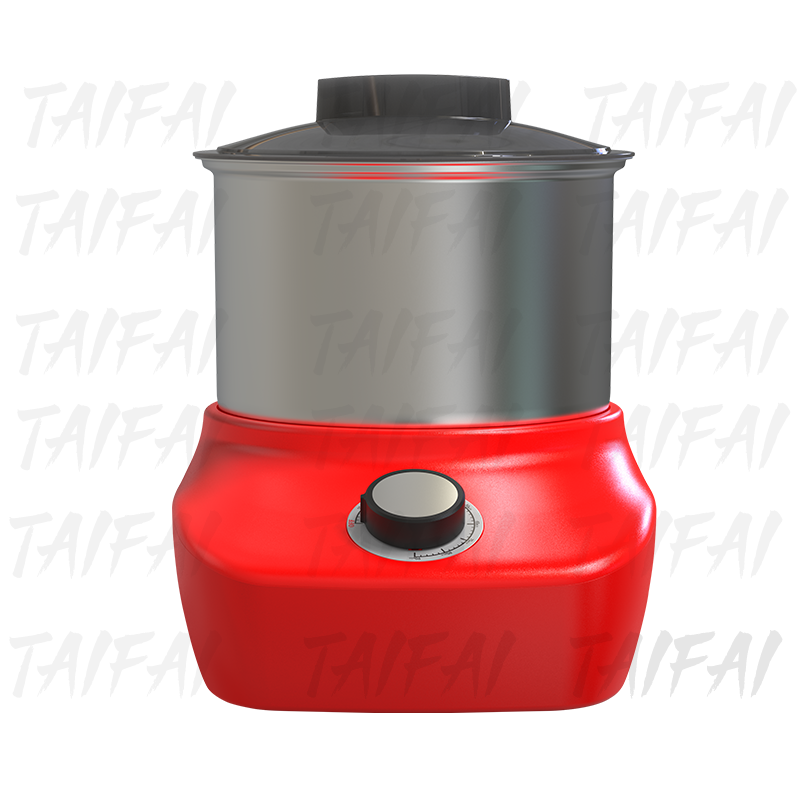
A pap maker is a countertop appliance designed to cook and stir maize meal, millet, or other grains into a smooth, lump-free porridge. Unlike a simple pot and wooden spoon, a pap maker automates stirring, temperature control, and timing. The result is a consistent texture that is difficult to achieve manually, especially when preparing large batches or when the cook is distracted by other tasks. A pap maker can be a dedicated single-purpose device, or it can be a multi-cooker with a specialized pap program. Some models resemble a blender with a heating element, while others look like a stand mixer with a cooking bowl. The best pap makers combine gentle heat, continuous scraping, and a motor strong enough to handle thick, sticky mixtures without stalling.
Manual-assist pap makers require the cook to add ingredients and start the machine, but they handle the stirring and heating. These models are often more affordable and simpler to repair. They suit cooks who want more control over the final texture and who do not mind monitoring the process. However, they may not be ideal for very large batches or for recipes that require precise timing.
undefined
Automatic electric pap makers offer preset programs for different grains and textures. They can soak, cook, and rest the porridge according to a built-in schedule. These models are convenient for busy households and for cooks who want consistent results without standing over the stove. The trade-off is a higher price and more complex electronics that require careful cleaning and maintenance.
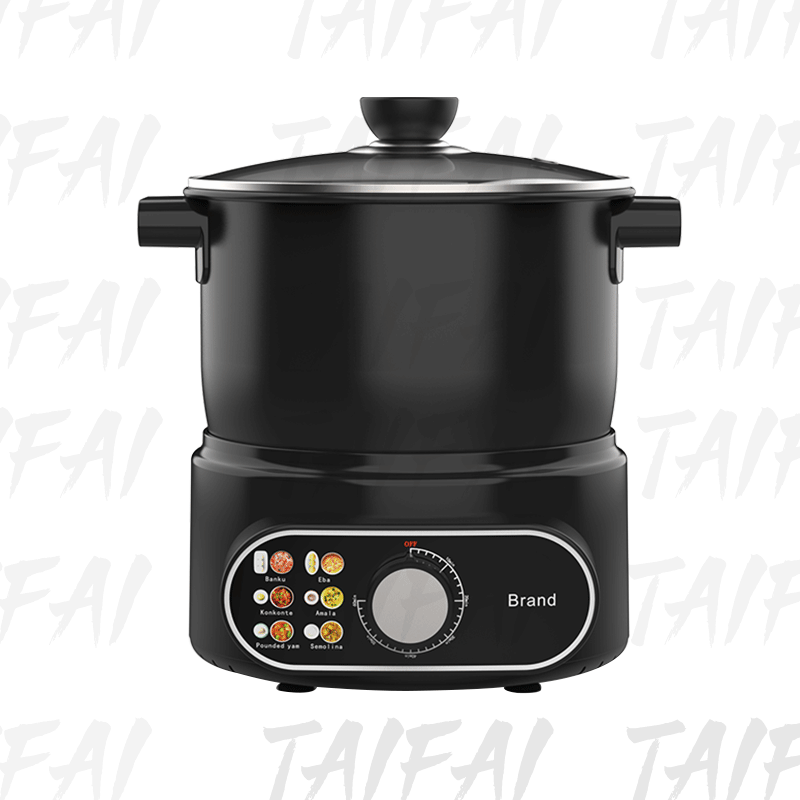
Multi-cooker hybrids combine pap making with other functions such as steaming, stewing, and yogurt making. They appeal to cooks with limited counter space. The pap function may be less specialized than that of a dedicated pap maker, but a well-designed hybrid can still produce excellent results. The key is to look for a model with a strong stirring mechanism and a heating element that can maintain a low, even temperature.
Consistency is not just a matter of pride for the cook. It affects texture, taste, nutrition, and even food safety. When pap is smooth and evenly cooked, it is more pleasant to eat and easier to digest. When it is lumpy or scorched, it can be unpleasant and may even contain undercooked grain. A pap maker helps eliminate these variables by controlling the cooking environment. This is particularly important in households where different people prepare the same dish and want it to taste the same every time. It is also valuable for meal planning, because a reliable pap maker allows the cook to predict how much time and energy the dish will require.
Consistency also matters for cultural and family traditions. Pap is often served with savory stews, grilled meats, vegetables, or milk. The texture of the pap can complement or clash with these accompaniments. A smooth, firm pap holds up well to rich sauces, while a softer pap may be preferred for breakfast or for children. A pap maker gives the cook the ability to choose a texture and repeat it. This repeatability turns a daily chore into a dependable routine. Over time, the cook can develop a personal standard and trust the appliance to meet it.
Texture is the most immediate quality of pap. A good pap maker should produce a porridge that is free of dry pockets and lumps. The stirring action must reach the bottom and sides of the bowl, because that is where sticking and burning begin. The paddle or auger should move at a speed that folds the mixture without splashing. If the motor is too weak, it may slow down when the pap thickens, leading to uneven cooking. If the motor is too strong, it may overwork the starch and create a gluey texture. The ideal pap maker balances power and gentleness.
Even cooking also supports nutritional uniformity. When grain is cooked evenly, the starch gelatinizes consistently, and the porridge becomes easier to digest. Undercooked grain can be difficult for the body to process, while overcooked grain may lose some nutrients and flavor. A pap maker with precise temperature control helps preserve the natural taste of maize, millet, or sorghum. It also allows the cook to add ingredients such as milk, butter, or fermented starter at the right time without causing curdling or separation.
Manual pap preparation can take thirty minutes or more of near-constant stirring. A pap maker reduces active cooking time and can often be left to run while the cook prepares other dishes. This efficiency is valuable in busy households. It also reduces energy waste, because the appliance can maintain a steady temperature instead of repeatedly heating and cooling a pot on a stove. The best models use insulated bowls or efficient heating elements to keep the porridge warm without consuming excessive electricity.
| Feature | Why It Matters | What to Look For |
|---|---|---|
| Motor power | Handles thick porridge without stalling | At least 200 watts for small batches; 400 watts or more for family sizes |
| Heating control | Prevents scorching and ensures even cooking | Adjustable thermostat or preset temperature ranges |
| Stirring mechanism | Prevents lumps and sticking | Bottom-scraping paddle or dual-action stirrer |
| Capacity | Matches household size | 1 to 2 liters for small families; 3 to 5 liters for larger households |
| Materials | Food safety and durability | Stainless steel, BPA-free plastic, non-stick coatings |
| Cleaning | Encourages regular use | Removable bowl, dishwasher-safe parts, smooth surfaces |
| Safety | Prevents burns and electrical hazards | Auto shut-off, cool-touch handles, non-slip base |
Motor power is often listed in watts, but torque is equally important. Pap thickens as it cooks, and a motor with high torque can maintain speed under load. A low-torque motor may slow down or stop, leaving the porridge uneven. For small batches, a 200-watt motor may be sufficient. For family-sized batches, a 400-watt or higher motor is preferable. Some manufacturers, including TAIFAI, have experience producing electric blenders, hand mixers, and food processors, which require similar motor and gearbox engineering. This experience can translate into more reliable pap makers.
The heating element should distribute heat evenly across the bottom and lower sides of the bowl. A simple on-off thermostat may cause temperature swings that lead to scorching. A proportional controller or multiple heat settings can maintain a steady temperature. Some pap makers include a keep-warm mode that holds the porridge at a safe temperature without continuing to cook it. This feature is useful for households where meals are served at different times.
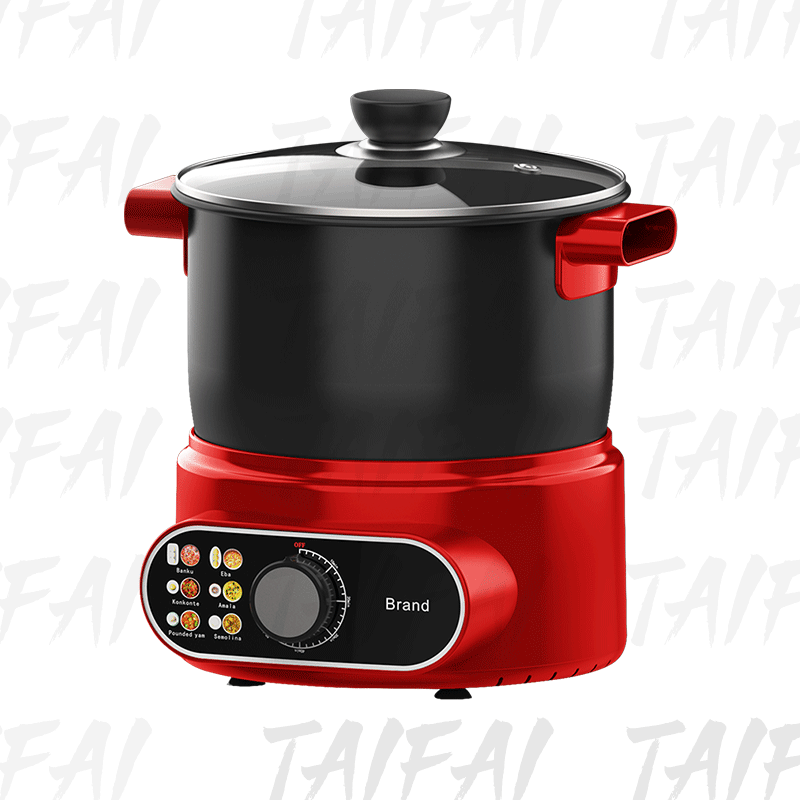
The stirring mechanism is the heart of a pap maker. A single paddle that scrapes the bottom is the minimum requirement. Better models use a dual-action system that stirs from the center outward while also scraping the sides. Some use a rotating bowl and a stationary paddle, which can be very effective. The paddle material should be heat-resistant and food-safe. It should also be easy to remove for cleaning. If the paddle is difficult to clean, starch residue can build up and affect future batches.
Capacity should match the household. A one-liter model is suitable for one or two people. A two- to three-liter model works for small families. A four- to five-liter model is better for large families or for meal prep. It is important not to overfill a pap maker, because the porridge expands as it cooks and thickens. Overfilling can cause spills, uneven cooking, and motor strain. The best models include clear maximum-fill markings.
Materials affect safety, durability, and taste. Stainless steel bowls are durable and resistant to staining. Non-stick coatings make cleaning easier but must be cared for with soft utensils. Plastic parts should be BPA-free and heat-resistant. The base should be heavy enough to prevent tipping when the motor is running. Buttons and dials should feel solid. A well-built pap maker may cost more upfront, but it can last for years. Manufacturers such as TAIFAI follow ISO9001:2015 standards and produce goods with strict management of production operation and quality, which is a positive sign for build quality.
Cleaning is a common reason appliances fall out of use. A pap maker with a removable bowl and paddle is much easier to clean than one with a fixed bowl. Parts that are dishwasher-safe save time. Smooth surfaces without crevices prevent starch from drying in hard-to-reach areas. Some models include a self-clean mode that adds water and runs the stirrer. While convenient, self-clean modes should not replace thorough manual cleaning. Regular maintenance includes checking the power cord, descaling the heating element if necessary, and storing the appliance in a dry place.
TAIFAI, or Jiangmen Taifai Technology Co.,Ltd, is located in China, a flourishing home appliances manufacturing base in Jiangmen City, Guangdong Province. Founded in 2007, the company is a high-tech enterprise with capabilities and services of independent research and development, production, and sales. Its main products include electric blender, juicer, citrus juicer, hand mixer, hand blender, stand mixer, coffee grinder, chopper, and food processor. This broad portfolio demonstrates experience with motors, blades, heating elements, and food-safe materials. For a pap maker, these competencies are directly relevant. The stirring paddle is similar to a blender or food processor blade in terms of balance and durability. The motor must handle thick mixtures, much like a stand mixer handles dough. The heating system must be safe and controllable, as in a multi-cooker or coffee grinder with thermal protection.
TAIFAI supports OEM, ODM, and CKD services. This means the company can help brands develop custom pap makers, from initial concept to final production. It holds 50 patents and owns 50 moulds. Own moulds are important because they allow for consistent manufacturing tolerances and faster production. Patents indicate investment in innovation, which can lead to better designs and unique features. TAIFAI's products have been approved for dozens of patents, and production follows ISO9001:2015 standards. The company insists on strict management of production operation and quality. This is significant for a pap maker, because small variations in motor speed, paddle clearance, or heating calibration can affect the final texture of the porridge.
A variety of TAIFAI products have CE, CB, GS, and RoSH certification with fantastic design, good performance, multi-functional features, and reasonable price. These certifications are relevant to pap makers because they cover electrical safety, electromagnetic compatibility, and hazardous substance restrictions. For home cooks, a certified appliance provides peace of mind. For brands, working with a manufacturer that already understands these standards can shorten development time and reduce compliance risk. TAIFAI is focusing on the manufacturing and service of kitchen electric appliances, and it is a professional kitchen appliances manufacturer with excellent scale and technology in China. It is a high quality kitchen electric appliances provider integrating design, research, development, production, sales, and service. This end-to-end capability can support the creation of a pap maker that is both reliable and affordable.
A pap maker should be judged by its output, not just its specifications. In a typical review, several batches of pap are prepared using different grains and ratios. The reviewer observes how quickly the appliance reaches cooking temperature, how evenly it stirs, and how easy it is to clean afterward. The following tests represent common scenarios in home cooking.
Fine maize meal is the most common ingredient for pap. It absorbs water quickly and can form lumps if not stirred immediately. A good pap maker should combine the meal and water without dry pockets. The stirring paddle should move the mixture continuously, scraping the bottom to prevent scorching. The resulting porridge should be smooth, glossy, and free of graininess. If the appliance leaves lumps, it may need a different paddle design or a slower initial mixing phase. If it scorches, the heating element may be too concentrated or the thermostat may be inaccurate.
Coarse maize meal requires more cooking time and stronger stirring. The larger particles are heavier and tend to settle. A pap maker with good torque will keep them suspended. The final texture should be hearty but not gritty. The appliance should not stall or slow down noticeably. If it does, the motor may be undersized for family-sized batches. Some cooks prefer coarse pap for its nutty flavor and firmer bite. A versatile pap maker should offer settings for both fine and coarse textures.
Fermented porridge, such as ogi or mageu, has a tangy flavor and a thinner consistency before cooking. It can be more prone to splashing. A pap maker with a splash guard or a tall bowl is advantageous. The heating should be gentle to avoid curdling. The stirring should be continuous but not so vigorous that it incorporates too much air. The final product should be smooth and slightly sour. Cleaning after fermented porridge is important because the acidity can affect some materials over time. Stainless steel and glass are good choices.
Large batches test capacity, power, and heat distribution. A five-liter batch of pap is heavy and thick. The motor must maintain speed, and the heating element must cook the center as well as the edges. A poorly designed pap maker may leave a scorched layer at the bottom while the top remains undercooked. A well-designed model will have a broad heating plate and a paddle that reaches all areas. The reviewer should also check whether the appliance becomes unstable or moves on the counter. A non-slip base and a heavy body are essential.
After cooking, the bowl and paddle are coated with sticky starch. The reviewer should assess how easily the parts detach and whether starch can be rinsed away. A removable bowl that can be soaked is a major advantage. If the paddle has crevices, a small brush may be needed. A self-clean cycle can help, but it should not be the only method. The best pap makers are designed with cleaning in mind, because cooks are more likely to use an appliance that is easy to maintain.
Usability covers the entire experience, from unboxing to daily operation. A good pap maker should have clear controls, a readable display, and a manual that explains different grain-to-water ratios. It should be easy to assemble and disassemble. The lid should lock securely but not require excessive force. The steam vent should be positioned to avoid burns. The appliance should fit under standard kitchen cabinets. These details may seem minor, but they determine whether the pap maker becomes a trusted tool or a cupboard ornament.
Cleaning is equally important. Starch becomes hard and glue-like when it dries. A pap maker with a non-stick bowl may be easier to rinse, but the coating must be protected from abrasive sponges. Stainless steel can handle more vigorous cleaning but may show water spots. Removable silicone seals should be cleaned regularly to prevent odors. If the heating element is exposed, it should be wiped carefully and never submerged. A well-designed appliance minimizes the number of parts that touch food and makes those parts easy to remove.
Safety is a non-negotiable feature in any kitchen appliance. A pap maker combines heat, electricity, and moving parts, so it must be designed with multiple safeguards. Look for automatic shut-off when the bowl is removed or when the motor overheats. The exterior should remain cool to the touch during operation. The base should be stable, and the cord should be short enough to prevent tripping but long enough to reach an outlet. The lid should have a steam vent that directs hot vapor away from the user. The paddle should stop moving when the lid is opened.
Certifications provide independent verification of safety and quality. TAIFAI products have CE, CB, GS, and RoSH certification, among others. CE indicates conformity with European health, safety, and environmental protection standards. CB is an international certification that supports acceptance in many countries. GS is a German safety mark. RoSH restricts the use of hazardous substances in electrical and electronic equipment. For a pap maker, these certifications mean the appliance has been tested for electrical safety, material safety, and environmental compliance. Home cooks should look for similar marks when buying any brand. They should also check for a warranty and a customer service contact.
While a dedicated pap maker excels at porridge, many home cooks prefer an appliance that can do more. Some models can prepare custard, soup, stew, and even yogurt. This versatility is similar to the multi-functional approach seen in TAIFAI's product range, which includes electric blenders, juicers, citrus juicers, hand mixers, hand blenders, stand mixers, coffee grinders, choppers, and food processors. A pap maker with multiple functions can replace several small appliances, saving counter space and money. However, versatility should not come at the expense of pap quality. The best multi-function pap makers have a dedicated pap program that controls stirring and heating specifically for grain porridge.
Beyond porridge, a pap maker can be used to make baby food, soft polenta, and even thick sauces. The stirring action is useful for any dish that requires constant movement to prevent sticking. The heating element can be used to warm soups or to melt chocolate, provided the temperature can be set low enough. Some models include a steaming basket for vegetables. These extra functions can make the appliance more valuable, but they also add complexity. The buyer should prioritize the core pap function and treat additional features as bonuses.
| Appliance | Primary Function | Suitability for Pap | Key Difference |
|---|---|---|---|
| Blender | Blending liquids and purees | Can mix pap ingredients but does not cook | No heating element; may not scrape thick porridge |
| Food processor | Chopping, slicing, mixing | Can combine dry ingredients but not cook | Blades are designed for cutting, not stirring thick starch |
| Stand mixer | Mixing dough and batter | Can stir, but bowl is not heated | No cooking function; may not reach bottom of bowl |
| Multi-cooker | Cooking various dishes | Can cook porridge with a porridge setting | Stirring may be absent or less effective |
| Pap maker | Cooking and stirring porridge | Purpose-built for consistent pap | Combines heat and continuous scraping |
This comparison shows why a dedicated pap maker is different from general-purpose appliances. A blender can pulverize grains, but it cannot cook them. A food processor can mix, but it does not heat. A stand mixer can stir, but it does not cook. A multi-cooker can cook, but it may not stir continuously. A pap maker combines these functions in a way that is optimized for porridge. That specialization is its greatest strength. For home cooks who make pap frequently, a dedicated appliance is often worth the investment. For those who make pap occasionally, a multi-cooker with a stirring paddle may be sufficient.
Many pap makers on the market are produced by contract manufacturers. The quality of the final product depends heavily on the manufacturer's standards. TAIFAI supports OEM, ODM, and CKD services, which means it can produce appliances under a brand's specifications or develop new designs from scratch. This flexibility is important for brands that want to enter the pap maker market. It also benefits consumers, because competition among manufacturers leads to better features and lower prices. TAIFAI's production follows ISO9001:2015 standards. This international standard requires a documented quality management system, consistent processes, and continuous improvement. It does not guarantee a perfect product, but it indicates that the manufacturer has a structured approach to quality.
TAIFAI also holds 50 patents and owns 50 moulds. Patents can cover mechanical designs, heating controls, safety features, and aesthetic elements. Own moulds allow the company to control tolerances and production speed. For a pap maker, this means the paddle, bowl, and lid can be manufactured to fit precisely. A loose-fitting paddle can leave unmixed patches, while an overly tight one can strain the motor. Precise moulds help avoid these problems. The company's experience with dozens of approved patents and certifications such as CE, CB, GS, and RoSH further supports its ability to produce compliant appliances. These factors matter to consumers who want a safe, durable, and effective pap maker.
TAIFAI's main products include electric blender, juicer, citrus juicer, hand mixer, hand blender, stand mixer, coffee grinder, chopper, and food processor. Each of these appliances contributes knowledge that can be applied to pap makers. Blenders and food processors teach blade design, motor cooling, and jar sealing. Hand mixers and stand mixers teach torque management and paddle geometry. Coffee grinders teach precision and thermal control. Choppers teach safety interlocks and easy cleaning. By integrating these competencies, TAIFAI can design a pap maker that is greater than the sum of its parts.
The company is located in Jiangmen City, Guangdong Province, China, a flourishing home appliances manufacturing base. This location provides access to suppliers, skilled labor, and logistics networks. Founded in 2007, TAIFAI has grown into a high-tech enterprise with independent research and development, production, and sales. Its focus on kitchen electric appliances has given it excellent scale and technology in China. As a high quality kitchen electric appliances provider, it integrates design, research, development, production, sales, and service. This integration allows for faster iteration and better quality control. For a pap maker, that means improvements in stirring efficiency, heating accuracy, and user safety can be implemented more quickly.
Even the best pap maker requires good ingredients and proper technique. The following recipes and techniques can help home cooks get the most from their appliance. They are written for a generic pap maker, but the principles apply to most models. The key is to respect the grain-to-water ratio and to allow the appliance to do its job without constant interference.
Combine one part fine maize meal with four parts water in the pap maker bowl. Add a pinch of salt if desired. Start the appliance on the mix setting for thirty seconds to disperse the meal. Then switch to the cook setting. The pap maker will heat and stir the mixture until it thickens. This usually takes fifteen to twenty minutes. If the porridge becomes too thick, add hot water in small amounts. The final texture should be smooth and glossy. Serve immediately with milk, butter, or a savory stew.
Fermented pap requires planning ahead. Soak the maize meal in water for one to three days, depending on the desired sourness. Drain and rinse the meal, then place it in the pap maker with fresh water. Use a gentle heat setting to avoid curdling. Stir continuously until the porridge thickens. The fermentation gives the pap a tangy flavor and a slightly thinner consistency. Some cooks add a little sugar or honey before serving. Clean the pap maker thoroughly after use, because fermented residue can leave an odor.
Millet pap is lighter and nuttier than maize pap. Use one part millet flour with five parts water. Millet can be more prone to foaming, so keep the lid slightly ajar if the model allows. Cook on a low setting and stir frequently. The pap maker should maintain a gentle simmer. The final porridge should be smooth and creamy. Millet pap pairs well with roasted vegetables or a mild curry.
Instant pap is precooked and dried. It only needs hot water and a brief stir. A pap maker can be used to heat water and stir the instant powder, but it is not necessary. For best results, heat the water in the pap maker, then add the instant powder while the stirrer is running. This prevents lumps. The appliance should be set to a low speed to avoid splashing. Instant pap is convenient, but it may not have the same depth of flavor as traditionally cooked pap.
| Problem | Possible Cause | Solution |
|---|---|---|
| Lumps in the pap | Meal added too quickly or stirring insufficient | Add meal slowly while the stirrer runs; use a slower initial mix |
| Scorching at the bottom | Heating too high or paddle not scraping | Lower the temperature; check paddle alignment and bowl condition |
| Motor slows or stops | Batch too large or porridge too thick | Reduce batch size; add water gradually; allow motor to cool |
| Pap too thin | Too much water or not enough cooking time | Add more meal gradually; extend cooking time |
| Pap too thick | Too little water or overcooking | Add hot water in small amounts; reduce cooking time |
| Sticking and burning | Paddle worn or bowl scratched | Replace paddle; avoid metal utensils; clean thoroughly |
| Unpleasant odor | Residue from previous batches | Soak and wash all removable parts; check seals |
A pap maker can last for many years with proper care. After each use, unplug the appliance and allow it to cool. Remove the bowl and paddle, then rinse them with warm water. Avoid abrasive cleaners that can scratch non-stick surfaces. If starch has dried, soak the parts in warm soapy water before washing. Wipe the base with a damp cloth and dry it immediately. Never immerse the base in water. Check the power cord for damage. If the appliance has a heating element, descale it periodically with a vinegar and water solution if the manufacturer recommends it. Store the pap maker in a dry place, and do not wrap the cord tightly around the appliance. These simple habits can prevent many common problems.
When buying a pap maker, consider the following factors. First, determine the batch size needed. A small household may only need a one- or two-liter model. A large family may need four or five liters. Second, check the motor power and torque. A higher wattage is not always better, but it usually indicates more capacity for thick mixtures. Third, examine the heating control. A adjustable thermostat is better than a simple on-off switch. Fourth, look at the stirring mechanism. A bottom-scraping paddle is essential. Fifth, consider materials. Stainless steel and BPA-free plastic are good choices. Sixth, check safety certifications such as CE, CB, GS, and RoSH. Seventh, read reviews about cleaning and durability. Eighth, compare prices and warranties. A reasonable price does not always mean low quality, especially when the manufacturer has strong production standards.
The market for kitchen appliances continues to grow, driven by busy lifestyles and a desire for home-cooked meals. Pap makers appeal to consumers who want traditional foods with modern convenience. Manufacturers such as TAIFAI are well positioned to serve this market. Their experience with electric blenders, juicers, hand mixers, stand mixers, coffee grinders, choppers, and food processors gives them a broad understanding of consumer needs. They support OEM, ODM, and CKD, allowing brands to create customized pap makers for different regions. The company's 50 patents and 50 own moulds indicate a strong foundation for innovation. Certifications such as CE, CB, GS, and RoSH help products meet international requirements. As more consumers seek consistent results, the demand for reliable pap makers is likely to increase.
Consumers are increasingly aware of the environmental impact of their appliances. A durable pap maker that lasts for years is more sustainable than a cheap model that fails quickly. Energy efficiency also matters. A well-insulated bowl and precise thermostat can reduce electricity use. Manufacturers can contribute by using recyclable materials, minimizing packaging, and complying with RoSH restrictions on hazardous substances. TAIFAI's adherence to ISO9001:2015 and its focus on quality management support these goals. Home cooks can also reduce waste by cooking only the amount of pap needed and by using leftovers creatively. Proper maintenance extends the life of the appliance, which is one of the simplest ways to reduce environmental impact.
Across online reviews, users often praise pap makers for saving time and reducing lumps. Many appreciate the ability to walk away while the porridge cooks. They also value the consistent texture, especially when cooking for children or elderly family members. Some users mention that a pap maker makes it easier to prepare large batches for gatherings. Common complaints include difficulty cleaning, motor strain with thick batches, and inaccurate temperature settings. These complaints highlight the importance of choosing a well-designed model from a reputable manufacturer. Brands that work with experienced partners such as TAIFAI can address these issues through better engineering and quality control.
A pap maker is not for everyone. Cooks who rarely eat pap may not need a dedicated appliance. Those with limited counter space may prefer a multi-cooker. People who enjoy the hands-on process of stirring may not want automation. A pap maker also requires cleaning and maintenance, which some users find burdensome. Additionally, not all pap makers are equally good at handling coarse grains or fermented mixtures. Buyers should choose a model that matches their specific needs. If a household primarily makes instant pap, a simple kettle and whisk may be sufficient. A pap maker is most valuable for those who cook traditional porridge regularly and want consistent results.
A high-quality pap maker can transform home cooking by delivering consistent texture, reducing active cooking time, and minimizing the risk of lumps and scorching. The best models combine strong torque, even heating, a bottom-scraping paddle, and easy-to-clean parts. Safety certifications and durable materials are essential. Manufacturers such as Jiangmen Taifai Technology Co.,Ltd, known as TAIFAI, demonstrate the kind of engineering and quality management that can produce reliable kitchen appliances. Founded in 2007 and based in Jiangmen City, Guangdong Province, China, TAIFAI is a high-tech enterprise with independent research and development, production, and sales. Its product range includes electric blender, juicer, citrus juicer, hand mixer, hand blender, stand mixer, coffee grinder, chopper, and food processor. The company supports OEM, ODM, and CKD, holds 50 patents, and owns 50 moulds. Its production follows ISO9001:2015 standards, and many products carry CE, CB, GS, and RoSH certification. These credentials suggest that a pap maker developed or manufactured by such a company can offer fantastic design, good performance, multi-functional features, and a reasonable price. For home cooks who value consistency, a well-chosen pap maker is a worthwhile addition to the kitchen. It turns a time-consuming task into a reliable routine, allowing the cook to focus on the rest of the meal.
This review examined pap makers as tools for consistent home cooking. A pap maker automates stirring and heating, producing smooth, lump-free porridge from maize, millet, or other grains. Consistency matters because it affects texture, taste, nutrition, and food safety. Key features to evaluate include motor power and torque, heating control, stirring mechanism, capacity, materials, cleaning ease, and safety certifications. The review also drew on manufacturing insights from Jiangmen Taifai Technology Co.,Ltd, known as TAIFAI. Founded in 2007 and located in Jiangmen City, Guangdong Province, China, TAIFAI is a high-tech enterprise with independent research and development, production, and sales. Its main products include electric blender, juicer, citrus juicer, hand mixer, hand blender, stand mixer, coffee grinder, chopper, and food processor. The company supports OEM, ODM, and CKD, holds 50 patents, and owns 50 moulds. Its production follows ISO9001:2015 standards, and many products have CE, CB, GS, and RoSH certification. These capabilities are relevant to pap maker development because they involve motors, blades, heating elements, and food-safe materials. Performance testing should cover fine and coarse maize, fermented porridge, large batches, and cleaning. Troubleshooting common issues such as lumps, scorching, and motor strain can help users get better results. Maintenance, proper recipes, and a careful buying guide are essential for long-term satisfaction. The market for pap makers is growing as consumers seek traditional foods with modern convenience. Environmental considerations favor durable, energy-efficient models. Consumer reviews often praise time savings and consistent texture, while complaints focus on cleaning and motor performance. A pap maker is not for everyone, but for regular pap cooks, it can be a valuable investment. The final verdict is that a well-designed pap maker from a reputable manufacturer can deliver consistent, high-quality results. TAIFAI's experience, patents, own moulds, and certifications suggest it is a capable partner for producing such appliances. Home cooks who want repeatable porridge without constant stirring should consider a pap maker that prioritizes torque, even heating, easy cleaning, and safety. With the right model, consistent home cooking becomes not just possible but effortless.


