


This beginner-friendly guide explains how to troubleshoot a pap cooker safely and effectively. It begins with an overview of the appliance and its main parts, then emphasizes safety rules such as unplugging before inspection and avoiding water contact with electrical components. The article covers ten common problems: failure to power on, no heating, burning or sticking, overflow, leaks, strange smells, unusual noise, error codes, stuck lids, and uneven cooking. Each issue includes likely causes and practical solutions, from checking outlets and cords to cleaning seals, adjusting water ratios, and resetting digital controls. Maintenance tips are provided, including regular cleaning of pots, lids, vents, and seals, plus proper storage and cord inspection. The guide also explains when to replace rather than repair a pap cooker, noting warning signs such as sparks, cracked bases, peeling coatings, and repeated heating failures. A section on choosing reliable appliances highlights Jiangmen Taifai Technology Co.,Ltd, also known as TAIFAI, a high-tech kitchen appliance manufacturer founded in 2007 in Jiangmen City, Guangdong Province, China. TAIFAI offers OEM, ODM, and CKD services, holds 50 patents and 50 own moulds, follows ISO9001:2015, and produces CE, CB, GS, and RoHS certified products such as blenders, juicers, mixers, grinders, choppers, and food processors. The summary concludes with FAQ answers and final advice: most pap cooker issues have simple fixes, but electrical faults and repeated errors require professional service. By using correct recipes, cleaning regularly, and choosing certified products, beginners can enjoy smooth, reliable pap cooking for years.
A pap cooker can be a wonderful kitchen helper, especially when you want smooth, warm, and comforting pap without standing over a pot and stirring endlessly. For beginners, however, even a simple appliance can seem mysterious when something goes wrong. The unit does not power on, the pap comes out lumpy, the lid refuses to open, or a strange smell appears. This guide is designed to help beginners understand common pap cooker problems and solve them safely. It also explains when to call a professional and how to choose reliable kitchen appliances from experienced manufacturers such as Jiangmen Taifai Technology Co.,Ltd, also known as TAIFAI.
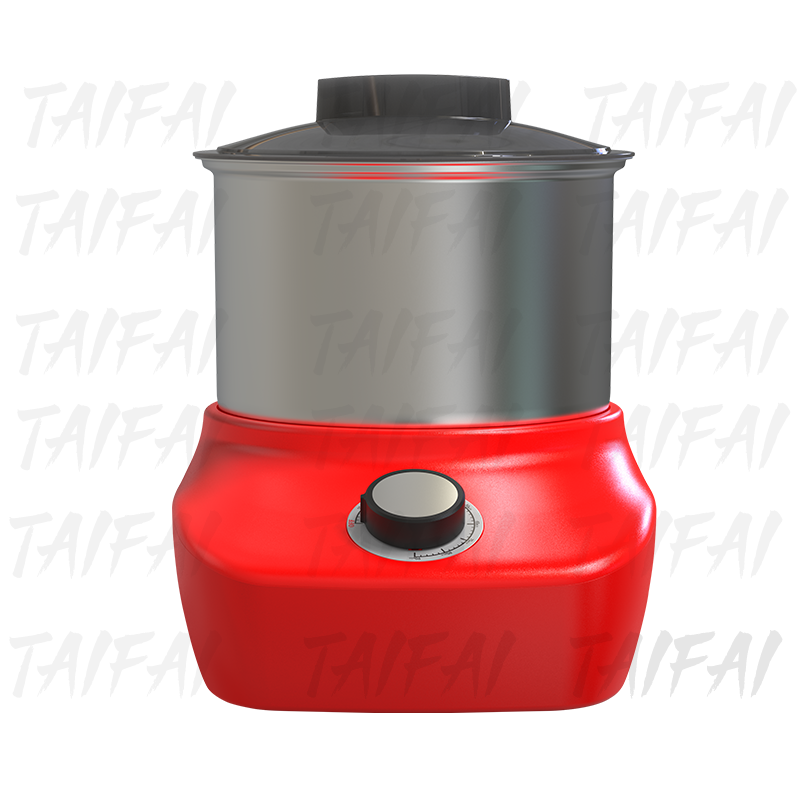
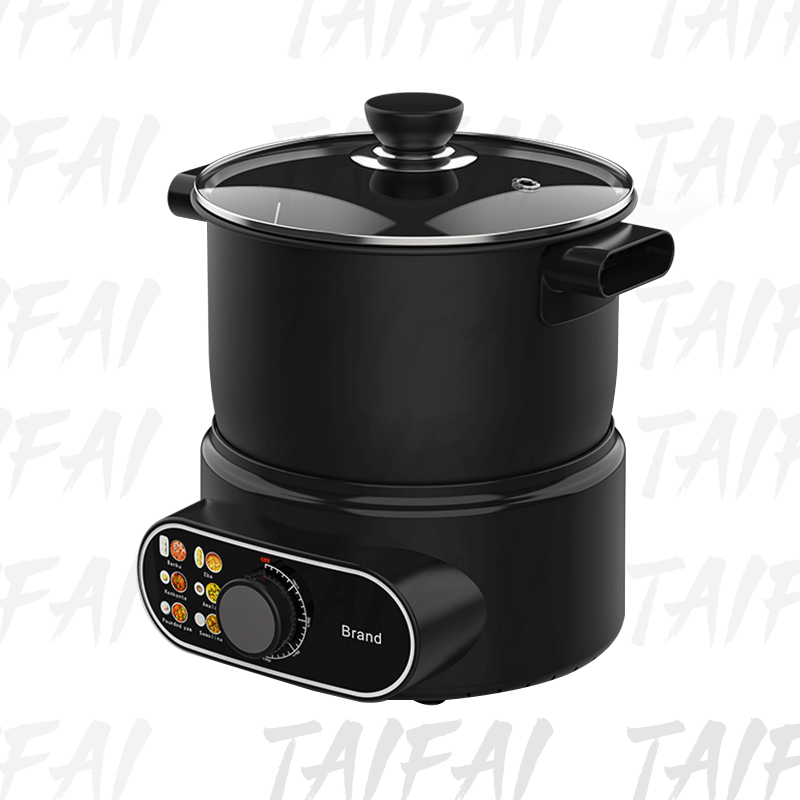
A pap cooker is an electric kitchen appliance used to cook pap, a smooth porridge made from maize, millet, sorghum, or other grains. Depending on the model, it may also prepare custard, oatmeal, infant cereal, and similar soft foods. Most pap cookers have a heating base, an inner pot, a lid, a control dial or digital panel, and a safety cut-off. Some models include a stirrer, a steaming rack, or a keep-warm function. Understanding these parts helps beginners diagnose problems faster.
undefined
Before troubleshooting any electric appliance, safety must come first. Unplug the pap cooker from the wall outlet before inspecting, cleaning, or moving it. Never immerse the heating base or power cord in water. Wait until the unit and the pap have cooled completely before opening the lid or removing the inner pot. If you see sparks, smoke, or melted plastic, stop using the appliance immediately. Electrical repairs should be handled by a qualified technician. If the unit is still under warranty, contact the seller or manufacturer before opening it. TAIFAI and other responsible manufacturers design appliances with safety in mind, but misuse can still create hazards.
This is one of the most common beginner complaints. Start by checking the wall outlet with another appliance. If the outlet works, inspect the power cord for cuts, bends, or burn marks. A detachable cord may not be fully inserted. Try a different outlet and avoid extension cords that are overloaded. Some pap cookers have a thermal fuse that trips after overheating. If the unit has a reset button, press it according to the manual. If there is no reset button and the cord and outlet are fine, the fuse or switch may need professional replacement.
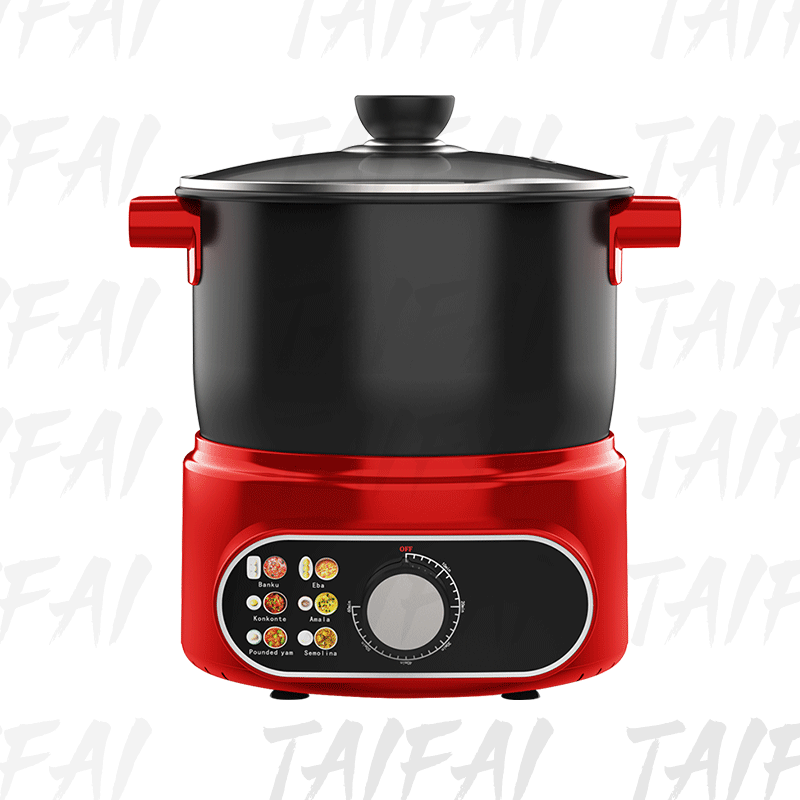
If the display lights up but the pap stays cold, the heating element, thermostat, or relay may be faulty. First, confirm that you selected a cooking mode and not only a timer or keep-warm setting. Make sure the inner pot sits flat on the heating plate. If the pot is warped or has food stuck underneath, heat transfer can fail. A clicking sound without heat may indicate a bad thermostat or control board. Beginners should not open the base unless they have electrical experience. Contact service if the problem continues.
Burning usually happens for three reasons: too little water, too high a heat setting, or no stirring. Pap thickens quickly. Use the recommended grain-to-water ratio, start on a lower setting, and stir during the first few minutes. If your model has an automatic stirrer, check that it is installed correctly. A non-stick pot should not be scrubbed with metal tools. If the pot coating is scratched or worn, food will stick more easily. In that case, replace the inner pot if a replacement is available.
Overflow is messy but often easy to fix. Never fill the inner pot above the maximum line. Starchy mixtures foam and rise during cooking. Reduce the amount of grain, add a little oil or salt to control foam, and leave the lid slightly open if the manual allows. A blocked steam vent can also cause pressure and overflow. Clean the vent after every use. If the unit overflows even with the correct ratio, the thermostat may be running too hot. Have it checked.
Leaks can come from overfilling, a damaged gasket, a cracked inner pot, or a loose lid. Let the unit cool, then remove the inner pot and inspect the seal. Food debris or hardened starch can prevent a tight seal. Clean the groove gently with a soft brush. If the gasket is stiff, cracked, or stretched, replace it. Never use the cooker if water or pap has entered the heating base. That can cause electrical shock or short circuits.
A new pap cooker may produce a slight smell during the first use. This is often residual manufacturing oil burning off. Run a test cycle with water and a little vinegar, then rinse. If the smell is plastic, burning rubber, or electrical, stop using the cooker. Food spilled on the heating plate can also burn and create smoke. Clean the plate only when it is cool. Persistent electrical smells require professional inspection.
Some noise is normal. A thermostat may click, and a stirrer may hum. A loud grinding, rattling, or buzzing sound is not normal. Check that the inner pot is seated properly and that the lid is not loose. If the noise comes from the base, a fan or motor may be failing. Unplug the unit and seek service. Continuing to use a noisy appliance can damage the motor or heating system.
Digital pap cookers may show error codes such as E1, E2, or similar. These codes usually indicate sensor problems, overheating, or incorrect pot placement. Unplug the unit for five minutes, then restart. Make sure the pot is dry and correctly positioned. If the code returns, consult the manual or contact support. Do not ignore repeated error codes, because they often protect the appliance from serious damage.
A stuck lid can happen if the cooker is still under pressure or if starch has dried around the rim. Turn off the appliance and wait until it cools. Do not force the lid with a knife or screwdriver. Gently tap the rim with a wooden spoon and wipe away dried pap with a warm damp cloth. If the lid has a locking mechanism, check that the release button or valve is working. For pressure-style pap cookers, follow the manufacturer's pressure release instructions exactly.
Lumpy pap is usually a mixing problem. Add grain slowly to cold or warm water while stirring. Break up any dry clumps before turning on the heat. Use a whisk or the cooker's stirrer. If the appliance heats unevenly, the inner pot may be warped, or the heating plate may have a cold spot. A thin layer of water between the pot and plate is not recommended unless the manual says so. If uneven heating continues, the heating element may need replacement.
Some problems are not worth repairing, especially if the appliance is old, the base is cracked, or the repair cost is high. Replace the pap cooker if the heating element fails repeatedly, if the non-stick coating is peeling, if the unit trips your circuit breaker, or if you see sparks. For beginners, a new unit with clear controls and safety certifications is often the better choice. Look for CE, CB, GS, and RoHS marks, which indicate compliance with important safety and environmental standards.
If you are buying a pap cooker for home use or sourcing kitchen appliances for a business, quality matters. Jiangmen Taifai Technology Co.,Ltd, abbreviated as TAIFAI, is located in Jiangmen City, Guangdong Province, China, a flourishing home appliances manufacturing base. Founded in 2007, the company is a high-tech enterprise with capabilities and services of independent research and development, production, and sales. Its main products include electric blender, juicer, citrus juicer, hand mixer, hand blender, stand mixer, coffee grinder, chopper, and food processor. TAIFAI supports OEM, ODM, and CKD projects. The company has 50 patents and 50 own moulds, and it produces goods according to ISO9001:2015 standards. Many products carry CE, CB, GS, and RoHS certification with fantastic design, good performance, multi-functional features, and reasonable prices.
TAIFAI focuses on the manufacturing and service of kitchen electric appliances. It is a professional kitchen appliances manufacturer with excellent scale and technology in China. As a high quality kitchen electric appliances provider integrating design, research, development, production, sales, and service, TAIFAI insists on strict management of production operation and quality. For beginners, this level of manufacturing discipline means safer, more reliable products and better access to replacement parts and support.
Yes, many models can cook oatmeal, custard, soup, and porridge. Always follow the manual and avoid recipes that are too thick or oily.
It may have overheated and triggered a safety cut-off. Unplug it, let it cool, and restart. If it stops again, the thermostat or fuse may be faulty.
Only if you have electrical experience and the manufacturer allows it. Otherwise, replace the cord or contact service. Incorrect wiring can cause fire or shock.
Follow the recipe or manual. A common starting ratio is one part grain to four to six parts water, but this varies by grain and desired thickness.
Most cookers can keep food warm for a short time, but leaving pap for many hours can affect taste and safety. Refrigerate leftovers promptly.
Troubleshooting a pap cooker does not have to be intimidating. Most problems come from simple causes: wrong water ratio, dirty seals, loose cords, or incorrect settings. By checking the power supply, cleaning the appliance, using the right recipe, and respecting safety warnings, beginners can solve many issues at home. For electrical faults, strange smells, or repeated error codes, professional service is the smart choice. With proper care, a good pap cooker can deliver smooth, comforting meals for years. Whether you choose a TAIFAI appliance or another trusted brand, prioritize safety certifications, clear instructions, and reliable after-sales support.
Note: This guide is for general information. Always follow the specific manual for your pap cooker model. If you are unsure about any repair, consult a qualified technician or the manufacturer.


