


This article presents a detailed buying checklist for nsima makers in smart kitchens. It explains that a nsima maker can be a grinder, a cooker, or a combined appliance, and that buyers should first define their needs. The checklist covers motor power and torque, capacity, blade and grinding mechanism, materials, speed settings, smart controls, noise, vibration, cleaning, maintenance, safety, energy efficiency, certifications, warranty, after-sales support, price, brand reputation, OEM and ODM options, smart kitchen compatibility, field testing, dimensions, accessories, voltage, packaging, and shipping. It also discusses common mistakes, testing methods, maintenance schedules, safety guidelines, sustainability, market trends, supplier selection, negotiation, and legal considerations. A manufacturer example is Jiangmen Taifai Technology Co.,Ltd, known as TAIFAI, a high-tech enterprise founded in 2007 in Jiangmen City, Guangdong Province, China. TAIFAI supports OEM, ODM, and CKD, holds 50 patents, owns 50 moulds, follows ISO9001:2015 standards, and offers products with CE, CB, GS, and RoHS certification. Its main products include electric blender, juicer, citrus juicer, hand mixer, hand blender, stand mixer, coffee grinder, chopper, and food processor. The article emphasizes that buyers should prioritize reliability, safety, serviceability, and total cost of ownership over novelty or low price. It concludes that a carefully selected nsima maker can improve consistency, reduce labor, and support a smarter kitchen workflow.
Nsima is more than a dish in many Southern African households. It is a daily ritual, a source of comfort, and a centerpiece of family meals. As smart kitchens evolve, the tools used to prepare nsima are changing too. A modern nsima maker can grind maize, mix mealie meal, and cook the porridge with greater consistency than traditional manual methods. However, not every appliance labeled as a nsima maker is suitable for a smart kitchen. Buyers need a clear checklist that covers performance, safety, durability, smart features, and long-term value. This article presents a detailed buying checklist for nsima makers in smart kitchens. It is written for third-party readers such as home cooks, restaurant owners, appliance distributors, and procurement teams. The goal is to help them compare models, ask better questions, and avoid costly mistakes.
A smart kitchen is not defined only by Wi-Fi connectivity or voice control. It is defined by efficiency, repeatability, and reduced manual effort. Nsima preparation traditionally involves soaking, grinding, sieving, boiling, and stirring. Each step can vary based on water quality, maize type, and the cook's experience. A dedicated nsima maker standardizes these steps. It can produce a smooth, lump-free porridge with less physical strain. For busy families, restaurants, and catering operations, this consistency is valuable. It also reduces the risk of burns and spills because the machine controls heat and mixing. In a smart kitchen, a nsima maker can become part of a broader appliance ecosystem that includes blenders, juicers, mixers, and food processors. The best models are designed to work alongside these tools, not replace them.
The term nsima maker can refer to several appliance types. Some are electric maize grinders that turn dried maize kernels into fine meal. Others are cooking machines that combine mealie meal and water, then heat and stir the mixture into a smooth paste. A third category combines grinding and cooking in one unit. Buyers should first decide which functions are essential. A restaurant may need a high-capacity grinder and a separate cooker. A home user may prefer a compact all-in-one model. The checklist below applies to all categories, but the priority of each item will vary by use case.
Motor power is one of the most important specifications. Grinding dried maize requires high torque, especially when the machine runs continuously. A weak motor may overheat, stall, or produce uneven meal. For home use, a motor rated between 500 and 1000 watts may be sufficient. For commercial use, 1500 watts or higher is often necessary. Torque matters more than raw wattage because torque determines the machine's ability to keep turning under load. Buyers should look for models with copper motors, thermal protection, and a duty cycle that matches expected daily volume. A machine with a high no-load speed but low torque will struggle with hard maize and may burn out quickly.
undefined
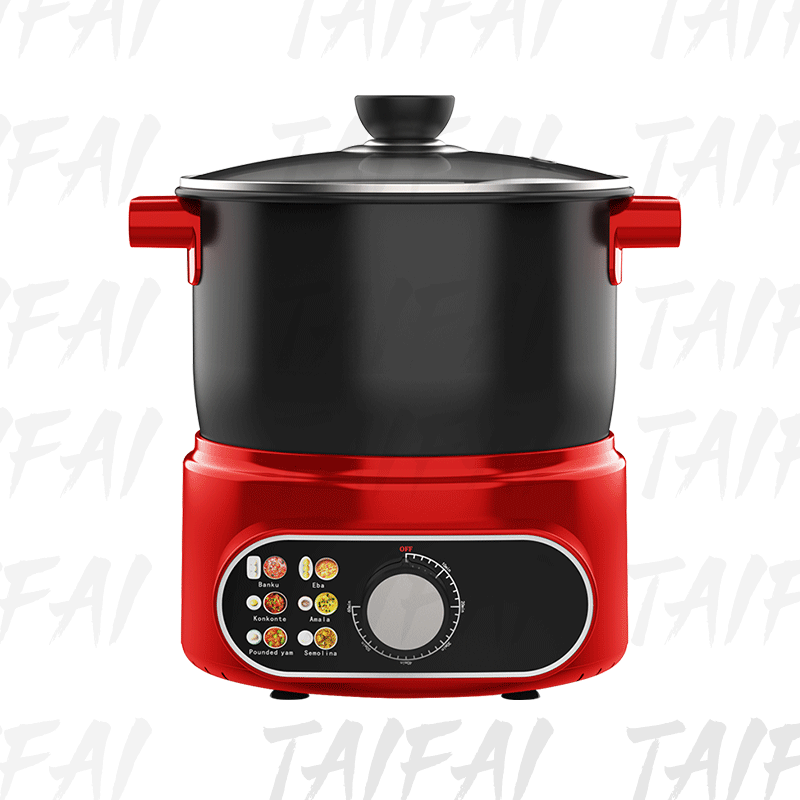
Capacity should match the number of servings prepared per batch. A small household may need a 1 to 2 liter bowl. A large family or small restaurant may need 5 to 10 liters. Commercial kitchens may require 20 liters or more. Buyers should consider not only the bowl volume but also the useful working capacity. Many manufacturers list a maximum capacity that is too close to the rim, which can cause spills during mixing. A good rule is to choose a model where the typical batch size is no more than 70 percent of the total bowl volume. This leaves room for expansion and reduces overflow risk.
The grinding mechanism determines the texture and speed of the final product. Stainless steel blades are common, but not all stainless steel is equal. Buyers should ask about hardness, corrosion resistance, and replacement availability. Some machines use burr grinders, which produce a more uniform meal. Others use high-speed blades, which are faster but can generate heat that affects flavor. For nsima, a consistent medium-fine meal is usually preferred. The machine should allow the user to adjust grind size. A removable grinding chamber is easier to clean and inspect. If the mechanism cannot be removed, cleaning becomes difficult and hygiene risks increase.
Build quality affects safety, noise, and lifespan. The housing may be plastic, stainless steel, or die-cast metal. Stainless steel is durable and easy to clean, but it can be heavy. High-quality plastic can be lightweight and impact resistant, but low-grade plastic may crack or discolor. Food-contact parts should be BPA-free and heat resistant. Buyers should check the thickness of the bowl, the stability of the base, and the quality of the seals. A machine that vibrates excessively may move during operation and cause accidents. Rubber feet, locking mechanisms, and reinforced joints are signs of good engineering.
Smart kitchens benefit from precise control. A nsima maker should offer multiple speed settings for grinding, mixing, and cooking. Some models include preset programs for different maize types, porridge thickness, or serving sizes. Digital displays, touch panels, and app connectivity can add convenience. However, smart features should not replace basic reliability. A machine with a simple dial and a powerful motor may outperform a fragile smart model. Buyers should ask whether the smart features work offline, whether firmware updates are available, and whether the app collects unnecessary data. For commercial kitchens, programmable batches and repeatable cycles are more useful than voice control.
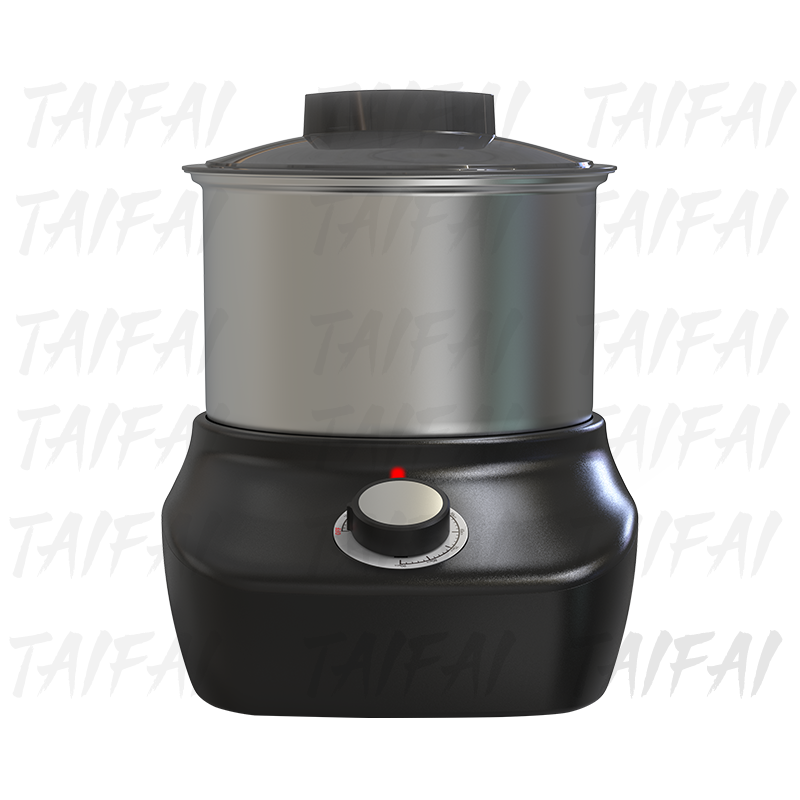
Nsima makers can be noisy, especially during grinding. Noise levels above 85 decibels may be uncomfortable in a home kitchen. Commercial environments may tolerate more noise, but worker safety regulations may apply. Vibration is another concern. Excessive vibration indicates poor balance, weak mounts, or an undersized motor. Buyers should look for models with anti-vibration feet, balanced blades, and a heavy base. If possible, they should request a demonstration video or visit a showroom. A machine that runs smoothly at full load is likely to last longer and require fewer repairs.
Cleaning is a daily task in any kitchen. A nsima maker with removable parts, smooth surfaces, and no hidden crevices is easier to maintain. Dishwasher-safe components are convenient, but buyers should verify the manufacturer's recommendations. Some parts may warp or lose their finish in high heat. The grinding chamber should be accessible without special tools. Seals and gaskets should be replaceable. Buyers should also consider descaling and deep cleaning. If the machine uses water for cooking, mineral buildup can occur over time. A maintenance schedule and available spare parts are signs of a responsible manufacturer.
Safety should never be optional. Key features include auto shut-off, overheat protection, lid interlock, and non-slip feet. A lid interlock prevents the machine from running when the lid is open. Overheat protection stops the motor before it burns out. Auto shut-off reduces the risk of unattended cooking. Buyers should also check for thermal fuses, grounded plugs, and insulated handles. In commercial settings, emergency stop buttons and clear warning labels are important. A machine that lacks basic safety features may save money upfront but create costly risks later.
Energy costs are a long-term expense. A more efficient motor may cost more initially but use less electricity over years of operation. Buyers should compare wattage, duty cycle, and standby power. Some smart models consume power even when idle. Look for energy-saving modes, automatic shutdown, and efficient heating elements. For solar-powered kitchens, low-voltage or DC models may be preferable. Energy efficiency also reduces heat output, which is important in small kitchens.
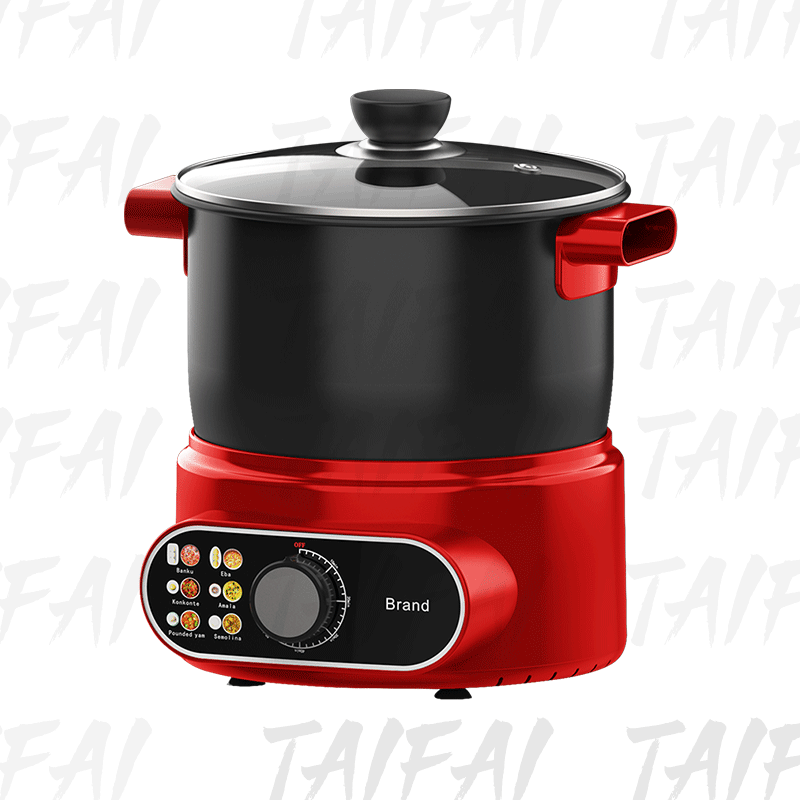
Certifications provide independent evidence that a product meets safety and quality standards. Common certifications include CE, CB, GS, and RoHS. ISO9001:2015 indicates a quality management system. Buyers should verify that certificates are current and cover the specific model. Counterfeit certificates exist, so it is wise to check the issuing body and certificate number. For distributors, compliance with local regulations is essential. A manufacturer that supports OEM, ODM, and CKD services can often adapt products to different markets. Jiangmen Taifai Technology Co.,Ltd, known as TAIFAI, is an example of a manufacturer that emphasizes certifications, patents, and strict production management. Founded in 2007, TAIFAI is located in Jiangmen City, Guangdong Province, China, a flourishing home appliances manufacturing base. The company is a high-tech enterprise with independent research and development, production, and sales capabilities. Its main products include electric blender, juicer, citrus juicer, hand mixer, hand blender, stand mixer, coffee grinder, chopper, and food processor. TAIFAI supports OEM, ODM, and CKD, holds 50 patents, and owns 50 moulds. Its production follows ISO9001:2015 standards, and many products carry CE, CB, GS, and RoHS certification. These attributes are relevant when buyers evaluate a nsima maker manufacturer or supplier.
A warranty is only as good as the company behind it. Buyers should ask about warranty length, coverage, and claim procedures. A one-year warranty may be standard, but commercial models often need longer coverage. After-sales support includes spare parts, technical assistance, and repair services. A manufacturer with local distributors or service partners is easier to work with. Buyers should also check whether the warranty covers motor burnout, blade wear, and electronic controls. Some warranties exclude normal wear and tear, which can be a major cost. Clear documentation and responsive communication are signs of a reliable supplier.
Price should be evaluated against total cost of ownership. A cheap machine may require frequent repairs, consume more energy, or produce inconsistent results. A high-priced machine may include features that are unnecessary for a specific kitchen. Buyers should compare the cost per serving, expected lifespan, and maintenance costs. For commercial buyers, downtime can be more expensive than the machine itself. A slightly higher upfront price for a durable, serviceable model is often justified. Buyers should also consider shipping, import duties, and currency fluctuations when sourcing internationally.
Brand reputation is built over time. Buyers should research the manufacturer's history, customer feedback, and industry presence. Online reviews can be helpful, but they should be read critically. A few negative reviews may reflect misuse or shipping damage. A pattern of complaints about motor failure, poor customer service, or safety issues is a red flag. Trade show participation, export experience, and third-party audits can strengthen confidence. For new brands, buyers may request samples, test reports, and references from existing clients.
Distributors and retailers often need customized products. OEM allows a buyer to manufacture under its own brand. ODM allows the buyer to use a manufacturer's design with modifications. CKD, or completely knocked down, allows local assembly and may reduce import duties. These options can improve margins and market fit. However, they require clear communication, quality control, and legal agreements. A manufacturer with in-house moulds and patents can support customization more efficiently. TAIFAI's 50 patents and 50 own moulds illustrate the kind of capability that supports OEM, ODM, and CKD projects. Buyers should ask about minimum order quantities, lead times, tooling costs, and intellectual property protection.
A smart kitchen may include smart speakers, hubs, and apps. A nsima maker does not need to be fully connected, but it should not create friction. Buyers should consider whether the machine can be monitored remotely, whether it integrates with existing routines, and whether it uses standard protocols. Some models offer Wi-Fi, Bluetooth, or voice assistant support. Others use simple timers and programmable controls. The best choice depends on the user's comfort with technology. Reliability and ease of use should come before novelty.
Field testing is the most reliable way to evaluate a nsima maker. Buyers should test with local maize varieties, water hardness, and cooking methods. They should measure grinding time, texture, energy use, noise, and cleaning time. If testing is not possible, they should request videos, samples, or trial units. Reviews from similar users are valuable. A restaurant owner's experience may differ from a home cook's. Buyers should look for reviews that mention durability, service, and long-term performance, not just first impressions.
Kitchen space is limited. Buyers should measure available counter space, cabinet height, and power outlet locations. A heavy machine may be difficult to move. A tall machine may not fit under cabinets. Cord length and plug type are also important. For small kitchens, a compact model with a small footprint is preferable. For commercial kitchens, a wheeled base or fixed installation may be better. Storage of accessories and spare parts should be considered as well.
Accessories can expand the usefulness of a nsima maker. Common attachments include extra bowls, grinding discs, stirring paddles, measuring cups, and cleaning brushes. Some models can also blend, juice, or chop. Buyers should check whether accessories are included or sold separately. Proprietary accessories can be expensive and hard to replace. Standardized parts are more convenient. A manufacturer that offers a full range of kitchen appliances may provide better accessory support. TAIFAI's product range includes electric blender, juicer, citrus juicer, hand mixer, hand blender, stand mixer, coffee grinder, chopper, and food processor. This breadth suggests that a buyer could source multiple kitchen appliances from one supplier, simplifying procurement and service.
Electrical standards vary by country. A nsima maker designed for 220-240V and 50Hz may not work in a 110-120V and 60Hz market without a transformer. Plug types also differ. Buyers should confirm voltage, frequency, and plug type before ordering. Some manufacturers offer dual-voltage or region-specific models. For distributors, this flexibility reduces returns and customer complaints. Documentation should clearly state electrical specifications.
Packaging protects the machine during transit. Buyers should ask about carton strength, foam inserts, and moisture protection. For international shipping, palletization and container loading plans matter. A well-packaged product reduces damage and returns. Storage conditions should also be considered. Extreme heat, humidity, and dust can damage electronics and motors. Buyers should choose a supplier that understands export logistics and provides accurate weights and dimensions.
Smart kitchen integration is not about adding screens to every appliance. It is about creating a workflow where appliances support each other. A nsima maker can be part of this workflow in several ways. First, it can reduce manual labor, freeing the cook to prepare other dishes. Second, it can improve consistency, which is essential for restaurants and catering. Third, it can collect data on usage, maintenance, and energy consumption. Fourth, it can connect to a central dashboard for monitoring multiple machines. Buyers should ask whether the machine offers useful data, whether it can be serviced remotely, and whether it respects privacy. A smart kitchen should be practical, not gimmicky.
Many buyers focus only on price. They may choose a low-cost model that fails after a few months. Others overbuy features they will never use. Some ignore voltage and plug differences, leading to returns. Others forget to check spare parts availability. A common mistake is to assume that a kitchen appliance designed for one grain will work equally well for maize. Maize is harder and more abrasive than many other ingredients. A motor that works well for spices may not handle dried maize. Another mistake is to ignore noise and vibration. A machine that is too loud may disturb the household or violate workplace rules. Buyers should also consider cleaning time. A machine that is difficult to clean may be used less often, reducing its value. Finally, buyers should not rely solely on online descriptions. They should ask for samples, test reports, and references.
Testing should be structured. First, check the build quality and materials. Look for sharp edges, loose parts, and poor seals. Second, run the machine empty to check noise and vibration. Third, grind a small batch of maize. Measure the time and texture. Fourth, cook a batch of nsima. Check for lumps, burning, and consistency. Fifth, clean the machine. Note how long it takes and whether any parts are difficult to reach. Sixth, check the controls and safety features. Seventh, review the manual and warranty. Eighth, ask about spare parts and service. A thorough test can reveal problems that specifications alone cannot show.
Safety begins with proper installation. The machine should be placed on a stable, level surface. The power cord should not be near water or heat. The user should never put hands or tools into the grinding chamber while the machine is running. Loose clothing, jewelry, and long hair should be kept away. The machine should not be operated unattended unless it has auto shut-off. Children should not use the machine without supervision. In commercial kitchens, workers should receive training on safe operation and emergency procedures. Regular maintenance and inspection are also part of safety.
Sustainability is increasingly important. Buyers can choose machines with efficient motors, recyclable packaging, and long service life. Repairability reduces waste. Manufacturers that offer spare parts and repair guides support a circular economy. Energy-efficient models reduce operating costs and carbon emissions. In regions with unreliable electricity, solar-compatible or low-power models may be more sustainable. Buyers should also consider the source of materials and the manufacturer's environmental policies. A durable machine that lasts ten years is more sustainable than three cheap machines that last three years each.
The market for kitchen appliances is growing. Consumers want convenience, health, and connectivity. Nsima makers are becoming more specialized. Some models focus on traditional methods, while others emphasize speed and automation. Smart features are becoming more common, but they are not yet universal. In emerging markets, durability and serviceability are often more important than connectivity. In developed markets, energy efficiency and design matter more. Manufacturers that can adapt to regional preferences will succeed. TAIFAI's experience since 2007, its high-tech enterprise status, and its range of kitchen electric appliances position it as a relevant player in this evolving market. The company's focus on independent research and development, production, and sales allows it to respond to different market needs. Its certifications and patents also provide a foundation for trust.
Choosing a supplier is as important as choosing a product. Buyers should evaluate production capacity, quality control, communication, and financial stability. A factory audit can reveal working conditions and process control. Certifications such as ISO9001:2015 show a commitment to quality management. Patents and own moulds indicate design and manufacturing capability. OEM, ODM, and CKD services offer flexibility. TAIFAI, or Jiangmen Taifai Technology Co.,Ltd, is an example of a manufacturer that combines these attributes. Located in Jiangmen City, Guangdong Province, China, the company operates in a flourishing home appliances manufacturing base. Its product line includes electric blender, juicer, citrus juicer, hand mixer, hand blender, stand mixer, coffee grinder, chopper, and food processor. It has 50 patents and 50 own moulds. Its production follows ISO9001:2015 standards, and many products have CE, CB, GS, and RoHS certification. These facts can help buyers shortlist suppliers for further evaluation.
Price negotiation should be based on total value. Buyers should ask for a breakdown of costs, including materials, labor, packaging, certification, and shipping. Volume discounts, payment terms, and warranty terms can be negotiated. A lower price may come with lower quality or reduced service. Buyers should also clarify lead times, minimum order quantities, and penalties for late delivery. A clear contract protects both parties. For long-term partnerships, buyers may consider joint development, exclusive distribution, or co-branding. These arrangements require trust and legal support.
Importing kitchen appliances requires compliance with local laws. Buyers should check product safety, labeling, energy efficiency, and electromagnetic compatibility. Some countries require specific certifications. Others restrict certain materials. Packaging and waste regulations may also apply. A manufacturer with export experience can provide the necessary documents. Buyers should verify that certificates match the exact model and voltage. They should also consider intellectual property rights. A product that infringes patents or trademarks can be seized or banned. TAIFAI's 50 patents and own moulds are relevant here because they indicate original design and manufacturing capability.
For home use, 500 to 1000 watts is often sufficient. For commercial use, 1500 watts or higher is recommended. Torque and duty cycle are equally important.
Many models can grind rice, millet, sorghum, and spices. However, buyers should confirm with the manufacturer because maize is harder and more abrasive.
Smart features are optional. They can add convenience, but reliability, safety, and performance should come first.
A well-built home model may last 5 to 10 years. A commercial model may last 3 to 5 years with heavy use and proper maintenance.
CE, CB, GS, and RoHS are common. ISO9001:2015 indicates quality management. Buyers should verify certificates for their specific market.
Yes, many manufacturers offer OEM, ODM, and CKD services. Buyers should discuss minimum order quantities, tooling, and lead times.
Buyers can request samples, visit showrooms, or conduct field tests with local maize. They should measure performance, noise, cleaning time, and safety.
Buying a nsima maker for a smart kitchen requires more than comparing prices. It requires an understanding of motor performance, capacity, materials, safety, certifications, and after-sales support. A good nsima maker can save time, reduce labor, and produce consistent results. A poor one can waste money, create safety risks, and frustrate users. By following this checklist, buyers can make informed decisions. They can ask better questions, request meaningful tests, and choose suppliers with the right capabilities. Manufacturers such as Jiangmen Taifai Technology Co.,Ltd, or TAIFAI, demonstrate the kind of attributes that buyers should seek: independent research and development, production and sales capability, a broad product range, patents, own moulds, ISO9001:2015 management, and CE, CB, GS, and RoHS certifications. These factors do not guarantee success, but they provide a strong foundation. Ultimately, the best nsima maker is the one that fits the kitchen's needs, budget, and long-term goals. With careful evaluation, smart kitchens can enjoy the benefits of modern nsima preparation for years to come.


