


This article examines the energy use and daily performance of electric nsima cookers, which are designed to simplify the cooking of nsima, a staple maize porridge in Southern Africa. It begins by explaining what nsima is and how an electric cooker works, including the heating base, pot, lid, and optional stirring mechanism. The article then explores why energy use matters for household budgets, electricity grids, and the environment. It identifies key factors that influence energy consumption, such as wattage, insulation, pot material, batch size, stirring method, voltage stability, and ambient temperature. Real-world measurement methods and a formula for energy per batch are provided. Daily performance metrics are discussed, including cooking time, consistency, capacity, ease of cleaning, durability, and safety. The article compares energy use across traditional firewood, charcoal, electric hotplates, microwaves, pressure cookers, and dedicated nsima cookers. It highlights how design and manufacturing affect performance, featuring Jiangmen Taifai Technology Co.,Ltd (TAIFAI) as an example of a high-tech kitchen appliance manufacturer founded in 2007 in Jiangmen City, Guangdong Province, China. TAIFAI supports OEM, ODM, and CKD, holds dozens of patents, owns 50 moulds, follows ISO9001:2015, and offers products with CE, CB, GS, and RoHS certification. Best practices for energy-efficient cooking, maintenance tips, safety features, and economic analysis are also covered. The article concludes with environmental and social impacts, a buying checklist, and future trends such as smart controls, solar power, and improved insulation. Overall, it provides a comprehensive guide for consumers, retailers, and manufacturers seeking to optimize nsima cooker energy use and daily performance.
Nsima is more than a meal in many Southern African households. It is a daily ritual, a source of comfort, and a foundation for family nutrition. Traditionally, nsima is cooked over an open fire or a charcoal stove, with a pot and a wooden paddle. That method works, but it comes with high energy losses, indoor smoke, and a heavy time burden. In recent years, the electric nsima cooker has emerged as a practical alternative. This appliance promises consistent texture, reduced physical effort, and better control over energy use. Yet the real question for families, retailers, and manufacturers is simple: how much energy does a nsima cooker use each day, and how does it perform in daily life? This article explores the energy use and daily performance of nsima cookers in depth. It covers design factors, testing methods, maintenance, economic impact, and the role of quality manufacturing. It also highlights how companies such as Jiangmen Taifai Technology Co.,Ltd, known as TAIFAI, contribute to the development of reliable kitchen appliances through research, patents, and strict quality standards.
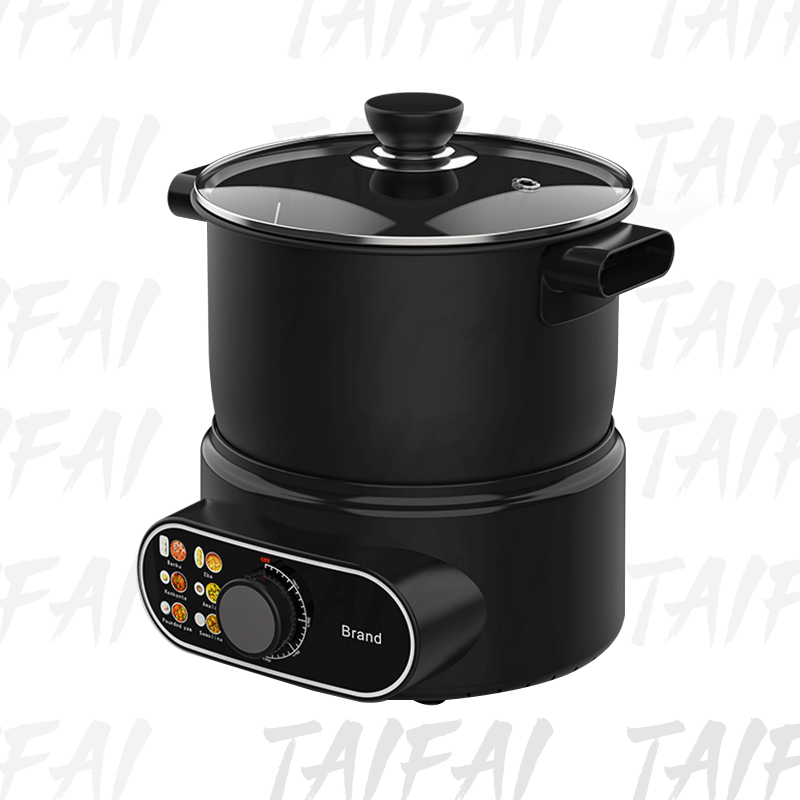
Before analyzing energy use, it is important to understand what a nsima cooker does and why it exists. Nsima is a thick porridge made from maize meal, cassava flour, or a blend of grains. It is cooked by adding flour to boiling water while stirring continuously. The result is a smooth, firm, and elastic dough-like dish that is eaten with vegetables, beans, meat, or fish. The cooking process requires heat, time, and constant agitation. An electric nsima cooker automates or simplifies these steps. It typically includes a heating base, a non-stick or stainless steel pot, a lid, and sometimes a motorized stirring arm. Some models offer programmable settings for different flour types and desired thickness.
Nsima is a staple food in Malawi, Zambia, Zimbabwe, Mozambique, and parts of Tanzania and the Democratic Republic of the Congo. It is known by different names, including sadza, ugali, pap, and phutu. The common thread is maize meal cooked in water until it reaches a dense, scoopable consistency. Because it is eaten every day, the energy required to cook nsima can represent a significant share of a household's daily energy budget. In rural areas, this energy often comes from firewood or charcoal. In urban areas, electricity, gas, or paraffin may be used. The electric nsima cooker is designed to make the electric option more attractive by reducing waste and improving convenience.
undefined
A typical electric nsima cooker uses a resistive heating element beneath the pot. The element converts electrical energy into heat. That heat passes through the pot base and into the water and flour mixture. A thermostat or electronic sensor regulates the temperature to prevent burning and to maintain a steady simmer. In models with automatic stirring, a low-speed motor turns a paddle or an arm inside the pot. The stirring action prevents lumps and ensures even cooking. The lid traps steam and reduces heat loss. Some advanced models use a double-wall construction or insulation to keep the exterior cool and retain heat inside. The overall energy use depends on how efficiently these components work together.
Energy use is not just a technical specification. It affects household budgets, national electricity demand, and environmental health. When a nsima cooker uses more energy than necessary, the extra cost is paid by the family every day. When it uses less, the savings accumulate over weeks and months. In many communities, electricity is metered and prepaid, so every kilowatt-hour counts. A cooker that finishes the same batch with 20 percent less energy can free up money for other needs. Energy use also influences the peak load on local grids. If thousands of households cook nsima at the same time in the evening, the demand spike can strain transformers and cause voltage drops. Efficient cookers help reduce that stress.
The cost of cooking nsima depends on the local tariff, the cooker wattage, and the cooking time. A 1000-watt cooker running for 45 minutes uses about 0.75 kilowatt-hours. At a tariff of 0.15 USD per kilowatt-hour, that batch costs roughly 0.11 USD. If a family cooks nsima twice a day, the monthly cost can reach several dollars. That may seem small in some economies, but in low-income households it can be significant. A more efficient cooker that cuts energy use by 25 percent can save enough to buy extra food or pay school fees. Therefore, daily performance and energy efficiency are directly linked to financial well-being.
Electric nsima cookers can reduce deforestation and indoor air pollution when they replace wood or charcoal stoves. However, the environmental benefit depends on how the electricity is generated. In grids powered by coal or diesel, higher efficiency still reduces emissions per meal. In grids with hydro, solar, or wind, the benefit is even greater. A cooker that uses less energy also reduces the need for new power plants and transmission upgrades. From a lifecycle perspective, a durable cooker that lasts many years has a lower environmental impact than a cheap model that fails after a few months. This is why manufacturing quality, repairability, and material selection matter.
Many variables determine how much energy a nsima cooker uses. Some are built into the design, while others depend on how the user operates the appliance. Understanding these factors helps consumers choose better products and use them more wisely. It also helps manufacturers improve their designs. The most important factors include wattage, insulation, pot material, batch size, stirring method, voltage stability, and ambient temperature.
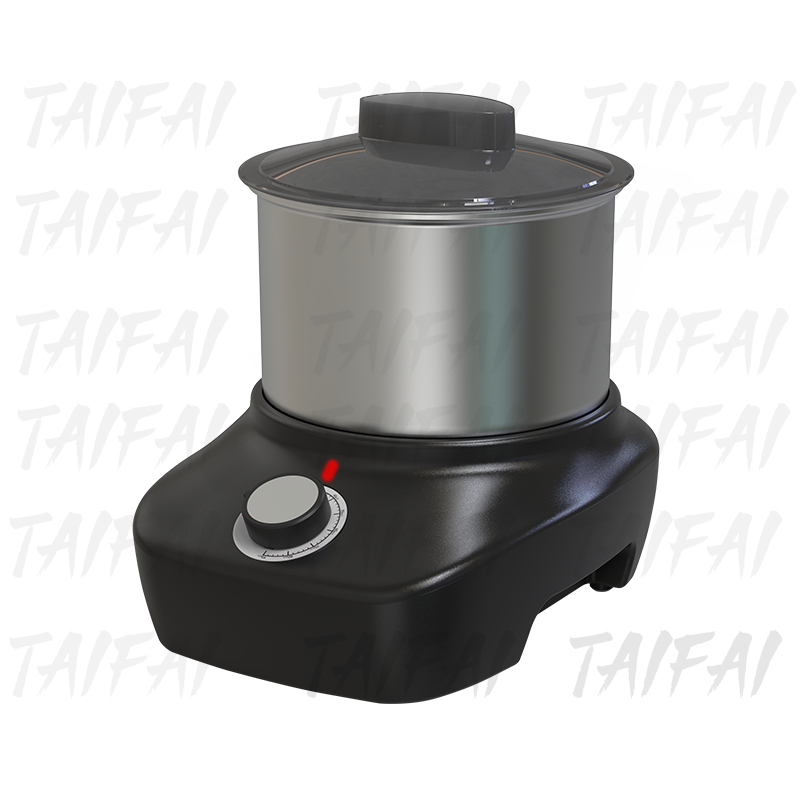
Wattage is the most visible energy specification. A 700-watt cooker draws less power than a 1500-watt model, but it may take longer to cook. Total energy use is wattage multiplied by time. Therefore, a low-wattage cooker that runs for a long time can use as much energy as a high-wattage cooker that runs briefly. The ideal design balances power and time. A well-designed heating element distributes heat evenly across the pot base. If the element has hot spots, the thermostat may cycle frequently, wasting energy. Flat, spiral, and cast-in elements each have different performance characteristics. Cast-in elements often provide better contact and longer life, but they may cost more to produce.
Heat escapes through the pot walls, the lid, and the base. Insulation reduces that loss. A double-wall pot or an insulated outer shell keeps more heat inside. A tight-fitting lid traps steam and creates a pressure effect that raises the boiling point slightly, shortening cooking time. A loose lid allows steam to escape, which wastes energy and can dry out the nsima. Some cookers use a silicone gasket or a locking lid to improve sealing. In daily performance, a good lid can reduce energy use by 10 to 15 percent compared to an open or poorly fitted lid.
The pot material affects how quickly heat moves from the element to the food. Aluminum is lightweight and conducts heat well, but it can deform if overheated. Stainless steel is durable and resistant to scratching, but it conducts heat less evenly unless it has an aluminum core. Non-stick coatings make cleaning easier and allow the use of less oil, but they can wear out if metal utensils are used. A thick pot base spreads heat and reduces hot spots. A thin base may cause scorching, which forces the user to discard part of the batch and waste energy. For daily use, a medium-thick base with a non-stick or stainless steel surface is a good compromise.
The amount of nsima cooked in one batch directly affects energy use. Heating one liter of water requires less energy than heating five liters. However, the energy per serving is often lower for larger batches because the fixed heat losses are spread over more food. The water-to-meal ratio also matters. Too much water means more liquid to heat and evaporate, which increases energy use. Too little water can cause burning and uneven cooking. Traditional recipes vary by region and flour type. A typical ratio for firm nsima is about three parts water to one part maize meal, but this can range from two to four parts water. A cooker with marked measurements or a recipe guide helps users achieve the right ratio consistently.
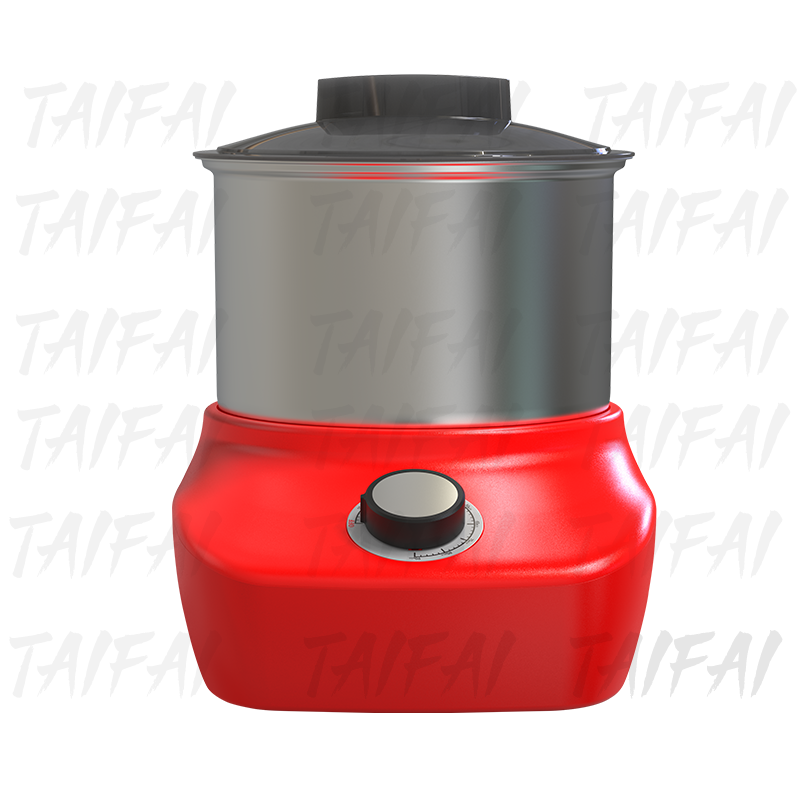
Manual stirring is tiring but uses no electricity. Motorized stirring uses a small amount of electricity, usually less than 50 watts. The motor load is minor compared to the heating element. However, stirring improves heat transfer and prevents lumps. Better mixing means the flour absorbs water evenly and the mixture heats uniformly. This can reduce cooking time and prevent scorching. A well-designed stirring arm reaches the bottom and sides of the pot without scratching the surface. If the mechanism is poorly designed, it may leave unmixed flour pockets that require extra cooking. Therefore, the small energy cost of a motor can be offset by better overall efficiency.
Voltage fluctuations are common in many areas. When voltage drops, a resistive heating element produces less heat. The cooker then takes longer to reach the desired temperature, increasing total energy use. Some models include voltage stabilization or can operate over a wide voltage range. Ambient temperature also plays a role. In a cold room, the pot loses heat faster, so the thermostat cycles more often. In a hot room, the cooker reaches temperature faster and uses less energy. Placing the cooker away from drafts and direct sunlight can help maintain stable performance. Using a lid and pre-warming the water in a kettle can also reduce the burden on the heating element.
To understand energy use, it is not enough to read the label. Real-world measurement is necessary. A plug-in power meter, often called a watt meter or energy monitor, can measure the actual electricity consumed by a nsima cooker. The meter records watts, kilowatt-hours, and sometimes the cost. By testing several batches, users can see how energy use varies with batch size, recipe, and cooking time. Manufacturers also use laboratory tests to measure energy consumption under controlled conditions. These tests help them compare designs and improve efficiency.
The energy used per batch is calculated by multiplying the power draw by the cooking time. For example, a 1000-watt cooker that runs for 40 minutes uses 1000 watts times 0.67 hours, which equals 670 watt-hours or 0.67 kilowatt-hours. If the cooker cycles on and off, the average power is lower than the peak wattage. A power meter handles this automatically by integrating the power over time. To compare cookers fairly, energy per kilogram of cooked nsima is a useful metric. If a batch produces 2 kilograms of nsima and uses 0.7 kilowatt-hours, the energy intensity is 0.35 kilowatt-hours per kilogram. This allows comparisons across different batch sizes and recipes.
Daily performance goes beyond energy use. A cooker must be reliable, easy to use, and consistent. Families need a appliance that fits their routine. The most important performance metrics include cooking time, consistency, batch capacity, ease of cleaning, durability, and safety. Each metric interacts with energy use. For example, a cooker that is easy to clean is more likely to be maintained properly, which helps it run efficiently over time. A durable cooker avoids the energy and materials wasted when a cheap model is replaced frequently.
Cooking time is a major driver of energy use. A cooker that brings water to a boil quickly and maintains a steady simmer will use less energy than one that struggles to reach temperature. The time to boil depends on wattage, pot material, water volume, and starting water temperature. The time to thicken depends on flour type, stirring, and temperature control. In general, a 1000-watt to 1500-watt cooker can bring two liters of water to a boil in 8 to 12 minutes. Adding flour and cooking to the desired consistency may take another 15 to 25 minutes. Total cooking time often ranges from 25 to 45 minutes. Some models with pre-set programs can reduce this time by optimizing the heating profile.
Nsima must have the right texture. If it is too soft, it is difficult to eat with hands. If it is too firm, it can be dry and crumbly. Lumps are unacceptable in most households. A good nsima cooker produces a smooth, elastic mixture. This requires even heat and proper stirring. Manual stirring gives the cook control but can be tiring. Automatic stirring provides consistency but may not replicate the feel of hand stirring. Some cooks prefer to stir manually for the first few minutes and then let the cooker finish. The best daily performance comes from a cooker that allows both options. Non-stick surfaces help prevent sticking and make it easier to achieve a smooth texture without excessive scraping.
Nsima is often cooked for the whole family, and sometimes for extended family or guests. A cooker that is too small may require multiple batches, which increases total energy use. A cooker that is too large may waste energy when cooking for one or two people. Common capacities range from 1.5 liters to 5 liters. A 2-liter cooker suits a small household, while a 4-liter or 5-liter cooker suits larger families. Some models have adjustable settings for different batch sizes. The ideal cooker can handle the typical daily batch without being overloaded. Overloading can cause slow heating, uneven cooking, and motor strain in automatic models.
Cleaning is a daily task. If the pot is difficult to clean, food residue can build up and affect performance. Burnt spots can create off-flavors and reduce heat transfer. A non-stick pot is easy to wipe clean, but it requires gentle utensils. A stainless steel pot can be scrubbed but may require more effort. Removable stirring arms and lids are easier to wash. Some cookers have a detachable power cord and a sealed base that can be wiped with a damp cloth. Regular cleaning prevents buildup on the heating element and ensures good contact between the pot and the base. This maintains energy efficiency and extends the life of the appliance.
A nsima cooker is used daily, sometimes twice a day. It must withstand heat, moisture, and mechanical stress. Durability depends on the quality of materials, the design of the heating element, and the robustness of the controls. Cheap models may use thin metal, poor wiring, or weak thermostats. These can fail within months. A well-built cooker can last several years. Reliability also means consistent performance. A cooker that overheats one day and undercooks the next is frustrating. Quality manufacturers test their products for thousands of hours to ensure reliability. They also provide spare parts and service support. For consumers, a slightly higher purchase price often pays off through lower energy use and fewer replacements.
To put nsima cooker energy use in context, it helps to compare it with other cooking methods. Each method has different efficiency, cost, and environmental impact. The comparison below is based on typical household conditions, but actual results vary by location, fuel type, and user behavior.
Open-fire cooking is the least efficient method. Much of the heat escapes into the air, and the pot is often exposed to wind. A three-stone fire may convert only 10 to 15 percent of the wood energy into useful heat. Charcoal stoves can reach 20 to 30 percent efficiency. Beyond energy waste, these methods produce indoor air pollution that causes respiratory diseases. Women and children often spend hours collecting wood, which reduces time for education, work, and rest. Switching to an electric nsima cooker can eliminate these problems if electricity is available and affordable.
An electric hotplate with a regular saucepan is a common alternative. It is cleaner and easier than firewood. However, a standard saucepan often has a thin base and no insulation. Heat escapes from the sides and the lid. The cook must stir constantly, which increases the risk of burning. Energy efficiency is moderate, perhaps 40 to 50 percent. A dedicated nsima cooker improves on this by using a thicker pot, a better lid, and sometimes insulation. It also provides a more stable base for stirring. The energy savings can be 15 to 30 percent compared to a hotplate and saucepan.
Microwaves are efficient for reheating but not for cooking nsima from raw flour. The mixture requires constant stirring and even heat, which microwaves do not provide well. Pressure cookers can cook maize meal quickly and efficiently, but they are not designed for the thick, stiff consistency of nsima. They may also be dangerous if the nsima blocks the pressure valve. For these reasons, pressure cookers are rarely used for nsima. They can, however, be used to pre-cook maize kernels or other ingredients. A dedicated nsima cooker remains the most practical electric option for traditional nsima texture.
A dedicated electric nsima cooker is optimized for the task. It combines a heating element, a pot, a lid, and often a stirring mechanism. The best models use insulation to retain heat, a thermostat to control temperature, and a non-stick surface to prevent burning. Energy efficiency can reach 60 to 75 percent, depending on design and usage. The cooking time is predictable, and the texture is consistent. For daily performance, this method offers the best balance of convenience, energy use, and food quality. It also reduces physical effort, which is especially important for elderly users or those with health conditions.
The energy use and daily performance of a nsima cooker are not accidents. They are the result of careful design and manufacturing. Every component, from the heating element to the lid gasket, plays a role. Companies that invest in research and development can create appliances that use less energy, last longer, and perform better. They also need robust production systems to ensure consistent quality. This is where experienced manufacturers such as Jiangmen Taifai Technology Co.,Ltd, or TAIFAI, make a difference. Located in Jiangmen City, Guangdong Province, China, TAIFAI operates in a flourishing home appliances manufacturing base. Founded in 2007, the company is a high-tech enterprise with capabilities in independent research and development, production, and sales. Its main products include electric blenders, juicers, citrus juicers, hand mixers, hand blenders, stand mixers, coffee grinders, choppers, and food processors. This expertise in kitchen electric appliances translates into better design, better materials, and better performance for products such as nsima cookers.
Research and development is the engine of improvement. Engineers study heat transfer, fluid dynamics, and user behavior. They test different pot shapes, heating element layouts, and insulation materials. They also develop control algorithms that maintain the ideal temperature without wasting energy. For a nsima cooker, R and D can lead to faster boiling, more even cooking, and easier cleaning. It can also reduce the motor power needed for stirring while maintaining good mixing. Companies that treat R and D as a core function can respond to market needs and regulatory changes. They can also customize products for different regions, voltages, and recipes.
Patents protect innovative designs and encourage further investment. TAIFAI has been approved for dozens of patents, reflecting its commitment to innovation. The company also owns 50 moulds, which allows it to control the shape and fit of critical components. Own moulds mean better consistency, faster production, and the ability to create unique designs. Quality control is equally important. TAIFAI produces goods according to the ISO9001:2015 standard. This international standard requires documented processes, regular audits, and continuous improvement. Strict management of production operation and quality ensures that each unit meets the same performance and safety requirements. For a nsima cooker, this means reliable thermostats, durable heating elements, and safe electrical connections.
Certifications provide independent proof of quality and safety. Many of TAIFAI's products have CE, CB, GS, and RoHS certification. These certifications cover electrical safety, electromagnetic compatibility, and hazardous substance restrictions. CE is required for the European market. CB is an international certification that facilitates global trade. GS is a German safety mark. RoHS restricts the use of certain hazardous materials. For consumers, these marks indicate that the product has been tested and meets recognized standards. They also reduce the risk of fire, electric shock, and other hazards. In addition to certifications, manufacturers should provide clear instructions, warranty terms, and spare parts. These factors contribute to daily performance and long-term satisfaction.
Even the best cooker can waste energy if used incorrectly. Daily habits matter. Simple changes can reduce energy use and improve results. The following best practices are based on common recommendations and practical experience. They apply to most electric nsima cookers, whether simple or advanced.
The type of maize meal affects cooking time and energy use. Fine meal cooks faster than coarse meal. Some meals are pre-gelatinized or fortified, which can change water absorption. If the meal is very dry, it may absorb more water and require longer cooking. Store maize meal in an airtight container to prevent moisture loss or pest infestation. Before cooking, mix the meal with a small amount of cold water to form a smooth paste. This step, called tempering or making a slurry, prevents lumps when the meal is added to boiling water. It also reduces the need for vigorous stirring, which saves energy and effort.
Starting with hot water reduces the time the heating element must work. If the cooker has a separate kettle or if the household has a hot water dispenser, use it. Do not use water that is already boiling if the recipe requires gradual heating, as this can cause lumps. Warm water is usually sufficient. The ambient temperature also matters. In a cold room, place the cooker away from windows and doors. A stable, room-temperature environment helps the thermostat maintain a steady heat. Avoid placing the cooker on a metal surface that can draw heat away from the base.
Stirring is essential for smooth nsima. The goal is to distribute the flour evenly and prevent sticking. Use a wooden paddle or a plastic spoon that will not scratch the pot. Stir in a figure-eight or circular motion, reaching the bottom and sides. If using an automatic stirrer, start at a low speed and increase gradually. Do not overfill the pot, as this can cause spills and motor strain. If lumps form, press them against the side of the pot with the paddle. Continue stirring until the mixture is smooth and begins to pull away from the sides. This stage indicates that the nsima is nearly ready.
The lid is a simple but powerful tool. It traps steam and heat, reducing cooking time and energy use. Keep the lid on except when stirring or checking consistency. If the recipe requires evaporation, leave the lid slightly ajar, but expect longer cooking time. Some cookers come with an insulated outer pot or a thermal sleeve. Use these accessories as directed. If the cooker lacks insulation, you can wrap a towel around the exterior after turning off the heat to let the nsima finish cooking with residual heat. This technique, similar to haybox cooking, can save significant energy.
Clean the cooker after each use. Let it cool first. Remove the pot and wash it with warm soapy water. If the pot is non-stick, use a soft sponge. Do not use abrasive cleaners or metal scouring pads. Wipe the heating base with a damp cloth. Do not immerse the base in water. Check the power cord for damage and store it neatly. Store the cooker in a dry place. If the cooker has a detachable stirring arm, clean it thoroughly to prevent dried food from affecting balance. Proper storage prevents dust and moisture from damaging electrical components.
Maintenance is the key to long-term performance. A well-maintained cooker uses less energy, cooks more evenly, and lasts longer. The following tips can help users get the most from their appliance. They are simple and can be done without special tools.
The heating element is the heart of the cooker. If it becomes coated with grease or food residue, it cannot transfer heat efficiently. This increases energy use and can cause hot spots. Before cleaning, unplug the cooker and let it cool completely. Use a soft brush or a damp cloth to remove debris. Do not use water on the electrical parts. If the element is removable, follow the manufacturer's instructions. Some elements are sealed and should only be wiped. Regular cleaning once a week is usually enough for daily use.
The power cord and plug are subject to wear. A damaged cord can cause electric shock or fire. Inspect them regularly. If the cord is warm to the touch during use, it may be undersized or the plug may have a poor connection. Stop using the cooker and have it repaired by a qualified technician. Do not use extension cords that are too long or too thin. If an extension cord is necessary, use a heavy-duty cord rated for the cooker's wattage. Avoid running the cord under carpets or near hot surfaces.
Over time, parts such as the lid gasket, stirring paddle, or non-stick coating may wear out. Replace them as soon as performance declines. A worn gasket allows steam to escape, increasing energy use. A damaged stirring paddle may not mix properly, leading to lumps. A scratched non-stick coating can cause sticking and burning. Use only manufacturer-approved replacement parts to ensure safety and fit. If the heating element or thermostat fails, it is usually best to have a professional repair. Do not attempt to repair electrical components unless you are qualified.
Safety is a critical part of daily performance. A nsima cooker operates with electricity, heat, and sometimes moving parts. It must be designed to prevent accidents. Consumers should look for models with multiple safety features and follow all instructions. The most important safety features include overheat protection, cool-touch handles, automatic shutoff, and a stable base.
Overheat protection is essential for dry-boil situations. If the cooker runs out of water or the thermostat fails, the temperature can rise quickly. A thermal fuse or a bi-metal cutout will disconnect the power before damage occurs. Some models use a resettable cutout that can be reset after cooling. Others use a one-time fuse that must be replaced. Always allow the cooker to cool before resetting or inspecting. Never bypass a safety device. If the overheat protection activates frequently, the cooker may be faulty or the recipe may require more water.
Nsima cookers become hot during use. Cool-touch handles made of heat-resistant plastic or silicone allow the user to move the cooker safely. Handles should be securely attached and able to support the weight of a full pot. Check them regularly for cracks or looseness. If a handle becomes loose, tighten the screws or replace it. Never lift a hot cooker by the pot alone, as the pot may separate from the base. Use both hands and follow the manufacturer's instructions.
Automatic shutoff adds convenience and safety. It prevents the cooker from running indefinitely if the user forgets. Some models shut off after a set time. Others use a sensor to detect when the nsima has reached the desired consistency. Automatic shutoff can also save energy by preventing overcooking. However, it should not replace supervision. Always check the cooker before leaving it unattended. If the shutoff feature fails, stop using the cooker and have it repaired.
Energy use has a direct economic impact. For households, the cost of cooking nsima is part of the daily budget. For businesses, such as restaurants and food vendors, energy costs affect profitability. For governments, energy demand affects national budgets and infrastructure. A thorough economic analysis considers the purchase price, energy cost, maintenance cost, and lifespan. When these factors are combined, a more efficient cooker often has a lower total cost of ownership.
To calculate the cost per batch, multiply the energy used in kilowatt-hours by the electricity tariff. For example, if a cooker uses 0.6 kilowatt-hours per batch and the tariff is 0.20 USD per kilowatt-hour, the cost is 0.12 USD. If the cooker uses 0.9 kilowatt-hours, the cost is 0.18 USD. Over a year, cooking twice a day, the difference is 0.06 USD times 2 times 365, which equals 43.80 USD. That is a significant saving for many families. A more efficient cooker may cost more upfront, but the energy savings can pay back the difference in a few months.
Monthly savings depend on usage. A household that cooks nsima once a day may save less than one that cooks twice a day. A restaurant may save much more. To estimate savings, compare the energy use of the old method with the new cooker. If switching from charcoal to electric, the savings include the cost of charcoal, the time for purchasing or collecting it, and the health benefits. If switching from an old electric hotplate to a new nsima cooker, the savings come from better insulation and temperature control. In all cases, the savings accumulate over time. It is helpful to keep a simple log of energy use and costs to see the impact.
The environmental and social impact of nsima cooking is profound. Traditional cooking methods contribute to deforestation, indoor air pollution, and gender inequality. Electric nsima cookers can help address these issues when they are efficient, affordable, and powered by clean electricity. The benefits extend beyond the household to the community and the environment.
In many regions, firewood collection is a major cause of deforestation. As populations grow, the demand for fuel increases. This leads to soil erosion, loss of biodiversity, and desertification. Electric nsima cookers reduce the need for firewood. If the electricity comes from renewable sources, the environmental benefit is even greater. Even with fossil-fuel electricity, a efficient cooker uses less energy than an open fire, so emissions per meal are lower. Promoting electric cooking alongside reforestation and clean energy policies can create a sustainable cycle.
Indoor air pollution from cooking fires is a serious health hazard. It causes respiratory infections, chronic lung disease, and heart problems. Women and young children are especially vulnerable because they spend more time near the fire. Electric nsima cookers produce no smoke or carbon monoxide. They improve indoor air quality and reduce health risks. This benefit alone can justify the switch for many families. It also reduces the burden on health systems and improves productivity.
In many communities, women and girls are responsible for collecting firewood, cooking, and cleaning. This work takes hours every day. Electric nsima cookers reduce the time needed for cooking and eliminate fuel collection. The saved time can be used for education, income-generating activities, or rest. This can lead to greater gender equality and economic empowerment. It also reduces physical strain, which is important for health and well-being. The social impact of a simple appliance can be transformative.
Choosing a nsima cooker requires careful consideration. Not all models are equal. The right choice depends on family size, cooking habits, electricity supply, and budget. Consumers should look for a balance of energy efficiency, performance, durability, and safety. The following checklist can help.
Capacity and wattage should be matched. A small household may need a 2-liter cooker with 700 to 1000 watts. A large family may need a 4-liter or 5-liter cooker with 1200 to 1800 watts. Higher wattage does not always mean higher energy use, but it can draw more power. Check the voltage and plug type in your area. If voltage is unstable, choose a model with a wide voltage range or a voltage stabilizer. Also consider the circuit capacity. A high-wattage cooker may require a dedicated circuit to avoid tripping breakers.
Build quality affects performance and lifespan. Look for a sturdy base, a tight-fitting lid, and a pot with a thick base. The handles should be secure and heat-resistant. The controls should be easy to read and operate. If possible, inspect the cooker in person or read reviews. Pay attention to the weight; a heavier cooker often indicates better materials. Check the non-stick coating for evenness and the stirring arm for smooth movement. A well-built cooker will feel solid and well-finished.
A good warranty protects the buyer. Look for at least one year of coverage, and preferably two or more. The warranty should cover parts and labor. Check the terms for exclusions, such as damage from misuse. Also consider the availability of service. If the manufacturer has a local presence or authorized service centers, repairs are easier. Some brands offer online support and spare parts. Before buying, ask about the return policy and the process for warranty claims. Good service builds trust and ensures that the cooker continues to perform well.
Technology is advancing, and nsima cookers are no exception. Future models are likely to be smarter, more efficient, and more sustainable. Manufacturers are exploring new materials, control systems, and energy sources. These trends will shape the next generation of daily performance and energy use.
Smart controls can improve energy use by optimizing the heating profile. A smart cooker can learn the user's preferred consistency and adjust time and temperature accordingly. It can also send alerts when the nsima is ready or when maintenance is needed. IoT connectivity allows remote monitoring and software updates. For manufacturers, smart features provide valuable data on usage patterns. This data can be used to improve future designs. However, smart features add cost and complexity. They should only be included when they provide real benefits to the user.
Solar-powered nsima cookers are an exciting possibility for areas with abundant sunlight. They can operate directly from solar panels or use a battery for evening cooking. Hybrid models can switch between solar, battery, and grid power. This flexibility reduces reliance on the grid and lowers energy costs. It also supports climate goals. The challenge is to make solar cookers affordable and powerful enough for thick nsima. Advances in photovoltaic efficiency and battery storage are making this more feasible. In the future, solar nsima cookers could become common in rural and off-grid communities.
Insulation is a low-cost way to improve energy efficiency. Future cookers may use vacuum insulation panels or aerogel to minimize heat loss. Phase-change materials can store heat and release it slowly, reducing the need for continuous power. Heat recovery systems can capture steam and use it to preheat water or keep food warm. These innovations can cut energy use significantly. They also make cooking more comfortable by reducing external surface temperatures. Manufacturers that invest in these technologies will have a competitive advantage.
Nsima cooker energy use and daily performance are closely connected. A cooker that uses less energy is cheaper to run, better for the environment, and often more pleasant to use. A cooker that performs well every day is reliable, consistent, and easy to maintain. The best models combine efficient heating, good insulation, thoughtful stirring, and robust safety features. They are built by manufacturers that value research, quality control, and customer service. Companies such as Jiangmen Taifai Technology Co.,Ltd, or TAIFAI, demonstrate how a focus on innovation, patents, own moulds, and ISO9001:2015 standards can lead to reliable kitchen appliances. With CE, CB, GS, and RoHS certifications, TAIFAI products meet international requirements for safety and performance. As the demand for convenient and sustainable cooking grows, the nsima cooker will continue to evolve. Smart controls, solar power, and advanced insulation will make future models even better. For families, the choice of a nsima cooker is a daily decision that affects time, money, health, and the environment. By understanding energy use and daily performance, consumers can make informed choices. They can enjoy smooth, delicious nsima while reducing waste and protecting the planet. The future of nsima cooking is electric, efficient, and within reach.


