


This comprehensive guide explores the essential factors to consider when buying a kokonte cooker for consistent, lump-free results. Kokonte is a traditional West African staple made from cassava flour and water, requiring precise heat and continuous stirring to achieve the perfect texture. The article begins by explaining the science of starch gelatinization and why even heating and constant agitation are critical. It then categorizes the main types of kokonte cookers: dedicated electric cookers, multifunction food processors and blenders, electric pots with stirring attachments, and traditional pots with external stirrers. Each type is evaluated for automation level, consistency, cost, capacity, ease of cleaning, and best use cases. Key features are examined in detail, including power and heating consistency, capacity, material and build quality, stirring mechanism, temperature control, timers and automatic programs, ease of cleaning, and safety features. Ten practical buying tips are provided, covering batch size matching, even heat distribution, motor torque, adjustable stirring speed, non-stick and food-grade materials, intuitive controls, cleaning and maintenance, certifications, manufacturer research, and warranty comparison. The article highlights Jiangmen Taifai Technology Co.,Ltd, known as TAIFAI, a high-tech kitchen appliance manufacturer founded in 2007 in Jiangmen City, Guangdong Province, China. TAIFAI holds 50 patents, owns 50 moulds, supports OEM, ODM, and CKD, and produces electric blenders, juicers, citrus juicers, hand mixers, hand blenders, stand mixers, coffee grinders, choppers, and food processors. Its products follow ISO9001:2015 standards and carry CE, CB, GS, and RoHS certifications. Although TAIFAI does not currently offer a dedicated kokonte cooker, its food processors and blenders can assist in preparing cassava flour and mixing dough. The guide also includes a step-by-step usage method, common mistakes to avoid, maintenance and care routines, a feature comparison list, the importance of certifications, third-party manufacturing insights, regional variations, energy efficiency, noise considerations, warranty and after-sales service, budgeting advice, where to buy, commercial versus home use, troubleshooting common problems, accessories, safety tips, environmental impact, future trends, brand comparisons, and a final checklist. By following these recommendations, buyers can select a cooker that ensures smooth, delicious kokonte every time, whether for home or commercial use.
Kokonte is a traditional West African staple that has earned a cherished place on dining tables across Ghana, Togo, Benin, and beyond. The dish, made from cassava flour and water, is known for its smooth, stretchy texture and its ability to pair beautifully with soups, stews, and sauces. However, achieving the perfect kokonte every single time is not as simple as boiling water. The process demands precise heat, continuous stirring, and a reliable cooking vessel. For many home cooks and professional caterers, the search for a dependable kokonte cooker has become a priority. This article offers a comprehensive guide to buying a kokonte cooker that delivers consistent results, batch after batch. It examines the types of cookers available, the features that matter most, the materials that ensure durability, and the manufacturing standards that separate a great appliance from a mediocre one. It also highlights how a reputable manufacturer such as Jiangmen Taifai Technology Co., Ltd, known as TAIFAI, contributes to the kitchen appliance industry with its extensive experience and certified products.
Before diving into the buying tips, it is important to understand what a kokonte cooker actually is. In the broadest sense, a kokonte cooker is any appliance designed to simplify the preparation of kokonte by automating or assisting with the stirring and heating process. Traditional preparation involves boiling water, adding cassava flour gradually, and stirring vigorously with a wooden paddle to prevent lumps. This can be physically demanding and time-consuming. An electric kokonte cooker, or a multi-purpose kitchen appliance used for the same purpose, can reduce the labor while improving consistency. Some cookers are dedicated units with built-in stirring arms and temperature controls. Others are high-powered food processors or blenders that help prepare the cassava flour or mix the dough before cooking. Still others are electric pots with stirring attachments. The best choice depends on the user's volume, budget, and desired level of automation.
To choose the right cooker, one must first appreciate the science behind kokonte. Cassava flour is rich in starch. When heated with water, the starch granules absorb moisture, swell, and eventually gelatinize. This process creates the thick, cohesive paste that characterizes good kokonte. If the heat is too low, the starch may not gelatinize fully, resulting in a runny or gritty texture. If the heat is too high, the mixture can scorch at the bottom, imparting a burnt taste and creating stubborn cleanup. Stirring is equally critical. Without constant agitation, lumps form, and the mixture cooks unevenly. Therefore, a kokonte cooker must excel at two things: providing even, controllable heat and maintaining consistent stirring. Any appliance that fails in these areas will produce inconsistent results, no matter how skilled the cook may be.
undefined
In many households, the cooking process is still done manually over an open fire or a gas stove. This method works, but it requires constant attention and physical effort. Electric kokonte cookers aim to replicate the traditional method while removing the guesswork. They typically feature a heating base, a cooking pot, and a motorized stirring mechanism. Some advanced models include programmable settings for different types of kokonte, such as soft, medium, or firm. Others offer timers and automatic shut-off features. When evaluating a cooker, the buyer should consider how closely the appliance mimics the ideal traditional process while adding convenience and safety.
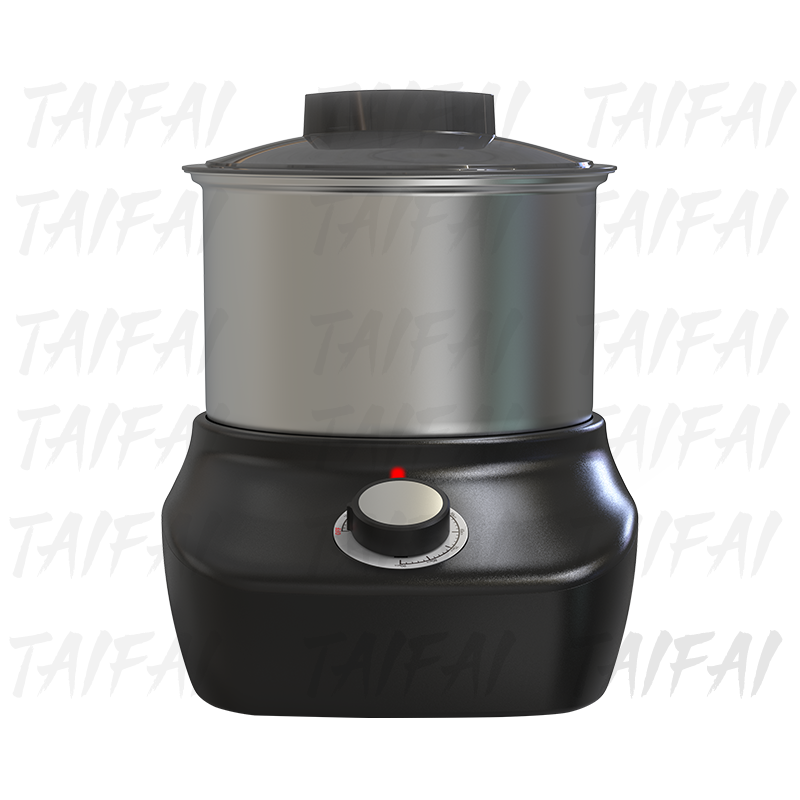
The market offers several types of kokonte cookers, each with its own advantages and limitations. Understanding these categories helps buyers narrow down their options.
Dedicated electric kokonte cookers are designed specifically for preparing kokonte and similar starchy doughs. They usually consist of a non-stick pot, a powerful motor, and a stirring paddle that rotates continuously. Many models have adjustable speed settings and temperature controls. Some are fully automatic, allowing the user to add ingredients and walk away. These cookers are ideal for households that prepare kokonte frequently or for small catering businesses. They tend to be more expensive than manual alternatives, but the convenience and consistency they offer can justify the investment.
While not exclusively designed for kokonte, high-powered food processors and blenders can play a crucial role in the preparation process. For example, a food processor can be used to grind dried cassava into flour or to mix cassava flour with water before cooking. A heavy-duty blender can help create a smooth slurry that reduces lumps during cooking. Some manufacturers, such as TAIFAI, produce a range of electric blenders, food processors, choppers, and hand mixers that can assist with different stages of kokonte preparation. These appliances are versatile and can be used for many other kitchen tasks, making them a smart choice for buyers who want multi-purpose equipment. However, they do not cook the kokonte themselves; they are complementary tools.
Another option is an electric cooking pot equipped with a stirring attachment. These pots are often sold as multi-cookers or automatic stir-fry machines. They can be used to cook kokonte if the stirring mechanism is strong enough and the heat distribution is even. The advantage is that they can also be used for soups, stews, and other dishes. The downside is that the stirring attachment may not be optimized for thick, heavy doughs like kokonte. Buyers should check the motor torque and the pot's ability to handle viscous mixtures without straining.
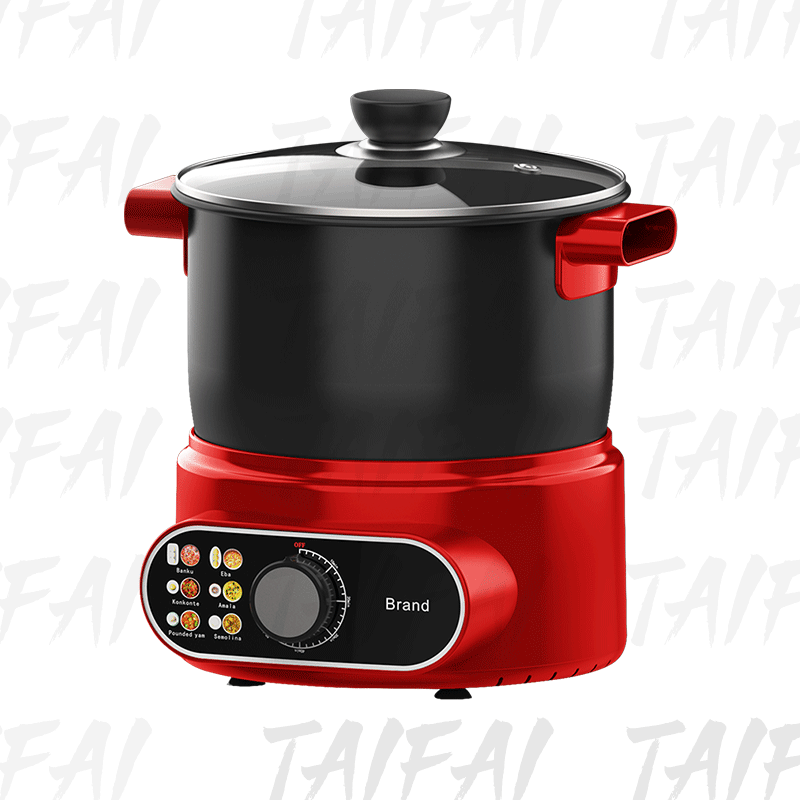
Some cooks prefer to use a traditional pot and an external electric stirrer. These stirrers are handheld or stand-mounted devices that automate the stirring motion. They can be used with existing pots, which reduces cost. However, they require the user to monitor the heat source, which is usually a separate stove. This setup offers less automation but more flexibility. It can be a good compromise for those who already own high-quality pots and want to add motorized stirring.
When shopping for a kokonte cooker, certain features have a direct impact on performance and consistency. The following sections detail the most important considerations.
The heating element is the heart of any electric cooker. For kokonte, consistent heat is non-negotiable. A cooker with a weak or uneven heating element will produce hot spots, leading to scorching and lumps. Look for cookers with high wattage and thick, conductive bases. Cast aluminum or stainless steel with an encapsulated base distributes heat evenly. Some premium models use induction heating, which provides rapid and precise temperature control. If the cooker has a thermostat, it should maintain a steady temperature rather than fluctuating. Buyers should read reviews or specifications to determine whether the heating is uniform. A good test is to see if the cooker can maintain a gentle simmer without constant adjustment.
Capacity is another critical factor. Kokonte is often prepared in large batches for family gatherings or commercial purposes. A cooker that is too small will require multiple batches, which is time-consuming and can lead to inconsistent results between batches. A cooker that is too large may not heat efficiently if only a small amount of food is prepared. The buyer should estimate the typical batch size. For a small family, a 2- to 3-liter cooker may suffice. For larger families or small businesses, a 5- to 10-liter capacity is more appropriate. Some manufacturers offer interchangeable pots of different sizes. It is also important to consider the maximum fill line, as starchy mixtures expand during cooking.
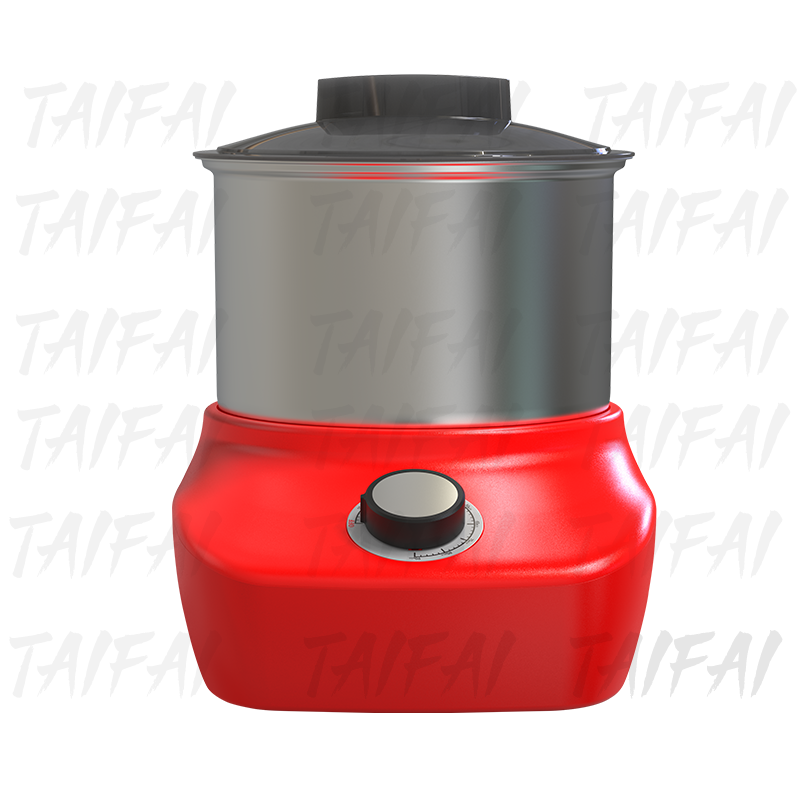
The materials used in the pot, paddle, and housing affect durability, safety, and ease of cleaning. Non-stick coatings are popular because they prevent sticking and make cleanup easier. However, the coating must be durable and free from harmful chemicals. Look for pots with ceramic or PTFE-free non-stick coatings if health concerns are a priority. Stainless steel pots are durable and resistant to scratching, but they can be harder to clean if food sticks. The stirring paddle should be made of food-grade material that can withstand high temperatures without warping. The housing should be sturdy and resistant to heat. A well-built cooker will last for years, while a cheaply made one may fail after a few uses.
The stirring mechanism is what sets a dedicated kokonte cooker apart from a simple pot. It must be powerful enough to move thick, heavy dough without stalling. Look for a motor with high torque, not just high speed. Some cookers use a single paddle, while others use dual paddles or a spiral design. Dual paddles can reduce dead zones and ensure more uniform mixing. The paddle should reach the bottom and sides of the pot to prevent sticking and burning. Adjustable speed settings are also valuable, as different stages of cooking may require different stirring intensities. For example, a slower speed might be used initially to incorporate flour, while a faster speed might be needed to smooth out lumps. The mechanism should be easy to assemble and disassemble for cleaning.
Precise temperature control is essential for consistent kokonte. The ideal cooking temperature range is typically between 80°C and 100°C, depending on the desired texture. A cooker with a dial or digital control that allows fine adjustment is preferable to one with only high, medium, and low settings. Some advanced models offer preset programs for different types of kokonte. A built-in thermometer or temperature sensor can help maintain consistency. If the cooker has an automatic shut-off, it should trigger at the right time to prevent overcooking. Buyers should avoid cookers with vague temperature markings or those that run too hot on the lowest setting.
Timers and automatic programs add convenience and repeatability. A timer allows the user to set the cooking duration and walk away. Automatic programs combine temperature, stirring speed, and time into preset cycles. For example, a program might start with high heat and slow stirring, then switch to low heat and fast stirring, and finally enter a keep-warm mode. These features are particularly useful for busy cooks who want consistent results without constant monitoring. However, automatic programs are only as good as their design. Buyers should check whether the programs are customizable or if they are locked to specific recipes. A manual mode is always a good backup.
Kokonte is sticky. Cleaning a cooker after making kokonte can be a chore if the design is poor. Look for cookers with removable, dishwasher-safe parts. Non-stick surfaces that are truly non-stick will release the dough easily. The stirring paddle should be detachable without tools. The pot should have smooth, rounded corners without crevices where dough can hide. Some cookers have a self-cleaning mode that heats water and stirs it to loosen residue. While convenient, self-cleaning modes should not replace manual washing. Buyers should also consider whether replacement parts, such as paddles and seals, are readily available.
Safety should never be overlooked. Electric cookers combine heat, electricity, and moving parts. Look for features such as cool-touch handles, non-slip feet, overheat protection, and automatic shut-off. The lid, if present, should have a steam vent to prevent pressure buildup. The motor should be protected from overheating. If the cooker has a cord, it should be long enough for comfortable use but not so long that it becomes a tripping hazard. Some cookers come with a locking lid, which can be useful when stirring thick mixtures. Buyers should also check for certifications such as CE, CB, GS, and RoHS, which indicate that the product has met certain safety and environmental standards.
With the key features in mind, here are practical buying tips that can help anyone choose a kokonte cooker that delivers consistent results.
Consistency starts with using the right size. If the cooker is too small, the kokonte may overflow or cook unevenly because the stirring paddle cannot move freely. If it is too large, the dough may spread too thin and cook too quickly, or the paddle may not reach all areas. Measure the amount of kokonte typically prepared. As a rule, the cooker should be filled no more than two-thirds full to allow for expansion and stirring. A cooker with a capacity of 1.5 to 2 times the desired batch size is usually ideal. For example, if the typical batch is 2 liters, a 4-liter cooker provides enough headroom. Some manufacturers offer multiple pot sizes, which adds flexibility.
Even heat is the foundation of lump-free kokonte. A cooker with a thick, flat base and a powerful heating element will distribute heat more evenly than a thin, inexpensive model. Cast aluminum and stainless steel with aluminum cores are excellent choices. Induction heating is also excellent because it heats the pot directly and responds quickly to adjustments. Avoid cookers with exposed coil heating elements that create hot rings. If possible, read customer reviews that mention scorching or hot spots. A cooker that heats evenly will require less stirring to prevent burning, which in turn reduces the risk of lumps.
The motor is the workhorse of an electric kokonte cooker. It must handle thick, heavy dough without straining. Look for a motor with high torque and a cooling system. A motor that is too weak will stall, causing the dough to burn or form lumps. A motor that is too noisy may indicate poor build quality. Check the wattage and the gear system. Direct-drive motors are simpler and more durable than belt-driven motors, but they can be more expensive. Some cookers use a planetary gear system that provides consistent power at different speeds. If the cooker is intended for commercial use, a heavy-duty motor is essential. Buyers should also consider the motor's duty cycle; a motor that can run continuously for 30 minutes or more is better for large batches.
Different stages of kokonte preparation require different stirring speeds. Initially, when flour is added to water, a slow speed prevents splashing and allows the flour to hydrate gradually. As the mixture thickens, a faster speed helps break up lumps and create a smooth texture. Near the end, a moderate speed prevents overworking the dough. A cooker with multiple speed settings or a variable speed dial gives the user more control. Some cookers have a pulse function, which can be useful for quick bursts of mixing. Avoid cookers with only one speed, as they limit flexibility and may not produce the desired consistency.
Non-stick surfaces make cooking and cleaning easier, but not all non-stick coatings are equal. Look for coatings that are free from PFOA and other harmful chemicals. Ceramic non-stick is a popular alternative, though it may not last as long as traditional PTFE. Stainless steel is durable and scratch-resistant, but it requires more oil or water to prevent sticking. The stirring paddle should be made of food-grade nylon, silicone, or stainless steel. Avoid paddles made of cheap plastic that can crack or leach chemicals. The pot should be free of cracks and chips. A well-made cooker will have a smooth, seamless interior that resists bacterial growth.
Complex controls can be a barrier to consistent results. The best cooker for many users is one with intuitive controls that are easy to read and operate. Digital displays with clear buttons or dials with tactile feedback are preferable to touch-sensitive panels that require precise tapping. If the cooker has preset programs, they should be clearly labeled. A manual mode should be available for experienced cooks who want full control. The controls should be positioned ergonomically, away from steam and splashes. Some cookers have a remote control or app connectivity, which can be convenient but also adds complexity. For most users, simple is better.
Cleaning is a routine part of ownership. A cooker that is difficult to clean may discourage frequent use, leading to inconsistent practice. Look for removable parts that are dishwasher-safe. The pot should have a non-stick surface that releases food easily. The paddle should be easy to detach. The base should be wipeable with a damp cloth. If the cooker has a self-cleaning mode, it should be effective but not overly time-consuming. Consider the availability of replacement parts, such as seals and paddles. A cooker with a good warranty and accessible customer service is more likely to be maintained properly over time.
Certifications provide assurance that a product has been tested for safety and quality. Common certifications for kitchen appliances include CE, CB, GS, and RoHS. These marks indicate compliance with European and international standards. For buyers in other regions, look for equivalent certifications such as UL or ETL. A manufacturer that invests in certification demonstrates a commitment to quality. TAIFAI, for example, has obtained CE, CB, GS, and RoHS certifications for many of its products. These certifications cover electrical safety, mechanical safety, and environmental protection. When buying a kokonte cooker, check the product label or manual for certification marks. If they are absent, be cautious.
The reputation of the manufacturer is a strong indicator of product quality. A company with years of experience, a focus on research and development, and a track record of satisfied customers is more likely to produce a reliable cooker. Look for manufacturers that specialize in kitchen electric appliances. Jiangmen Taifai Technology Co., Ltd, abbreviated as TAIFAI, is a high-tech enterprise founded in 2007 and located in Jiangmen City, Guangdong Province, China. The company has capabilities in independent research and development, production, and sales. It holds 50 patents and owns 50 moulds. Its main products include electric blenders, juicers, citrus juicers, hand mixers, hand blenders, stand mixers, coffee grinders, choppers, and food processors. While TAIFAI does not specifically list a dedicated kokonte cooker, its expertise in food processors and blenders makes it a relevant player in the kitchen appliance ecosystem. A manufacturer with such a broad portfolio and commitment to quality is likely to produce components or appliances that can assist in kokonte preparation, such as a heavy-duty food processor for mixing cassava flour or a powerful blender for creating smooth slurries. Buyers should research whether the manufacturer offers OEM, ODM, or CKD services, as this indicates flexibility and manufacturing capability. TAIFAI supports OEM, ODM, and CKD, which means it can customize products for different markets. This level of service is a sign of a mature and reliable manufacturer.
A good warranty protects the buyer's investment. Look for a warranty of at least one year, preferably two or more. The warranty should cover the motor, heating element, and other critical components. Read the fine print to understand what is covered and what is not. After-sales support is equally important. A manufacturer that provides responsive customer service, replacement parts, and technical assistance is more likely to keep the cooker working well for years. Check online reviews for complaints about warranty claims or customer service. A company that stands behind its products will have a clear process for returns and repairs. If the manufacturer is overseas, consider whether local service centers are available. TAIFAI, for instance, operates under ISO9001:2015 standards, which include quality management processes that can support after-sales service. However, buyers should always verify the specific warranty terms for the product they intend to purchase.
Jiangmen Taifai Technology Co.,Ltd, known as TAIFAI, is a professional kitchen appliances manufacturer with excellent scale and technology in China. The company is a high quality kitchen electric appliances provider integrating design, research, development, production, sales, and service. Located in Jiangmen City, Guangdong Province, a flourishing home appliances manufacturing base, TAIFAI has been operating since 2007. Over the years, it has grown into a high-tech enterprise with independent research and development capabilities. Its production of goods follows ISO9001:2015 standards, and it insists on strict management of production operation and quality. The company's products have been approved for dozens of patents, and it owns 50 moulds. This means TAIFAI can design and manufacture custom moulds for new products, which is a significant advantage for OEM and ODM clients.
TAIFAI's main products include electric blenders, juicers, citrus juicers, hand mixers, hand blenders, stand mixers, coffee grinders, choppers, and food processors. Many of these appliances can be used in the preparation of kokonte. For example, a food processor can grind cassava into flour or mix the flour with water to create a smooth paste. A hand blender can be used to break up lumps in a pot of cooking kokonte, though care must be taken to avoid scratching non-stick surfaces. A stand mixer with a dough hook could potentially mix heavy cassava dough, although it is not specifically designed for cooking. TAIFAI's products have CE, CB, GS, and RoHS certifications, which means they meet stringent safety and environmental standards. They are also known for fantastic design, good performance, multi-functional capabilities, and reasonable prices. For buyers seeking a reliable appliance to assist with kokonte preparation, TAIFAI offers a range of options that can be part of a consistent kitchen workflow.
It is important to note that TAIFAI does not currently list a dedicated kokonte cooker among its main products. However, the company's expertise in food processors and blenders is directly relevant. A high-quality food processor from TAIFAI can be used to prepare the cassava flour or to mix the initial dough. A powerful blender can create a smooth slurry that cooks more evenly. For buyers who want a dedicated kokonte cooker, they may need to look at specialized manufacturers. Nevertheless, TAIFAI's reputation as a manufacturer of kitchen electric appliances means that its products can complement a kokonte cooking setup. The company's support for OEM, ODM, and CKD also means that it can potentially develop a custom kokonte cooker for a brand or distributor. This flexibility is a valuable asset in the kitchen appliance market.
Even the best cooker requires proper technique. The following steps outline how to use a kokonte cooker to achieve consistent, lump-free results.
Consistency begins with accurate measurement. Use a kitchen scale to measure cassava flour and water. The typical ratio is one part cassava flour to two or three parts water, depending on the desired thickness. Some cooks prefer a 1:2.5 ratio. Write down the ratio that works and use it every time. Fresh cassava flour is best, but if using store-bought flour, check for freshness and absence of moisture. TAIFAI's food processors can help grind cassava into flour if starting from whole roots. A coffee grinder from TAIFAI could also be used for small batches, though it is designed for coffee beans. For larger batches, a food processor is more efficient.
Before adding ingredients, ensure the cooker is clean and assembled correctly. Attach the stirring paddle and lock it in place. If the cooker has a non-stick pot, avoid using metal utensils that can scratch the surface. Add the water first. Some recipes call for a small amount of cold water to make a slurry, while the rest is boiled. Follow the cooker's manual for specific instructions. If the cooker has a preheat function, use it to bring the water to the right temperature.
Once the water is at the correct temperature, add the cassava flour gradually while the cooker is stirring at a slow speed. Adding too much at once will create lumps. A steady stream or a spoonful at a time is best. The stirring paddle should be moving to incorporate the flour into the water. If the cooker does not have a slow speed, pulse the motor or stir manually with a wooden spoon until the flour is incorporated. TAIFAI's hand mixers or stand mixers can be used for this step if the cooker does not have a stirring function. However, for a dedicated kokonte cooker, the built-in paddle is usually sufficient.
After the flour is incorporated, increase the heat to medium or the setting recommended by the cooker. Increase the stirring speed to medium or high. The mixture will begin to thicken. Continue stirring to prevent sticking and ensure even cooking. The paddle should scrape the bottom and sides of the pot. If the cooker has a timer, set it for the recommended duration. Most kokonte takes 10 to 20 minutes to cook, depending on the batch size and desired texture. During this time, monitor the consistency. If the mixture becomes too thick, add a small amount of hot water. If it is too thin, continue cooking and stirring.
Kokonte is done when it pulls away from the sides of the pot and forms a smooth, elastic ball. The color should be uniform, and there should be no raw flour taste. To test, dip a spoon into the mixture and see if it holds its shape. If it does, it is likely done. If not, continue cooking for a few more minutes. Some cooks prefer a softer kokonte, while others prefer it firmer. Adjust the cooking time accordingly. Once done, turn off the heat and remove the paddle. The kokonte can be served immediately or transferred to a bowl.
Cleanup is easier if done right away. Remove the pot and paddle. Soak them in warm, soapy water if needed. Use a soft sponge or cloth to avoid scratching non-stick surfaces. Do not use abrasive cleaners. Dry all parts thoroughly before reassembling. Regular cleaning prevents residue buildup and maintains performance. If the cooker has a self-cleaning mode, follow the manufacturer's instructions. TAIFAI's appliances are designed for easy cleaning, which is a hallmark of good kitchen equipment.
Many buyers and cooks make avoidable mistakes that lead to inconsistent results. Being aware of these pitfalls can save time and frustration.
The cheapest cooker is rarely the best. Low-cost models often use weak motors, thin pots, and poor temperature controls. They may overheat, stall, or produce unevenly cooked kokonte. While budget is a valid consideration, it is better to invest in a mid-range or premium cooker from a reputable brand. The long-term savings in food waste and replacement costs often outweigh the initial higher price.
Many buyers focus on wattage and assume that higher wattage means better performance. However, wattage alone does not indicate torque. A high-wattage motor with poor gearing may still stall under a heavy load. Torque is what moves the thick dough. Look for specifications that mention torque or gear reduction. Reviews from other users can also indicate whether the motor is strong enough for kokonte.
Overfilling is a common mistake. Starchy mixtures expand and become difficult to stir. If the pot is too full, the paddle may not be able to move properly, and the mixture may overflow. Always leave at least one-third of the pot empty. If a larger batch is needed, cook in multiple batches or choose a larger cooker.
Metal utensils can scratch non-stick coatings and damage the pot. Always use the stirring paddle provided or a wooden or silicone spoon. If using a hand blender in a non-stick pot, ensure the blender's shaft is coated or keep it away from the bottom. TAIFAI's hand blenders often come with stainless steel shafts, which are durable but can scratch non-stick surfaces. Use them with care.
Failing to clean and maintain the cooker can lead to motor failure, worn seals, and poor performance. Follow the manufacturer's maintenance schedule. Check the paddle for wear and replace it if necessary. Lubricate moving parts if recommended. Store the cooker in a dry place. Proper maintenance extends the life of the appliance and ensures consistent results.
To keep a kokonte cooker performing at its best, regular maintenance is essential. The following practices can help.
After each use, unplug the cooker and allow it to cool. Remove the pot and paddle. Wash them with warm, soapy water and a soft sponge. Rinse and dry thoroughly. Wipe the base and heating element with a damp cloth. Do not immerse the base in water. Check the power cord for damage.
Once a week, inspect the stirring paddle for cracks or wear. Check the seals and gaskets for signs of deterioration. Ensure the motor vents are free of dust and debris. If the cooker has a non-stick coating, check for scratches. Small scratches may be acceptable, but deep scratches can cause sticking and should be addressed.
Once a month, perform a deeper clean. If the pot is removable and dishwasher-safe, run it through a dishwasher cycle. For the base, use a vacuum or compressed air to remove dust from the vents. Check the power cord and plug for any signs of overheating. If the cooker has a self-cleaning mode, use it according to the manual.
For commercial cookers or heavily used appliances, consider an annual professional service. A technician can inspect the motor, heating element, and wiring. They can replace worn parts and ensure the cooker is operating safely. This is especially important for businesses that rely on the cooker daily.
The following list compares different types of kokonte cookers across key criteria. This can help buyers make an informed decision.
This list is a general guide. Actual performance depends on the specific model and manufacturer. Buyers should read product specifications and reviews before purchasing.
Certifications are not just stickers; they represent rigorous testing. For kitchen appliances, key certifications include CE, CB, GS, and RoHS. CE indicates compliance with European health, safety, and environmental protection standards. CB is an international certification for electrical products. GS is a German safety mark. RoHS restricts the use of hazardous substances. TAIFAI's products have these certifications, which is a strong indicator of quality. When buying a kokonte cooker, look for these marks. If a product lacks certification, it may not have been tested for safety. This is especially important for appliances that combine heat, electricity, and moving parts.
Many kokonte cookers are manufactured by third-party companies and sold under various brand names. Understanding the manufacturer can help buyers assess quality. TAIFAI is an example of a manufacturer that supports OEM, ODM, and CKD. OEM means original equipment manufacturer, where TAIFAI produces goods for another brand. ODM means original design manufacturer, where TAIFAI designs and produces the product. CKD means completely knocked down, where the product is shipped in parts for assembly in the destination country. These services indicate that TAIFAI has robust manufacturing capabilities and can adapt to different market needs. A brand that partners with TAIFAI is likely to benefit from its 50 patents, 50 own moulds, and ISO9001:2015 quality management. For buyers, this translates to better quality control and more reliable products.
Kokonte is known by different names and has regional variations. In Ghana, it is often called kokonte or konkonte. In Togo, it is known as kokonte or agbeli. In Benin, similar dishes exist. The texture and consistency can vary. Some regions prefer a firmer dough, while others prefer a softer, more porridge-like consistency. These preferences affect the type of cooker that is suitable. For example, a cooker with a very powerful motor and high torque is better for firmer dough. A cooker with precise temperature control is better for softer variations. Buyers should consider the local preference and choose a cooker that can adapt. Some advanced cookers allow the user to adjust the stirring speed and temperature to achieve different textures. This flexibility is valuable for households that prepare multiple variations.
Understanding the science can help buyers appreciate why certain features matter. Cassava starch gelatinizes at around 60°C to 70°C. As the temperature rises, the starch granules absorb water and swell. The mixture becomes viscous. Stirring helps distribute heat and prevents granules from clumping. If the temperature rises too quickly, the outside of the granules may gelatinize before the inside is hydrated, leading to lumps. Therefore, a cooker that heats gradually and evenly is superior. A thermostat that maintains a steady temperature is ideal. Some cookers have a pre-soak or warm-up phase that allows the starch to hydrate before the heat increases. This feature can significantly improve consistency. Buyers should look for cookers with gentle heating curves or programmable stages.
Energy efficiency is an often-overlooked factor. A cooker that heats quickly and maintains temperature with minimal energy waste will cost less to operate. Induction cookers are generally more efficient than resistive coil cookers. Well-insulated pots retain heat better. A cooker with a tight-fitting lid reduces heat loss. While energy efficiency may not affect consistency directly, it affects the overall value. Buyers should check the wattage and estimated energy consumption. For commercial use, energy costs can be significant, so efficiency is a major consideration. TAIFAI's products are designed with reasonable prices and good performance, but buyers should always compare energy ratings.
Noise is another practical consideration. A powerful motor can be noisy. In a home kitchen, excessive noise can be annoying. In a commercial kitchen, noise adds to the overall environment. Look for cookers with noise-reduction features, such as rubber mounts or enclosed motors. Read reviews to gauge noise levels. Some cookers operate at around 60 decibels, which is comparable to a normal conversation. Others may be louder. If noise is a concern, consider a model with a quieter motor or one that operates at lower speeds for most of the cooking process.
Warranties vary widely. Some manufacturers offer a one-year warranty on the motor and a 90-day warranty on parts. Others offer two years or more. A longer warranty indicates confidence in the product. However, the warranty is only as good as the company's willingness to honor it. Research the manufacturer's reputation for customer service. Look for online reviews that mention warranty claims. A company that responds quickly and replaces defective parts without hassle is worth supporting. TAIFAI, with its ISO9001:2015 certification, likely has processes in place for quality management and customer satisfaction. However, buyers should always check the specific terms for the product they are considering.
Kokonte cookers range in price from affordable to premium. A basic electric pot with a stirrer may cost less than a dedicated automatic cooker. A high-end commercial cooker can cost several hundred dollars. Buyers should set a budget based on their needs. For occasional home use, a mid-range cooker is sufficient. For daily commercial use, a heavy-duty model is necessary. Consider the total cost of ownership, including energy, maintenance, and replacement parts. Sometimes spending more upfront saves money in the long run. Look for sales, refurbished models, or bundle deals. TAIFAI's products are known for reasonable prices, which makes them accessible to a wide range of buyers.
Kokonte cookers are available from various sources. Online marketplaces like Amazon, Alibaba, and specialized kitchen appliance stores offer a wide selection. Local stores may carry models that are popular in the region. When buying online, check the seller's return policy and warranty. Read customer reviews carefully. Look for videos that demonstrate the cooker in action. If buying from a manufacturer like TAIFAI, you may need to go through a distributor or partner. TAIFAI supports OEM, ODM, and CKD, so it may not sell directly to consumers. However, its products may be available under different brand names. Buyers can research which brands source from TAIFAI and consider those products.
The requirements for a commercial kokonte cooker differ from those for home use. Commercial cookers must handle larger batches, run for longer hours, and withstand constant use. They need more powerful motors, larger capacities, and more durable materials. They may also require features like programmable recipes, multiple pots, and easy-to-replace parts. Home cookers prioritize convenience, size, and price. A home cooker may not survive the demands of a commercial kitchen. Buyers should be honest about their usage. If they plan to sell kokonte, they should invest in a commercial-grade cooker. If they only cook for family, a home model is sufficient. TAIFAI's food processors and blenders are available in both home and commercial grades, depending on the model.
Consistency in kokonte comes from a combination of the right equipment, proper technique, and regular practice. A good cooker reduces the variables, but the cook still plays a role. Measuring ingredients accurately, following a consistent method, and maintaining the appliance are essential. By choosing a cooker with even heating, a powerful motor, adjustable stirring, and easy cleaning, the cook sets the stage for success. Certifications and a reputable manufacturer provide peace of mind. Whether the buyer chooses a dedicated kokonte cooker or a multifunction appliance from a company like TAIFAI, the goal is the same: smooth, delicious kokonte every time. With the tips in this article, buyers can make an informed decision and enjoy consistent results for years to come.
Even with a good cooker, problems can arise. Here are common issues and how to solve them.
Lumps usually form when flour is added too quickly or the stirring is insufficient. To prevent lumps, add flour gradually and ensure the cooker is stirring at a slow speed. If lumps form, increase the stirring speed and continue cooking. A hand blender can be used to break up lumps, but be careful not to scratch the pot. TAIFAI's hand blenders are powerful and can help, but use them with a gentle touch.
Stickiness can be caused by too much water or insufficient cooking. If the kokonte is too sticky, continue cooking and stirring to evaporate excess moisture. If it remains sticky, add a small amount of cassava flour and stir well. Adjust the ratio next time.
A burnt bottom indicates uneven heat or insufficient stirring. Check the cooker's heating element and ensure the paddle reaches the bottom. If the cooker has a hot spot, try using a lower heat setting and stir more frequently. A cooker with a thick, conductive base is less likely to burn.
If the kokonte is too firm, it may have been cooked too long or had too little water. Add hot water gradually while stirring until the desired consistency is reached. Next time, reduce the cooking time or increase the water ratio.
If the motor stalls, the dough may be too thick or the batch too large. Turn off the cooker and remove some dough. Add a little hot water to thin the mixture. If the problem persists, the motor may be undersized for the task. Consider a cooker with higher torque.
Some cookers come with accessories that enhance performance. These may include extra paddles, different pot sizes, steamers, and measuring cups. A spare paddle is useful if the original wears out. A smaller pot can be used for smaller batches. A steamer attachment can be used to cook other foods. Some cookers have a lid with a vent, which helps control moisture. Buyers should check what is included and what is available separately. TAIFAI's products often come with multiple accessories, such as extra blades for food processors or different attachments for hand mixers. These add value and versatility.
Safety is paramount. Always read the manual before use. Never immerse the electrical base in water. Keep the cooker away from the edge of the counter. Do not let children operate the cooker without supervision. Use oven mitts when handling hot pots. Be careful with steam. Ensure the cooker is on a stable, heat-resistant surface. Unplug the cooker when not in use. If the cooker has a damaged cord, do not use it. Check for recalls or safety notices from the manufacturer. TAIFAI's products have CE, CB, GS, and RoHS certifications, which indicate they have been tested for safety. However, safe usage is still the user's responsibility.
Modern consumers are increasingly concerned about the environmental impact of their appliances. A kokonte cooker that is energy-efficient and made from recyclable materials is preferable. Look for manufacturers that follow RoHS guidelines, which restrict hazardous substances. TAIFAI complies with RoHS, which means its products are less harmful to the environment. Long-lasting appliances also reduce waste. By choosing a durable cooker and maintaining it well, consumers can reduce their environmental footprint. Some manufacturers offer recycling programs for old appliances. Buyers should check if such programs exist.
Technology continues to evolve. Future kokonte cookers may feature smart connectivity, allowing users to control the cooker from a smartphone. They may have artificial intelligence that learns the user's preferred texture and adjusts automatically. Induction heating and precision sensors will become more common. There may be self-cleaning models that use steam and vibration to remove residue. Some manufacturers are exploring 3D printing of customized paddles. TAIFAI, with its 50 patents and own moulds, is well-positioned to innovate in this space. While dedicated kokonte cookers are niche, the underlying technology in food processors and blenders will continue to improve. Buyers can expect more efficient, quieter, and more versatile appliances in the future.
While this article focuses on buying tips, it is helpful to know the landscape. Some brands specialize in African kitchen appliances. Others are general kitchen appliance manufacturers. TAIFAI is a general manufacturer that produces a wide range of products. When comparing brands, look at the specific model's features, warranty, and reviews. A brand that is popular in one region may not be available in another. Buyers should prioritize function over brand name. A lesser-known brand with excellent specifications may outperform a famous brand with a mediocre model. Always read independent reviews and watch demonstration videos if possible.
If possible, test the cooker before buying. Visit a store that has a demo unit. Ask to see it in action. If buying online, check the return policy. Some sellers offer a 30-day money-back guarantee. Read the fine print. If you cannot test, rely on detailed reviews from other users who have prepared kokonte. Look for reviews that mention consistency, ease of cleaning, and motor power. A cooker that works well for other kokonte cooks is likely to work well for you. TAIFAI's products are often reviewed for their performance and value. However, since TAIFAI does not sell a dedicated kokonte cooker, buyers should focus on its food processors and blenders if they are looking for preparation tools.
Before making a purchase, run through this checklist:
By following this checklist, buyers can avoid common pitfalls and choose a cooker that delivers consistent results. Whether the buyer chooses a dedicated electric cooker or a multifunction appliance from a company like TAIFAI, the key is to match the tool to the task. With the right cooker, kokonte preparation becomes a joy rather than a chore. Consistent, smooth, and delicious kokonte is within reach.


