


This guide explains how brand owners can source juicers and related kitchen appliances from ODM manufacturers. It covers the differences between ODM, OEM, and CKD, the advantages of sourcing from China, and the importance of evaluating patents, molds, certifications, and quality systems. A reliable juicer ODM manufacturer can provide design, engineering, tooling, production, packaging, and compliance support. The guide outlines a ten-step sourcing process, from market research and supplier shortlisting to sampling, factory audits, negotiation, mass production, logistics, and after-sales. It also reviews critical certifications such as CE, CB, GS, and RoHS, cost components, MOQs, lead times, payment terms, intellectual property protection, packaging, quality control, and common pitfalls. Manufacturers like Jiangmen Taifai Technology Co.,Ltd, known as TAIFAI, illustrate the capabilities brand owners should seek. Founded in 2007 and located in Jiangmen City, Guangdong Province, TAIFAI is a high-tech enterprise with independent research and development, production, and sales. It supports OEM, ODM, and CKD, owns 50 patents and 50 molds, follows ISO9001:2015, and offers products with CE, CB, GS, and RoHS certification. Its main products include electric blender, juicer, citrus juicer, hand mixer, hand blender, stand mixer, coffee grinder, chopper, and food processor. The summary emphasizes that a structured sourcing process, clear contracts, thorough sampling, factory audits, and strong communication reduce risk and improve product success. Brand owners should evaluate total value rather than price alone, verify certification scope, protect intellectual property, plan logistics, and build long-term partnerships. Future trends include smart features, health and wellness, sustainability, compact design, e-commerce optimization, and supply chain resilience. With the right ODM partner, brand owners can focus on marketing and brand growth while the manufacturer manages engineering, production, and compliance.
Brand owners in the small kitchen appliance market face a defining choice: build a juicer line from scratch or partner with an experienced ODM manufacturer. For most companies, the latter offers a faster, more capital-efficient path to market. A juicer ODM manufacturer can provide product design, engineering, tooling, certification, mass production, and packaging under one roof. This guide explains how brand owners can source juicers and related kitchen appliances from qualified ODM partners, with a focus on practical evaluation, negotiation, quality control, and long-term supply chain strategy.
The global demand for juicers continues to grow as consumers prioritize health, convenience, and fresh ingredients. Citrus juicers, slow juicers, centrifugal juicers, and multi-function blenders all compete for shelf space and e-commerce visibility. Brand owners must therefore choose manufacturing partners that can deliver reliable performance, attractive design, competitive pricing, and consistent compliance with international standards. A structured sourcing process reduces risk and improves the chances of a successful product launch.
ODM stands for original design manufacturing. In an ODM arrangement, the manufacturer develops the product design, engineering, and often the mold. The brand owner then selects the product, customizes branding, packaging, and sometimes performance features, and sells it under its own name. This model is especially valuable in the juicer category because tooling costs for injection molds, motor assemblies, and juicing components can be high. By leveraging an ODM manufacturer existing platform, brand owners avoid the expense and delay of developing every part from zero.
undefined
An ODM partnership also shortens time to market. Instead of spending months on industrial design, prototyping, and testing, brand owners can evaluate proven juicer models, request modifications, and move quickly into sampling and production. This speed matters in a market where consumer trends shift and retail buyers expect fresh designs each season. A manufacturer with a deep catalog of electric blenders, citrus juicers, hand mixers, and food processors can often adapt an existing platform to a new brand requirement with minimal disruption.
Cost control is another major advantage. ODM manufacturers purchase motors, blades, plastics, and electronic components in volume. They have established relationships with component suppliers and can pass along economies of scale. Brand owners benefit from lower unit costs, shorter lead times, and reduced engineering overhead. For startups and established brands alike, this can make the difference between a profitable product line and a costly experiment.
However, ODM sourcing is not simply a matter of picking a product from a catalog. Brand owners must conduct due diligence on the manufacturer technical capability, quality systems, certification portfolio, intellectual property practices, and communication style. A weak partner can cause delays, quality defects, compliance failures, and reputational damage. A strong partner becomes an extension of the brand team and a source of ongoing innovation.
In ODM, the manufacturer owns the design and often the mold. The brand owner may request cosmetic changes such as color, logo, packaging, and minor feature adjustments. The manufacturer typically provides a catalog of existing models that can be customized. This is the fastest route for brand owners who want a ready-to-market juicer with moderate differentiation.
In OEM, the brand owner owns the design or provides detailed specifications. The manufacturer builds to those specifications. OEM requires more engineering input from the brand owner, including drawings, tolerances, performance targets, and testing protocols. It offers greater differentiation but also higher development cost and longer lead times. Some brand owners begin with ODM and later transition to OEM for flagship products.
CKD stands for completely knocked down. In a CKD arrangement, the manufacturer exports components or semi-knocked-down kits for assembly in another country. This can reduce import duties, lower shipping volume, and create local assembly jobs. CKD is common in markets with high tariffs on finished appliances or where local content requirements exist. It requires strong documentation, component traceability, and assembly instructions.
Many manufacturers support all three models. For example, Jiangmen Taifai Technology Co.,Ltd, known as TAIFAI, supports OEM, ODM, and CKD. This flexibility allows brand owners to choose the engagement model that best fits their market, volume, and regulatory environment.
China remains the world largest manufacturing base for small kitchen appliances. The supply chain is deep, mature, and highly competitive. Motor manufacturers, injection molders, blade specialists, electronic control suppliers, packaging printers, and certification laboratories are often located within a few hours of each other. This ecosystem allows rapid prototyping, efficient tooling, and cost-effective mass production.
Within China, Guangdong Province is a major hub for home appliances. Jiangmen City, in particular, has developed a strong cluster of kitchen appliance manufacturers. Companies in this region benefit from skilled labor, logistics infrastructure, and access to export ports. A manufacturer located in Jiangmen can ship through Shenzhen, Guangzhou, or Hong Kong, reaching global markets efficiently.
TAIFAI is located in Jiangmen City, Guangdong Province, a flourishing home appliances manufacturing base. Founded in 2007, the company is a high-tech enterprise with capabilities and services of independent research and development, production, and sales. Its main products include electric blender, juicer, citrus juicer, hand mixer, hand blender, stand mixer, coffee grinder, chopper, and food processor. This breadth of product categories gives brand owners the option to source multiple items from one partner, simplifying supply chain management.
Sourcing from China also provides access to a wide range of certifications. Many Chinese manufacturers have experience with CE, CB, GS, RoHS, ETL, UL, and other standards required by North America, Europe, Australia, and Asia. They understand the testing requirements and can prepare documentation, samples, and technical files for regulatory review. This is especially important for juicers, which involve electrical safety, food contact materials, and motor performance.
Identifying a reliable ODM manufacturer requires more than browsing online directories. Brand owners should evaluate a potential partner across several dimensions. The following criteria help structure the assessment.
Brand owners should visit the factory if possible or arrange a third-party inspection. A virtual factory tour with live video can also provide useful insights. During the visit, the brand owner should observe the production floor, warehouse, testing laboratory, and quality control stations. They should ask about equipment maintenance, employee training, and corrective action procedures.
Juicer ODM manufacturers often produce a wider range of kitchen electrics. Understanding the product categories helps brand owners plan a cohesive product line. The main categories include electric blender, juicer, citrus juicer, hand mixer, hand blender, stand mixer, coffee grinder, chopper, and food processor.
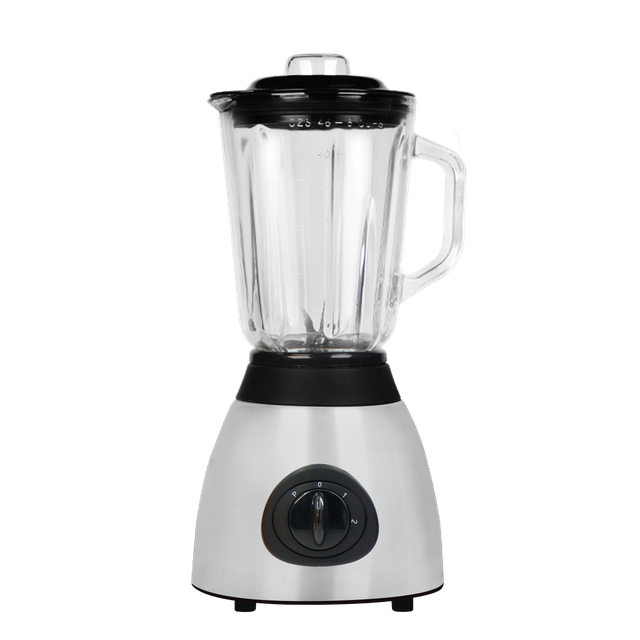
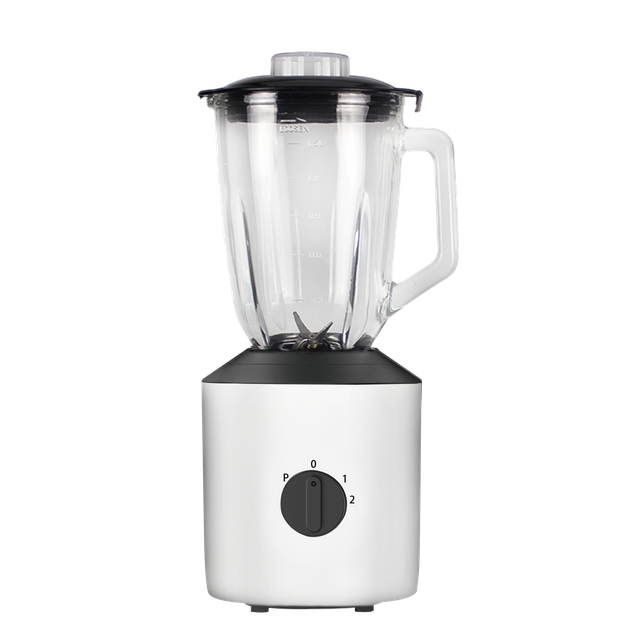
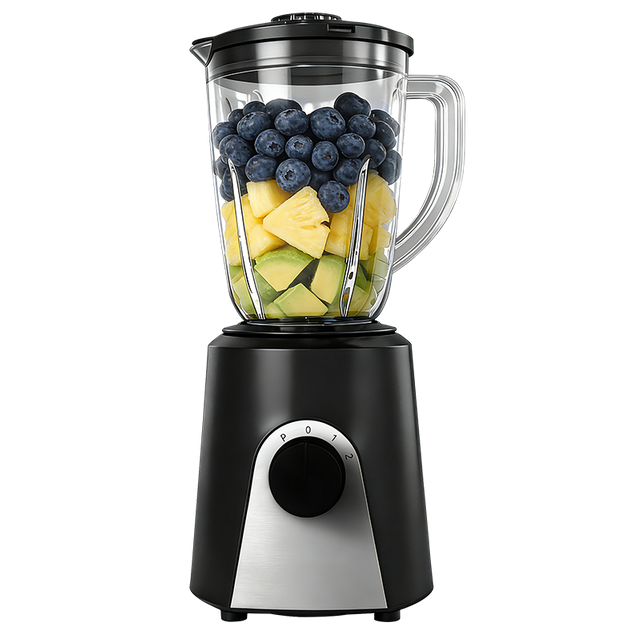
Electric blenders are versatile appliances used for smoothies, soups, and sauces. They typically include a motor base, a jar, blades, and a lid. Performance is measured by motor power, blade design, and jar geometry. Brand owners can differentiate through design, speed settings, preset programs, and smart features.
Juicers extract juice from fruits and vegetables. Centrifugal juicers use a spinning basket to shred and separate juice from pulp. Slow juicers, also called masticating juicers, crush and press ingredients at low speed, preserving nutrients and reducing oxidation. Citrus juicers are specialized for oranges, lemons, and grapefruits. Each type has distinct engineering requirements and target consumers.
Hand mixers and hand blenders are compact, handheld appliances. Hand mixers are used for baking and mixing, while hand blenders are used for pureeing and blending in a pot or bowl. Stand mixers are larger countertop appliances for dough, batter, and whipping. Coffee grinders and choppers are smaller but high-volume products with strong replacement demand. Food processors combine multiple functions such as slicing, shredding, chopping, and kneading.
By sourcing several of these categories from one ODM manufacturer, brand owners can achieve consistent design language, shared components, and simplified logistics. TAIFAI main products cover all these categories, which makes it a potential one-stop partner for kitchen appliance brands.
Manufacturing capability is not just about machines. It is about the ability to design, engineer, test, and produce at scale. Three indicators are particularly useful: patents, molds, and certifications.
Patents demonstrate innovation and technical depth. A manufacturer with dozens of patents has likely invested in research and development. TAIFAI has been approved for dozens of patents, and it owns 50 patents and 50 own molds. This suggests a strong commitment to original design and tooling control. For brand owners, patents can be a source of product differentiation and a barrier to copycats.
Own molds are critical for production control. When a manufacturer owns the molds, it can schedule production more flexibly and maintain consistent quality. It can also modify molds for custom requirements. Brand owners should ask who owns the mold if a new tool is developed. In ODM projects, the manufacturer often owns the mold. In OEM projects, the brand owner may pay for the mold and own it. The contract should clearly state mold ownership, maintenance responsibilities, and transfer conditions.
Certifications provide assurance that products meet safety and environmental standards. TAIFAI produces goods according to ISO9001:2015 standard and insists on strict management of production operation and quality. A variety of its products have CE, CB, GS, and RoHS certification with fantastic design, good performance, multi-functional features, and reasonable price. These certifications are essential for entering European markets and many other regions.
| Indicator | Why It Matters | What to Ask |
|---|---|---|
| Patents | Shows innovation and protects design | How many patents? Which products? Are they active? |
| Own molds | Indicates production control and capacity | How many molds? Who maintains them? Can they be modified? |
| ISO9001:2015 | Demonstrates quality management system | Is the certificate current? Which scope? |
| CE, CB, GS, RoHS | Enables market access and consumer trust | Which models are certified? Can new models be certified? |
A disciplined sourcing process helps brand owners avoid costly mistakes. The following ten steps provide a practical roadmap.
Brand owners should define the target market, price point, channel, and consumer profile. They should study competing juicers, read reviews, and identify gaps. The product brief should include desired capacity, power, speed, materials, dimensions, features, certifications, packaging, and target cost. A clear brief helps manufacturers respond with relevant proposals.
Brand owners can find suppliers through trade shows, B2B platforms, industry associations, and referrals. They should shortlist five to ten manufacturers based on product fit, certifications, and export experience. Initial screening can include website review, catalog requests, and email communication.
The request for quotation should include the product brief, estimated annual volume, target price, certification requirements, packaging needs, and delivery timeline. Manufacturers will respond with pricing, MOQ, lead time, and suggestions. Brand owners should compare not only price but also included services, tooling costs, and payment terms.
Samples are essential. Brand owners should request pre-production samples that match the intended specifications. They should test performance, noise, durability, safety, ease of cleaning, and packaging. Third-party lab testing can verify compliance. Feedback should be documented and sent to the manufacturer for revision.
Before committing to a large order, brand owners should audit the factory. The audit should cover production equipment, quality control, workforce, warehouse, testing lab, and social compliance. If travel is not possible, a third-party inspection company can conduct the audit. The audit report should be reviewed carefully, and any major findings should be resolved.
Negotiation should cover price, MOQ, lead time, payment terms, tooling ownership, intellectual property, confidentiality, warranty, defective product handling, and termination. The contract should be written in clear language and signed by both parties. Brand owners should consider local legal advice for cross-border contracts.
If customization requires new molds, the brand owner and manufacturer should agree on mold design, materials, cavity number, cycle time, and ownership. Mold development can take several weeks. Progress should be tracked with regular updates and sample approvals.
Once samples are approved, mass production begins. Quality control should include incoming material inspection, in-process checks, and final random inspection. The brand owner may appoint a third-party inspector for pre-shipment inspection. Defects should be documented and corrected before shipment.
Shipping arrangements depend on volume, destination, and urgency. Sea freight is cost-effective for large orders. Air freight is faster but more expensive. The manufacturer should provide commercial invoice, packing list, bill of lading, certificate of origin, and certification documents. Brand owners should verify customs requirements in their country.
After launch, brand owners should monitor customer feedback, warranty claims, and return rates. This data should be shared with the manufacturer for continuous improvement. Regular business reviews help maintain a strong partnership and identify new product opportunities.
Certifications are non-negotiable for many markets. They protect consumers, satisfy regulators, and build brand trust. The following table summarizes common certifications.
| Certification | Region | Purpose |
|---|---|---|
| CE | European Economic Area | Health, safety, and environmental protection |
| CB | International | IECEE CB Scheme for electrical safety |
| GS | Germany and Europe | Voluntary safety mark for tested products |
| RoHS | European Union | Restriction of hazardous substances |
| ETL / UL | North America | Electrical safety certification |
| LFGB / FDA | Europe / United States | Food contact material safety |
Brand owners should confirm that the manufacturer can provide certificates for the exact model and configuration being purchased. Certificates are often model-specific and may not cover variations. If a brand owner changes the motor, blade, jar, or electronic control, recertification may be required. This should be discussed early in the project.
TAIFAI products have been approved for dozens of patents, and its production follows ISO9001:2015. Many products carry CE, CB, GS, and RoHS certification. This certification portfolio can reduce the time and cost required for brand owners to enter regulated markets.
Understanding cost structure helps brand owners negotiate effectively and set realistic retail prices. A juicer ODM quotation typically includes several components.
| Cost Component | Description | Typical Influence |
|---|---|---|
| Materials | Plastic, metal, motor, blades, electronics, packaging | Volume, material grade, supplier prices |
| Labor | Assembly, testing, packing | Factory location, automation level |
| Tooling amortization | Mold cost spread over units | Order quantity, mold complexity |
| Certification | Testing and documentation | Market requirements, number of models |
| Packaging | Retail box, manual, inserts, master carton | Design complexity, print method |
| Logistics | Inland freight, export clearance, sea freight | Destination, volume, shipping mode |
| Profit margin | Manufacturer markup | Negotiation, order size, relationship |
Brand owners should ask for a detailed quotation that separates these components. This makes it easier to compare suppliers and identify cost drivers. It also helps when negotiating price reductions for higher volumes or long-term commitments.
Minimum order quantity, lead time, and payment terms are critical commercial terms. MOQ varies by product and customization level. For standard ODM juicers, MOQ may be one thousand to three thousand units. For custom colors or packaging, MOQ may be higher. For new mold development, MOQ may be five thousand units or more.
Lead time includes sample approval, material procurement, production, quality inspection, and shipping preparation. Standard lead time for ODM juicers is often thirty to sixty days after deposit and sample approval. Peak season, Chinese New Year, and supply chain disruptions can extend lead times. Brand owners should plan buffer time and communicate forecasts early.
Payment terms commonly include a deposit and balance before shipment. Typical terms are thirty percent deposit and seventy percent before shipment. Some manufacturers offer letters of credit or other arrangements for large orders. Brand owners should negotiate terms that balance risk and cash flow.
Intellectual property is a sensitive topic in ODM sourcing. Brand owners must protect their trademarks, packaging designs, and any proprietary features. Manufacturers must protect their own patents, molds, and technical know-how. A clear contract should address ownership, confidentiality, and non-disclosure.
Brand owners should register their trademarks in the target markets and, if possible, in China. They should also consider design patents for unique product shapes. If a manufacturer contributes an existing ODM design, the manufacturer typically retains ownership. The brand owner receives a license to sell the product under its brand. If the brand owner commissions a new design, the contract should specify who owns the design and mold.
TAIFAI has been approved for dozens of patents and owns 50 patents and 50 own molds. This indicates a strong IP portfolio. Brand owners working with such a manufacturer should discuss how patents apply to the selected products and whether exclusivity can be granted for certain markets or channels.
Packaging is a powerful marketing tool. It must protect the product during shipping, communicate key features, and comply with local regulations. Brand owners should provide brand assets, product images, feature lists, and regulatory text. The manufacturer can design the packaging or work with the brand owner design team.
Retail-ready packaging includes a colorful box, user manual, warranty card, and sometimes recipe book or accessories. E-commerce packaging may need to be more compact and durable for parcel shipping. Brand owners should request a packaging sample before mass production. They should also check barcode placement, warning labels, and recycling symbols.
For ODM products, the manufacturer may have existing packaging templates. Customization can include logo, color, imagery, and text. Brand owners should ensure that the packaging reflects the brand positioning and stands out on shelf or online.
Quality control is a shared responsibility. The manufacturer should have a documented quality management system, and the brand owner should verify it through audits and inspections. Key control points include incoming material inspection, motor testing, blade balance, electrical safety, leak testing, and final functional testing.
For juicers, important quality checks include motor speed, noise level, vibration, juice yield, pulp separation, ease of cleaning, and durability. Safety checks include insulation resistance, grounding continuity, leakage current, and thermal protection. Food contact materials should be tested for migration and odor. Packaging checks include drop tests, compression tests, and barcode verification.
Brand owners should agree on an acceptable quality limit and sampling plan. The AQL standard is commonly used. A pre-shipment inspection should be conducted before the balance payment. If defects exceed the limit, the manufacturer should rework or replace the affected units.
Logistics can make or break a product launch. Brand owners should plan shipping mode, port of departure, incoterms, and customs clearance. Common incoterms include FOB, EXW, CIF, and DDP. Each has different risk and cost implications.
Sea freight is suitable for large orders and non-urgent replenishment. Air freight is used for samples, urgent launches, or high-value products. Rail freight is an option for some European destinations. Brand owners should work with a freight forwarder who understands kitchen appliances and can handle customs documentation.
Inventory management is also important. Brand owners should forecast demand, place orders early, and maintain safety stock. They should monitor production progress and shipping schedules. A manufacturer with strong communication and planning capabilities can help avoid stockouts and excess inventory.
Many brand owners encounter similar problems when sourcing juicers. Recognizing these pitfalls helps avoid them.
Jiangmen Taifai Technology Co.,Ltd, known as TAIFAI, is located in China, in Jiangmen City, Guangdong Province, a flourishing home appliances manufacturing base. Founded in 2007, the company is a high-tech enterprise with capabilities and services of independent research and development, production, and sales. Its main products include electric blender, juicer, citrus juicer, hand mixer, hand blender, stand mixer, coffee grinder, chopper, and food processor.
TAIFAI supports OEM, ODM, and CKD. It has been approved for dozens of patents and owns 50 patents and 50 own molds. Its production of goods follows ISO9001:2015 standard, and it insists on strict management of production operation and quality. A variety of its products have CE, CB, GS, and RoHS certification with fantastic design, good performance, multi-functional features, and reasonable price.
TAIFAI focuses on the manufacturing and service of kitchen electric appliances. It is a professional kitchen appliances manufacturer with excellent scale and technology in China. It is a high quality kitchen electric appliances provider integrating design, research, development, production, sales, and service. For brand owners, this means access to a broad product portfolio, established quality systems, and export certifications. A brand owner can approach TAIFAI with a product brief, select an existing ODM platform, customize branding and packaging, and move toward mass production with a partner that understands both engineering and international compliance.
The juicer market continues to evolve. Several trends will shape ODM manufacturing in the coming years.
Smart features: Consumers increasingly expect app connectivity, preset programs, and voice control. ODM manufacturers are integrating electronic controls, sensors, and connectivity modules into juicers and blenders.
Health and wellness: Slow juicers and cold-press technology are gaining popularity. Manufacturers are investing in quieter motors, higher juice yield, and easier cleaning.
Sustainability: Recyclable packaging, energy-efficient motors, and reduced plastic use are becoming important. Brand owners should ask about sustainable materials and production practices.
Compact design: Urban consumers have limited counter space. Compact, multi-functional appliances that combine juicing, blending, and chopping are attractive.
E-commerce optimization: Products must be photogenic, easy to ship, and simple to use. Packaging and product design are increasingly influenced by online reviews and social media.
Supply chain resilience: Brand owners are diversifying suppliers and building closer relationships with key manufacturers. Transparent communication and flexible production are valued.
Before selecting a juicer ODM manufacturer, brand owners should complete the following checklist.
Juicer ODM sourcing offers brand owners a powerful way to enter or expand in the kitchen appliance market. By partnering with an experienced manufacturer, brand owners can reduce development costs, shorten time to market, and access certified, high-quality products. The key is to follow a structured sourcing process, evaluate manufacturers thoroughly, and build a long-term relationship based on trust and clear communication.
Manufacturers such as TAIFAI demonstrate the capabilities that brand owners should seek: independent research and development, production and sales, a broad product range, OEM and ODM and CKD support, dozens of patents, 50 own molds, ISO9001:2015 quality management, and CE, CB, GS, RoHS certifications. With the right partner, brand owners can focus on marketing, distribution, and brand building while the manufacturer handles engineering, production, and compliance.
The juicer market will remain competitive, but it will also reward brands that offer reliable performance, attractive design, and strong value. A well-executed ODM strategy can deliver all three. Brand owners who invest time in supplier selection and quality control will be better positioned to succeed in this dynamic category.
For brand owners seeking a juicer ODM manufacturer, the journey begins with a clear brief and a commitment to due diligence. The right manufacturing partner can turn a product idea into a retail-ready appliance and support the brand through many seasons of growth.


