


This article provides a comprehensive manufacturer checklist for juice blender OEM and ODM projects. It begins by explaining the growing demand for private label juice blenders and clarifies the differences between OEM, ODM, and CKD models. The guide then walks through ten project phases: manufacturer vetting, product specification, certification, tooling and prototyping, quality control, production planning, pricing and payment, packaging and logistics, after-sales support, and intellectual property protection. Each phase includes detailed checklists covering company history, ISO9001:2015, CE, CB, GS, and RoHS compliance, motor performance, jar and blade materials, safety interlocks, control panels, mould ownership, reliability testing, MOQs, lead times, Incoterms, warranty terms, and confidentiality agreements. The article also identifies red flags such as refusal to allow audits, vague certification claims, unclear mould ownership, unrealistic pricing, and weak after-sales plans. It explains how Jiangmen Taifai Technology Co.,Ltd, known as TAIFAI, supports OEM, ODM, and CKD projects. Founded in 2007 and located in Jiangmen City, Guangdong Province, TAIFAI is a high-tech kitchen appliance manufacturer with 50 patents, 50 own moulds, ISO9001:2015 production, and products certified to CE, CB, GS, and RoHS. Its portfolio includes electric blenders, juicers, citrus juicers, hand mixers, hand blenders, stand mixers, coffee grinders, choppers, and food processors. The summary concludes that a disciplined manufacturer checklist reduces development risk, improves product quality, protects intellectual property, and helps brand owners achieve faster, more reliable market entry for juice blender programs.
Selecting the right juice blender manufacturer is one of the most consequential decisions a brand owner can make when launching an OEM or ODM project. A juice blender is not a simple commodity. It combines a high-speed motor, precision blades, food-safe materials, electronic controls, safety interlocks, and consumer-friendly ergonomics. Every component affects performance, durability, compliance, and brand reputation. A structured manufacturer checklist helps buyers compare suppliers objectively, reduce development risk, and avoid costly delays. This long-form guide presents a detailed checklist for juice blender OEM and ODM projects, covering partner vetting, product specification, certification, tooling, quality control, production planning, packaging, logistics, and after-sales support. It also explains how an experienced manufacturer such as Jiangmen Taifai Technology Co.,Ltd, known as TAIFAI, can support private label programs from concept to delivery.
The global market for small kitchen appliances continues to expand as consumers seek healthier lifestyles, convenient food preparation, and affordable premium products. Juice blenders sit at the intersection of these trends. They are used for smoothies, fresh juices, sauces, baby food, protein shakes, and frozen desserts. Retailers, e-commerce sellers, lifestyle brands, and appliance distributors all want differentiated juice blenders that carry their own brand identity. This demand has created a strong market for OEM and ODM partnerships.
OEM, or original equipment manufacturing, allows a brand to provide its own design, specifications, and packaging while the factory manufactures the product. ODM, or original design manufacturing, allows the factory to offer a proven design that the brand can customize with logos, colors, packaging, and accessories. CKD, or completely knocked down, allows buyers to import components and assemble locally. Each model has different implications for cost, lead time, intellectual property, and quality control.
A manufacturer checklist is essential because juice blenders involve multiple technical and regulatory requirements. A blender that works well in a showroom may fail in daily use if the motor overheats, the jar cracks, the blade assembly leaks, or the safety switch malfunctions. A checklist forces the buyer to evaluate these risks before placing a mass production order.
undefined
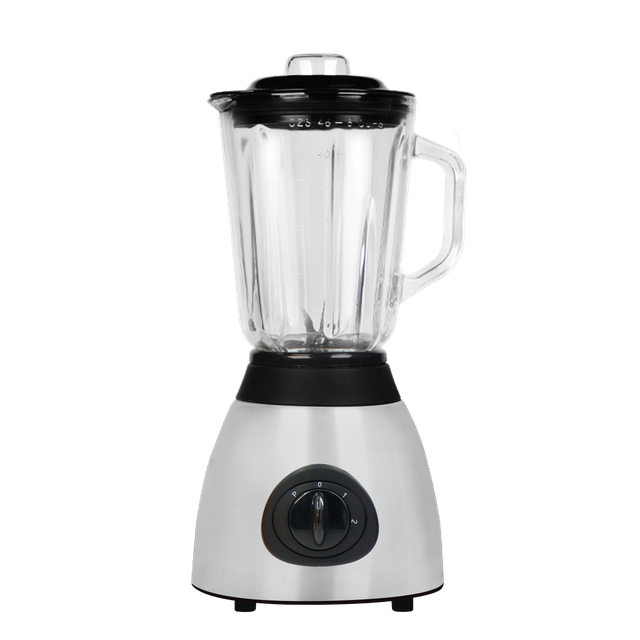
In an OEM project, the brand owner typically controls the industrial design, user interface, motor performance targets, jar capacity, blade geometry, and packaging. The manufacturer provides engineering support, tooling, production, testing, and compliance documentation. OEM projects usually require more upfront investment in moulds, prototypes, and certification. They also offer stronger differentiation and greater control over intellectual property.
In an ODM project, the manufacturer already owns a mature product platform. The brand owner selects a model, requests custom colors, logos, packaging, and minor functional changes. ODM projects are faster and less expensive because the core design, tooling, and certification already exist. The trade-off is that similar products may be available to other buyers, so the brand must compete on marketing, distribution, and service rather than unique hardware.
CKD projects are common in markets with high import duties on finished goods or local assembly incentives. The manufacturer exports components such as motors, jars, blades, housings, PCBA boards, and packaging. The buyer assembles the final product locally. CKD requires clear documentation, consistent component quality, and strong communication between the factory and the local assembly team.
Many established manufacturers support all three models. For example, TAIFAI supports OEM, ODM, and CKD projects, which gives brand owners flexibility as their market strategy evolves.
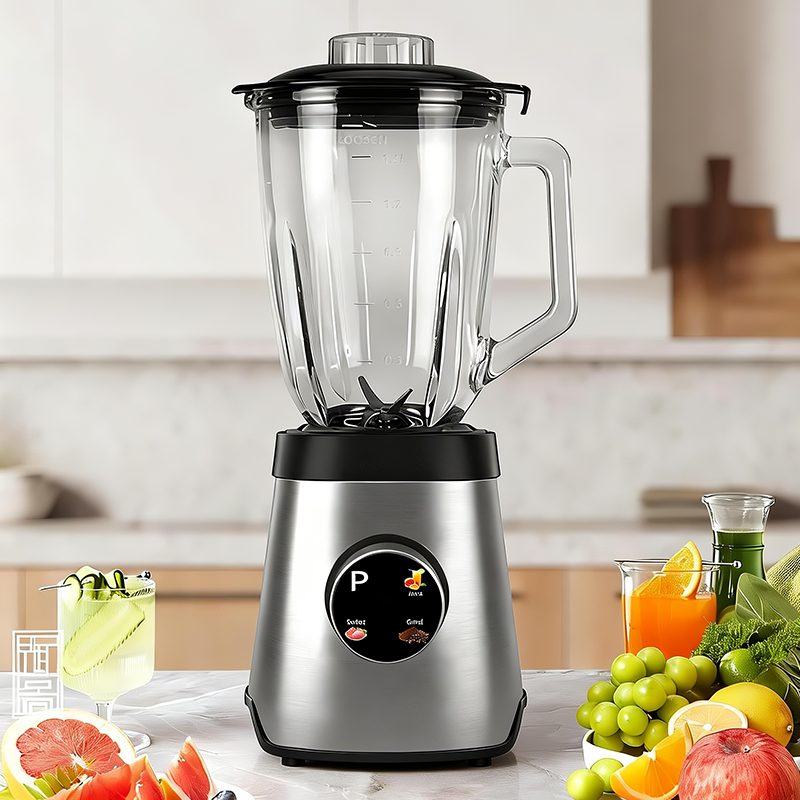
Before discussing price, the buyer should audit the manufacturer. A capable juice blender manufacturer should demonstrate technical depth, production scale, quality systems, and a clear understanding of international markets. The following checklist helps structure the vetting process.
The buyer should confirm the manufacturer's legal name, factory location, ownership structure, years in business, number of employees, factory area, and production capacity. A long operating history is not a guarantee of quality, but it does suggest stability and experience. The buyer should also verify whether the manufacturer specializes in kitchen appliances or produces a wide range of unrelated goods.
Jiangmen Taifai Technology Co.,Ltd is located in China, a flourishing home appliances manufacturing base in Jiangmen City, Guangdong Province. Founded in 2007, the company is a high-tech enterprise with capabilities and services of independent research and development, production and sales. Its main products include electric blender, juicer, citrus juicer, hand mixer, hand blender, stand mixer, coffee grinder, chopper and food processor. This focused portfolio indicates deep experience in small kitchen appliances.
Certifications are not optional for juice blenders sold in regulated markets. The buyer should request copies of ISO9001:2015, CE, CB, GS, RoHS, and any other relevant certificates. The manufacturer should also provide test reports for motor safety, heating, leakage current, mechanical hazards, and food-contact materials.
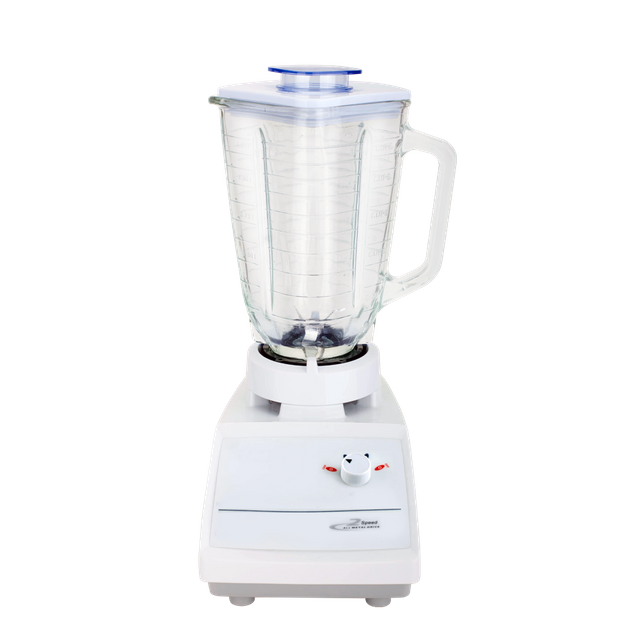
TAIFAI produces goods according to ISO9001:2015 standard and insists on strict management of production operation and quality. A variety of products have CE, CB, GS, and RoHS certification with fantastic design, good performance, multi-functional features, and reasonable price. These certifications reduce the buyer's compliance risk and shorten time to market.
Intellectual property and tooling ownership are critical in OEM and ODM projects. The buyer should ask how many patents the manufacturer holds and whether the manufacturer owns its moulds. Owned moulds indicate greater control over production, faster sampling, and lower tooling costs for derivative models.
TAIFAI has 50 patents and 50 own moulds. This means the company can support both custom OEM development and rapid ODM customization. The buyer should clarify whether new moulds will be owned by the buyer, the manufacturer, or jointly, and how the moulds will be stored and maintained.
Once the manufacturer passes the initial audit, the buyer and manufacturer must define the product specification in detail. A vague specification leads to disputes, delays, and quality problems. The following categories should be documented in a formal product requirement document.
The motor is the heart of a juice blender. The buyer should specify voltage, frequency, power, no-load speed, loaded speed, torque, duty cycle, and expected motor life. For personal blenders, a 300W to 600W motor may be sufficient. For full-size countertop blenders, 800W to 1500W or more may be required. The manufacturer should provide performance curves and test data.
The jar and blade assembly determine blending performance, cleaning convenience, and safety. The buyer should specify capacity, material, shape, handle design, lid type, spout, and sealing method. Common jar materials include Tritan, polycarbonate, glass, and stainless steel. Each has advantages and limitations.
Juice blenders are high-speed appliances, so safety is paramount. The manufacturer should design multiple safety layers, including lid interlock, motor overload protection, non-slip feet, and heat-resistant housing. Noise reduction is increasingly important for premium products, especially in open kitchens and cafes.
Electronic controls add perceived value but also introduce complexity. The buyer should specify whether the blender uses a mechanical switch, rotary dial, touch panel, or digital display. The manufacturer should provide PCBA schematics, firmware version control, and EMC test reports.
Certification is a major milestone in any OEM or ODM juice blender project. The buyer must identify the target markets and the required certifications before tooling is finalized. Changing a design after certification can be expensive and time-consuming.
TAIFAI products have been approved for dozens of patents and are produced according to ISO9001:2015. The company's experience with CE, CB, GS, and RoHS certification helps buyers navigate regulatory requirements more efficiently.
Tooling and prototyping are where design intent meets manufacturing reality. The buyer should require a detailed tooling plan, a prototype schedule, and clear acceptance criteria. The manufacturer should perform design for manufacturing and assembly analysis to reduce cost and improve quality.
TAIFAI has 50 own moulds, which can significantly reduce tooling cost and lead time for ODM projects. For OEM projects, the company can develop new moulds based on the buyer's design and maintain them under strict revision control.
Quality control must be built into every stage of production, not inspected only at the end. The buyer should require a quality plan that covers incoming materials, in-process assembly, final testing, and pre-shipment inspection.
A manufacturer with a strong quality culture will welcome these tests. TAIFAI insists on strict management of production operation and quality, which helps ensure that every shipment meets the buyer's expectations.
Production planning determines whether the buyer can meet retail launch dates and seasonal demand. The manufacturer should provide a realistic production schedule, material lead times, and capacity reservation.
Price should be evaluated together with quality, warranty, and total landed cost. The cheapest quotation may hide compromises in materials, testing, or after-sales support.
Packaging protects the product, communicates the brand, and influences retail success. The buyer should treat packaging as part of the product development process, not an afterthought.
After-sales support protects the brand and builds customer loyalty. The manufacturer should provide clear warranty terms, spare parts availability, and technical support.
A professional manufacturer such as TAIFAI integrates design, research, development, production, sales, and service. This integration helps resolve after-sales issues quickly and systematically.
Intellectual property is a major concern in OEM and ODM projects. The buyer should protect designs, trademarks, packaging artwork, and technical specifications.
Not every manufacturer is ready for international OEM and ODM projects. The buyer should watch for warning signs and address them early.
Risk mitigation includes staged payments, third-party inspections, clear contracts, and pilot orders before mass production. A manufacturer with strong systems will support these measures rather than resist them.
TAIFAI is focusing on the manufacturing and service of kitchen electric appliances. It is a professional kitchen appliances manufacturer with excellent scale and technology in China. TAIFAI is a high quality kitchen electric appliances provider integrating design, research, development, production, sales and service.
For juice blender OEM and ODM projects, TAIFAI offers several advantages. The company supports OEM, ODM, and CKD, giving buyers flexibility in product strategy and market entry. Its main products include electric blender, juicer, citrus juicer, hand mixer, hand blender, stand mixer, coffee grinder, chopper and food processor. This broad portfolio allows buyers to consolidate suppliers and develop a coordinated small appliance line.
TAIFAI has 50 patents and 50 own moulds. These assets support fast customization, competitive tooling costs, and reliable production. The company produces goods according to ISO9001:2015 standard and insists on strict management of production operation and quality. Many products carry CE, CB, GS, and RoHS certification, which helps buyers meet European and international requirements. The combination of fantastic design, good performance, multi-functional features, and reasonable price makes TAIFAI a strong partner for private label programs.
From a project management perspective, TAIFAI can assist with product specification, industrial design, prototyping, mould development, certification, mass production, packaging, and export logistics. The company's location in Jiangmen City, Guangdong Province, places it in a mature home appliances manufacturing base with access to skilled labor, component suppliers, and port facilities.
The following master checklist summarizes the key decision points. Buyers can use it as a scorecard when comparing manufacturers and managing projects.
A juice blender OEM or ODM project can be highly profitable when the right manufacturer is selected and managed with discipline. The checklist in this guide helps brand owners evaluate capability, define specifications, control quality, manage compliance, and protect intellectual property. It also highlights the importance of clear communication, staged approvals, and reliable after-sales support.
Manufacturers that combine engineering expertise, owned tooling, patent portfolios, international certifications, and flexible production models are best positioned to support long-term private label success. Jiangmen Taifai Technology Co.,Ltd, or TAIFAI, exemplifies this type of partner. Founded in 2007, located in Jiangmen City, Guangdong Province, and focused on kitchen electric appliances, TAIFAI supports OEM, ODM, and CKD projects with 50 patents, 50 own moulds, ISO9001:2015 production, and CE, CB, GS, and RoHS certified products. For buyers planning a juice blender program, a thorough manufacturer checklist is not a bureaucratic exercise. It is a practical tool that reduces risk, improves quality, and accelerates market success.


