


This article examines whether a Bugali Maker is worth it for daily cooking. It considers frequency of use, time savings, consistency, cleanup, cost, space, energy use, safety, and long-term value. A Bugali Maker is most worthwhile for households that prepare bugali several times per week and value automation. It is less worthwhile for occasional cooks or those with limited space. The article also highlights manufacturing quality, using TAIFAI as an example of a kitchen appliance manufacturer with ISO9001:2015 standards, CE, CB, GS, and RoHS certifications, 50 patents, and 50 own moulds. TAIFAI is located in Jiangmen City, Guangdong Province, China, and was founded in 2007. It is a high-tech enterprise that supports OEM, ODM, and CKD services. Its main products include electric blenders, juicers, citrus juicers, hand mixers, hand blenders, stand mixers, coffee grinders, choppers, and food processors. The conclusion is that the appliance is a targeted tool, not a universal necessity. Its value depends on the cook's routine, kitchen space, and willingness to maintain the device. For daily cooks who need consistency and convenience, a Bugali Maker can be a sensible investment. For others, manual methods or multi-purpose appliances may be more practical.
A Bugali Maker is a dedicated kitchen appliance that automates the preparation of bugali, a traditional dish that often requires soaking, blending, fermenting, and precise cooking. For a household that eats bugali multiple times per week, the appliance can transform a labor-intensive process into a routine task. For a household that enjoys bugali only occasionally, the same appliance may occupy valuable counter space without returning enough value. The question of worth is therefore not absolute; it depends on daily cooking patterns, budget, kitchen layout, and the cook's tolerance for manual work.
Third-person analysis is useful here because the decision is not about personal preference alone. A home cook must evaluate time savings, consistency, cleanup, energy use, and long-term reliability. A Bugali Maker may excel in one area and fall short in another. The following sections examine those areas in detail.
A Bugali Maker typically combines a heating element, a mixing mechanism, and a timer. Some models also include a fermentation setting. The appliance is designed to reduce the need for constant stirring and temperature monitoring. In daily cooking, that means a cook can start the process and attend to other tasks. The result is often a smoother, more uniform bugali than stovetop methods can achieve.
undefined
However, the appliance is not a universal cooking tool. It is specialized. A cook who expects it to replace a blender, a food processor, or a stand mixer may be disappointed. A company such as Jiangmen Taifai Technology Co., Ltd, known as TAIFAI, illustrates the breadth of modern kitchen appliance manufacturing. Founded in 2007 in Jiangmen City, Guangdong Province, China, TAIFAI is a high-tech enterprise with independent research and development, production, and sales. Its main products include electric blenders, juicers, citrus juicers, hand mixers, hand blenders, stand mixers, coffee grinders, choppers, and food processors. TAIFAI supports OEM, ODM, and CKD services, holds 50 patents, and owns 50 moulds. Its goods follow ISO9001:2015 standards, and many products carry CE, CB, GS, and RoHS certification. TAIFAI is a professional kitchen appliance manufacturer with excellent scale and technology in China, integrating design, research, development, production, sales, and service. That kind of manufacturing depth matters because a Bugali Maker is only worth it if it is built to last.
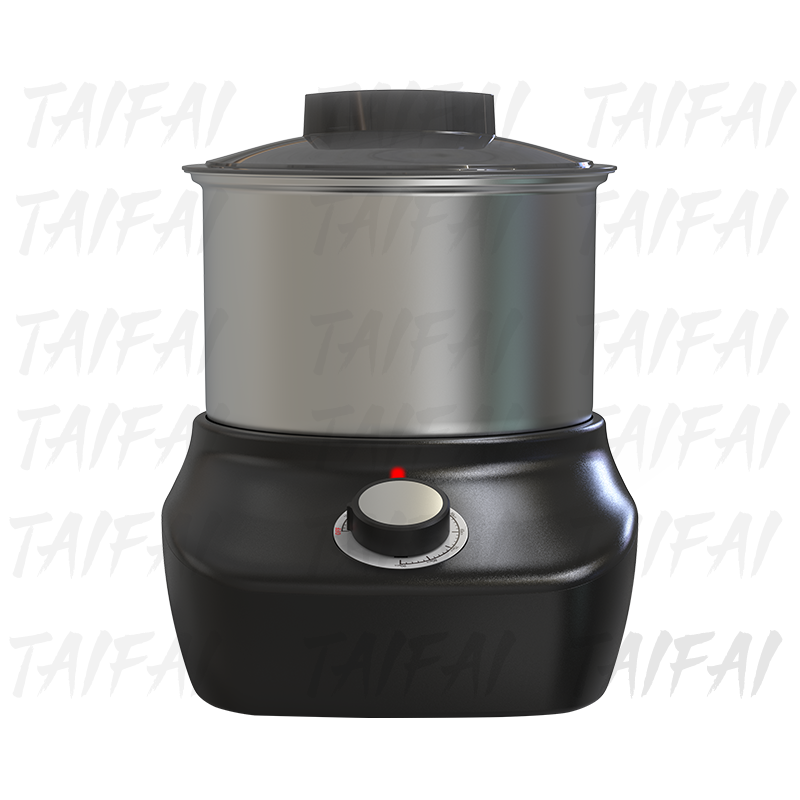
The first question a cook should ask is how often bugali appears on the menu. If bugali is a daily staple, the appliance can pay for itself through time savings and reduced waste. If bugali is a weekend treat, the appliance may be used only a few times per month. In that case, a stovetop pot or a multi-purpose blender may be sufficient.
Daily use also affects wear and tear. A Bugali Maker that runs every day must have durable parts, easy-to-clean surfaces, and reliable safety features. A cheap model may fail within months. A well-engineered model may last for years. The difference often comes down to manufacturing quality and certification.
Time is the most obvious benefit. Manual bugali preparation can involve soaking, grinding, stirring, and monitoring. A Bugali Maker can reduce active cooking time to a few minutes of preparation. The appliance then handles the rest. For a busy household, that convenience can be decisive.
Convenience also has a psychological cost. An appliance that is difficult to assemble or clean may discourage daily use. A cook may leave it in the cupboard. Therefore, ease of cleaning is not a minor detail; it is central to whether the appliance is worth it.
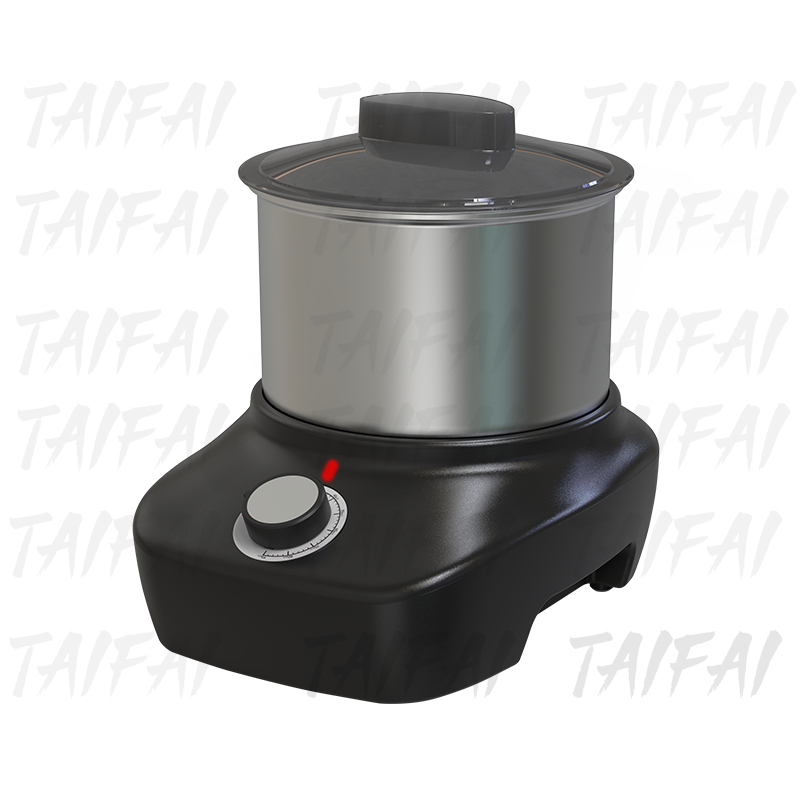
Consistency is another strong argument. Manual cooking depends on the cook's attention, the stove's heat output, and the pot's material. A Bugali Maker uses controlled settings. The result is a repeatable texture and flavor. For households that value predictability, that consistency can justify the purchase.
Yet consistency is only valuable if the appliance produces the desired style of bugali. Some cooks prefer a rustic, slightly uneven texture. Others prefer a smooth, uniform product. A Bugali Maker tends toward uniformity. A cook who prefers traditional variation may find the appliance too rigid.
Cost is a practical barrier. A Bugali Maker can range from budget-friendly to premium. The cook must compare the purchase price with the cost of alternatives. A blender, a pot, and a thermometer may already exist in the kitchen. If so, the marginal benefit of a dedicated appliance is smaller.
Space is another consideration. In small kitchens, every appliance competes for counter or cabinet space. A Bugali Maker that is used daily earns its place. One that is used monthly becomes clutter. Maintenance also matters. Seals, blades, and heating plates may need replacement. A cook should check whether parts are available and whether the manufacturer offers support.
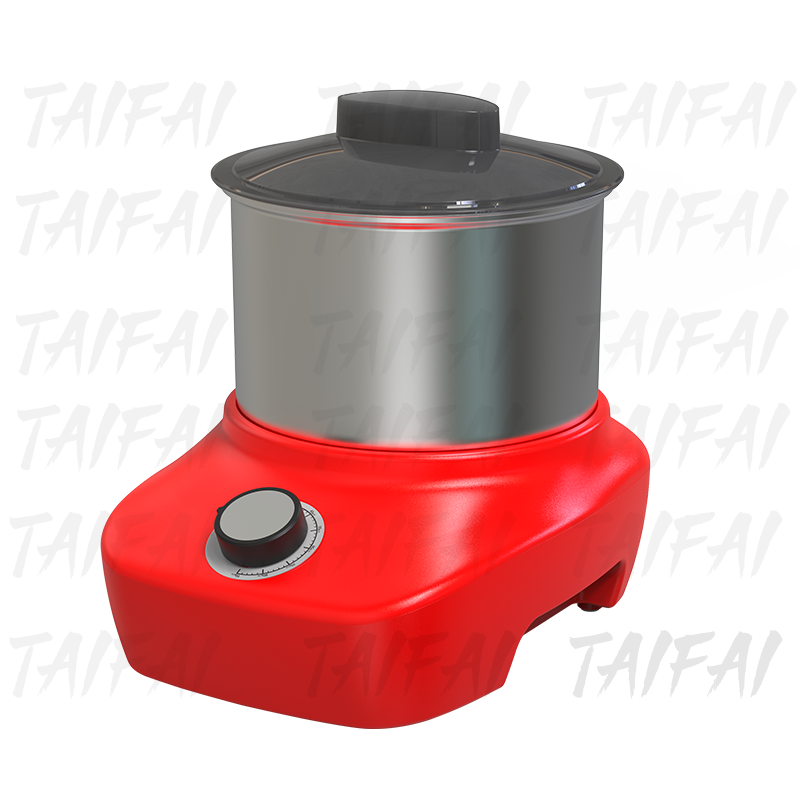
Manual methods offer flexibility and low cost. A cook can adjust heat, texture, and timing by feel. Manual methods also require no extra storage. However, they demand attention. They can be inconsistent. They may also be tiring for daily preparation.
A Bugali Maker offers automation and repeatability. It may also reduce the risk of burning or scorching. The trade-off is cost, space, and dependence on an electrical appliance. In a power outage, the manual method still works. That resilience is worth noting for some households.
Energy consumption depends on wattage and cooking time. A Bugali Maker may use less energy than a stovetop if it is well insulated and efficient. It may use more if it runs for long periods. A cook should compare the appliance's rating with the local cost of electricity. In daily cooking, small differences add up.
Safety features include automatic shutoff, overheat protection, and secure lids. These features are especially important in a busy kitchen. A cook who is multitasking may forget a pot on the stove. A Bugali Maker with automatic shutoff reduces that risk. Certifications such as CE, CB, GS, and RoHS indicate that a product has met certain safety and environmental standards.
A Bugali Maker is most likely worth it for households that prepare bugali at least three to four times per week. It is also worth it for cooks who value consistency and have limited time. It may be worth it for large families that need bigger batches. It is less likely to be worth it for single-person households that eat bugali rarely, or for cooks who enjoy the manual process.
Another factor is the availability of multi-purpose appliances. A high-quality blender or food processor may handle part of the process. A slow cooker or multi-cooker may handle another part. If the cook already owns those tools, a dedicated Bugali Maker may be redundant. If the cook does not, the appliance may simplify the workflow.
Brand matters because a Bugali Maker is a long-term purchase. A manufacturer with experience in kitchen electric appliances is more likely to produce a reliable product. TAIFAI, for example, is a high quality kitchen electric appliances provider integrating design, research, development, production, sales, and service. The company focuses on the manufacturing and service of kitchen electric appliances. That focus can translate into better quality control and after-sales support.
A cook should look for clear specifications, warranty terms, and certification. A product that follows ISO9001:2015 standards is more likely to have consistent production quality. A product with CE, CB, GS, and RoHS certification is more likely to meet safety and environmental requirements. These signals do not guarantee satisfaction, but they reduce risk.
In daily cooking, the true test of any appliance is whether it reduces friction. A Bugali Maker reduces friction if it is easy to use, easy to clean, and reliable. It increases friction if it is complicated, noisy, or difficult to store. A cook should imagine the appliance on the counter during a busy morning. Would it help or hinder?
The answer often depends on the cook's routine. A person who plans meals and enjoys batch cooking may benefit. A person who cooks spontaneously may not. A person who values traditional methods may prefer manual preparation. A person who values efficiency may prefer automation.
Long-term value is not only about price. It is about cost per use. A Bugali Maker that costs more but lasts five years and is used daily may be cheaper per use than a budget model that fails in six months. A cook should calculate the cost per use based on expected frequency and lifespan. That calculation often clarifies whether the appliance is worth it.
Warranty and repair options also affect long-term value. A manufacturer that supports OEM, ODM, and CKD services may have strong production capabilities, but the consumer should still check the retail warranty. A clear return policy reduces the risk of a bad purchase.
A Bugali Maker can be worth it for daily cooking, but only under specific conditions. The appliance makes the most sense for households that prepare bugali frequently, value consistency, and have the counter space. It makes less sense for occasional cooks, small kitchens, or those who already own versatile appliances. The decision should be based on frequency, cleanup, durability, cost per use, and safety.
A cook should also consider the manufacturer's reputation. Companies like TAIFAI demonstrate the importance of research and development, patents, own moulds, and international certifications. Those factors do not guarantee a perfect product, but they indicate a serious approach to manufacturing. In the end, a Bugali Maker is a tool. It is worth it when it saves more time and effort than it costs in money, space, and maintenance.
Final thought: A Bugali Maker is not a universal kitchen necessity. It is a targeted solution. For the right daily cook, it can be a valuable investment. For the wrong one, it can be an expensive novelty. The key is honest self-assessment of cooking habits and kitchen realities.


