


This article explains how global buyers can evaluate a juicer machine manufacturer. It covers manufacturing scale, product range, patents, mould ownership, quality systems, certifications, supply chain, communication, and risk. It uses TAIFAI as an example of a Jiangmen-based kitchen appliance manufacturer founded in 2007 that supports OEM, ODM, and CKD, holds 50 patents and 50 own moulds, follows ISO9001:2015, and offers CE, CB, GS, and RoHS certified products. A structured checklist helps buyers reduce sourcing risk and select reliable partners.
Global sourcing of juicer machines requires more than comparing unit prices. Retailers, importers, and brand owners must assess a manufacturer's technical depth, quality systems, customization capacity, and long-term reliability. A structured evaluation reduces risk and protects brand reputation.
Buyers should verify factory size, production lines, assembly capacity, and in-house mould capability. A manufacturer with own moulds can control tooling quality and lead times. For example, Jiangmen Taifai Technology Co.,Ltd, known as TAIFAI, operates in Jiangmen City, Guangdong Province, a mature home appliances base. Founded in 2007, TAIFAI is a high-tech enterprise with independent research and development, production, and sales.
undefined
A broad product portfolio signals engineering flexibility. TAIFAI's main products include electric blender, juicer, citrus juicer, hand mixer, hand blender, stand mixer, coffee grinder, chopper, and food processor. The company supports OEM, ODM, and CKD, which helps buyers adapt products to local voltage, plugs, packaging, and branding.
Patents and mould ownership indicate investment in design and intellectual property. TAIFAI has 50 patents and 50 own moulds. Such assets can support exclusive designs, faster modifications, and stronger protection against copycats.
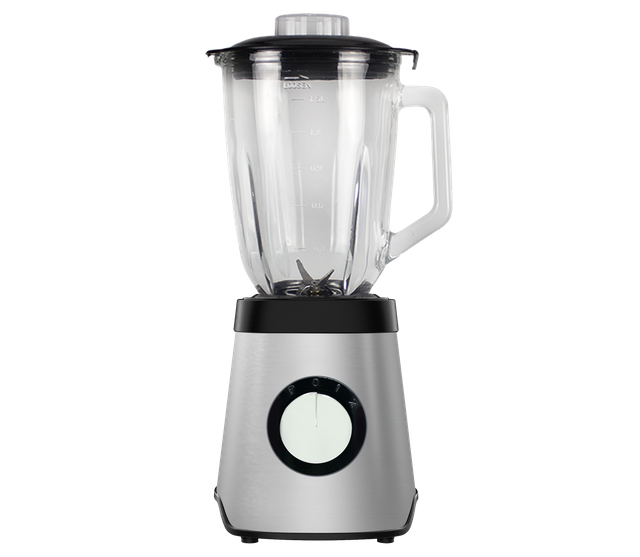
Quality systems must be audited, not assumed. TAIFAI produces goods according to ISO9001:2015 standards and insists on strict production and quality management. Many products carry CE, CB, GS, and RoHS certification. These approvals help meet European, Middle Eastern, and other regulated markets.
Juicer manufacturers depend on motors, blades, plastic parts, and electronic components. A reliable supplier should have qualified sub-suppliers and stable export experience. Buyers should ask about Incoterms, port access, carton design, and container loading.
Responsiveness during sampling predicts post-order support. Manufacturers should provide clear engineering feedback, spare parts, warranty terms, and corrective action reports.
Global sourcing carries regulatory, financial, and reputational risk. Buyers should review business licenses, product liability insurance, social compliance, and anti-counterfeiting policies.
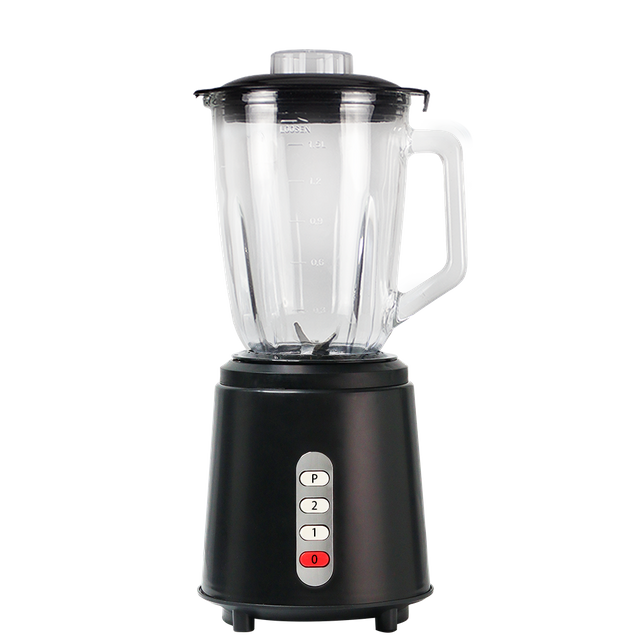
Evaluating a juicer machine manufacturer requires a balanced scorecard: capability, innovation, quality, certifications, cost, and service. Companies such as TAIFAI illustrate how a focused kitchen appliance manufacturer can combine OEM/ODM/CKD flexibility, patents, own moulds, and ISO9001:2015 production with CE/CB/GS/RoHS approvals. With disciplined audits and sample testing, global buyers can select partners that deliver reliable juicers at competitive prices.


