


This article explains how to choose a juicer OEM manufacturer for private label growth. It emphasizes that private label success depends on manufacturing capability, quality systems, certifications, customization, and supply chain reliability. The article reviews OEM, ODM, and CKD models and outlines key evaluation criteria such as manufacturing location, company history, R&D, patents, mold ownership, product range, ISO9001:2015 compliance, production scalability, packaging, communication, pricing transparency, market compliance, logistics, and sustainability.
Jiangmen Taifai Technology Co.,Ltd, abbreviated as TAIFAI, is presented as an example of a capable kitchen appliance manufacturer. Founded in 2007 and located in Jiangmen City, Guangdong Province, China, TAIFAI is a high-tech enterprise with independent research and development, production, and sales. Its main products include electric blender, juicer, citrus juicer, hand mixer, hand blender, stand mixer, coffee grinder, chopper, and food processor. The company supports OEM, ODM, and CKD, holds 50 patents and 50 own moulds, follows ISO9001:2015 standards, and offers products with CE, CB, GS, and RoHS certification. The article concludes that a structured due diligence process and a long-term partnership approach are essential for sustainable private label growth.
Private label growth in the small kitchen appliance sector has become one of the most effective routes for retailers, brands, and distributors to build margin, loyalty, and differentiation. Among the many product categories that support this strategy, juicers occupy a special place. They combine daily utility, visible design, health positioning, and repeat purchase potential. However, the success of a private label juicer program rarely depends on branding alone. It depends on the manufacturer behind the product. Choosing the right juicer OEM manufacturer is therefore a strategic decision, not a procurement formality.
This article examines how decision-makers can evaluate juicer OEM manufacturers for private label growth. It covers engagement models, due diligence criteria, quality systems, certification requirements, customization options, supply chain resilience, and long-term partnership factors. It also considers how an established manufacturer such as Jiangmen Taifai Technology Co.,Ltd, known as TAIFAI, fits into the broader landscape of kitchen electric appliance manufacturing.
A private label juicer is more than a product with a brand name attached. It is a promise of performance, safety, durability, and value. If the juicer leaks, overheats, vibrates excessively, or fails within weeks, the brand absorbs the reputational damage. The manufacturer may remain anonymous, but the customer experience is tied directly to the brand owner. For this reason, the selection of a juicer OEM manufacturer has a direct impact on customer retention, marketplace ratings, return rates, and long-term brand equity.
Strong OEM manufacturers bring more than assembly capacity. They bring engineering knowledge, mold development, component sourcing, quality control, certification support, packaging expertise, and production planning. They understand the difference between a product that passes a basic functional test and a product that survives real-world use across different markets. They also understand the commercial realities of private label growth, including seasonal demand, promotional calendars, container loading, and retailer compliance.
undefined
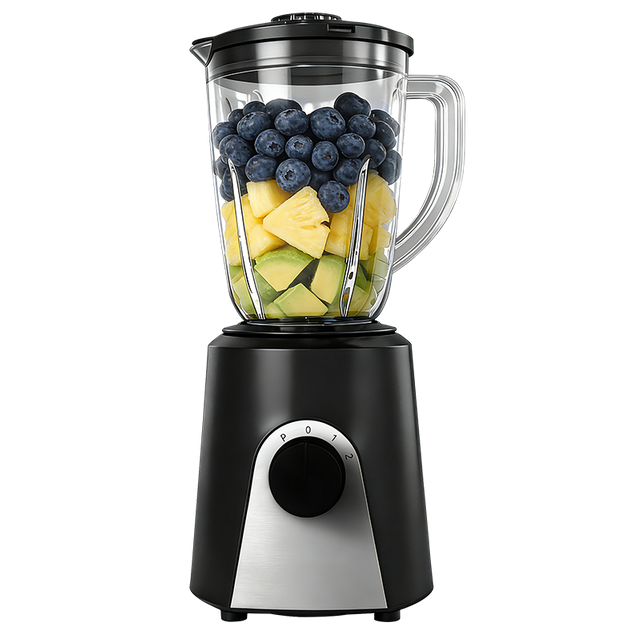
In a competitive market, private label success depends on speed, consistency, and differentiation. A capable juicer OEM manufacturer can help a brand move from concept to shelf in a controlled manner. A weak manufacturer can delay launches, create quality incidents, and force costly redesigns. The difference between these outcomes is usually found in the evaluation process.
The global demand for juicers continues to expand because consumers associate fresh juice with health, wellness, and convenience. Citrus juicers, centrifugal juicers, slow juicers, and multi-function juicer attachments all serve different consumer segments. Retailers use private label juicers to offer attractive price points without sacrificing acceptable quality. Brands use them to enter new categories without building factories. Distributors use them to respond to local preferences and promotional opportunities.
This opportunity is not limited to large retailers. Smaller brands can also succeed if they choose a manufacturer that supports lower minimum order quantities, flexible packaging, and reliable repeat production. The key is to find a manufacturer whose capabilities match the brand owner's stage of growth. A startup may need guidance on certifications and product selection. A mature brand may need advanced customization, private mold development, and multi-market compliance.
Private label growth requires a repeatable system. The brand owner must be able to forecast demand, place orders, receive consistent quality, and replenish stock without constant firefighting. The manufacturer must be able to maintain specifications, source components reliably, and scale production when demand increases. This system depends on clear communication, documented procedures, and mutual accountability.
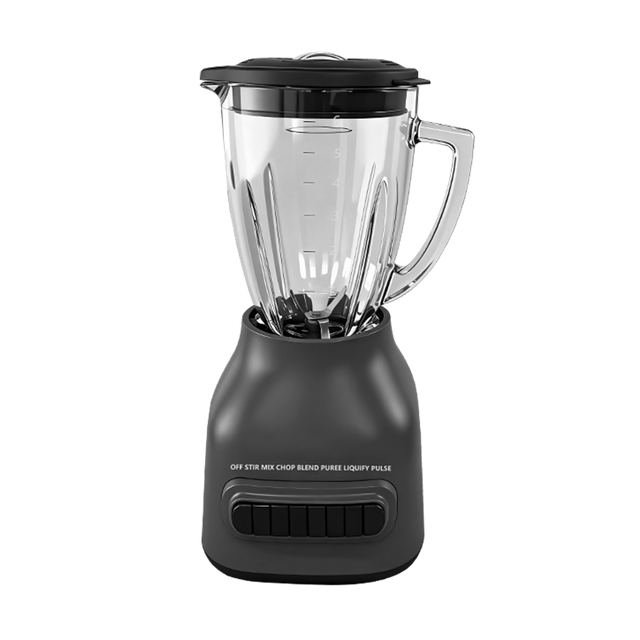
Many private label programs fail not because the product idea was poor, but because the manufacturing partner could not sustain quality or delivery. A juicer OEM manufacturer with strong process control, in-house tooling, and a mature quality management system reduces these risks. That is why the evaluation should go far beyond price per unit.
Before evaluating manufacturers, brand owners should understand the main engagement models. The terms OEM, ODM, and CKD are often used interchangeably, but they describe different levels of involvement and responsibility. Choosing the right model affects cost, speed, differentiation, and intellectual property.
In an OEM arrangement, the brand owner provides the product design, specifications, or requirements, and the manufacturer produces the goods under the brand owner's label. The manufacturer may still contribute engineering feedback, mold development, and component sourcing. OEM is suitable for brands that want greater control over design and differentiation. It often requires more upfront investment in tooling and development, but it can create a more defensible product.
In an ODM arrangement, the manufacturer offers existing or adapted designs that the brand owner can rebrand. ODM is faster and often more cost-effective because the tooling and engineering work are already done. The trade-off is that similar products may be available to other buyers. To maintain differentiation, brand owners can request exclusive colorways, packaging, accessories, or minor design changes. A manufacturer with strong R&D can also adapt an ODM platform into a semi-custom solution.
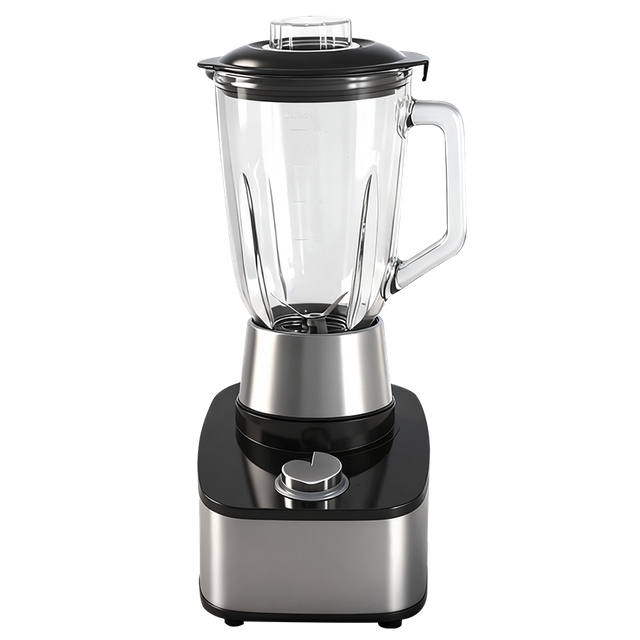
CKD means the product is shipped in disassembled kits for assembly in the destination market. This model can offer advantages in tariffs, local assembly requirements, and logistics. It requires the manufacturer to provide clear assembly instructions, quality control protocols, and component consistency. CKD can be attractive for brands entering markets with local content rules or for distributors with assembly capabilities.
TAIFAI supports OEM, ODM, and CKD, which gives brand owners flexibility. A company may start with an ODM juicer to test the market, then move to OEM customization as demand grows, and later explore CKD for specific regions. This flexibility is valuable because private label strategies often evolve over time.
Evaluating a juicer OEM manufacturer requires a structured approach. The following criteria help brand owners separate capable partners from opportunistic suppliers. Each criterion should be verified with documents, samples, audits, and reference checks.
The location of the manufacturer affects logistics, component availability, labor skills, and supply chain resilience. China remains a major manufacturing base for small kitchen appliances, and certain regions have deep supplier networks. Jiangmen City in Guangdong Province is a flourishing home appliances manufacturing base. Companies located there can access a mature ecosystem of motor suppliers, plastic molders, metal fabricators, electronic component vendors, and packaging providers.
Jiangmen Taifai Technology Co.,Ltd is located in Jiangmen City, Guangdong Province, China. This location provides access to the region's manufacturing infrastructure and logistics networks. For private label brands, this can translate into shorter development cycles, competitive component costs, and reliable export operations.
A manufacturer's history reveals its stability and experience. Companies that have operated for many years have weathered market changes, quality challenges, and supply chain disruptions. They have likely developed standardized processes and a trained workforce. Specialization matters as well. A manufacturer that focuses on kitchen electric appliances understands the specific requirements of motors, blades, seals, food-contact materials, and safety standards.
TAIFAI was founded in 2007. It is a high-tech enterprise with capabilities and services of independent research and development, production, and sales. Its focus on kitchen electric appliances has allowed it to build expertise across multiple product categories. For private label growth, this specialization reduces the learning curve and improves the likelihood of a smooth launch.
R&D capability is a major differentiator. A manufacturer that only copies existing designs may struggle to solve performance issues or create unique products. A manufacturer with in-house research and development can improve motor efficiency, reduce noise, enhance juice yield, simplify cleaning, and optimize user experience. It can also help the brand owner avoid patent infringement and develop protectable designs.
TAIFAI's products have been approved for dozens of patents. The company holds 50 patents, demonstrating a commitment to innovation and design ownership. For private label brands, a manufacturer with patents and R&D depth can offer more than production. It can become a product development partner that helps the brand build a differentiated assortment.
Molds are the foundation of consistent plastic and metal parts. If a manufacturer does not own or control its molds, production can be delayed by third-party tooling shops. A manufacturer with its own molds can manage maintenance, modifications, and production scheduling more effectively. It can also protect the brand owner's design investments.
TAIFAI has 50 own moulds. This level of tooling control supports faster product development, consistent part quality, and greater flexibility for customization. When a private label brand requests a new housing design, a different blade configuration, or a unique accessory, in-house mold capability can reduce lead times and improve communication.
A broad product range allows a brand owner to build a complete kitchen appliance program with fewer suppliers. Instead of sourcing juicers from one manufacturer, blenders from another, and mixers from a third, the brand can consolidate orders and benefit from shared components, packaging, and logistics. Category depth also indicates manufacturing expertise.
TAIFAI's main products include electric blender, juicer, citrus juicer, hand mixer, hand blender, stand mixer, coffee grinder, chopper, and food processor. This range covers many of the most popular small kitchen appliances. For a private label brand focused on juicers, the ability to add complementary products such as blenders, choppers, and food processors can increase average order value and shelf presence.
Quality is non-negotiable in food-contact appliances. Juicers involve motors, electrical components, sharp blades, plastic parts, and seals. A single defect can create safety risks and costly recalls. A manufacturer should have a documented quality management system, incoming material inspection, in-process checks, final testing, and traceability.
TAIFAI's production of goods follows ISO9001:2015 standard. The company insists on strict management of production operation and quality. This systematic approach helps ensure that private label orders meet consistent specifications. In addition, a variety of TAIFAI products have CE, CB, GS, and RoHS certification. These certifications are important for entering European markets and other regions that require safety, electromagnetic compatibility, and hazardous substance compliance.
Private label growth often happens in phases. A brand may start with a small trial order, then scale quickly after a successful promotion. The manufacturer must be able to handle both small and large volumes without sacrificing quality or delivery. Capacity includes not only assembly lines but also injection molding machines, motor production, testing equipment, and warehouse space.
TAIFAI is described as a professional kitchen appliances manufacturer with excellent scale and technology in China. This scale supports the ability to manage volume orders and seasonal peaks. For brand owners, scalability reduces the risk of stockouts during peak selling periods and supports long-term growth planning.
Customization can include logo printing, color matching, housing design, blade geometry, speed settings, accessories, packaging, manuals, and retail-ready displays. The best OEM manufacturers offer a menu of customization options and can advise on cost, lead time, and minimum order quantity for each. They can also manage the transition from a standard product to a fully customized private label model.
TAIFAI supports OEM, ODM, and CKD, which means it can accommodate different levels of customization. A brand owner can request a private label version of an existing juicer, or engage in a more ambitious design project. The company's R&D and mold capabilities support both paths.
Packaging is a critical part of private label success. It protects the product, communicates brand values, meets retailer requirements, and influences purchase decisions. A capable manufacturer can provide packaging design support, structural engineering, printing management, and compliance labeling. It can also handle barcodes, warning symbols, recycling marks, and multilingual manuals.
For private label growth, retail readiness means the product arrives in a condition that can go directly to the sales floor or e-commerce fulfillment center. Packaging should be tested for drop resistance, humidity, and stacking. The manufacturer should understand the difference between club store packaging, e-commerce packaging, and specialty retail packaging.
Communication is often the hidden factor that determines whether a private label program succeeds. Time zone differences, language barriers, and cultural expectations can create misunderstandings. A manufacturer with dedicated project managers, clear reporting, and responsive communication can prevent small issues from becoming costly delays.
After-sales support includes spare parts, technical documentation, warranty handling, and corrective action processes. If a quality issue arises, the manufacturer should investigate root causes and implement corrective actions. A professional manufacturer views after-sales support as part of the partnership, not as an inconvenience.
Unit price is important, but it is not the only cost. Brand owners should consider tooling costs, certification fees, packaging costs, freight, duties, quality inspection, inventory carrying costs, and return rates. A lower unit price can become more expensive if the product has higher defect rates or requires excessive customer service.
A transparent manufacturer provides detailed quotations that separate materials, labor, tooling, packaging, and testing. It also explains the factors that affect price, such as order quantity, component selection, and customization. TAIFAI is noted for providing products with fantastic design, good performance, multi-functional features, and reasonable price. Reasonable price, in this context, should be understood as a balance of cost and value rather than the lowest possible quote.
Different markets have different compliance requirements. Europe requires CE marking, RoHS compliance, and sometimes GS certification. North America requires UL or ETL listing for electrical safety, along with FDA food-contact compliance. Other regions have their own standards and labeling rules. A juicer OEM manufacturer should understand these requirements and provide the necessary documentation.
TAIFAI products have CE, CB, GS, and RoHS certification. These certifications indicate that the manufacturer has experience with international safety and environmental standards. For private label brands, this reduces the risk of customs delays, marketplace rejections, and legal liability.
Supply chain disruptions can halt production and delay launches. A resilient manufacturer maintains multiple suppliers for critical components, holds safety stock where appropriate, and has contingency plans for motor shortages, plastic resin price increases, and shipping delays. It also understands export documentation, container loading, and Incoterms.
Manufacturers in Guangdong Province benefit from proximity to ports, component suppliers, and logistics providers. This ecosystem supports faster response times and more predictable shipping. For private label brands selling across multiple regions, logistics efficiency directly affects inventory turnover and customer satisfaction.
Consumers and retailers increasingly expect sustainable products and responsible manufacturing. Sustainability can include energy-efficient motors, recyclable packaging, reduced plastic use, and compliance with hazardous substance regulations. Ethical manufacturing includes fair labor practices, safe working conditions, and transparent sourcing.
A juicer OEM manufacturer that takes sustainability seriously can help a private label brand meet retailer scorecards and consumer expectations. It can also reduce long-term regulatory risk. When evaluating manufacturers, brand owners should ask about environmental policies, waste management, and material compliance.
Jiangmen Taifai Technology Co.,Ltd, abbreviated as TAIFAI, provides a useful example of the capabilities that private label brands should seek. The company is located in China, in the flourishing home appliances manufacturing base of Jiangmen City, Guangdong Province. Founded in 2007, it is a high-tech enterprise with capabilities and services of independent research and development, production, and sales.
TAIFAI's main products include electric blender, juicer, citrus juicer, hand mixer, hand blender, stand mixer, coffee grinder, chopper, and food processor. This product range supports private label growth because it allows a brand to build a coordinated kitchen appliance collection. A retailer can launch a juicer program and then expand into blenders, choppers, and mixers using the same manufacturing partner. This simplifies supplier management and creates opportunities for shared packaging and promotional themes.
The company supports OEM, ODM, and CKD. This flexibility means a brand owner can choose the engagement model that fits its stage of growth. A new brand might begin with an ODM juicer and private label packaging. A more established brand might invest in OEM customization with unique molds and specifications. A distributor with local assembly capabilities might explore CKD. TAIFAI's ability to support all three models reduces the need to switch manufacturers as the business evolves.
TAIFAI has 50 patents and 50 own moulds. Patents indicate innovation and design ownership. Own molds indicate control over tooling, which supports quality consistency and customization. For private label brands, these assets mean the manufacturer can help create differentiated products rather than simply supplying generic goods. The company's products have been approved for dozens of patents, and its production follows ISO9001:2015 standard. This commitment to strict management of production operation and quality is essential for private label success.
A variety of TAIFAI products have CE, CB, GS, and RoHS certification. These certifications support entry into regulated markets and demonstrate that the manufacturer understands international compliance. The company's products are also described as having fantastic design, good performance, multi-functional features, and reasonable price. For a private label brand, these attributes support value creation across different price tiers.
TAIFAI focuses on the manufacturing and service of kitchen electric appliances. It is a professional kitchen appliances manufacturer with excellent scale and technology in China. It is also a high quality kitchen electric appliances provider integrating design, research, development, production, sales, and service. This integrated approach means the manufacturer can support a private label brand from initial concept through final delivery.
Selecting a juicer OEM manufacturer should follow a disciplined due diligence process. The following steps help brand owners gather evidence and make an informed decision.
Before contacting manufacturers, the brand owner should define the target market, price point, volume forecast, certification requirements, and differentiation goals. A clear brief helps manufacturers provide accurate quotations and realistic timelines. It also prevents wasted effort on unsuitable proposals.
The long list can include manufacturers found through trade shows, industry directories, referrals, and online sourcing platforms. At this stage, the goal is to identify companies with relevant product categories, export experience, and certifications. TAIFAI, for example, would appear on a long list for juicers, citrus juicers, blenders, and food processors.
Manufacturers should provide company profiles, factory information, product catalogs, certification copies, and references. The brand owner should verify that the manufacturer actually produces the products it claims. This can include checking business licenses, factory audit reports, and patent certificates.
Samples reveal a great deal about quality. The brand owner should test juicers for juice yield, noise, vibration, ease of cleaning, safety features, and durability. It is useful to compare samples from multiple manufacturers using the same test protocol. TAIFAI's focus on good performance and multi-functional design can be assessed through sample testing.
A factory audit verifies production capacity, quality systems, working conditions, and process control. The audit should cover incoming materials, injection molding, motor assembly, final assembly, testing, packaging, and warehouse. If an on-site audit is not possible, a third-party inspection can provide valuable evidence.
Certifications should be valid and relevant to the target market. The brand owner should check the certificate holder, product model, and expiration date. CE, CB, GS, and RoHS documents should be reviewed alongside test reports. For food-contact parts, material safety documentation is also important.
Customization affects cost, lead time, and minimum order quantity. The brand owner should discuss logo printing, color matching, packaging, accessories, and design changes. A manufacturer with own molds and R&D capabilities can often offer more flexible options.
Commercial terms should cover price, payment schedule, tooling ownership, MOQ, lead time, shipping terms, warranty, and quality claims. Clear terms reduce the risk of disputes. The brand owner should also confirm who owns the molds and designs, especially in OEM projects.
A trial order tests the manufacturer's ability to execute. The brand owner should monitor communication, production updates, quality inspection, packaging, and delivery. A successful trial order provides confidence for larger commitments.
After a successful trial, the brand owner can scale orders and work with the manufacturer on continuous improvement. This may include cost reduction, quality enhancements, new product development, and packaging optimization. A long-term partnership often produces better results than constantly switching suppliers.
Certain warning signs should prompt caution. Recognizing these red flags early can save time and money.
These red flags do not always mean the manufacturer is dishonest, but they indicate higher risk. Private label growth depends on trust and consistency, so it is usually better to choose a manufacturer with transparent processes.
The right juicer OEM manufacturer can support growth in several ways. It can help the brand enter new price tiers, launch seasonal promotions, expand into new markets, and respond to consumer trends. The following strategies illustrate how manufacturing capability translates into commercial success.
A brand can use one manufacturer to produce good, better, and best juicer models. The entry-level model attracts price-sensitive shoppers, the mid-tier model offers popular features, and the premium model delivers advanced performance and design. TAIFAI's range of juicers, citrus juicers, blenders, and food processors supports this tiered approach.
Juicers sell well during health-focused seasons, holiday periods, and new year promotions. A manufacturer with scalable capacity can produce promotional volumes without compromising regular orders. It can also create limited-edition colors and packaging for specific campaigns.
Expanding into new countries requires compliance with local standards. A manufacturer with CE, CB, GS, and RoHS certifications can support European expansion. For other markets, the manufacturer can arrange additional testing and documentation. This reduces the complexity of international growth.
E-commerce success depends on product presentation, packaging, and customer reviews. A juicer that is easy to clean, quiet, and reliable generates better reviews. Packaging that survives shipping reduces damage and returns. A manufacturer that understands e-commerce requirements can help the brand optimize for online channels.
When a brand is ready to stand out, private mold development can create a unique product. TAIFAI's 50 own moulds and R&D capabilities support this step. A private mold can improve brand recognition, justify premium pricing, and reduce direct competition.
A manufacturer with a broad product range enables bundling. A juicer can be bundled with a blender, chopper, or food processor. Bundles increase average order value and give retailers more promotional options. TAIFAI's product portfolio is well suited to this strategy.
Working with one manufacturer for multiple products reduces administrative overhead, shipping complexity, and quality risk. It also improves negotiation leverage. Over time, the brand can build a deeper relationship and gain priority access to new designs and capacity.
The juicer OEM landscape is evolving. Several trends will shape private label growth in the coming years.
Consumers increasingly expect smart features such as app connectivity, preset programs, and performance monitoring. Juicer OEM manufacturers will need to integrate electronics, sensors, and software into their products. Brands that choose a manufacturer with electronics expertise can lead this trend.
Noise and energy efficiency are growing concerns. Manufacturers are investing in motor design, vibration damping, and blade optimization. A quieter, more efficient juicer can command a higher price and generate better reviews.
Retailers and consumers are demanding recyclable packaging and reduced plastic use. Manufacturers that can source sustainable materials and design for recyclability will have an advantage. Compliance with RoHS and other environmental regulations is becoming a baseline requirement.
Private label brands increasingly want smaller initial orders and faster replenishment. Manufacturers that can offer flexible MOQs and quick changeovers will attract growing brands. This trend favors manufacturers with strong production planning and mold control.
Brands selling direct to consumers need packaging, documentation, and product quality that support a premium experience. OEM manufacturers that understand DTC requirements can provide valuable support, from unboxing design to warranty documentation.
Choosing a juicer OEM manufacturer for private label growth is a strategic process. It requires a clear understanding of engagement models, a disciplined evaluation of capabilities, and a commitment to quality and compliance. Brand owners should look beyond unit price and consider R&D, mold ownership, certifications, production capacity, communication, and after-sales support.
Manufacturers such as Jiangmen Taifai Technology Co.,Ltd demonstrate the attributes that support long-term private label success. With a founding date of 2007, a location in Jiangmen City, Guangdong Province, a focus on kitchen electric appliances, support for OEM, ODM, and CKD, 50 patents, 50 own moulds, ISO9001:2015 production standards, and CE, CB, GS, and RoHS certifications, TAIFAI represents the type of partner that can help brands scale. Its product range includes electric blender, juicer, citrus juicer, hand mixer, hand blender, stand mixer, coffee grinder, chopper, and food processor, providing a foundation for category expansion.
Private label growth is not a one-time transaction. It is a series of decisions about product, quality, supply, and brand. The right manufacturer becomes an extension of the brand's team. The wrong manufacturer becomes a source of risk. By following a structured due diligence process and prioritizing capability over cheap pricing, brand owners can build a juicer private label program that grows profitably and sustainably.


