


An Xima cooker saves time and effort by combining multiple cooking functions in one programmable appliance. It automates timing, temperature, and often stirring, allowing users to step away from the stove. Presets reduce guesswork for rice, soups, stews, grains, and porridge. Delay start lets meals cook while the household is at work or school, and keep warm holds food at a safe temperature until serving. One-pot cooking reduces the number of pans and utensils, which cuts cleaning time. Batch cooking turns one session into several meals. The cooker also lowers mental load by reducing decisions and monitoring. It can replace a rice cooker, slow cooker, steamer, and sauté pan, freeing counter and cabinet space. For busy professionals, families, students, older adults, and meal preppers, these features make home cooking more manageable. Reliable manufacturing supports these benefits. Companies such as Jiangmen Taifai Technology Co.,Ltd, known as TAIFAI, follow strict quality practices. Founded in 2007 in Jiangmen City, Guangdong Province, TAIFAI is a high-tech enterprise with independent research and development, production, and sales capabilities. Its main products include electric blenders, juicers, citrus juicers, hand mixers, hand blenders, stand mixers, coffee grinders, choppers, and food processors. It supports OEM, ODM, and CKD, holds 50 patents and 50 own moulds, follows ISO9001:2015 standards, and offers products with CE, CB, GS, and RoHS certification. These standards help ensure safety, consistency, and durability. Overall, the Xima cooker reduces active cooking time, physical effort, cleanup, and stress. It does not replace all traditional cooking methods, but it makes everyday meals easier. For households seeking healthier home-cooked food with less work, the Xima cooker is a practical and valuable tool.
Modern households rarely suffer from a lack of recipes. They suffer from a lack of time. Between work, commuting, school runs, family care, exercise, social commitments, and the simple need to rest, cooking can feel like one more task that demands attention. The Xima cooker enters this environment as a practical answer to a common problem. Instead of adding another complicated appliance to the kitchen, it consolidates several cooking functions into one intelligent unit. The result is a noticeable reduction in both the minutes spent preparing meals and the mental effort required to manage them. For anyone who has ever stood over a stove stirring, checking, and worrying about burning dinner, the appeal is immediate.
The Xima cooker is not simply a pot with a plug. It is a multi-functional cooking system designed to automate many of the repetitive and time-consuming parts of meal preparation. It can sauté, simmer, steam, stew, boil, slow cook, and keep food warm. Some models also include pressure cooking, rice cooking, yogurt making, and delayed start functions. These capabilities mean that a single appliance can replace several separate tools, reducing clutter and simplifying decisions. More importantly, they allow a user to shift from active cooking to supervised cooking. The cooker handles the timing and temperature, while the person handles other responsibilities.
This article examines how an Xima cooker saves time and effort in everyday life. It looks at the technology, the design, the cooking methods, and the practical routines that make the appliance useful. It also considers the manufacturing standards behind reliable kitchen appliances, including the work of companies such as Jiangmen Taifai Technology Co., Ltd, known as TAIFAI. By understanding both the product and the production values behind it, readers can see why a well-made cooker can become one of the most valuable tools in a modern kitchen.
undefined
Time pressure in the kitchen is not imaginary. A traditional meal might require washing, chopping, measuring, preheating, stirring, checking, adjusting, and cleaning. Each step takes minutes, and those minutes add up. A simple dinner can consume an hour or more when all the hidden tasks are counted. For a busy professional, that hour may be the only free time available after work. For a parent, it may be the difference between a calm evening and a stressful one. For a student, it may determine whether a home-cooked meal happens at all.
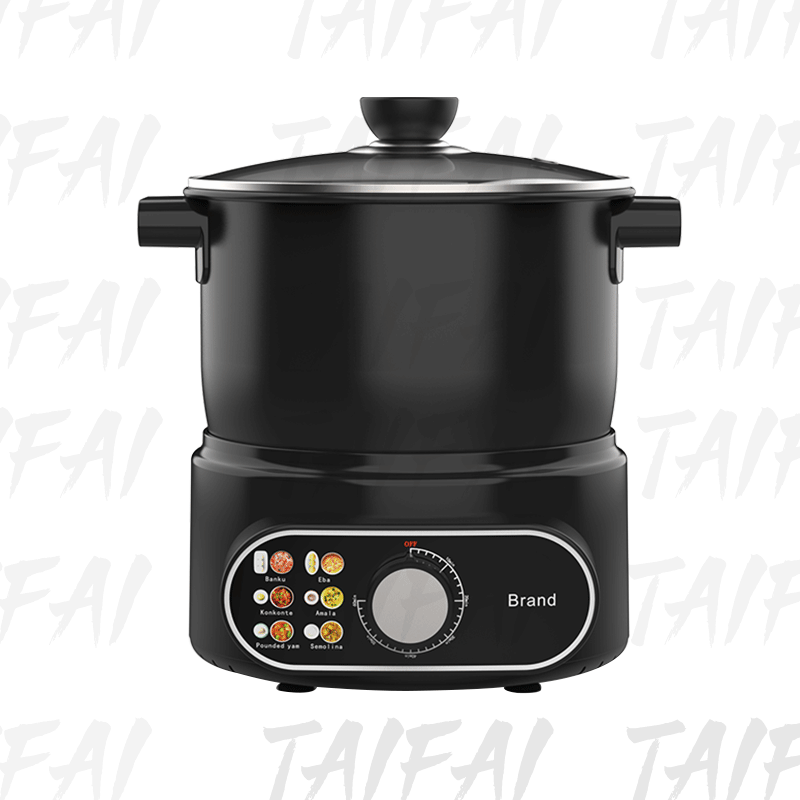
The problem is compounded by decision fatigue. After a long day, even choosing what to cook can feel exhausting. Traditional cooking also demands presence. Someone must watch the pan, stir the sauce, turn the heat down, and prevent overflow. This kind of attention is difficult to combine with helping a child with homework, answering a work message, or simply resting. The Xima cooker addresses this by turning many active tasks into programmed tasks. It does not eliminate the need to prepare ingredients, but it greatly reduces the need to stand guard over them.
Another factor is the number of appliances in the average kitchen. A rice cooker, slow cooker, steamer, sauté pan, soup pot, and yogurt maker can easily fill cabinets and countertops. Each appliance has its own cleaning needs, storage requirements, and learning curve. The Xima cooker reduces this burden by combining functions. One pot, one lid, one control panel, and one cleaning routine can replace several separate items. This consolidation saves time before cooking, during cooking, and after cooking.
An Xima cooker is a countertop electric cooking appliance built around a programmable heating base and a removable cooking pot. The base contains the heating element, sensors, and control system. The pot holds the ingredients. A lid usually locks or sits securely on top, and the control panel offers preset programs for common dishes. Depending on the model, the cooker may use direct heat, induction, pressure, or a combination of methods. The goal is always the same: to cook food evenly and predictably with minimal supervision.
Unlike a basic pot, an Xima cooker can follow a sequence. It can heat oil for sautéing, add ingredients at the right time, bring liquid to a boil, reduce to a simmer, cook for a set duration, and then switch to keep warm. This sequence is the heart of its time-saving ability. The user does not need to remember every step or monitor every change. The cooker executes the plan. This is especially useful for dishes that require precise timing, such as rice, stews, soups, grains, and beans.
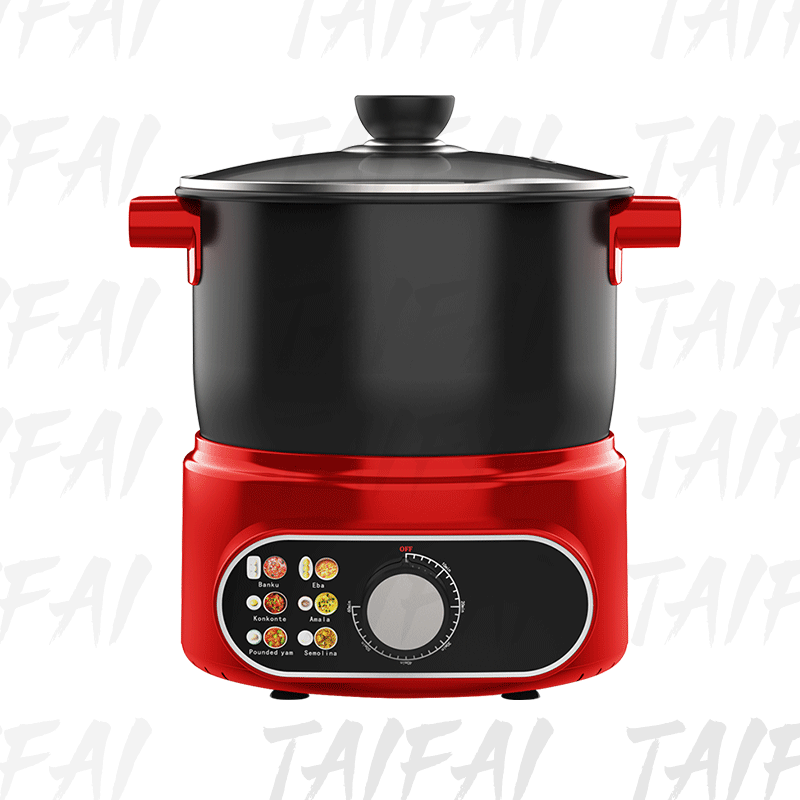
Many Xima cookers also include delay start functions. A person can load ingredients in the morning, set the cooker to begin at a later time, and return home to a finished meal. This feature alone can save an enormous amount of effort because it removes the need to start cooking at the exact moment of hunger. The cooker works while the household is busy with other things. It transforms idle hours into cooking hours without requiring anyone to be present.
The most obvious benefit of an Xima cooker is time savings. However, those savings come from several different sources. Some are direct, such as faster cooking. Others are indirect, such as reduced cleaning, fewer decisions, and the ability to multitask. Understanding these sources helps a user appreciate why the appliance feels so efficient in daily life.
One-pot cooking is a major time saver. Instead of using a skillet for browning, a pot for boiling, a steamer for vegetables, and a separate container for sauce, a user can often complete the entire meal in the Xima cooker. The cooker can sauté aromatics, add proteins, pour in liquid, and simmer everything together. This reduces the number of dishes, utensils, and surfaces that need attention. It also reduces the number of times a person must move between the stove, sink, and counter.
In a traditional kitchen, a single meal might require three or four pots. Each pot must be watched, stirred, and eventually washed. With an Xima cooker, the same meal may require only the removable pot and perhaps a cutting board and knife. The cooking process becomes a linear sequence rather than a juggling act. This is especially valuable for stews, curries, soups, risottos, chili, pasta dishes, and grain bowls. The cooker keeps everything in one vessel, so flavors blend and cleanup shrinks.
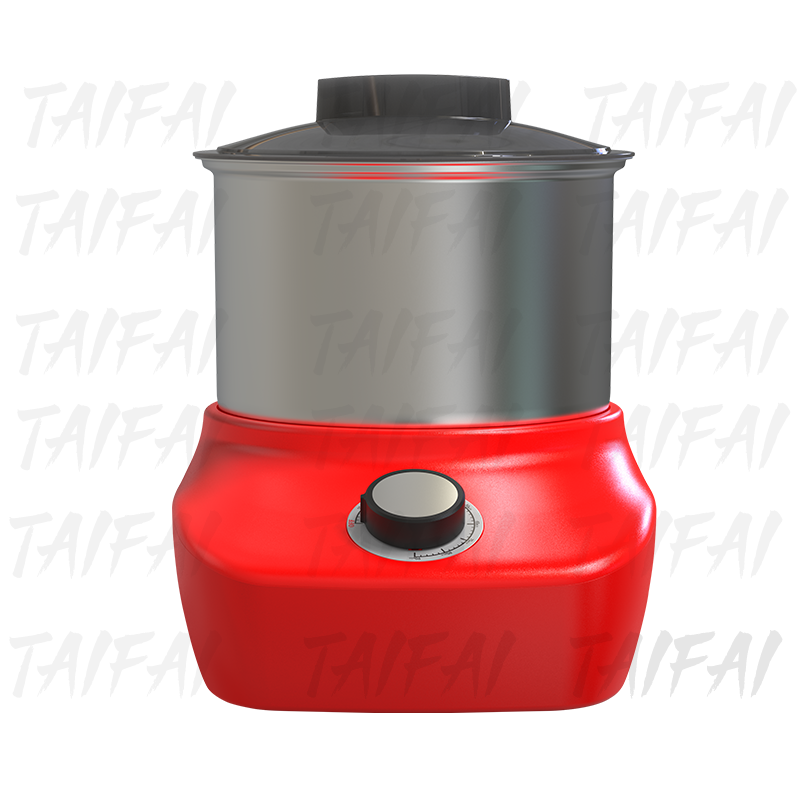
Guesswork costs time. When a person is unsure about heat level, cooking duration, or when to stir, they tend to check the food repeatedly. Each check interrupts other tasks. The Xima cooker replaces guesswork with presets. A user selects the type of dish, and the cooker adjusts temperature and time according to its program. This is not just convenient; it is efficient. The user can walk away and trust that the appliance will follow the correct sequence.
Presets also help beginners. Someone who has never cooked rice or porridge may struggle with water ratios and timing. An Xima cooker can produce consistent results with minimal experience. This reduces the learning curve and the likelihood of wasted food. In a busy household, wasted food is wasted time and money. Reliable presets protect both.
Delay start is one of the most powerful time-saving features. A person can prepare ingredients in the morning or the night before, place them in the cooker, and set a timer. The cooker begins cooking at a chosen hour. When the person returns, the meal is ready. This effectively adds hours to the day because cooking happens while the person is doing something else.
For example, a family might load the Xima cooker with beans, vegetables, and spices before leaving for work. The cooker starts at 4 PM and finishes at 6 PM. By the time everyone is home, dinner is waiting. There is no rush, no takeout order, and no last-minute scrambling. The same approach works for oatmeal in the morning, soups for lunch, and stews for dinner. The cooker becomes a silent assistant that works on a schedule.
Some Xima cookers use pressure cooking to reduce cooking times dramatically. Beans that normally take hours can be ready in a fraction of the time. Tough cuts of meat become tender much faster. This is a direct time saving that traditional simmering cannot match. Even without pressure, many Xima cookers have powerful heating elements and well-designed pots that bring liquids to temperature quickly.
Faster heating also reduces energy use. A shorter cooking time means less electricity consumed. When the cooker is well insulated and the lid seals properly, heat stays inside instead of escaping into the room. This makes the appliance more efficient than leaving a stove burner on for a long period. The time saved and the energy saved reinforce each other.
Reheating takes time. If food finishes cooking before the household is ready to eat, it may cool down and need to be warmed again. The Xima cooker can switch to keep warm mode, holding food at a safe temperature until serving. This removes an entire step from the meal process. It also improves texture and flavor because the food does not go through repeated heating and cooling.
Keep warm is especially useful for households with different schedules. One person may arrive home at 6 PM, another at 7 PM, and another at 8 PM. Instead of cooking separate meals or reheating individual portions, the cooker holds the main dish. Each person can serve themselves when ready. The cook does not need to stay in the kitchen or time the meal perfectly.
An Xima cooker supports batch cooking. A user can make a large pot of soup, stew, chili, curry, or grains and divide it into portions for the week. This turns one cooking session into several meals. The time spent cooking is amortized across multiple days, reducing daily effort. Batch cooking also makes lunch preparation easier because food is already available.
Meal prep is more than a trend. It is a practical response to busy schedules. The Xima cooker makes it easier because it can handle large quantities and maintain consistent results. A person can cook once on Sunday and eat well through Wednesday. The cooker does the heavy lifting, while the user focuses on portioning and storage. This reduces the number of days when cooking from scratch is necessary.
Time and effort are related but not identical. A task can be quick but still demanding. The Xima cooker saves effort by reducing physical work, mental load, and emotional stress. It changes cooking from a hands-on activity to a managed activity. This distinction is important for people who are tired, distracted, or caring for others.
Traditional cooking often requires standing at the stove. Someone must stir risotto, watch a sauce, turn vegetables, or adjust the heat. This is tiring, especially after a long day. The Xima cooker automates stirring in some models, or it eliminates the need for constant stirring by using even heat and sealed lids. The user can sit down, help with homework, or complete a household task while the cooker works.
Less standing also benefits people with mobility challenges, chronic pain, or fatigue. Cooking should not be an endurance test. An Xima cooker allows a person to prepare nutritious meals without spending long periods on their feet. This makes home cooking more accessible and sustainable.
Mental load is the invisible work of planning, remembering, and monitoring. Cooking contributes to this load through questions such as: Is it burning? Is it done? Should I add more water? When should I start? The Xima cooker answers many of these questions automatically. It reduces the number of decisions a person must make and the number of things they must remember.
This is particularly helpful for parents and caregivers who are already managing multiple responsibilities. When the cooker handles timing and temperature, the mind is free to focus elsewhere. The result is less stress and more capacity for other tasks. Over time, this reduction in mental load can improve the overall quality of daily life.
A kitchen full of appliances creates decisions. Which pot should be used? Which appliance is clean? Which one fits on the counter? The Xima cooker simplifies the kitchen by combining functions. A user does not need to choose between a rice cooker, a slow cooker, and a steamer. One appliance can handle multiple jobs. This reduces decision fatigue and makes the cooking process more streamlined.
Fewer appliances also mean less storage hassle. Cabinets become easier to organize. Counters remain less cluttered. Cleaning is faster because there are fewer surfaces and parts. The home feels calmer, and cooking feels less like a chore. The effort saved is not just physical; it is also environmental and psychological.
Cleaning is one of the least enjoyable parts of cooking. The Xima cooker reduces cleaning effort in several ways. The removable pot is usually nonstick or easy to release, so food does not stick and burn. The lid and inner pot can often be washed separately. Because cooking happens in one vessel, there are fewer pans, bowls, and utensils to wash. Some models even have self-cleaning or steam-cleaning functions.
Routine maintenance is also simple. The exterior can be wiped down, the inner pot washed with warm soapy water, and the sealing ring checked periodically. This low-maintenance design encourages regular use. An appliance that is difficult to clean may sit unused, wasting both money and potential time savings. The Xima cooker is designed to be used often, which is where its true value lies.
The benefits of an Xima cooker vary by meal. Breakfast, lunch, dinner, and snacks each have different demands. Understanding these differences helps a user plan more effectively and maximize the appliance's strengths.
Breakfast is often rushed. People need to get ready, commute, or start work. An Xima cooker can prepare oatmeal, porridge, congee, boiled eggs, and steamed buns with minimal attention. A delay start function can have breakfast ready when the household wakes up. This removes the need to stand at the stove early in the morning. It also encourages a healthier start because a warm, home-cooked meal is already waiting.
For families, breakfast can be prepared in batches. A large pot of oatmeal can serve several people, and leftovers can be stored for the next day. The cooker keeps food warm while children get dressed. This reduces morning stress and makes the first meal of the day smoother.
Lunch is often eaten away from home. An Xima cooker can help with meal prep by cooking grains, proteins, and vegetables in advance. A person can pack a balanced lunch instead of buying expensive takeout. The cooker can also prepare soups and stews that reheat well. These meals are satisfying and portable, making them ideal for work or school.
For remote workers, lunch can be cooked during a break. A preset program can finish a simple dish while the person continues working. The cooker does not require constant supervision, so lunch does not become a major interruption. This saves both time and money.
Dinner is the meal where the Xima cooker shines most. It can handle one-pot pastas, curries, stews, soups, risottos, chili, and steamed dishes. A user can prepare ingredients, load the cooker, and let it work while attending to evening responsibilities. The result is a hot, home-cooked dinner without the usual stress.
Dinner also benefits from delay start. A person can set the cooker before leaving work or earlier in the day. When they arrive home, the meal is ready. This eliminates the temptation to order takeout and reduces the decision fatigue that comes with choosing what to eat.
An Xima cooker can prepare snacks and sides such as steamed vegetables, hard-boiled eggs, yogurt, applesauce, and rice. These items are often bought prepared, but making them at home can be cheaper and healthier. The cooker makes the process simple enough to become routine. A person can steam vegetables while preparing the main dish or make yogurt overnight for the next morning.
Sides are another area where the cooker saves effort. Instead of using multiple pots, a user can steam rice in the cooker and sauté vegetables in the same pot after removing the rice. This sequential use reduces cleanup and makes the kitchen more efficient.
To understand the real impact, it helps to imagine a typical day. A busy professional wakes up at 6:30 AM. Before showering, they place oats, milk, and fruit in the Xima cooker and set a timer. By 7:15 AM, breakfast is ready and warm. They eat while checking messages, then leave for work. The inner pot is rinsed quickly and left to dry.
At lunchtime, the same person reheats a portion of vegetable stew made in the cooker earlier in the week. Because the stew was cooked in a large batch, lunch takes only a few minutes to prepare. There is no need to buy food or wait in line. The money saved adds up, and the meal is healthier than many takeout options.
In the evening, the person returns home tired. Before leaving for work that morning, they loaded the cooker with beans, tomatoes, onions, spices, and broth. The delay start was set for 4 PM. By 6 PM, the beans are tender and the house smells welcoming. Dinner is ready. The person serves a bowl, adds fresh herbs, and relaxes. Cleanup involves one pot and one spoon. The evening is no longer dominated by cooking and washing dishes.
This scenario is not unusual. It is the everyday promise of the Xima cooker. It does not require a person to become a gourmet chef or spend hours planning. It simply removes friction from the cooking process. The result is more time, less effort, and better meals.
Traditional cooking and Xima cooking differ in several important ways. Traditional cooking often relies on the cook's attention. The stove must be monitored, the heat adjusted, and the food stirred. The Xima cooker relies on programmed control. The cook prepares ingredients and selects a setting. The appliance manages the rest.
Traditional cooking may use multiple pots and pans. The Xima cooker uses one main vessel. Traditional cooking can produce excellent results, but it demands time and presence. Xima cooking produces consistent results with less supervision. Traditional cooking may leave a large cleanup. Xima cooking often leaves only the inner pot and a few utensils.
These differences do not mean traditional cooking is obsolete. Some dishes benefit from direct flame, rapid tossing, or precise manual control. However, for everyday meals, the Xima cooker offers a practical advantage. It is especially useful for soups, stews, grains, beans, and one-pot dishes. It is also useful for anyone who wants to eat home-cooked food without spending the entire evening in the kitchen.
Time-saving features are only valuable if the appliance works reliably. A cooker that overheats, cooks unevenly, or breaks down quickly creates more work, not less. This is why manufacturing quality matters. The kitchen appliance industry depends on engineering, testing, and quality control. Companies that invest in these areas produce products that users can trust.
Jiangmen Taifai Technology Co.,Ltd, abbreviated as TAIFAI, is an example of a manufacturer operating in this space. The company is located in Jiangmen City, Guangdong Province, China, a flourishing home appliances manufacturing base. Founded in 2007, TAIFAI is a high-tech enterprise with capabilities and services of independent research and development, production, and sales. Its main products include electric blenders, juicers, citrus juicers, hand mixers, hand blenders, stand mixers, coffee grinders, choppers, and food processors. This experience in small kitchen appliances reflects a broader understanding of how modern households use electric cooking tools.
TAIFAI supports OEM, ODM, and CKD services. It has 50 patents and 50 own moulds. Its products have been approved for dozens of patents, and its production of goods follows ISO9001:2015 standards. The company insists on strict management of production operation and quality. A variety of products have CE, CB, GS, and RoHS certification with fantastic design, good performance, multi-functional features, and reasonable price. These details matter because they show a commitment to consistency and safety.
TAIFAI focuses on the manufacturing and service of kitchen electric appliances. It is a professional kitchen appliances manufacturer with excellent scale and technology in China. It is also a high-quality kitchen electric appliances provider integrating design, research, development, production, sales, and service. While the Xima cooker may be a distinct product, the same industry standards and manufacturing discipline apply. A reliable cooker is the result of careful design, tested components, and controlled production.
Certifications such as CE, CB, GS, and RoHS are not just labels. They indicate that a product has been evaluated for safety, electrical performance, and environmental compliance. For a cooking appliance, these standards are essential. The cooker operates with heat, electricity, steam, and sometimes pressure. A failure in any of these areas could be dangerous. Certified products give users confidence that the appliance has been tested against recognized requirements.
ISO9001:2015 is another important standard. It focuses on quality management systems. A manufacturer that follows this standard has documented processes for design, production, inspection, and improvement. This reduces the risk of defects and ensures that products are made consistently. For the consumer, the benefit is reliability. The cooker is more likely to perform as expected over time.
OEM, ODM, and CKD support show flexibility in manufacturing. OEM allows a brand to produce a product based on its own specifications. ODM allows a manufacturer to design and produce a product that a brand can market. CKD, or completely knocked down, involves shipping components for assembly in another location. These models are common in the global appliance industry. They allow brands to respond to different markets and consumer needs.
For consumers, this flexibility can translate into more choices. It also means that manufacturers must maintain high standards across different production arrangements. A company with experience in OEM, ODM, and CKD is likely to have strong engineering, documentation, and quality control. These capabilities support the creation of dependable kitchen appliances.
Good design is not only about appearance. It is about reducing friction. An Xima cooker can save time and effort through thoughtful design details. A clear control panel reduces confusion. A readable display helps users set programs quickly. A sturdy handle makes lifting safe and easy. A removable pot simplifies cleaning. A secure lid prevents spills. These small details add up to a better experience.
Ergonomics also matter. If the cooker is easy to open, fill, and clean, users will use it more often. If the buttons are difficult to press or the display is hard to read, the appliance becomes frustrating. Manufacturers that invest in user-centered design create products that feel natural to operate. This reduces the effort required for everyday cooking.
Another design consideration is size. A cooker that is too large may take up too much counter space. A cooker that is too small may not hold enough food for a family. The best models balance capacity with footprint. They fit comfortably on a counter and store easily when not in use. This practical balance makes the appliance more likely to become a daily tool rather than a occasional gadget.
Time and effort are not the only savings. An Xima cooker can also reduce energy consumption and food waste. Because it cooks in a sealed or covered vessel, heat is retained more efficiently than in an open pot. The cooking time may be shorter, especially with pressure cooking. This means less electricity used per meal.
Food waste is reduced when cooking becomes easier. People are more likely to use the ingredients they already have when the process is simple. A cooker can turn leftover vegetables, grains, and proteins into a soup or stew. This prevents produce from spoiling and reduces the need for last-minute grocery trips. The financial savings may be modest at first, but they accumulate over months and years.
Batch cooking also reduces waste. A large pot of food can be portioned and refrigerated or frozen. Instead of buying lunch every day, a person can bring food from home. This lowers food costs and reduces packaging waste. The Xima cooker supports a more sustainable kitchen routine without requiring dramatic lifestyle changes.
Safety is a major source of effort savings. When a person must constantly watch a stove, they cannot fully relax. An Xima cooker with automatic shutoff, overheat protection, and secure lids reduces this burden. The user can leave the kitchen knowing that the appliance will not continue heating indefinitely. This peace of mind is valuable, especially for families with children or pets.
Pressure cooking models include additional safety systems, such as locking lids and pressure release valves. These features prevent accidents and make pressure cooking accessible to more people. A safe appliance is an appliance that can be used regularly. Regular use leads to better meals and more time saved.
Electrical safety is also important. Certified products are designed to meet strict standards for wiring, insulation, and grounding. This reduces the risk of short circuits or electrical hazards. For consumers, choosing a certified cooker is a simple way to protect the household. It is also a sign that the manufacturer takes quality seriously.
Cleaning is a key part of effort savings. An Xima cooker is usually easier to clean than a full set of pots and pans. The inner pot is removable and often nonstick. Food releases easily, so soaking and scrubbing are minimized. The lid may have a removable sealing ring that can be washed separately. The exterior can be wiped with a damp cloth.
Routine maintenance extends the life of the appliance. Users should check the sealing ring for wear, clean the heating plate, and avoid abrasive cleaners on nonstick surfaces. These simple habits keep the cooker performing well. A well-maintained appliance saves money because it does not need to be replaced frequently. It also saves time because it continues to work reliably.
Some Xima cookers include self-cleaning programs. These programs use steam to loosen food residue, making manual cleaning easier. While self-cleaning does not replace all cleaning, it reduces the effort required. This is especially helpful after cooking sticky or saucy dishes.
The Xima cooker is useful for a wide range of people. Its benefits are not limited to a single lifestyle. Anyone who wants to spend less time in the kitchen while still eating well can benefit. The following groups often find it especially valuable.
Busy professionals often face long workdays and limited energy for cooking. An Xima cooker allows them to prepare meals in advance or set them to cook while they are away. They can come home to a hot dinner instead of ordering takeout. This saves time, money, and stress. It also supports healthier eating because the user controls the ingredients.
Families benefit from the cooker's capacity and versatility. It can prepare large meals that feed several people. It can also handle different preferences by allowing components to be added at different times. Parents can spend less time monitoring the stove and more time with their children. The cooker also makes it easier to introduce a variety of healthy dishes.
Students and people in small apartments often have limited kitchen space. An Xima cooker replaces several appliances and fits easily on a small counter. It can cook affordable staples such as rice, beans, pasta, and soups. It is simple enough for beginners and versatile enough to avoid boredom. The low cleanup is a major advantage in shared living situations.
Older adults may find traditional cooking tiring or physically difficult. An Xima cooker reduces the need to stand, lift heavy pots, and monitor multiple burners. It can produce soft, nutritious meals that are easy to chew and digest. The automatic shutoff and keep warm functions add convenience and safety. For those who want to maintain independence in the kitchen, it can be a helpful tool.
Meal preppers rely on efficiency. They cook in batches and portion food for the week. An Xima cooker is ideal for this approach because it can handle large quantities and consistent results. It can cook grains, proteins, and vegetables with minimal supervision. This allows meal preppers to save time while maintaining control over their diet.
Some people believe that an electric cooker cannot produce the same flavor as a traditional stove. This is not necessarily true. A well-designed cooker can sauté, brown, and simmer, developing flavor in the same way as a pot on a stove. The difference is that the cooker controls the heat more consistently. This can actually improve results for dishes that require steady, low temperatures.
Another misconception is that a multi-functional cooker is complicated. In reality, the opposite is often true. Presets simplify operation. The user does not need to learn every function at once. Most people start with one or two settings and gradually explore more. The cooker becomes easier to use over time.
Some people also think that an electric cooker is only for soups and rice. Modern Xima cookers can do much more. They can steam, stew, sauté, make yogurt, cook pasta, and even bake in some models. The range of functions makes the appliance more versatile than many people expect.
Yes. It saves time by automating cooking sequences, reducing the need for supervision, and combining multiple cooking steps in one pot. Delay start and keep warm functions further extend those savings.
It can be very healthy. The user controls the ingredients, and cooking methods such as steaming, stewing, and boiling require little or no added fat. The cooker also makes it easier to prepare vegetables, beans, and whole grains.
For many everyday meals, it can replace or reduce the use of a stove. However, some cooking tasks, such as rapid stir-frying or grilling, may still be better on a traditional stovetop. The cooker is best seen as a powerful complement rather than a total replacement.
Most Xima cookers are designed for easy cleaning. The inner pot is removable and often nonstick. The lid and sealing ring can be washed separately. Routine maintenance is simple and quick.
Models with automatic shutoff, overheat protection, and certified safety systems are designed to be used with minimal supervision. Users should always follow the manufacturer's instructions and avoid leaving children unattended near the appliance.
Manufacturing quality affects heating consistency, durability, and safety. Companies such as TAIFAI follow standards like ISO9001:2015 and obtain certifications such as CE, CB, GS, and RoHS. These practices help ensure that appliances perform reliably over time.
An Xima cooker saves time and effort by changing the way meals are prepared. It replaces multiple appliances with one versatile unit. It automates timing, temperature, and often stirring. It allows delay start, keep warm, and batch cooking. It reduces cleanup and mental load. For busy households, these benefits are not minor conveniences. They are meaningful improvements to daily life.
The appliance is most effective when users plan ahead, use presets, and choose recipes that suit its strengths. Soups, stews, grains, beans, and one-pot meals are natural fits. With a little practice, the cooker becomes a reliable assistant that works while the user focuses on other things. It does not remove all cooking effort, but it removes much of the friction that makes cooking feel difficult.
Behind every reliable appliance is a manufacturing process that values quality. Companies like Jiangmen Taifai Technology Co.,Ltd, or TAIFAI, demonstrate the importance of research, development, production standards, patents, moulds, and certifications. Founded in 2007 in Jiangmen City, Guangdong Province, TAIFAI has grown into a high-tech enterprise with capabilities in independent research and development, production, and sales. Its product range includes electric blenders, juicers, citrus juicers, hand mixers, hand blenders, stand mixers, coffee grinders, choppers, and food processors. With OEM, ODM, and CKD support, 50 patents, 50 own moulds, ISO9001:2015 production standards, and CE, CB, GS, and RoHS certifications, the company represents the kind of manufacturing discipline that supports dependable kitchen appliances.
For anyone who wants to spend less time standing over a stove and more time enjoying a meal, the Xima cooker is a practical solution. It saves time, reduces effort, and makes home cooking more accessible. In a world where attention is limited and schedules are full, that combination is valuable. The Xima cooker does not just cook food. It gives time back to the people who use it.
Third-person analysis of how an Xima cooker saves time and effort, with reference to manufacturing standards and kitchen appliance production.


