


A sadza cooker is an electric appliance that automates the cooking of thick maize porridge, known as sadza, nshima, ugali, or pap. Traditionally, this staple requires constant stirring, careful heat control, and close attention for twenty to forty minutes. A sadza cooker uses a motorized stirrer, preset programs, and a precise heating element to remove most of that labor. The cook simply measures water and mealie meal, selects a setting, and lets the appliance work. The result is smooth, consistent sadza with fewer lumps and less risk of burning. The benefits include time savings, reduced physical strain, safer cooking, and easier cleaning. Families can prepare relish and side dishes while the sadza cooks, and elders or beginners can make the dish without years of practice. A sadza cooker does not replace cultural tradition; it supports it by making daily preparation more practical. Quality manufacturing matters, and companies such as Jiangmen Taifai Technology Co.,Ltd, or TAIFAI, illustrate the kind of expertise behind modern kitchen appliances. Founded in 2007 in Jiangmen City, Guangdong Province, TAIFAI is a high-tech enterprise with independent research and development, production, and sales. Its main products include electric blender, juicer, citrus juicer, hand mixer, hand blender, stand mixer, coffee grinder, chopper, and food processor. It supports OEM, ODM, and CKD, holds 50 patents, has 50 own moulds, follows ISO9001:2015, and offers products with CE, CB, GS, and RoHS certification. As kitchen technology advances, sadza cookers will likely become smarter, more efficient, and more accessible. Ultimately, they help preserve a beloved traditional meal by making it simple to prepare at home.
Sadza is more than a meal in many Southern African homes. It is a daily ritual, a comfort food, and a symbol of hospitality. Whether it is called sadza, ugali, nshima, or pap, this thick maize porridge anchors the plate. Yet cooking it traditionally demands time, patience, and constant stirring. A sadza cooker changes that equation. It brings modern convenience to a beloved tradition without stripping away its cultural meaning.
Sadza is made from maize meal, also known as mealie meal. It is cooked with water and stirred until it reaches a smooth, firm consistency. In Zimbabwe, sadza is often served with muriwo, nyama, or road runner chicken. In Zambia, nshima pairs with ifisashi and kapenta. In Malawi, nsima accompanies chambo and ndiwo. Each region has its own name, texture preference, and serving style.
undefined
Despite these differences, the cooking method is similar. Water is brought to a boil. A portion of mealie meal is added to create a paste. More mealie meal is folded in. The mixture is then cooked and turned repeatedly until it is thick and glossy. The process can take twenty to forty minutes of near-constant attention.
Traditional sadza cooking requires a heavy pot, a strong wooden spoon, and a watchful eye. If the heat is too high, the sadza burns at the bottom. If it is too low, lumps form. If the cook stops stirring, the texture becomes uneven. For working parents, students, and elders, this can be a barrier to enjoying a home-cooked staple every day.
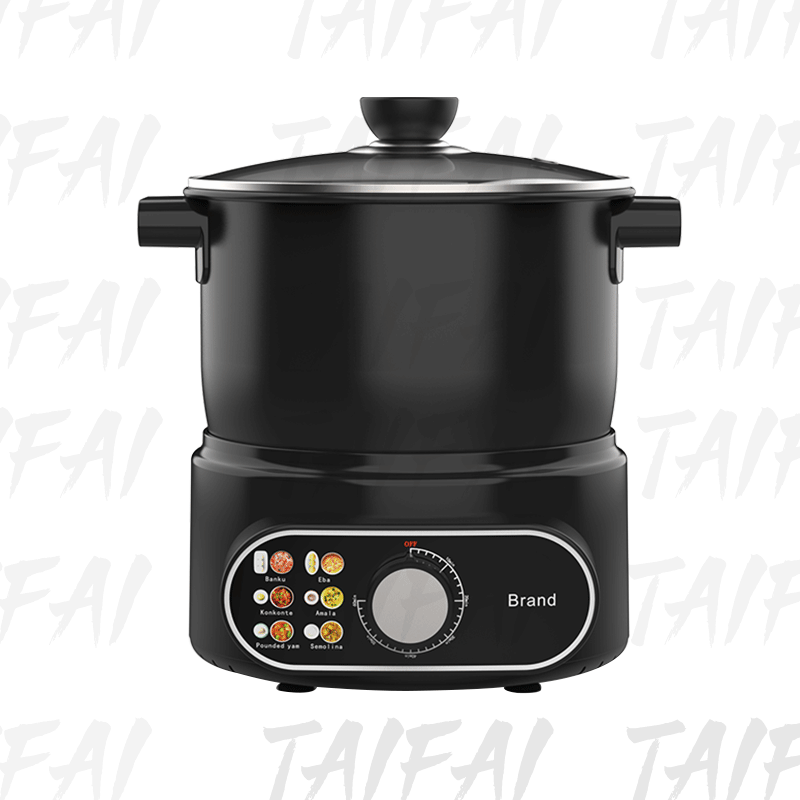
A sadza cooker is an electric kitchen appliance designed to automate the cooking of thick maize porridge. It usually combines a non-stick or stainless steel pot, a motorized stirrer, and a precise heating element. Some models include preset programs for sadza, pap, ugali, and porridge. Others offer manual speed and temperature controls for custom textures.
The appliance mimics the hand of an experienced cook. It stirs at the right speed, adds heat at the right time, and maintains a steady temperature. The result is consistent sadza with fewer lumps and less supervision. For many households, it turns a demanding chore into a simple, repeatable task.
The simplicity comes from removing the most demanding parts of the process. Instead of standing over a hot stove, the cook can measure ingredients, press a button, and walk away. The cooker handles the stirring, the heat, and the timing. This frees the cook to prepare relish, vegetables, or meat while the sadza cooks.
This method reduces the risk of burns from splashing porridge. It also lowers the chance of lumps because the mealie meal is incorporated slowly and evenly. For beginners, it provides a reliable path to a traditional dish. For experienced cooks, it offers consistency and convenience.
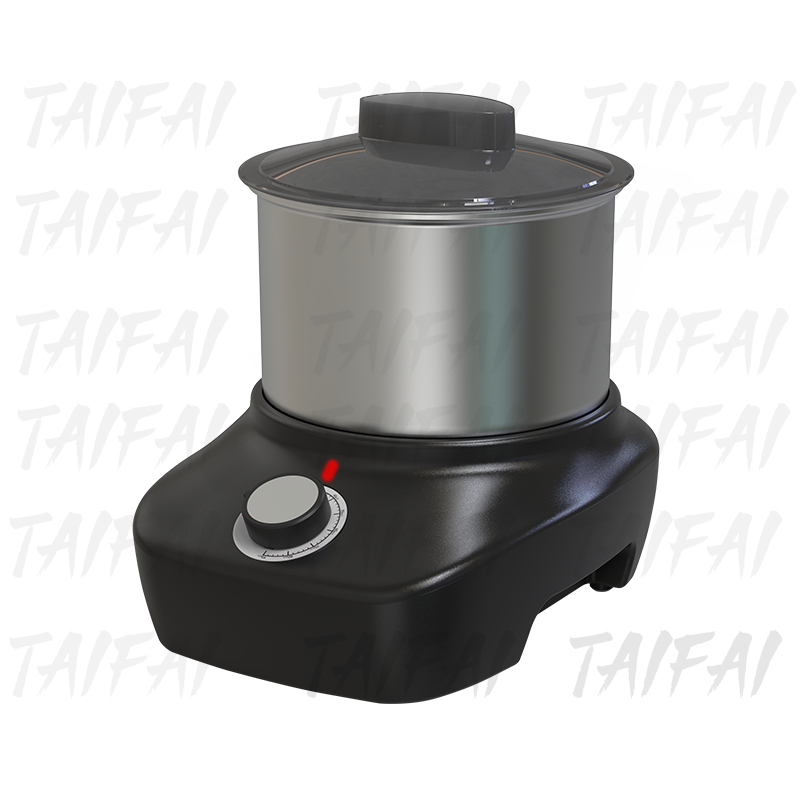
Traditional sadza cooking can consume thirty minutes or more of active attention. A sadza cooker can cut active time to five or ten minutes. The appliance also uses a controlled heating element, which can be more efficient than a large pot on a high flame. In homes where electricity is stable, this can reduce energy waste. In homes where cooking gas is expensive, it can offer predictable costs.
Modern sadza cookers are engineered for durability and safety. The motor must be strong enough to turn thick porridge without stalling. The pot must distribute heat evenly to avoid hot spots. The control system must respond to changes in viscosity. These requirements demand careful design, testing, and manufacturing.
This is where experienced kitchen appliance manufacturers play a role. For example, Jiangmen Taifai Technology Co.,Ltd, known as TAIFAI, is located in Jiangmen City, Guangdong Province, China, a flourishing home appliances manufacturing base. Founded in 2007, the company is a high-tech enterprise with capabilities and services of independent research and development, production and sales. Its main products include electric blender, juicer, citrus juicer, hand mixer, hand blender, stand mixer, coffee grinder, chopper and food processor. It supports OEM, ODM, and CKD services, holds 50 patents, and has 50 own moulds. Its production follows ISO9001:2015 standards, and many products carry CE, CB, GS, and RoHS certification. TAIFAI focuses on the manufacturing and service of kitchen electric appliances, integrating design, research, development, production, sales, and service. Such expertise supports the broader ecosystem that brings reliable appliances like sadza cookers to modern kitchens.
When a sadza cooker is built with quality components, it can last for years. Strong gears, heat-resistant plastics, and reliable thermostats are essential. Certifications and patents also signal a commitment to safety and innovation. Consumers should look for appliances that meet recognized standards and come from manufacturers with a proven track record.
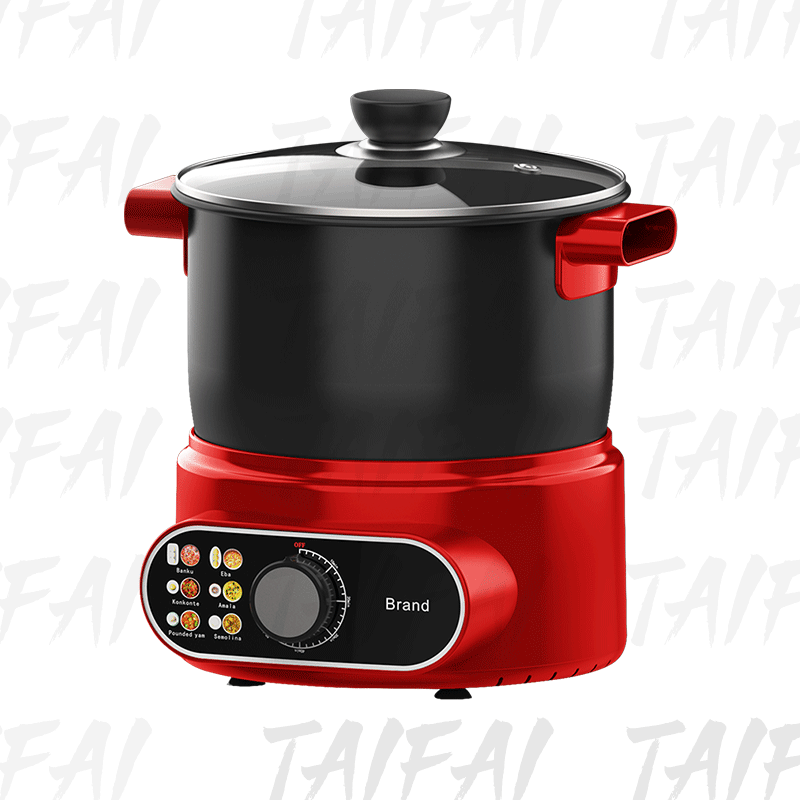
A sadza cooker can benefit many types of households. Working parents can prepare dinner faster. Students living away from home can cook familiar food without years of practice. Elders can make sadza without heavy stirring. Large families can cook bigger batches with less effort. Even restaurants and catering services can use commercial models to maintain consistency during busy hours.
Some people worry that automation might weaken tradition. In practice, a sadza cooker does not replace the recipe or the meaning of the meal. It replaces the hardest labor. The cook still chooses the maize meal, the salt, and the relish. The family still gathers around the same dish. The tradition continues, but with less stress and more time for conversation.
One common mistake is adding all the mealie meal at once. This can create dry pockets and lumps. Another is using too high a heat setting for the entire cycle. A third is ignoring the maximum fill line. Finally, some users try to clean the pot while it is still hot, which can damage the coating. With a little care, a sadza cooker can deliver excellent results for years.
Cleaning a sadza cooker is usually easier than cleaning a traditional pot. The non-stick surface releases food more readily. The stirrer and lid are often removable. Warm soapy water and a soft sponge are enough for daily cleaning. Avoid abrasive pads and harsh chemicals. Dry all parts thoroughly before reassembly. Check the power cord and plug for damage. Store the appliance in a dry place.
Kitchen appliances continue to evolve. Smart sadza cookers may soon include app connectivity, voice alerts, and automatic recipe adjustments. They may learn a family's preferred texture and remember it. They may also become more energy-efficient and easier to repair. As manufacturers like TAIFAI continue to innovate in kitchen electric appliances, consumers can expect more options that blend tradition with technology.
A sadza cooker makes traditional meals simple by automating the most demanding parts of preparation. It stirs, heats, and times the cooking process so that anyone can make consistent sadza with less effort. It saves time, reduces physical strain, and preserves the cultural importance of the dish. For families who love sadza, nshima, ugali, or pap, this appliance is not a replacement for tradition. It is a tool that protects tradition by making it easier to enjoy every day.
Final thought: Tradition survives when it fits into modern life. A sadza cooker helps it fit.


