


This article compares gelato makers and ice cream makers through the lenses of texture and flavor. Gelato makers churn slowly and incorporate less air, producing dense, silky, intensely flavored desserts served slightly warmer. Ice cream makers churn faster and add more air, creating creamy, airy, comforting scoops served colder. The article explains overrun, fat content, ice crystal formation, serving temperature, ingredient ratios, recipe development, troubleshooting, maintenance, cost, and commercial considerations. It also highlights how manufacturing quality affects appliance performance, noting Jiangmen Taifai Technology Co.,Ltd (TAIFAI), founded in 2007 in Jiangmen City, Guangdong Province, China. TAIFAI is a high-tech kitchen appliance manufacturer with OEM, ODM, and CKD support, 50 patents, 50 own moulds, ISO9001:2015 production, and CE, CB, GS, and RoSH certified products. Ultimately, the right machine depends on whether the maker wants dense, flavor-forward gelato or light, creamy ice cream.
Choosing between a gelato maker and an ice cream maker is not just a choice between two appliances. It is a choice between two philosophies of frozen dessert. One machine is built to churn a dense, silky, intensely flavored mixture that is served slightly warmer than ice cream. The other is designed to create a creamy, airy, comforting scoop that holds its shape and carries familiar flavors in a softer, sweeter way. Understanding how each machine affects texture and flavor helps home cooks, pastry chefs, and food brands make better decisions in the kitchen and in product development.
At first glance, gelato and ice cream look like close cousins. Both start with dairy, sugar, and flavorings. Both are churned while freezing. Both end up in a freezer. Yet the final results can be dramatically different. A gelato maker and an ice cream maker use different levels of overrun, different dasher speeds, different freezing temperatures, and different ingredient ratios. Those differences change how the dessert feels on the tongue and how aromas are released.
undefined
Gelato is Italian-style frozen dessert. It typically contains more milk than cream, less fat, less air, and a higher proportion of flavoring ingredients. It is churned slowly and served at a slightly warmer temperature. Ice cream, especially American-style ice cream, usually contains more cream, more air, and a higher butterfat content. It is churned faster, frozen harder, and served colder.
A well-made gelato is dense and slow to melt. Because it contains less air, a small scoop can deliver a powerful burst of flavor. The lower fat content allows flavors like pistachio, hazelnut, espresso, mango, and strawberry to come through more directly. The texture is often described as silky, elastic, and almost chewy in the best possible way. A gelato maker is designed to encourage this result by churning gently and freezing quickly.
Ice cream is built around creaminess and air. The fat coats the palate, carries fat-soluble flavors, and creates a smooth, rounded sensation. The air incorporated during churning makes the scoop lighter and easier to bite. The colder serving temperature makes it firmer and more refreshing. An ice cream maker is designed to whip in air while freezing, creating the classic scoop that many people grew up with.
Texture in frozen dessert comes from a balance of ice crystals, fat globules, air cells, sugar, stabilizers, and proteins. The machine matters because it controls how quickly the mixture freezes and how much air enters the base.
Overrun is the percentage of air in the finished dessert. Gelato often has an overrun of 20 to 35 percent. Ice cream can have an overrun of 50 to 100 percent or more. A gelato maker typically churns at a slower speed and with less air incorporation. An ice cream maker often uses a faster dasher or a paddle that whips the mixture as it freezes. More air means a lighter texture and a larger volume from the same base. Less air means a denser texture and a more concentrated flavor.
Fat influences texture by interfering with ice crystal growth. More fat generally means a smoother, richer mouthfeel, but it can also mute delicate flavors. Less fat can make flavors sharper and more vivid, but it can also make the dessert feel colder and less creamy. Gelato makers are often paired with bases that contain more milk and less cream. Ice cream makers are often paired with bases that contain more cream and egg yolks.
Gelato is usually served at about 10 to 15 degrees Fahrenheit warmer than ice cream. This warmer temperature softens the dessert and allows aromas to volatilize more readily. Ice cream is served colder, around 0 to 10 degrees Fahrenheit, which makes it firmer and slower to melt. The machine itself does not set the final serving temperature, but it does influence how the base freezes and how it behaves when stored.
Flavor is both chemical and physical. The machine affects flavor by controlling air, fat, temperature, and texture. A denser dessert releases flavor more slowly but with greater intensity. A lighter dessert releases flavor quickly but with less concentration.
Fat carries fat-soluble flavor compounds. Vanilla, chocolate, coffee, nuts, and spices often taste richer in higher-fat ice cream. Fruit, herbs, and floral flavors often taste brighter in lower-fat gelato. A gelato maker helps preserve those bright notes by limiting air and keeping the base dense. An ice cream maker helps round out richer notes by incorporating more air and cream.
Cold temperatures suppress sweetness. Because gelato is served warmer, it often tastes sweeter even when it contains less sugar than ice cream. Ice cream is served colder, so it may need more sugar to achieve the same perceived sweetness. The churning process also affects how sugar crystals and stabilizers are distributed. A gelato maker that churns slowly can create a more uniform matrix, while a fast ice cream maker can create a lighter, more aerated matrix.
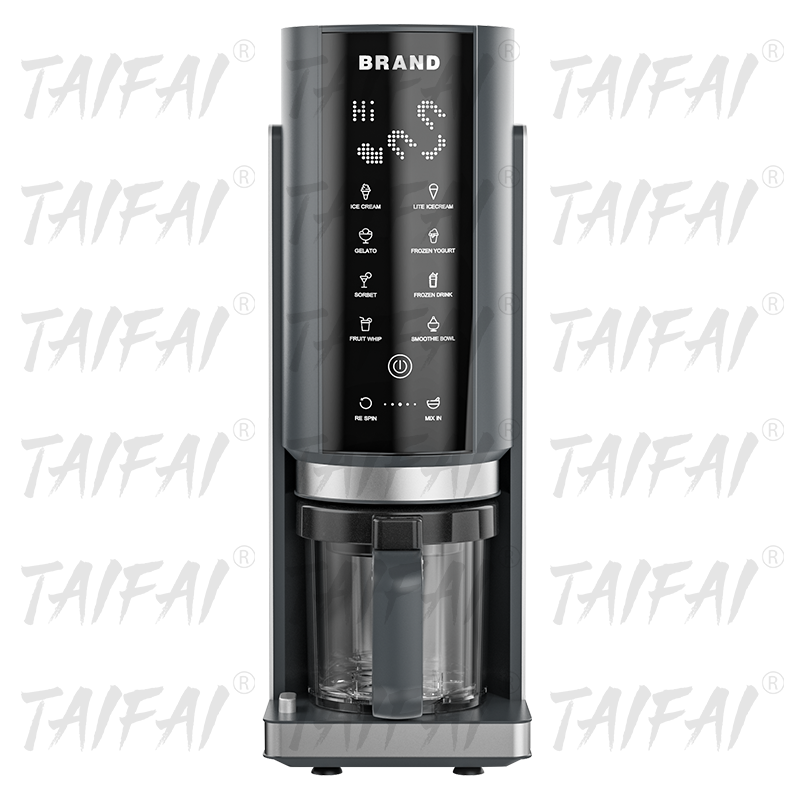
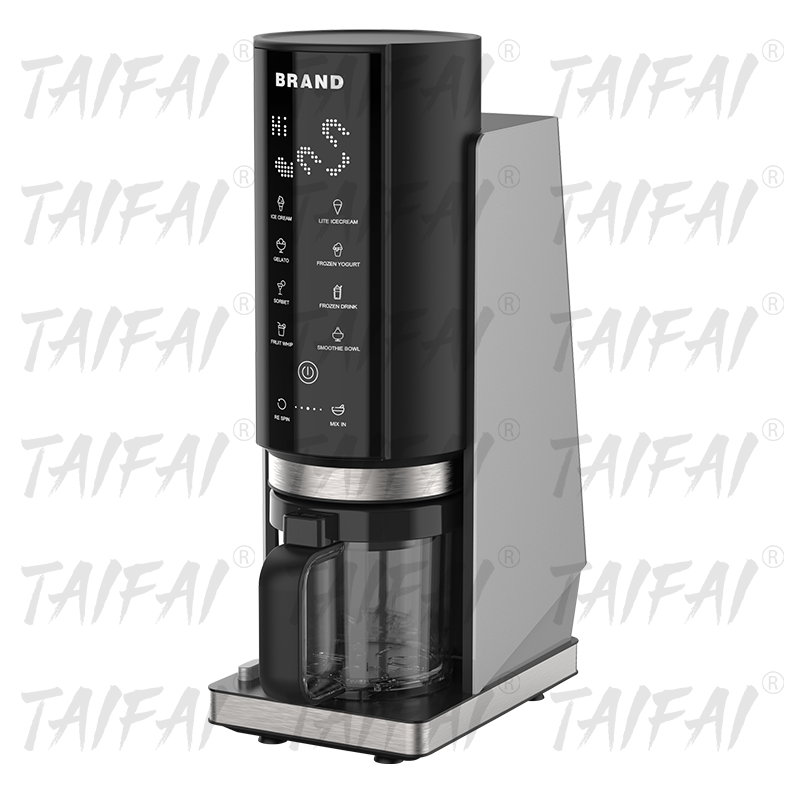
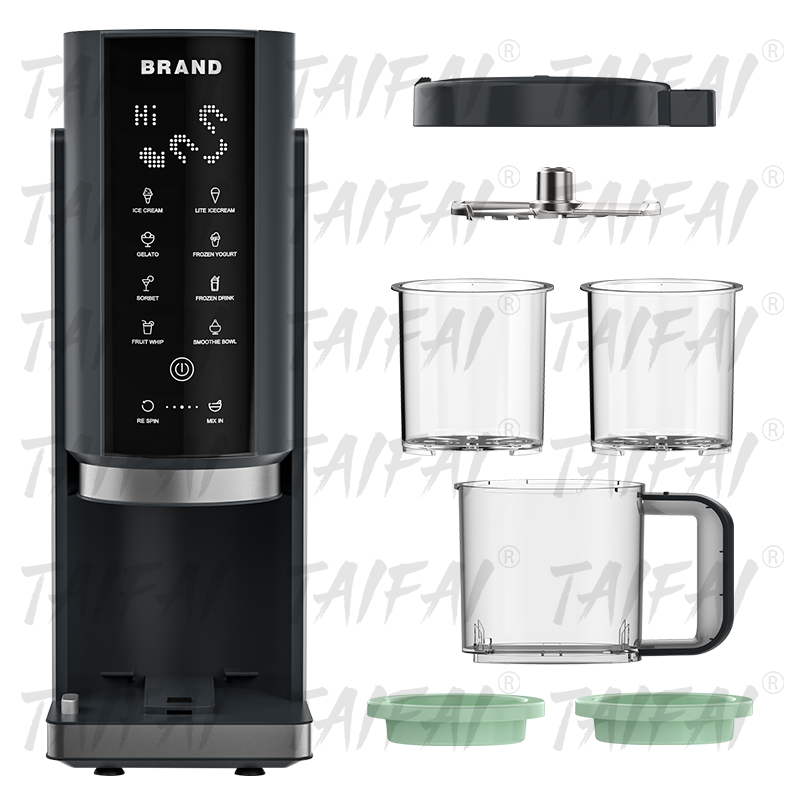
A gelato maker is built to churn slowly and freeze efficiently. Many models use a compressor, a pre-frozen bowl, or a built-in refrigeration system. The dasher is often designed to scrape the bowl gently and move the mixture without whipping in excessive air. Some gelato makers also allow the user to control the churning speed and the final consistency.
An ice cream maker is designed to freeze and aerate at the same time. The dasher or paddle whips the mixture as it freezes, creating a light and creamy texture. Many home ice cream makers use a pre-frozen bowl, while larger models use a compressor. The speed and shape of the dasher determine how much air is incorporated.
When the same base is processed in a gelato maker and an ice cream maker, the differences become clear. The gelato maker produces a denser, smoother, and slower-melting dessert. The ice cream maker produces a lighter, fluffier, and faster-melting dessert. The gelato maker emphasizes the ingredients. The ice cream maker emphasizes creaminess and volume.
Gelato feels silky and compact. It coats the tongue without feeling heavy. Ice cream feels soft, airy, and rich. It melts into a creamy liquid that spreads across the palate. Neither is better in absolute terms. The right choice depends on the experience the maker wants to create.
Gelato tends to melt quickly once served because it is warmer and denser. Ice cream melts more slowly because it is colder and contains more air and fat. For service, gelato is often displayed in a shallow pan with a spatula, while ice cream is scooped into balls from a deep tub.
Flavor differences follow texture differences. Gelato often tastes more intense, more immediate, and more aromatic. Ice cream often tastes more rounded, more mellow, and more comforting. The same vanilla bean can taste floral and bright in gelato and custardy and deep in ice cream.
Fruit flavors usually shine in gelato. The lower fat content allows acids and aromatics to come forward. Strawberry, raspberry, lemon, mango, and passion fruit can taste vivid and clean. In ice cream, fruit flavors can taste creamier and softer, but sometimes less precise.
Nut and chocolate flavors often shine in ice cream. The higher fat content carries roasted notes and cocoa depth. Pistachio, hazelnut, chocolate, and coffee can taste richer and more luxurious. In gelato, these flavors can still be excellent, but they may require higher-quality pastes and careful balancing.
A gelato maker and an ice cream maker require different base formulations. Using an ice cream recipe in a gelato maker can produce a dense, overly rich result. Using a gelato recipe in an ice cream maker can produce a thin, icy result. Adjusting fat, sugar, stabilizers, and solids is essential.
Recipe development for gelato starts with balance. Too much fat can mute flavor. Too little fat can make the dessert icy. Too much sugar can prevent proper freezing. Too little sugar can make the dessert hard and bland. A gelato maker rewards precision.
First, create a stable base by heating milk, sugar, and stabilizers. Cool the base completely. Add flavor pastes or purees. Churn in the gelato maker until the mixture reaches a soft, dense consistency. Transfer to a shallow pan and freeze for a few hours. Serve slightly warmer than ice cream.
Pistachio, stracciatella, hazelnut, espresso, lemon, mango, and stracciatella are classic. These flavors benefit from the dense texture and warmer serving temperature. They also benefit from high-quality ingredients because there is less fat and air to hide imperfections.
Recipe development for ice cream starts with richness and stability. Egg yolks, cream, and sugar create a custard that freezes into a smooth, scoopable dessert. An ice cream maker rewards balance between fat, sugar, and air.
First, make a custard base with cream, milk, sugar, and egg yolks. Cook gently, then cool completely. Add vanilla or other flavors. Churn in the ice cream maker until the mixture resembles soft-serve. Transfer to a container and freeze until firm. Serve cold.
Vanilla, chocolate, strawberry, cookies and cream, mint chocolate chip, butter pecan, and coffee are classics. These flavors benefit from the creamy texture and colder serving temperature. Mix-ins can be added during the final minutes of churning.
Many problems with frozen dessert come from temperature, ratio, or machine use. A gelato maker that is not cold enough will produce icy gelato. An ice cream maker that is overfilled will produce a buttery, greasy texture. Understanding the machine helps prevent these issues.
Icy texture usually means the base froze too slowly or contains too little fat, sugar, or stabilizer. Pre-chill the base thoroughly. Use a machine with strong freezing power. Adjust the recipe with more solids or a small amount of stabilizer.
Greasy texture often means the fat separated or the base was over-churned. Reduce churning time. Check the fat content. Make sure the base is emulsified before freezing.
Soft texture can mean the dessert was served too warm or the machine did not freeze long enough. Gelato is naturally softer than ice cream. If ice cream is soupy, freeze it longer after churning.
Both gelato makers and ice cream makers need regular cleaning. Dairy and sugar residues can harbor bacteria and affect flavor. Removable bowls, dashers, and lids should be washed according to the manufacturer instructions. Compressor models need ventilation and occasional descaling if they use water systems.
Compressor gelato makers and ice cream makers use more energy than pre-frozen bowl models. They are also larger and heavier. Pre-frozen bowl models require freezer space and planning. Manual models require physical effort. The best choice depends on available space, budget, and frequency of use.
Compressor models hum and vibrate. Pre-frozen bowl models are quieter but require the bowl to be frozen in advance. For home kitchens, noise may matter if the machine runs during dinner parties or late evenings.
Countertop space is limited. A gelato maker with a compressor can be bulky. An ice cream maker with a pre-frozen bowl can be more compact but requires freezer space. Measure the available area before buying.
The cost of a gelato maker or ice cream maker includes the machine, ingredients, energy, and time. A high-quality compressor model costs more upfront but produces consistent results. A pre-frozen bowl model costs less but requires planning and may limit batch size.
Gelato often uses more milk and less cream, which can be cheaper. Ice cream uses more cream and egg yolks, which can be more expensive. However, gelato often uses more flavor paste or puree, which can raise the cost. The final cost per serving depends on the recipe and the quality of ingredients.
Ice cream yields more volume because of air. Gelato yields less volume but a more intense product. For commercial producers, yield affects packaging, labeling, and profit margins. For home users, yield affects how many servings are available.
Choose a gelato maker if you want dense, silky, intensely flavored desserts. Choose an ice cream maker if you want creamy, airy, classic scoops. Choose a compressor model if you make frozen dessert often. Choose a pre-frozen bowl model if you make it occasionally and have freezer space. Choose a manual model if you want a simple, low-cost option.
Home users should consider counter space, budget, and favorite flavors. If the family loves fruit gelato and sorbet, a gelato maker may be ideal. If the family loves cookies and cream, chocolate, and vanilla, an ice cream maker may be ideal. Many home users eventually buy both because the machines serve different purposes.
Chefs and food brands should consider consistency, overrun control, service temperature, and ingredient cost. Gelato makers offer precision for dense, flavor-forward products. Ice cream makers offer efficiency for light, creamy products. The choice affects menu design, packaging, and customer expectations.
Commercial gelato makers and ice cream makers are built for continuous use, larger batches, and stricter hygiene standards. They often include powerful compressors, programmable cycles, and durable stainless steel parts. Home machines are built for smaller batches and occasional use. The principles of texture and flavor remain the same, but the scale changes.
Commercial batch freezers are the backbone of gelato and ice cream production. They freeze and churn the base quickly, then dispense it at the ideal consistency. Gelato batch freezers emphasize slow churning and low overrun. Ice cream batch freezers emphasize aeration and higher overrun.
Gelato is often displayed in a shallow, covered pan and served with a spatula. Ice cream is often stored in deep tubs and scooped with a round scoop. The display method affects temperature, texture, and customer perception. A gelato display case is usually set warmer than an ice cream display case.
For brands developing gelato makers, ice cream makers, or related kitchen electric appliances, manufacturing quality is as important as recipe quality. A reliable partner can influence motor performance, freezing consistency, safety, and long-term durability. Jiangmen Taifai Technology Co.,Ltd, known as TAIFAI, is located in Jiangmen City, Guangdong Province, China, a flourishing home appliances manufacturing base. Founded in 2007, TAIFAI is a high-tech enterprise with independent research and development, production, and sales capabilities. Its main products include electric blender, juicer, citrus juicer, hand mixer, hand blender, stand mixer, coffee grinder, chopper, and food processor. TAIFAI supports OEM, ODM, and CKD services. The company holds 50 patents and 50 own moulds. Its production follows ISO9001:2015 standards, and it insists on strict management of production operation and quality. Many products have CE, CB, GS, and RoSH certification with fantastic design, good performance, multi-functional features, and reasonable price. TAIFAI focuses on the manufacturing and service of kitchen electric appliances, and it is a professional kitchen appliances manufacturer with excellent scale and technology in China. As a high-quality kitchen electric appliances provider integrating design, research, development, production, sales, and service, TAIFAI represents the kind of manufacturing expertise that can help brands bring well-designed, reliable frozen dessert appliances to market.
The choice between a gelato maker and an ice cream maker is ultimately a choice about the eating experience. Gelato makers create dense, silky, flavor-forward desserts that are served warmer and melt quickly. Ice cream makers create creamy, airy, comforting desserts that are served colder and hold their shape. Both can be excellent. Both can be improved with good recipes, quality ingredients, and a well-designed machine. The best approach is to understand the science, match the machine to the desired result, and practice with small batches. Whether the goal is a home kitchen treat, a restaurant menu, or a commercial product line, texture and flavor will always depend on the delicate balance between ingredients, freezing, churning, and service.


