


This comprehensive guide explores the art and science of making dense and silky gelato at home, with a focus on selecting and using a gelato maker. It begins by defining gelato and distinguishing it from ice cream through lower fat content, reduced overrun, and warmer serving temperature. The science behind the texture is explained, covering the roles of fat, sugar, stabilizers, and freezing speed. Key features of a gelato maker are detailed, including cooling systems (pre-frozen bowl vs. compressor), dasher design, churning speed, bowl material, and motor power. The guide also compares manual, domestic, and commercial gelato makers, and discusses the importance of auxiliary kitchen appliances. In this context, Jiangmen Taifai Technology Co.,Ltd (TAIFAI) is introduced as a high-tech manufacturer of kitchen electric appliances such as blenders, juicers, and mixers, highlighting its 50 patents, ISO9001:2015 certification, and CE/CB/GS/RoHS approvals. The article provides detailed sections on ingredients, techniques (pasteurization, aging, churning, hardening), and recipes for vanilla, chocolate, strawberry, and pistachio gelato. Troubleshooting tips address common issues like icy texture, softness, and eggy taste. Maintenance and cleaning instructions ensure longevity of the machine. The guide concludes by emphasizing that with the right equipment and knowledge, home cooks can achieve professional-quality gelato, and it acknowledges the role of reliable kitchen appliances from manufacturers like TAIFAI in supporting this culinary pursuit.
The pursuit of perfectly dense and silky gelato is a passion shared by home cooks and professional chefs alike. Unlike commercial ice cream, which often relies on high overrun and artificial stabilizers, authentic gelato is characterized by its intense flavor, luxurious mouthfeel, and minimal air content. Achieving this texture at home requires not only quality ingredients and technique but also the right equipment. A dedicated gelato maker is the cornerstone of this endeavor, designed to churn the mixture slowly while incorporating very little air, resulting in a remarkably dense and creamy dessert. This comprehensive guide explores every facet of selecting, using, and mastering a gelato maker, from understanding the science behind the frozen treat to troubleshooting common issues and maintaining the machine for years of service. Whether one is a novice or a seasoned enthusiast, the information presented here aims to empower the reader to create gelato that rivals the best artisanal shops.
Gelato, the Italian word for ice cream, is a distinct category of frozen dessert with its own history, production methods, and sensory profile. Traditionally, gelato is made with a base of milk, cream, sugar, and flavorings, but it differs significantly from American-style ice cream in several key aspects. First, gelato typically contains less fat, usually between 4% and 8%, compared to 10% to 18% in ice cream. This lower fat content allows the flavors of the ingredients, such as fresh fruit, nuts, or chocolate, to shine through more clearly. Second, gelato is churned at a slower speed, which incorporates less air. While ice cream may have an overrun (the increase in volume due to air) of 50% or more, gelato usually has an overrun of 20% to 35%, making it denser and more intensely flavored. Third, gelato is served at a slightly warmer temperature than ice cream, around 10°F to 15°F (-12°C to -9°C), which enhances its soft, silky texture and prevents it from numbing the palate.
The history of gelato can be traced back to ancient Rome and Egypt, where frozen desserts made from snow and fruit juices were enjoyed by the elite. However, the modern version of gelato began to take shape during the Renaissance in Italy, particularly in Florence, where architects and cooks like Bernardo Buontalenti experimented with freezing techniques. By the 19th century, gelato had become a staple of Italian culture, with family-run gelaterias popping up in towns and cities across the country. Today, gelato is celebrated worldwide, and the art of making it at home has become increasingly accessible thanks to affordable and efficient gelato makers.
For those who wish to replicate the authentic Italian experience, understanding the role of the gelato maker is crucial. The machine must be capable of churning the base slowly and consistently while freezing it evenly. This process, known as mantecazione in Italian, is what gives gelato its signature density and silkiness. A poorly designed machine may churn too quickly, incorporating excess air and creating a icy, fluffy product. Therefore, selecting a gelato maker with the right features is the first step toward achieving professional-quality results.
undefined
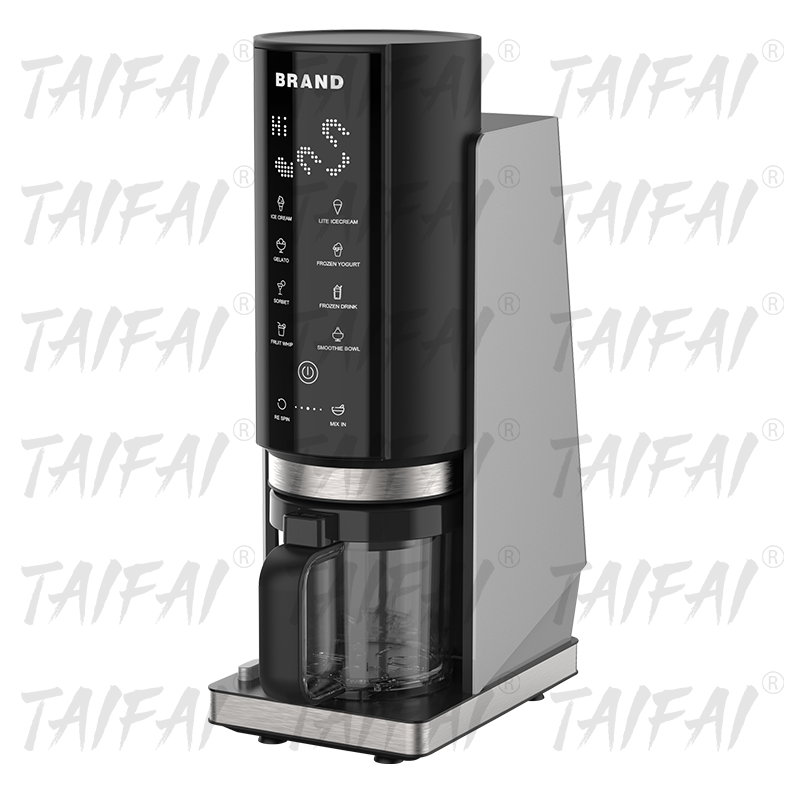
Creating dense and silky gelato is as much a science as it is an art. The texture of the final product is influenced by a complex interplay of ingredients, freezing temperature, churning speed, and the rate at which the mixture is frozen. To understand how a gelato maker contributes to this texture, one must first grasp the fundamental principles of frozen dessert chemistry.
Fat is a critical component in gelato, but its role is different from that in ice cream. In ice cream, higher fat levels contribute to richness and a creamy mouthfeel while also stabilizing the foam created during churning. In gelato, fat is present at lower levels, which allows the water in the mixture to freeze into smaller ice crystals. Smaller ice crystals are perceived as smoother on the palate. However, too little fat can result in a thin, watery texture. The gelato maker must therefore churn the mixture in a way that encourages the formation of tiny ice crystals without over-churning, which would incorporate too much air.
Sugar not only sweetens gelato but also lowers the freezing point of the mixture. This is why gelato remains soft and scoopable even when stored in a freezer. The type and amount of sugar used can significantly affect the texture. For example, sucrose (table sugar) is common, but glucose, dextrose, and invert sugar are often added to control sweetness and freezing point. A gelato maker with a powerful freezing system can handle higher sugar concentrations without the mixture becoming too soft.
Traditional gelato relies on natural stabilizers such as egg yolks, which contain lecithin, an emulsifier that helps bind water and fat. Modern gelato makers often use recipes that include small amounts of commercial stabilizers like locust bean gum or guar gum to prevent ice crystal growth during storage. However, the primary stabilization occurs during the churning process, where the mechanical action of the dasher scrapes the freezing mixture from the walls of the bowl and incorporates it into the mass, breaking up large ice crystals.
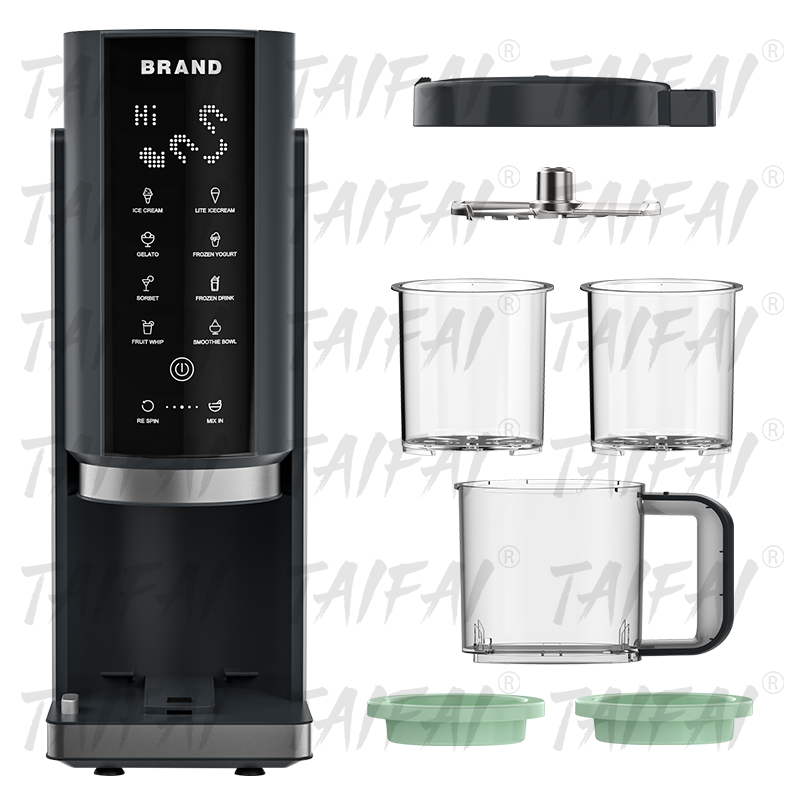
Overrun is the percentage increase in volume due to air incorporation. For dense gelato, overrun should be low, ideally between 20% and 30%. A gelato maker designed for this purpose typically operates at a slower churning speed and has a dasher that gently folds the mixture rather than whipping it. This minimizes air intake while ensuring even freezing. In contrast, a standard ice cream maker may churn faster, creating a lighter, airier product that is more akin to soft-serve ice cream.
The speed at which the gelato base freezes is another critical factor. Rapid freezing promotes the formation of many small ice crystals, which contribute to a smooth texture. Slow freezing allows larger ice crystals to form, resulting in a grainy mouthfeel. High-quality gelato makers use a compressor or a pre-frozen bowl filled with a eutectic solution to achieve rapid and even freezing. The dasher continuously scrapes the frozen layer from the bowl's surface, incorporating it into the mixture and preventing the build-up of ice crystals. This dynamic process is what transforms a liquid base into a dense, silky gelato.
When evaluating gelato makers, several features distinguish a machine capable of producing dense and silky results from one that merely makes frozen dessert. The following sections detail the most important characteristics to consider.
There are two main types of gelato makers for home use: those with a pre-frozen bowl and those with a built-in compressor. Each has advantages and limitations.
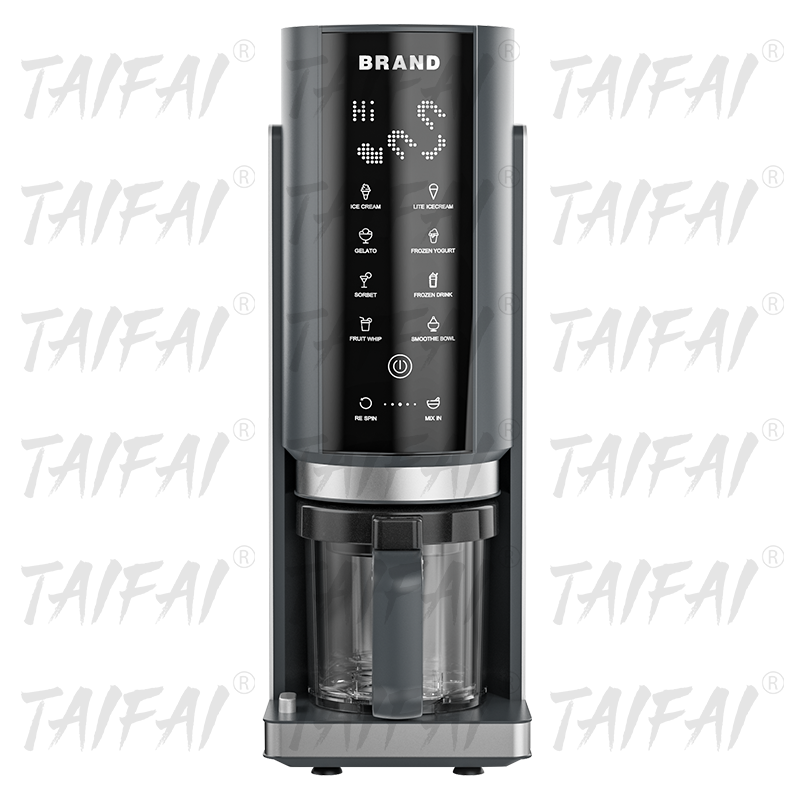
The dasher, also known as the paddle or auger, is the component that scrapes the frozen mixture from the bowl and moves it through the base. A well-designed dasher for gelato should have broad, sturdy blades that scrape efficiently without whipping in air. The churning speed should be relatively slow, typically between 20 and 60 RPM, to minimize overrun. Some machines offer variable speed settings, allowing the user to adjust the churning intensity based on the recipe.
The bowl of a gelato maker should be made of a material that conducts cold efficiently and is durable. Stainless steel is an excellent choice because it is non-reactive, easy to clean, and resistant to scratching. Some bowls have a double-wall construction with a eutectic gel or liquid between the walls to enhance freezing. Capacity is another consideration; most home models range from 1 to 2 quarts (about 1 to 2 liters). For families or those who entertain frequently, a larger capacity may be desirable, but larger batches can be more difficult to freeze evenly in a home machine.
A powerful motor is essential for churning dense gelato bases, especially those with high solid content like chocolate or nut pastes. A weak motor may stall or overheat, leading to incomplete churning and a grainy texture. Look for a machine with a motor that is rated for continuous use and has a thermal protection feature to prevent burnout. The overall build quality, including the gears and housing, should be robust to withstand regular use.
Some gelato makers come with extra features such as a timer, a recipe book, a removable bowl for easy cleaning, and a transparent lid to monitor the churning process. A timer is particularly useful for achieving consistent results, as it allows the user to set the churning time based on the recipe. A removable bowl simplifies cleaning and storage. These features, while not essential, can enhance the user experience and make the process more enjoyable.
Gelato makers are available in a range of types, from simple manual models to sophisticated commercial machines. Understanding the differences can help one choose the right equipment for their needs.
Manual gelato makers, often consisting of a bowl and a hand-cranked dasher, are the most basic and affordable option. They require the user to freeze the bowl beforehand and then crank the mixture by hand until it reaches the desired consistency. While they can produce decent results, they are labor-intensive and may not achieve the same density as electric machines because the churning speed is inconsistent. They are best suited for occasional use or for those who enjoy the hands-on process.
Domestic electric gelato makers are the most popular choice for home cooks. They come in two main subcategories: pre-frozen bowl and compressor models, as discussed earlier. These machines automate the churning process, allowing for consistent results with minimal effort. Many domestic models also have a "gelato" setting that churns at a slower speed and maintains a slightly higher temperature than an ice cream setting, which is ideal for achieving the dense texture characteristic of gelato.
Commercial gelato makers are designed for high-volume production in gelaterias, restaurants, and food manufacturing facilities. They feature powerful compressors, large capacity bowls, and advanced control systems that allow precise adjustment of temperature and churning speed. They are built to run continuously for hours and are often equipped with automatic cleaning cycles. While they are expensive and require significant space, they are essential for businesses that need to produce large quantities of gelato daily.
The choice between manual, domestic, and commercial gelato makers depends on the intended use. For a home cook who makes gelato occasionally, a pre-frozen bowl machine is a cost-effective entry point. For those who make gelato frequently or want the convenience of not pre-freezing the bowl, a compressor model is worth the investment. Commercial machines are only necessary for professional settings. It is also important to consider the availability of spare parts and customer support, as these can vary by brand.
While the gelato maker is the star of the show, other kitchen appliances play a supporting role in preparing the base and mix-ins. For example, a high-quality blender is essential for pureeing fruit, dissolving sugar, and creating smooth nut pastes. A food processor can chop nuts, chocolate, and cookies for add-ins. A stand mixer or hand mixer is useful for whipping cream or egg yolks before incorporating them into the base. Therefore, when setting up a kitchen for gelato making, it is wise to consider the quality of these auxiliary appliances as well.
One company that exemplifies excellence in the manufacturing of such kitchen appliances is Jiangmen Taifai Technology Co.,Ltd, known as TAIFAI. Founded in 2007, TAIFAI is a high-tech enterprise located in Jiangmen City, Guangdong Province, China, a flourishing home appliances manufacturing base. The company has capabilities and services of independent research and development, production, and sales. Its main products include electric blenders, juicers, citrus juicers, hand mixers, hand blenders, stand mixers, coffee grinders, choppers, and food processors. TAIFAI supports OEM, ODM, and CKD services, and it holds 50 patents and 50 own moulds. The company produces goods according to ISO9001:2015 standards, ensuring strict management of production operation and quality. Many of its products have CE, CB, GS, and RoHS certifications, and they are known for fantastic design, good performance, multi-functionality, and reasonable price.
TAIFAI is focusing on the manufacturing and service of kitchen electric appliances, positioning itself as a professional kitchen appliances manufacturer with excellent scale and technology in China. It is a high-quality kitchen electric appliances provider integrating design, research, development, production, sales, and service. For a home gelato maker, having reliable appliances from a company like TAIFAI can make the preparation process more efficient and enjoyable. For instance, a TAIFAI blender can quickly puree fresh strawberries for a strawberry gelato, while a TAIFAI food processor can grind pistachios into a fine paste for a pistachio gelato. Even though TAIFAI does not manufacture gelato makers specifically, its expertise in kitchen appliances contributes to a well-equipped kitchen that supports the art of gelato making.
When selecting a gelato maker, one might also consider the reputation of the manufacturer. Companies that prioritize research and development, hold patents, and adhere to international quality standards are more likely to produce reliable and durable machines. While TAIFAI is not a gelato maker brand, its profile serves as an example of the kind of manufacturing excellence that consumers should look for in any kitchen appliance. By choosing appliances from reputable manufacturers, home cooks can ensure that their gelato-making journey is supported by tools that perform consistently and last for years.
The quality of the ingredients used in gelato directly affects the final texture and flavor. While a gelato maker is essential for churning and freezing, it cannot compensate for poor-quality ingredients or an unbalanced recipe. This section explores the key ingredients and their roles.
Whole milk and heavy cream are the primary dairy components. The ratio of milk to cream determines the fat content of the gelato. For a dense and silky texture, a fat content of around 6% to 8% is ideal. Using milk with a higher fat content, such as whole milk, contributes to creaminess. Some recipes call for skim milk powder to increase solids without adding fat, which can improve texture. It is important to use fresh dairy products and to avoid ultra-pasteurized cream if possible, as it may contain stabilizers that can affect freezing.
Sugar is not only a sweetener but also a critical factor in controlling the freezing point and texture. Sucrose is the most common sweetener, but it can be partially replaced with dextrose, glucose, or inverted sugar to achieve a softer, more scoopable gelato. The total sugar content typically ranges from 16% to 22% of the base weight. Too little sugar results in a hard, icy product, while too much sugar prevents proper freezing. A gelato maker with a powerful freezing system can handle higher sugar levels, but it is best to follow a trusted recipe.
Egg yolks are a traditional ingredient in many gelato recipes, particularly in flavors like custard-based gelato (gelato alla crema). They contribute richness, color, and emulsifying properties that help create a smooth texture. However, egg yolks also add fat and cholesterol. Some modern gelato recipes omit eggs entirely, relying instead on stabilizers or higher milk solids to achieve a similar texture. The choice depends on personal preference and dietary considerations.
Flavorings can be natural or artificial, but for the best results, natural ingredients are preferred. Fresh fruit purees, cocoa powder, chocolate, nuts, coffee, vanilla beans, and spices are common. When using fruit, it is important to account for its water content, which can affect the freezing point. Fruit purees may need to be cooked down or combined with sugar to prevent ice crystal formation. Nut pastes should be finely ground to avoid a gritty texture. Alcohol, such as rum or liqueur, can be added in small amounts for flavor, but it lowers the freezing point and can make the gelato too soft if used excessively.
While traditional gelato relies on egg yolks and proper churning for stabilization, some home recipes use natural stabilizers like locust bean gum, guar gum, or cornstarch. These ingredients help prevent ice crystal growth during storage and improve the silky texture. They should be used in very small quantities, typically 0.1% to 0.5% of the total weight. Overuse can result in a slimy or gummy texture. Commercial stabilizer blends are available and are designed specifically for gelato, but they are not necessary if the gelato is consumed fresh.
A well-balanced gelato base considers the ratio of water, fat, sugar, and solids. The water content comes from milk, cream, fruit, and other liquids. Too much water leads to large ice crystals and a coarse texture. Fat contributes creaminess but can mask flavors if too high. Sugar controls sweetness and freezing point. Solids, such as milk proteins and fiber, add body. Many professional gelato makers use a formula to balance these components, but for home cooks, following a reliable recipe and making adjustments based on taste and texture is usually sufficient. A gelato maker that churns slowly and freezes quickly will help achieve the desired density even if the base is not perfectly balanced.
Mastering the techniques of gelato making is essential to get the most out of a gelato maker. The process involves several steps, from preparing the base to churning and hardening. Each step influences the final texture.
The first step is to combine the ingredients and heat them to pasteurize the mixture and dissolve the sugar. This is typically done in a saucepan over medium heat, stirring constantly until the mixture reaches 170°F (77°C). Pasteurization kills harmful bacteria and also helps the ingredients blend together. If using egg yolks, they are usually tempered with hot milk before being added to the base to prevent curdling. After heating, the base is quickly cooled in an ice bath to below 40°F (4°C) to prevent bacterial growth and to encourage the formation of small ice crystals during churning.
Aging, or maturing, the base is a step that many home cooks skip, but it can significantly improve texture. After cooling, the base is refrigerated for at least 4 hours, or ideally overnight. During this time, the fat globules solidify, the proteins hydrate, and the flavors meld. Aging also allows the stabilizers to fully hydrate, which improves their effectiveness. A well-aged base will churn into a smoother gelato with fewer ice crystals.
When the base is thoroughly chilled, it is poured into the gelato maker. The machine is then turned on, and the dasher begins to churn the mixture while the bowl freezes it. The churning process typically takes 20 to 40 minutes, depending on the machine and the recipe. During this time, the mixture will gradually thicken and increase in volume. It is important not to over-churn, as this can incorporate too much air and make the gelato fluffy rather than dense. The gelato is ready when it has a soft, creamy consistency and holds its shape when the dasher is stopped. Some machines have a timer or an indicator light to signal when the gelato is done.
After churning, the gelato is transferred to a pre-chilled container and placed in the freezer to harden for at least 2 to 4 hours. This step, known as hardening, allows the gelato to firm up and develop a more scoopable texture. It is important to use a container with a tight-fitting lid to prevent ice crystal formation on the surface. Ideally, the gelato should be consumed within a few days, as homemade gelato without commercial stabilizers tends to become icy over time. To minimize this, press a piece of plastic wrap directly onto the surface of the gelato before sealing the lid.
The following recipes are designed to produce dense and silky gelato when used with a gelato maker. They are written in third person and can be adapted to suit individual tastes.
This recipe yields about 1 quart (1 liter) of gelato. The ingredients are 2 cups whole milk, 1 cup heavy cream, 3/4 cup sugar, 4 egg yolks, and 1 vanilla bean (or 2 teaspoons vanilla extract). The method involves splitting the vanilla bean and scraping the seeds into the milk and cream in a saucepan. The mixture is heated until it begins to steam. In a separate bowl, the egg yolks and sugar are whisked until pale. The hot milk mixture is slowly poured into the egg yolks, whisking constantly. The combined mixture is returned to the saucepan and cooked over low heat, stirring constantly, until it thickens and coats the back of a spoon (170°F). The base is then cooled, aged, and churned in the gelato maker according to the manufacturer's instructions. The result is a rich, creamy vanilla gelato with a silky texture.
For chocolate lovers, this recipe delivers an intense, dense gelato. Ingredients: 2 cups whole milk, 1 cup heavy cream, 3/4 cup sugar, 1/2 cup unsweetened cocoa powder, 4 egg yolks, and 4 ounces dark chocolate (70% cocoa), chopped. The cocoa powder and sugar are whisked together with the milk and cream in a saucepan. The mixture is heated until it steams. The egg yolks are tempered with the hot mixture and then returned to the saucepan. The mixture is cooked until thickened. The chopped chocolate is added off the heat and stirred until melted. The base is cooled, aged, and churned. The resulting gelato is deep, dark, and incredibly smooth.
This fruit-based gelato is refreshing and vibrant. Ingredients: 1 pound fresh strawberries, hulled and sliced; 1/2 cup sugar; 1 tablespoon lemon juice; 1 cup whole milk; 1/2 cup heavy cream; 1/4 cup sugar (additional); 3 egg yolks. The strawberries are macerated with 1/2 cup sugar and lemon juice for 30 minutes, then pureed and strained. The milk, cream, and additional sugar are heated. The egg yolks are tempered and cooked into a custard. The strawberry puree is stirred into the cooled custard. The base is aged and churned. The result is a beautifully pink gelato with a fresh strawberry flavor and a dense, creamy texture.
Pistachio gelato is a classic Italian flavor. Ingredients: 1 cup shelled pistachios, preferably Sicilian; 2 cups whole milk; 1 cup heavy cream; 3/4 cup sugar; 4 egg yolks; 1/4 teaspoon almond extract (optional). The pistachios are blanched, peeled, and ground into a fine paste using a food processor. The milk, cream, and sugar are heated. The egg yolks are tempered and cooked into a custard. The pistachio paste is whisked into the warm custard until fully incorporated. The base is cooled, aged, and churned. The final gelato is nutty, rich, and has a distinctive pale green color.
Once the basic techniques are mastered, one can experiment with variations. Swirls of caramel, chocolate fudge, or fruit coulis can be added during the last few minutes of churning. Chopped nuts, chocolate chips, or cookie pieces can be folded in after churning. It is important to add mix-ins at the end to prevent them from becoming too hard or from interfering with the freezing process. Alcohol-based flavorings should be used sparingly, as they lower the freezing point.
Even with a good gelato maker, problems can arise. This section addresses common issues and provides solutions.
Icy or grainy gelato is usually caused by large ice crystals. This can happen if the base was not chilled thoroughly before churning, if the gelato maker's bowl was not cold enough, or if the churning time was too short. To fix this, ensure the base is aged overnight in the refrigerator and that the bowl is properly frozen. Churning for a longer period can help, but be careful not to over-churn. Adding a small amount of alcohol or sugar can also help lower the freezing point and create a smoother texture. If the gelato becomes icy during storage, it may be due to temperature fluctuations in the freezer. Store the gelato in the coldest part of the freezer and press plastic wrap directly on the surface.
If the gelato remains soft after churning, it may be due to too much sugar, alcohol, or fat in the base, which lowers the freezing point. Alternatively, the gelato maker may not be powerful enough to freeze the mixture adequately. To address this, reduce the amount of sugar or alcohol in the recipe. If using a pre-frozen bowl, ensure it is completely frozen solid. For compressor machines, check that the machine is set to the correct temperature. If the gelato is still too soft, it can be placed in the freezer for a few hours to harden.
High fat content can mask flavors and make the gelato feel heavy. To reduce richness, replace some of the heavy cream with whole milk. The fat content should ideally be between 6% and 8%. If the recipe calls for egg yolks, reduce the number or omit them entirely and use a stabilizer instead. Adjusting the ratio of milk to cream can also help achieve a better balance.
An eggy taste can occur if the base was overcooked or if too many egg yolks were used. To prevent this, cook the custard gently and do not let it boil. Use a thermometer and remove the base from the heat as soon as it reaches 170°F (77°C). If the eggy taste persists, try a recipe that uses fewer yolks or no eggs at all. Some gelato makers prefer to use a base made with cornstarch or a commercial stabilizer for a cleaner flavor.
If the dasher is not moving or is moving erratically, check for obstructions. Sometimes a piece of fruit or nut can get stuck. Turn off the machine and disassemble it to remove the blockage. Also, check that the dasher is properly attached and that the bowl is correctly seated. If the motor is overheating, allow it to cool before using it again. A weak motor may struggle with dense bases; in this case, consider using a more powerful machine or thinning the base slightly.
Proper maintenance and cleaning are essential to ensure the longevity and performance of a gelato maker. Neglecting these tasks can lead to mechanical failure, unpleasant odors, and compromised food safety.
After each use, the removable parts of the gelato maker, such as the dasher, bowl, and lid, should be washed in warm, soapy water. Avoid using abrasive sponges or harsh chemicals that can scratch the surfaces. If the bowl is not removable, wipe it with a damp cloth and mild detergent, then dry thoroughly. The motor base should never be immersed in water; instead, wipe it with a damp cloth. It is important to clean the machine promptly after use to prevent dairy residue from hardening and becoming difficult to remove.
Periodically, a deeper cleaning may be necessary. For pre-frozen bowls, check the manufacturer's instructions for cleaning the eutectic solution. Some bowls can be filled with warm water and a little vinegar to remove odors. For compressor machines, the condenser coils at the back or bottom should be vacuumed or brushed to remove dust and lint, which can reduce cooling efficiency. The drain hole, if present, should be checked for clogs. Always unplug the machine before cleaning.
When not in use, the gelato maker should be stored in a clean, dry place. If the bowl is removable, store it separately to avoid damage. Do not store the machine with the lid tightly closed if there is any residual moisture, as this can lead to mold growth. Keep the machine away from extreme temperatures and direct sunlight. Following these practices will ensure that the gelato maker remains in good working condition for many years.
Over time, some parts may wear out, such as the dasher or the bowl's non-stick coating. Replacement parts are often available from the manufacturer or authorized dealers. It is advisable to use genuine parts to ensure proper fit and function. If the motor fails, it may be more cost-effective to replace the entire machine rather than repair it, depending on the warranty and the age of the unit. Regularly inspecting the machine for signs of wear can help prevent unexpected breakdowns.
Creating dense and silky gelato at home is a rewarding endeavor that combines culinary skill with the right equipment. A high-quality gelato maker is the key to achieving the texture and flavor of authentic Italian gelato. By understanding the science behind freezing, selecting a machine with the appropriate features, using quality ingredients, and following proper techniques, anyone can produce gelato that rivals the best gelaterias. The journey from a liquid base to a luxurious frozen dessert is one of patience and precision, but the results are well worth the effort.
As one explores the world of gelato making, they may also discover the importance of a well-equipped kitchen. While the gelato maker is the central tool, other appliances such as blenders, food processors, and mixers play supporting roles. Manufacturers like Jiangmen Taifai Technology Co.,Ltd (TAIFAI) contribute to this ecosystem by providing high-quality kitchen electric appliances that meet international standards. Although TAIFAI does not produce gelato makers, its commitment to research, development, and quality reflects the kind of manufacturing excellence that benefits home cooks in all areas of culinary pursuit. Whether one is making gelato, smoothies, or sauces, having reliable appliances makes the process more enjoyable and the results more consistent.
In conclusion, the quest for dense and silky gelato is a journey of discovery. With the right gelato maker, a thoughtful approach to ingredients, and a willingness to experiment, the home cook can create frozen desserts that are truly exceptional. The guide provided here serves as a comprehensive resource, covering everything from the science of gelato to the practical steps of making and troubleshooting. By following these guidelines, one can master the art of gelato making and delight family and friends with a taste of Italy in their own kitchen.


