


This blog post provides third-person buying tips for a Funge cooker, also known as a fondue cooker, focusing on achieving consistent results. It covers key factors such as heating methods (electric, fuel-based, induction), temperature control, pot materials (stainless steel, cast iron, ceramic, copper), size and capacity, burner and fuel types, safety features, cleaning and maintenance, accessories, and brand reputation. The article emphasizes the importance of even heat distribution, precise thermostats, and stable design. It also includes a spotlight on Jiangmen Taifai Technology Co.,Ltd (TAIFAI), a high-tech kitchen appliance manufacturer founded in 2007 in Jiangmen City, Guangdong Province, China. TAIFAI supports OEM/ODM/CKD, holds 50 patents and 50 own moulds, and produces electric blenders, juicers, hand mixers, and other kitchen appliances under ISO9001:2015 and with CE/CB/GS/RoHS certifications. The post advises buyers to look for similar credentials, avoid common mistakes like buying cheap models or skipping a thermometer, and follow techniques such as preheating and gradual ingredient addition. The summary condenses the main points: choose a cooker with reliable temperature control, durable construction, and safety features; maintain it properly; and practice consistent cooking methods to achieve perfect fondue every time. The article concludes that a quality Funge cooker, combined with good technique, ensures delicious and consistent results for cheese, chocolate, and oil fondues.
A Funge cooker, often referred to as a fondue cooker or fondue set, is a specialized kitchen appliance designed to melt cheese, chocolate, or oil for communal dining. Achieving consistent results—whether a smooth cheese blend, a glossy chocolate dip, or a perfectly cooked piece of meat—depends heavily on the quality and features of the cooker. This comprehensive guide provides third-person buying tips for selecting a Funge cooker that delivers reliable performance every time. The buyer will learn about heating methods, temperature control, materials, safety, maintenance, and manufacturer reputation. By following these insights, the cook can avoid common pitfalls and enjoy consistent, delicious fondues for years.
A Funge cooker is more than a simple pot. It consists of a heat source, a pot, and often a stand or base. The appliance may be electric, fuel-based, or induction-ready. The term Funge is sometimes used interchangeably with fondue, though regional variations exist. The core purpose remains the same: to maintain a steady, controlled temperature that melts or cooks food evenly. Consistency is the hallmark of a good Funge cooker. Without it, cheese clumps, chocolate burns, or oil overheats, ruining the meal. Therefore, the buyer must prioritize features that promote uniform heat distribution and precise regulation.
Historically, fondue originated in Switzerland as a way to use hardened cheese and stale bread during winter. The modern Funge cooker evolved from a simple earthenware pot over a fire to sophisticated electric appliances with thermostats. Today, a Funge cooker can be a single pot with a burner, a multi-tiered set with forks, or a multi-function device that also grills and steams. The buyer should understand that not all Funge cookers are created equal. Some are designed for cheese only, while others handle chocolate, broth, and oil. The versatility affects consistency because different foods require different temperature ranges. A dedicated cheese fondue pot may not reach the high heat needed for oil fondue. Thus, the buyer must match the cooker to the intended use.
Consistent results are crucial for several reasons. First, texture: cheese fondue should be velvety, not stringy or grainy. Chocolate fondue should be smooth and glossy, not seized or burnt. Oil fondue should maintain a steady temperature so that meat cooks evenly without absorbing excess oil. Second, safety: overheating oil can cause fires, while underheating can lead to bacterial growth in broth. Third, enjoyment: a meal that turns out well encourages repeat use. Inconsistent results frustrate the cook and guests alike. Therefore, the buyer should invest in a Funge cooker that offers reliable temperature control, even heat distribution, and durable construction. These factors directly influence consistency.
undefined
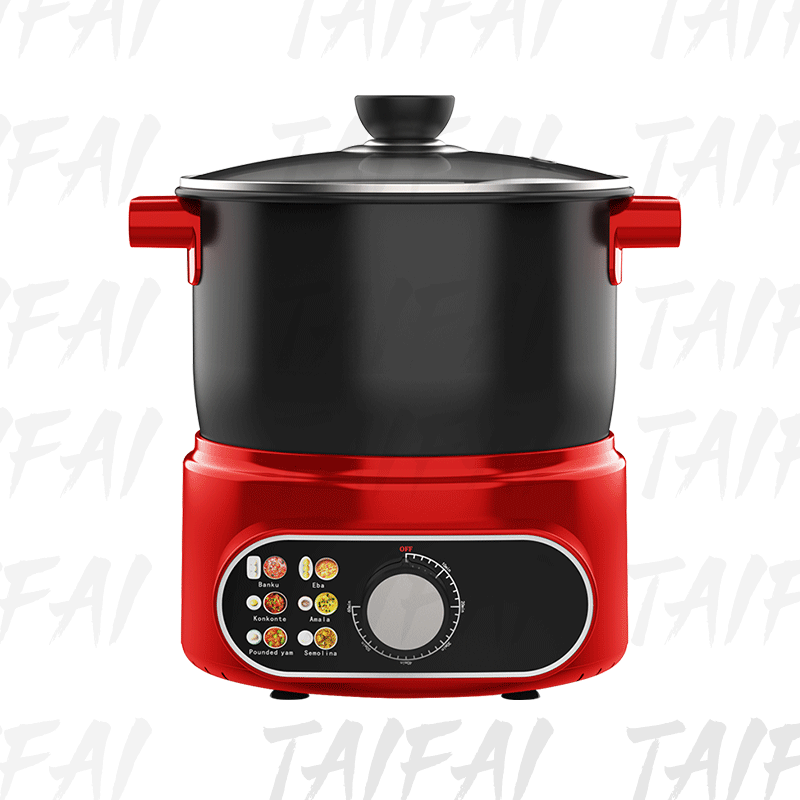
When shopping for a Funge cooker, the buyer should evaluate several critical factors. Each factor contributes to the appliance's ability to produce consistent outcomes. The following sections detail these factors, from heating method to price. By considering each one, the buyer can make an informed decision.
The heating method is perhaps the most important factor for consistency. There are three main types: electric, fuel-based (gel, alcohol, or butane), and induction. Electric Funge cookers plug into a wall outlet and use a heating element embedded in the base or pot. They offer the most precise temperature control because they often include thermostats and adjustable dials. Fuel-based cookers rely on a small burner that holds a gel or liquid fuel. They are portable and do not require electricity, but their heat output can fluctuate as the fuel burns down. Induction cookers require a magnetic-bottom pot and an induction plate. They heat quickly and precisely, but the buyer must ensure compatibility. For consistent results, electric or induction models are generally superior. However, fuel-based models can work well if the buyer monitors the flame and adjusts the distance between the pot and the burner.
Temperature control is the heart of consistency. A good Funge cooker should allow the user to set and maintain a specific temperature. Look for models with adjustable thermostats, numbered heat settings, or digital displays. Analog dials are common, but they may not be precise. Digital controls offer exact temperatures, which is ideal for chocolate (around 110-120°F) and cheese (around 140-160°F). Some advanced models have preset modes for different fondues. Without proper temperature control, the cook must constantly adjust the heat, leading to inconsistent melting or burning. The buyer should test the cooker's response time: does it recover quickly after adding cold ingredients? A slow recovery means temperature drops and inconsistent results. Therefore, a responsive thermostat is essential.
The material of the pot affects heat distribution, retention, and reactivity. Common materials include stainless steel, cast iron, copper, ceramic, and non-stick coated aluminum. Stainless steel is durable, non-reactive, and easy to clean, but it can develop hot spots if the base is not thick or clad. Cast iron retains heat exceptionally well and distributes it evenly, but it is heavy and requires seasoning. Copper is the best heat conductor, offering precise and even heating, but it is expensive and needs polishing. Ceramic pots are non-reactive and great for cheese and chocolate, but they can crack with thermal shock. Non-stick coatings prevent sticking and make cleanup easy, but they can scratch and degrade over time. For consistent results, a heavy-bottomed stainless steel or enameled cast iron pot is often recommended. The buyer should check the thickness of the base; a thin base leads to uneven heating.
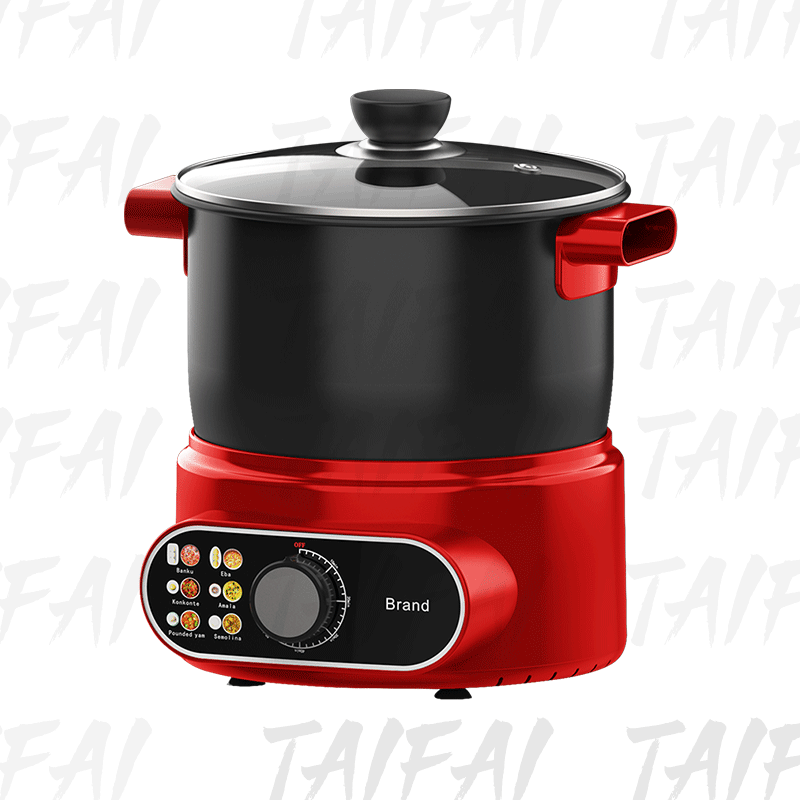
The size of the Funge cooker should match the number of diners and the type of fondue. Capacity is measured in quarts or liters. A 1.5-quart cooker serves two to three people, while a 3-quart cooker serves four to six. For cheese fondue, a smaller pot is fine because the cheese is rich. For oil or broth fondue, a larger pot is better to accommodate more pieces and maintain temperature. If the pot is too small, adding ingredients will cause a significant temperature drop, leading to inconsistent cooking. If the pot is too large, the heating element may struggle to maintain heat. The buyer should also consider the pot's shape. A wide, shallow pot provides more surface area for dipping, but it may lose heat faster. A deep, narrow pot retains heat better but limits access. A happy medium is a pot that is about 6 to 8 inches in diameter and 4 to 6 inches deep.
For fuel-based Funge cookers, the burner design and fuel type matter greatly. Gel fuel is convenient and relatively safe, but it can produce fumes and its heat output decreases as the gel depletes. Liquid alcohol (such as denatured alcohol) burns hotter and cleaner, but it requires a special burner and careful handling. Butane burners offer adjustable flames and high heat, but they are more complex and can be dangerous if not used properly. The buyer should choose a burner with a stable base and a mechanism to adjust the flame height. A wind guard is helpful for outdoor use. For consistent results, the buyer should avoid cheap burners that wobble or leak. Instead, look for burners made of stainless steel with a snug fit for the fuel container. Always follow the manufacturer's instructions for fuel type and refilling.
Safety is paramount when dealing with hot oil, melted cheese, and open flames. A good Funge cooker includes several safety features. Cool-touch handles prevent burns. Overheat protection shuts off the heating element if it gets too hot. Non-slip feet keep the cooker stable on the table. A secure lid or splatter guard reduces mess and injury. For electric models, a short cord or magnetic breakaway cord prevents tripping. For fuel models, a flame snuffer or lid to extinguish the flame is essential. The buyer should also check for certifications such as CE, CB, GS, or RoHS, which indicate the product has passed safety tests. Never purchase a Funge cooker without these features. Consistency goes hand in hand with safety because a distracted cook who is worried about burns cannot focus on temperature control.
A Funge cooker that is difficult to clean will likely be used less often, and poor maintenance can affect performance. The buyer should look for pots with removable inserts or non-stick interiors. Stainless steel is dishwasher-safe, but hand washing is recommended to preserve the finish. Cast iron should be hand washed and dried immediately to prevent rust. Ceramic pots should be washed with mild soap and a soft sponge. The burner and base should be wiped clean after each use. For electric models, the heating base should never be immersed in water. The buyer should also consider replacement parts availability. If the pot is scratched or the burner fails, can the buyer purchase a replacement? A well-designed Funge cooker has easily replaceable components. Consistent results require a clean cooker because residue can affect heat transfer and flavor.
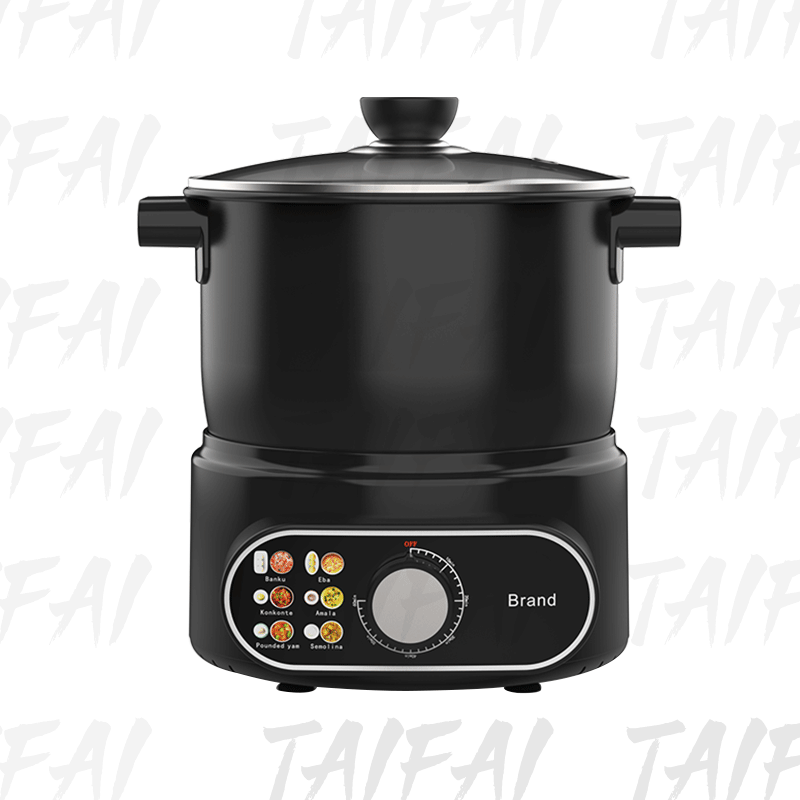
Accessories can enhance consistency and convenience. Most Funge cookers come with forks, but the quality varies. Look for forks with long handles and heat-resistant grips. A fork ring or color-coded forks help guests identify their own. Some sets include a fondue plate with compartments for sauces. A splash guard prevents oil splatter. A temperature probe or thermometer is invaluable for checking oil and chocolate temperatures. Versatility is also a plus. A multi-function cooker that can also grill, steam, or make raclette offers more value. However, the buyer should be cautious: a jack-of-all-trades may master none. For consistent fondue, a dedicated cooker is often better. Still, if space is limited, a versatile model with a proven fondue mode can work well. The buyer should read reviews about how well the versatile functions perform.
The brand behind the Funge cooker matters. Established brands often have better quality control, customer service, and warranty support. The buyer should research brands known for kitchen appliances. Certifications such as ISO9001:2015 indicate a manufacturer follows strict quality management. CE, CB, GS, and RoHS certifications show compliance with European and international standards for safety, health, and environmental protection. A brand with many patents and own moulds demonstrates innovation and manufacturing capability. For example, Jiangmen Taifai Technology Co.,Ltd, also known as TAIFAI, is a high-tech enterprise founded in 2007 in Jiangmen City, Guangdong Province, China. TAIFAI specializes in kitchen electric appliances and supports OEM, ODM, and CKD services. With 50 patents and 50 own moulds, TAIFAI produces electric blenders, juicers, citrus juicers, hand mixers, hand blenders, stand mixers, coffee grinders, choppers, and food processors. Their products hold CE, CB, GS, and RoHS certifications and are made according to ISO9001:2015 standards. While TAIFAI does not currently list a Funge cooker, their expertise in kitchen appliances suggests they could be a reliable partner for OEM/ODM projects. The buyer should look for similar credentials when choosing a Funge cooker brand.
Price is a consideration, but the cheapest option rarely delivers consistent results. A low-cost Funge cooker may have thin metal, poor temperature control, and unsafe wiring. The buyer should set a budget and then compare features within that range. Mid-range models (around $50 to $150) often offer the best balance of performance and durability. High-end models (above $150) may include digital controls, premium materials, and extra accessories. However, price alone does not guarantee quality. The buyer should read reviews and check the warranty. A lifetime warranty on the heating element, for instance, is a good sign. Value also includes energy efficiency: an electric cooker that maintains temperature with low power consumption saves money over time. Ultimately, the buyer should view the Funge cooker as an investment in consistent dining experiences.
Funge cookers come in several types, each with distinct advantages and drawbacks for consistency. The buyer should choose based on primary use, available space, and power source.
Electric Funge cookers are the most popular for home use. They plug into a standard outlet and use a heating element beneath or within the pot. The best models have adjustable thermostats, indicator lights, and cool-touch bases. Electric cookers provide steady heat, which is ideal for cheese and chocolate. They do not require fuel, so there are no fumes or flames. However, they need an outlet nearby, and the cord can be a tripping hazard. For consistency, an electric cooker with a magnetic breakaway cord and a precise dial is excellent. Some electric models have a non-stick pot that is removable for cleaning. The buyer should ensure the heating element covers the entire bottom of the pot to avoid hot spots.
Fuel-based cookers use a gel, alcohol, or butane burner. They are portable and can be used anywhere, including outdoors. They offer a traditional fondue experience. However, heat output can vary as the fuel burns. Gel fuel starts strong but weakens, requiring the cook to adjust the pot height or add more fuel. Alcohol burns hot but evaporates quickly. Butane offers adjustable flame but requires a canister. For consistent results, the buyer should choose a fuel-based cooker with a wide burner and a flame adjuster. A wind guard helps maintain a steady flame outdoors. The buyer must also store fuel safely and never refill a hot burner. Fuel-based cookers are best for oil and broth fondues where higher heat is needed, but they demand more attention.
Induction Funge cookers are a newer category. They require a pot with a magnetic bottom (e.g., cast iron or magnetic stainless steel) and an induction cooktop. Induction heats the pot directly, not the air, so it is highly efficient and precise. Temperature changes are almost instant. This makes induction excellent for consistency, especially for chocolate and cheese. However, the buyer must ensure the pot is induction-compatible. Many traditional fondue pots are not. Induction cookers also require electricity and can be more expensive. For the serious cook, an induction Funge cooker with a digital temperature control is a top choice. It offers the best of both worlds: precise control and even heating.
Multi-function Funge cookers combine fondue with grilling, steaming, or raclette. They often have a reversible plate or multiple tiers. While convenient, these appliances may not excel at any single function. The fondue mode might not reach high enough temperatures for oil, or the temperature control may be less precise. The buyer should read reviews specifically about the fondue performance. If the primary goal is consistent fondue, a dedicated cooker is usually better. However, for occasional use and variety, a multi-function model can be acceptable. The buyer should check that the fondue pot is separate from the grill plates so that cheese does not taste like grilled meat.
The material of the Funge cooker pot directly affects heat distribution and consistency. This section examines common materials in detail.
Stainless steel is a popular choice because it is durable, non-reactive, and resistant to rust. However, stainless steel alone does not conduct heat well. Manufacturers often use a clad construction: a layer of aluminum or copper sandwiched between stainless steel layers. This provides even heating. A good stainless steel Funge cooker should have a thick base (at least 3 mm) and a heavy feel. The buyer should avoid thin stainless steel pots, which develop hot spots and cause cheese to burn. Stainless steel is dishwasher-safe but may discolor with high heat. For consistency, a clad stainless steel pot with a copper core is excellent. It heats evenly and responds quickly to temperature changes.
Cast iron is legendary for heat retention and even distribution. A cast iron Funge cooker will hold a steady temperature for a long time, which is great for oil fondue. However, cast iron is heavy and requires seasoning to prevent rust and sticking. It also reacts with acidic foods, so it is not ideal for tomato-based broths or citrus marinades. Enameled cast iron solves the reactivity problem and is easier to clean. The buyer should look for enameled cast iron from reputable brands. For consistency, cast iron is superb, but the cook must preheat it slowly and evenly. Sudden temperature changes can crack enamel. Cast iron is not dishwasher-safe and must be dried immediately after washing.
Ceramic pots are non-reactive and offer a smooth surface for cheese and chocolate. They heat slowly but retain heat well. However, ceramic can crack if subjected to thermal shock, such as placing a hot pot on a cold surface. The buyer should choose ceramic with a thick wall and a metal base for stovetop use. Non-stick coatings, usually PTFE or ceramic-based, prevent sticking and make cleanup easy. They allow the cook to use less oil. However, non-stick coatings can degrade if overheated or scratched. The buyer should avoid metal utensils and high heat. For consistent results, a non-stick pot is good for cheese and chocolate, but it may not brown food. The coating should be free of PFOA and other harmful chemicals.
Copper is the best heat conductor among common cookware materials. A copper Funge cooker heats quickly and evenly, with no hot spots. This makes it ideal for delicate chocolate and cheese. However, copper is expensive, heavy, and requires polishing to maintain its shine. It also reacts with acidic foods unless lined with stainless steel. A copper pot with a stainless steel lining offers the best performance but at a high price. For the buyer seeking ultimate consistency, copper is a worthy investment. However, copper requires careful maintenance. It should not be left wet, and it should be polished with a copper cleaner. The buyer should also check that the handles are heat-resistant.
Temperature control is the most direct path to consistent results. This section explores the mechanisms and practices for maintaining the right temperature.
A thermostat measures the temperature and turns the heating element on or off to maintain a set point. In a Funge cooker, a good thermostat keeps the temperature within a narrow range, such as plus or minus 5 degrees Fahrenheit. Cheap thermostats have wide swings, causing cheese to alternate between solid and burnt. The buyer should look for a cooker with a capillary thermostat or a digital thermostat. Digital thermostats are more accurate and easier to read. Some models have a probe that can be inserted into the food for direct temperature reading. For consistent results, a thermostatic control is non-negotiable. The buyer should test the cooker by heating water and checking the temperature with a separate thermometer.
Even with a thermostat, adjustable heat settings give the cook flexibility. Low settings are for chocolate and cheese, medium for broth, and high for oil. A dial with multiple settings allows the cook to fine-tune. The buyer should avoid cookers with only on/off switches. A good dial has clear markings and a smooth action. Some models have preset temperatures for specific fondues, which is convenient for beginners. However, presets can be limiting for advanced cooks. The buyer should choose a model with both presets and manual control. The heat settings should respond quickly. If the cook turns the dial up, the temperature should rise within a minute or two. Slow response leads to inconsistent results.
Even heat distribution ensures that all parts of the pot are at the same temperature. This prevents hot spots that burn cheese or chocolate. The material and construction of the pot determine heat distribution. As discussed, copper and aluminum cores distribute heat best. The shape of the pot also matters. A flat bottom that makes full contact with the heating element is essential. A warped bottom creates air gaps and hot spots. The buyer should check the pot's bottom for flatness. For electric models, the heating element should cover the entire bottom. For fuel models, the flame should spread evenly. The buyer can test heat distribution by melting a thin layer of chocolate and looking for uneven melting. A good pot will melt evenly.
Even with the best controls, the cook should monitor temperature. A clip-on thermometer or an instant-read thermometer is a wise investment. For oil fondue, the temperature should be around 350-375°F. For cheese, 140-160°F. For chocolate, 110-120°F. The cook should check the temperature before adding food and after each addition. Adding cold food drops the temperature, so the cook must adjust the heat. A Funge cooker with a built-in temperature display makes monitoring easy. If not, the buyer should buy a separate thermometer. Consistency requires vigilance. The cook should not rely solely on the dial. A few seconds of checking can save a whole meal.
Beyond heating and materials, design features can significantly affect consistency. The buyer should look for these features.
A wide base prevents tipping and keeps the pot stable. A stable pot maintains contact with the heat source, which is crucial for even heating. If the pot wobbles, the heat distribution becomes uneven. The buyer should choose a cooker with a base that is at least as wide as the pot. Non-slip feet on the base add stability. For fuel models, the burner should have a wide footprint. A stable design also reduces the risk of spills, which can cause burns and mess. Consistency is easier when the cook is not worried about the pot tipping over.
Insulated handles allow the cook to move the pot without burning hands. This is important for stirring and adjusting. If the handles get hot, the cook may delay stirring, leading to uneven melting. The buyer should look for handles made of heat-resistant material such as silicone or phenolic resin. The handles should be securely attached and comfortable to grip. Some pots have detachable handles for oven use. For consistency, the cook should be able to handle the pot safely throughout the cooking process.
A drip-free rim or spout helps when pouring out leftover oil or chocolate. A messy pour can waste food and create a cleanup challenge. More importantly, a drip-free design allows the cook to transfer the contents without disrupting the temperature. The buyer should check the rim for a rolled edge or a spout. Some pots have a small pouring lip. This feature is minor but adds to the overall user experience. Consistency is about control, and drip-free pouring is part of that control.
Removable pots offer several advantages. They can be taken to the sink for cleaning, placed in the refrigerator for storage, or used on the stovetop for initial melting. A removable pot also allows the cook to preheat the pot separately, ensuring it is at the right temperature before adding ingredients. The buyer should ensure the pot locks securely into the base. A loose pot can wobble and cause uneven heating. For electric models, the pot should have a flat bottom that makes good contact with the heating plate. Removable pots are a hallmark of thoughtful design and contribute to consistent results.
Safety and consistency are intertwined. A safe cooker allows the cook to focus on the food. This section covers key safety features.
Cool-touch handles remain safe to touch even after long cooking. This prevents burns and allows the cook to adjust the pot without waiting for it to cool. The buyer should test the handles by holding them after the cooker has been on for 30 minutes. If they are warm but not hot, that is acceptable. If they are too hot to hold, that is a safety hazard. Cool-touch handles are often made of silicone or a double-wall design. They should be ergonomic and easy to grip. For consistency, the cook needs to stir frequently, so handles must be safe.
Overheat protection automatically shuts off the heating element if the temperature exceeds a safe limit. This prevents fires and damage to the cooker. Electric models should have a thermal fuse or a thermostat that cuts power. Fuel models do not have this feature, so the cook must monitor the flame. The buyer should look for a cooker with a reset button or an indicator light that shows when the protection is active. Overheat protection is especially important for oil fondue, where temperatures can spike. Without it, the oil can reach its smoke point and catch fire. Consistency requires a safe operating range, and overheat protection helps maintain that range.
For fuel-based cookers, the burner base must be stable. A wobbly burner can tip over, spilling burning fuel. The buyer should choose a burner with a wide, weighted base and a secure fit for the fuel container. The burner should also have a flame adjuster that is easy to turn. A stable burner ensures a steady flame, which translates to consistent heat. The buyer should avoid burners that are lightweight or have a small base. A good burner base is often made of stainless steel and has rubber feet. The buyer should also check that the fuel container locks into the burner.
Non-slip feet on the cooker base prevent sliding. This is important when guests are dipping forks into the pot. If the cooker slides, hot liquid can spill. The buyer should check that the feet are made of rubber or silicone and are securely attached. They should not leave marks on the table. Non-slip feet also reduce vibration, which can affect heat distribution. A stable cooker is a safe cooker, and a safe cooker allows the cook to focus on consistency.
Fuel-based cookers produce fumes and require proper ventilation. The buyer should use them in a well-ventilated room or outdoors. Electric cookers produce minimal fumes, but they can still emit odors from melting cheese or chocolate. A range hood or open window is recommended. Poor ventilation can lead to headaches and nausea, which distract the cook. Consistency suffers when the cook is uncomfortable. The buyer should also consider the smoke point of oils. High-heat oil fondue can produce smoke, so ventilation is essential. A good Funge cooker design may include a splatter guard that also reduces fumes.
Proper cleaning and maintenance extend the life of the Funge cooker and ensure consistent performance. The buyer should follow these tips.
Consistent results depend on a clean cooker. Residue from previous fondues can burn and impart off-flavors. A well-maintained cooker heats evenly and responds predictably. The buyer should set a cleaning routine after each use. This may seem tedious, but it pays off in longevity and performance.
For fuel-based Funge cookers, the fuel choice affects heat consistency. The buyer should understand the options.
Gel fuel is the most common for fondue. It is easy to use, relatively safe, and available in small cans. However, gel fuel burns at a lower temperature than liquid alcohol. It also produces a faint odor. The heat output decreases as the gel is consumed, so the cook must adjust the pot height or add more gel. For consistent results, gel fuel works best for cheese and chocolate, which require lower temperatures. For oil fondue, gel may not reach the necessary heat. The buyer should choose a gel fuel that is non-toxic and burns cleanly. Some gels are made from ethanol or methanol. Methanol is toxic if ingested, so the buyer should keep it away from food.
Liquid alcohol, such as denatured alcohol or ethanol, burns hotter and cleaner than gel. It requires a special burner with a wick or a open container. The flame is adjustable by moving the pot closer or farther, or by using a damper. Liquid alcohol is more dangerous because it can spill and ignite. The buyer must never refill a hot burner. The flame is nearly invisible in daylight, so the cook must be careful. For consistent results, liquid alcohol provides a steady, high heat, ideal for oil fondue. The buyer should use a fuel specifically designed for fondue burners. Never use gasoline or other flammable liquids.
Butane burners are portable and offer adjustable flame control. They use a canister that clicks into the burner. Butane burns hot and clean. However, butane canisters can be expensive and must be disposed of properly. The burner must be used in a well-ventilated area. For consistent results, butane provides precise heat control, similar to a gas stove. The buyer should choose a butane burner with a safety lock and a stable base. Butane is a good choice for oil and broth fondues. The buyer should also check that the canister is compatible with the burner. Never use a butane canister that is damaged or leaking.
Accessories can make or break the fondue experience. The buyer should consider the following.
Forks are the primary tool for dipping. They should be long enough to reach the bottom of the pot without burning hands. The handles should be heat-resistant. The tines should be sharp enough to pierce bread and meat but not so sharp that they tear cheese. Color-coded forks help guests identify their own. The buyer should choose forks made of stainless steel. Cheap forks bend easily. A good set includes at least six forks for a standard pot. Some forks have a sliding mechanism to push food off. These are convenient but can be harder to clean.
Fondue plates have compartments for sauces, vegetables, and meat. They keep the table organized. The buyer should look for plates that are microwave-safe and dishwasher-safe. Some sets include small bowls for dipping sauces. These are useful for chocolate fondue. The buyer should ensure the plates are sturdy and not too heavy. A good plate has a lip to prevent spills. Consistency is not directly affected by plates, but a well-organized table allows the cook to focus on the pot.
A thermometer is essential for consistent temperature. The buyer should choose a thermometer that clips to the pot and has a clear dial. Digital thermometers are faster and more accurate. A timer helps the cook remember to check the temperature. Some electric cookers have built-in timers. If not, a separate kitchen timer works. The buyer should use the thermometer to verify the cooker's dial. Over time, thermostats can drift, so periodic checks are wise. A timer also prevents overcooking. For oil fondue, timing is crucial for meat. For chocolate, timing prevents burning.
A splash guard reduces oil splatter and keeps the table clean. It also helps retain heat. A lid can be used to bring the pot to temperature faster, but it should be removed during dipping to prevent condensation. The buyer should choose a splash guard that fits the pot snugly. Some splash guards have holes for forks. A lid with a vent is useful for melting cheese. The buyer should avoid glass lids that can shatter. A metal lid is safer. These accessories contribute to a consistent and enjoyable fondue experience.
The brand and manufacturer behind a Funge cooker influence quality, consistency, and support. This section explains why.
A reputable manufacturer invests in research and development, quality control, and customer service. They use better materials and stricter tolerances. A no-name brand may cut corners, leading to inconsistent heating and safety issues. The buyer should look for manufacturers with certifications such as ISO9001:2015. This indicates a documented quality management system. Patents and own moulds show innovation and manufacturing capability. A manufacturer that supports OEM, ODM, and CKD can offer customized solutions. The buyer should also check the warranty. A long warranty on the heating element suggests confidence in the product. For consistent results, the buyer should choose a manufacturer with a proven track record in kitchen appliances.
Jiangmen Taifai Technology Co.,Ltd, also known as TAIFAI, is a high-tech enterprise located in Jiangmen City, Guangdong Province, China, a flourishing home appliances manufacturing base. Founded in 2007, TAIFAI has capabilities and services for independent research and development, production, and sales. The company specializes in kitchen electric appliances and is a professional manufacturer with excellent scale and technology in China. TAIFAI is a high-quality kitchen electric appliances provider integrating design, research, development, production, sales, and service. Their main products include electric blender, juicer, citrus juicer, hand mixer, hand blender, stand mixer, coffee grinder, chopper, and food processor. They support OEM, ODM, and CKD services. TAIFAI has been approved for dozens of patents and owns 50 moulds. Their production follows ISO9001:2015 standards, and they insist on strict management of production operation and quality. Many of their products have CE, CB, GS, and RoHS certification with fantastic design, good performance, multi-functional features, and reasonable prices. Company honors include recognition as a professional kitchen appliances manufacturer. While TAIFAI does not currently list a Funge cooker, their expertise and certifications make them a potential OEM/ODM partner for buyers seeking consistent, high-quality kitchen appliances. The buyer should look for similar credentials when selecting a Funge cooker brand.
Certifications provide assurance that a Funge cooker meets safety and quality standards. The buyer should look for the following.
These certifications are not just labels. They indicate that the manufacturer has invested in testing and quality control. A Funge cooker without these certifications may be cheaper, but it may also be unsafe and inconsistent. The buyer should verify the certifications on the manufacturer's website or by contacting the seller. Counterfeit certificates exist, so the buyer should be cautious. A legitimate manufacturer will proudly display their certifications.
Many buyers make mistakes that lead to inconsistent results. The following list highlights common pitfalls.
By avoiding these mistakes, the buyer can select a Funge cooker that delivers consistent results. The buyer should take time to research and compare. A little effort upfront saves frustration later.
Even with a good Funge cooker, technique matters. The following tips help ensure consistency.
Consistency is a combination of equipment and skill. The buyer should invest in a quality cooker and then learn its quirks. With practice, the cook can achieve perfect results every time.
Buying a Funge cooker for consistent results requires careful consideration of heating method, temperature control, materials, size, safety, and brand reputation. Electric and induction models offer the most precise control, while fuel-based models provide portability. The pot material should distribute heat evenly and resist reactivity. Safety features such as cool-touch handles and overheat protection are essential. Cleaning and maintenance extend the cooker's life. Accessories like thermometers and quality forks enhance the experience. The manufacturer's certifications and reputation, such as those demonstrated by TAIFAI with its ISO9001:2015, CE, CB, GS, and RoHS credentials, indicate reliability. By avoiding common mistakes and following consistent techniques, the buyer can enjoy flawless cheese, chocolate, and oil fondues. A Funge cooker is an investment in memorable dining. With the right tips, the cook can achieve consistent results that delight guests and make every fondue night a success.


