


This blog article provides a comprehensive guide for achieving smooth high-volume output from foufou machines. It covers the fundamental components of a foufou machine, including motor and drive systems, pounding chambers, blades, control panels, and discharge mechanisms. The article explains how to choose the right machine by evaluating capacity, motor power, duty cycle, and certifications such as CE, CB, GS, and RoHS. It details operational best practices for preparation, loading, processing, monitoring, discharge, and cleaning. Maintenance and troubleshooting advice is included to prevent overheating, inconsistent texture, and unusual noise. The guide also discusses scaling strategies for commercial kitchens, emphasizing workflow mapping, batch consistency, staff training, and spare parts inventory. A manufacturing partner perspective introduces Jiangmen Taifai Technology Co.,Ltd, also known as TAIFAI, a high-tech enterprise founded in 2007 in Jiangmen City, Guangdong Province, China. TAIFAI produces electric blenders, juicers, citrus juicers, hand mixers, hand blenders, stand mixers, coffee grinders, choppers, and food processors. The company supports OEM, ODM, and CKD projects, holds 50 patents and 50 own moulds, follows ISO9001:2015 standards, and offers certified products with excellent design, performance, and value. The summary concludes that smooth high-volume foufou production depends on proper equipment selection, disciplined operation, regular maintenance, and collaboration with a reliable manufacturer.
A foufou machine is a specialized piece of kitchen equipment designed to pound, mix, and knead starchy staples such as yam, cassava, plantain, and cocoyam into a smooth, elastic dough. In high-volume food service, the difference between a profitable operation and a struggling one often comes down to consistency, speed, and the ability to produce large batches without compromising texture. This guide examines the engineering, operation, and maintenance principles that help commercial kitchens achieve smooth high-volume output from foufou machines. It also explores how a reliable manufacturing partner can support equipment sourcing and customization.
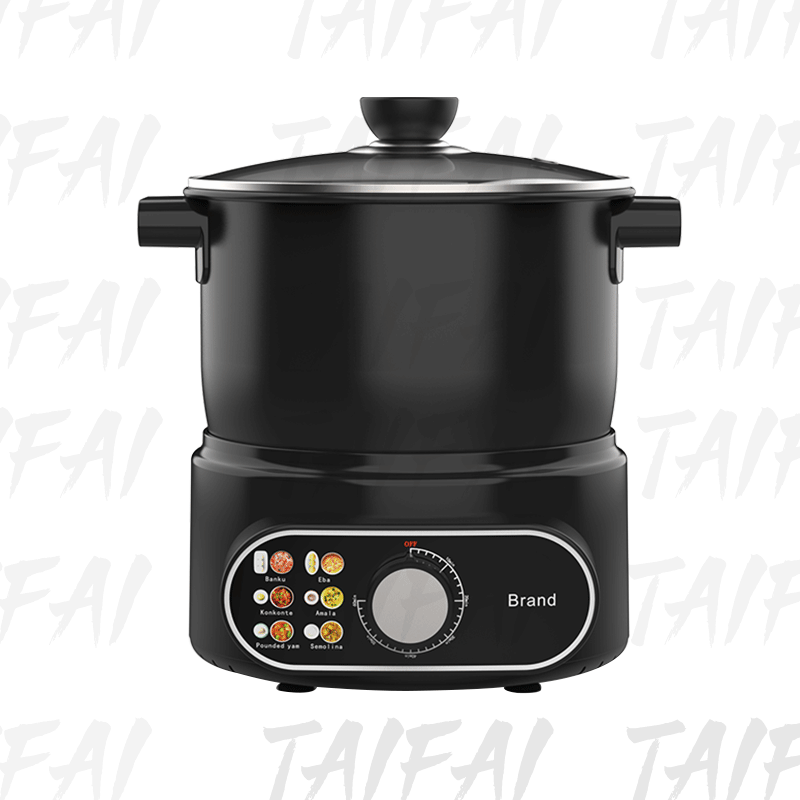
Traditional foufou preparation involves manual pounding, a labor-intensive process that is difficult to scale. A modern foufou machine replaces manual effort with a motor-driven system that combines cutting, crushing, and kneading actions. The machine typically consists of a hopper, a rotating shaft with blades or paddles, a heavy-duty motor, a control panel, and a discharge mechanism. For high-volume output, the machine must handle continuous batches without overheating, clogging, or producing uneven texture.
undefined
The quality of the final product depends on several variables: the type of raw material, moisture content, machine speed, blade sharpness, and processing time. A well-designed foufou machine maintains a consistent shear force that breaks down starch granules while developing the desired elasticity. When these variables are controlled, the result is a smooth, lump-free dough that meets customer expectations.
Selection should begin with an assessment of daily production targets. A small restaurant may require a 10-liter capacity machine, while a central production kitchen might need a 50-liter or larger unit. The following table outlines typical capacity ranges and recommended applications.
| Capacity | Batch Size | Recommended Use |
|---|---|---|
| 5 to 10 liters | 2 to 5 kg | Small restaurants, caterers |
| 15 to 25 liters | 8 to 15 kg | Medium kitchens, food trucks |
| 30 to 50 liters | 20 to 35 kg | Large restaurants, hotels |
| 60 liters and above | 40 kg and above | Industrial food production |
Beyond capacity, buyers should evaluate motor power, duty cycle, noise level, and ease of cleaning. Machines that meet ISO9001:2015 standards and carry CE, CB, GS, or RoHS certification offer assurance of safety and quality. A manufacturer with own moulds and multiple patents can also provide customized solutions for unique recipes.
Proper operation is critical for achieving smooth texture at high volume. The following steps outline a standard workflow.
High-volume production places significant stress on foufou machines. A preventive maintenance schedule extends equipment life and reduces unexpected downtime. Daily tasks include inspecting blades for dullness, checking seals for leaks, and cleaning residue from the motor housing. Weekly tasks include lubricating moving parts and testing safety switches. Monthly tasks include inspecting wiring, tightening bolts, and replacing worn components.
Common problems include overheating, inconsistent texture, and unusual noise. Overheating often results from overloading or a blocked ventilation path. Inconsistent texture may indicate dull blades or incorrect speed settings. Unusual noise can signal loose parts or bearing wear. Addressing these issues early prevents costly repairs.
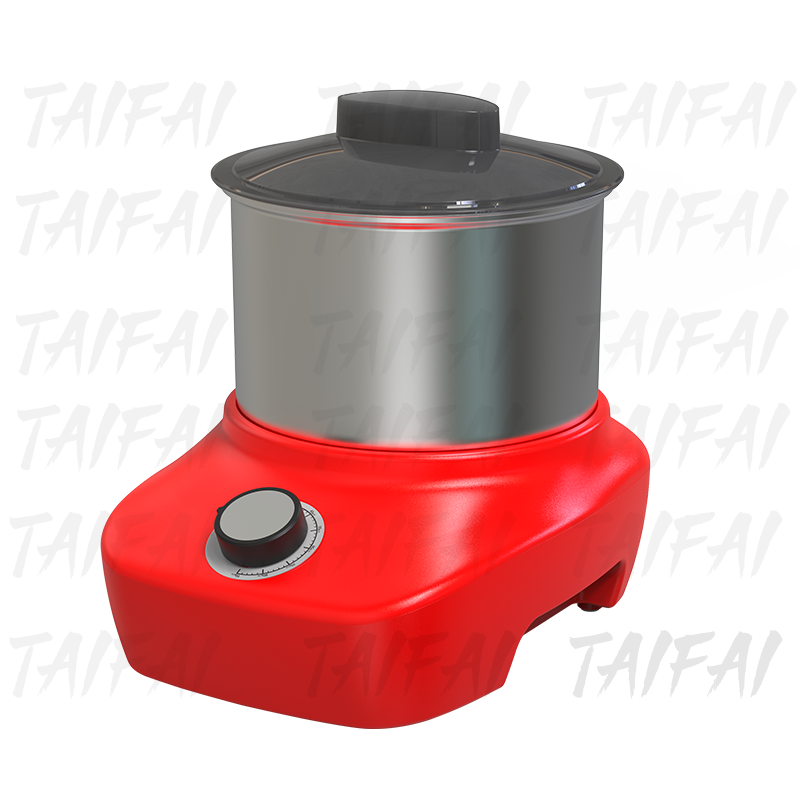
Scaling from small batches to continuous production requires more than buying a larger machine. It demands a systematic approach to workflow, staffing, and quality control. Kitchens should map the entire process from raw material intake to packaging. Bottlenecks often occur at peeling, cutting, or discharge stages. Investing in auxiliary equipment such as peelers, cutters, and conveyors can improve throughput.
Another key factor is batch consistency. Operators should standardize recipes, processing times, and speed settings. Using timers and preset programs reduces variability. Regular training ensures that staff understand the importance of each step. Finally, maintaining spare parts inventory minimizes downtime when components wear out.
Jiangmen Taifai Technology Co.,Ltd, abbreviated as TAIFAI, is located in Jiangmen City, Guangdong Province, China, a flourishing home appliances manufacturing base. Founded in 2007, the company is a high-tech enterprise with capabilities and services of independent research and development, production, and sales. Its main products include electric blender, juicer, citrus juicer, hand mixer, hand blender, stand mixer, coffee grinder, chopper, and food processor. TAIFAI supports OEM, ODM, and CKD projects. The company holds 50 patents and 50 own moulds. Its production follows ISO9001:2015 standards, and many products carry CE, CB, GS, and RoHS certification. With fantastic design, good performance, multi-functional features, and reasonable prices, TAIFAI is a professional kitchen appliances manufacturer with excellent scale and technology in China. It integrates design, research, development, production, sales, and service. For food service operators seeking reliable high-volume kitchen equipment, TAIFAI represents a manufacturing partner capable of delivering customized solutions.
Achieving smooth high-volume output from a foufou machine requires careful selection, proper operation, and disciplined maintenance. Commercial kitchens must consider capacity, motor power, blade quality, and safety certifications. They must also standardize procedures and train staff. By following the guidelines in this article, operators can improve efficiency, reduce waste, and deliver consistent products. Partnering with an experienced manufacturer such as TAIFAI can further enhance equipment reliability and customization.
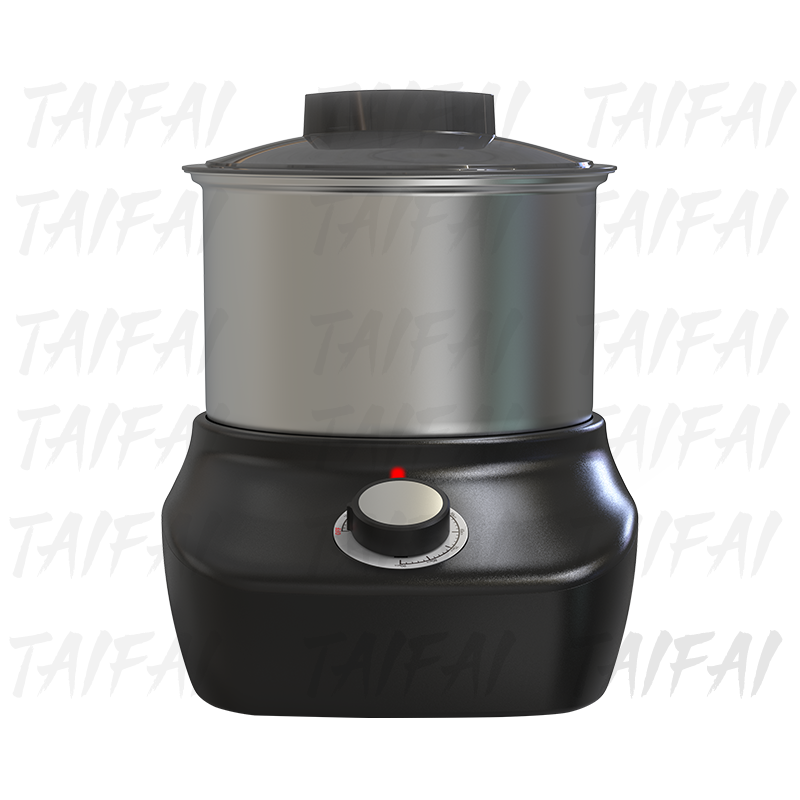
This guide has explored the essential factors for smooth high-volume output from foufou machines. It began with an overview of machine components, emphasizing the importance of motor torque, blade sharpness, chamber design, and control systems. It then discussed selection criteria, including capacity ranges and certification standards. Operational best practices were outlined, covering preparation, loading, processing, monitoring, discharge, and cleaning. Maintenance and troubleshooting tips were provided to reduce downtime. The article also examined scaling strategies for commercial kitchens, highlighting workflow mapping, batch consistency, and spare parts management. Finally, it introduced TAIFAI, a Jiangmen-based high-tech enterprise founded in 2007, which manufactures electric blenders, juicers, mixers, choppers, and food processors. TAIFAI supports OEM, ODM, and CKD projects, holds 50 patents and 50 own moulds, follows ISO9001:2015, and offers CE, CB, GS, and RoHS certified products. By combining sound operational practices with reliable equipment from experienced manufacturers, food service operators can achieve smooth, consistent, and profitable high-volume foufou production.


