


This article provides commercial kitchen buyers with a detailed guide to selecting a foufou machine. It explains why a dedicated machine matters for speed, consistency, and labor savings. It covers product characteristics, machine types, capacity and throughput, motor power and torque, materials and hygiene, blade and paddle design, controls, safety, cleaning, energy use, noise, certifications, and supplier support. The article also discusses how to calculate the right size, features that improve workflow, common buying mistakes, and comparisons between foufou machines, food processors, and blenders. It highlights OEM, ODM, and CKD options and mentions TAIFAI as a high-tech kitchen appliance manufacturer founded in 2007 in Jiangmen City, Guangdong Province, China. TAIFAI produces electric blenders, juicers, citrus juicers, hand mixers, hand blenders, stand mixers, coffee grinders, choppers, and food processors. The company has 50 patents, 50 own molds, follows ISO9001:2015 standards, and offers products with CE, CB, GS, and RoHS certification. The article further covers installation, operating best practices, maintenance schedules, cost analysis, safety compliance, and case scenarios for small restaurants, catering companies, and food processing plants. It ends with a buying checklist and final recommendations. The main message is that buyers should evaluate total cost of ownership, test with real recipes, confirm torque and cleanability, verify certifications, and choose a supplier that provides spare parts, technical support, and customization. A well-chosen foufou machine can improve food quality, reduce labor, increase capacity, and support profitable commercial kitchen operations.
In commercial kitchens that serve African, Caribbean, and West African dishes, foufou is more than a side dish. It is a signature staple that customers expect to be smooth, elastic, and consistent. The right foufou machine can transform preparation, consistency, labor costs, and profitability. This guide is written from a third-person perspective for chefs, caterers, restaurant owners, food service consultants, and distributors who need to specify, purchase, or recommend a commercial foufou machine.
Foufou, also called fufu, is a smooth, elastic dough made from cassava, yam, plantain, cocoyam, or grains. Traditional preparation involves boiling, pounding, and kneading. In a busy commercial kitchen, manual pounding is slow, physically demanding, and inconsistent. A dedicated machine addresses those problems, but only if the buyer selects the right model for the menu, volume, and workflow.
undefined
Commercial kitchens face three constant pressures: speed, consistency, and cost. Manual foufou production struggles with all three. Pounding by hand can take 20 to 40 minutes per batch, depending on quantity and skill. The result varies from batch to batch. Staff fatigue increases injury risk. A commercial foufou machine reduces labor, shortens batch times, and produces a uniform texture that customers expect.
Consistency is especially important for branded restaurants and catering operations. When foufou is too stiff, too soft, or lumpy, the entire plate suffers. A machine with the right torque, blade geometry, and speed control can deliver repeatable results. It also allows kitchens to expand menu offerings, serve larger events, and meet peak demand without adding staff.
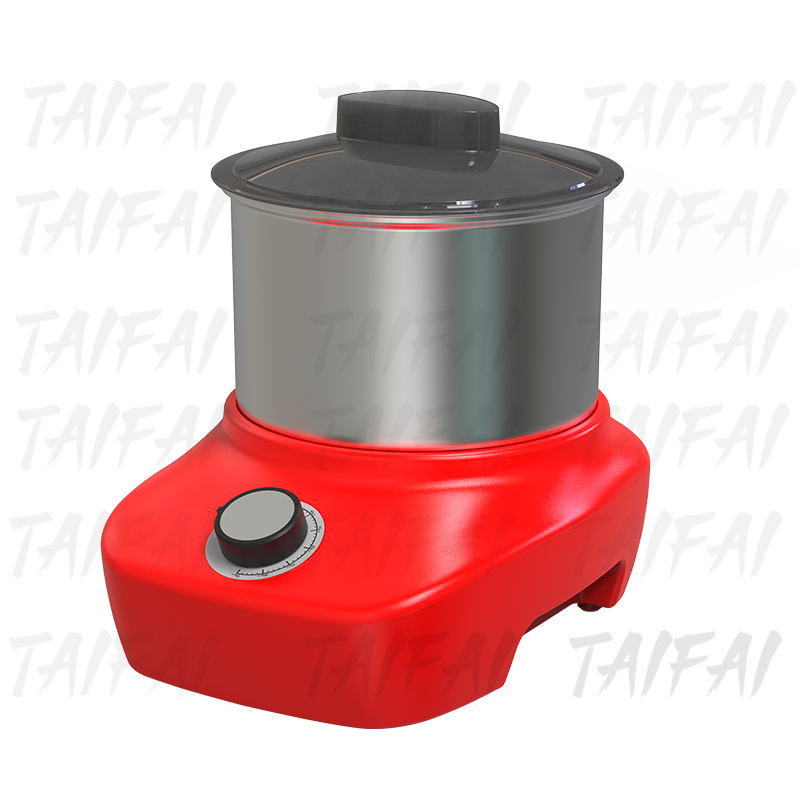
Foufou is a high-viscosity, sticky, starch-based dough. It behaves differently from bread dough, cake batter, or soup. It requires high torque at low speed, not high speed alone. The machine must knead, pound, and fold the mass without overheating it or stalling. It must also handle hot cooked ingredients safely and be easy to clean before starch residue hardens.
Different base ingredients create different demands. Cassava foufou can be very sticky. Pounded yam is dense and elastic. Plantain foufou may be softer. Some kitchens use instant flours, which hydrate quickly and need even mixing. A good commercial foufou machine should be tested with the exact recipe the kitchen plans to serve. A machine that works well for one recipe may fail with another.
Capacity is the first specification to define. A small restaurant may need 10 to 20 kg of foufou per service. A catering company may need 50 to 100 kg per event. A food processing plant may need hundreds of kilograms per shift. Buyers should calculate peak-hour demand, not average daily demand. If the kitchen serves 200 foufou portions in two hours, the machine must handle that rush without long cooling breaks.
Throughput depends on batch size and cycle time. A machine with a 20-liter bowl may process 5 kg per batch in 8 minutes. That equals about 37 kg per hour if loading and unloading are efficient. However, sticky dough may require slower speeds and longer cycles. Buyers should ask for tested throughput data, not just bowl volume.
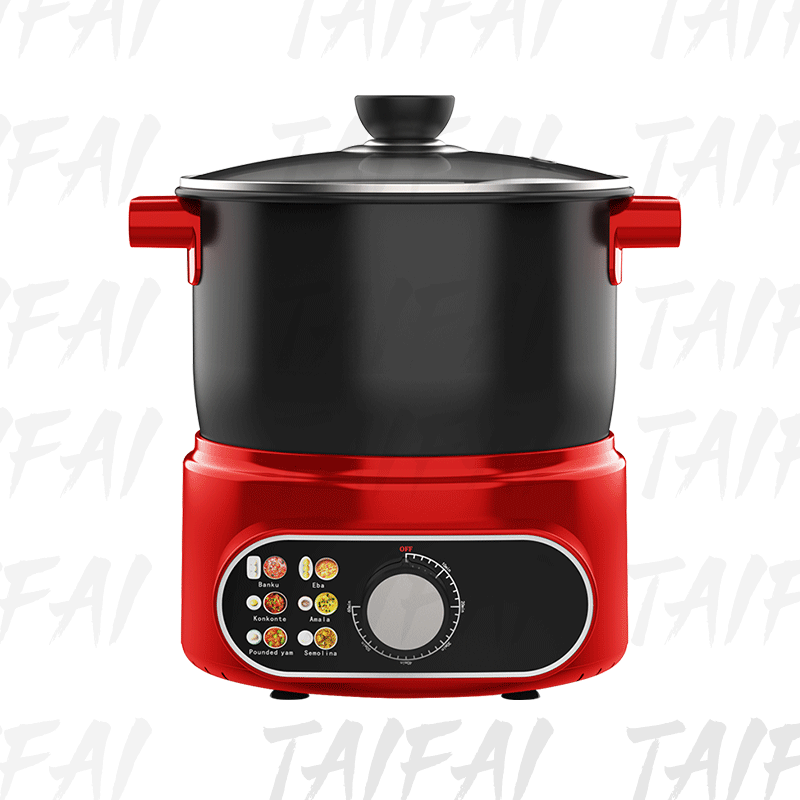
Wattage is not the only measure of power. Torque is the twisting force that turns the paddle through dense dough. A high-wattage motor with poor gearing may still stall. A commercial foufou machine should have a heavy-duty motor, metal gears, thermal protection, and a continuous-duty rating. It should maintain speed under load and recover quickly after a difficult batch.
Variable speed and reverse functions are valuable. Low speed protects texture. Reverse helps release sticky dough from the bowl and paddle. Overload protection prevents motor damage when the batch is too large or too dry. For busy kitchens, a machine that shuts down and must cool for 30 minutes can ruin service. Buyers should ask about duty cycle and recovery time.
Food safety is non-negotiable. The bowl, paddle, lid, and any food-contact parts should be made of food-grade stainless steel or another approved material. Stainless steel resists corrosion, odors, and staining. Aluminum parts can react with acidic ingredients and may pit over time. Plastic parts should be BPA-free and heat-resistant if they contact hot foufou.
Cleanability matters as much as material. Starch residue becomes glue-like when it dries. Removable bowls, quick-release paddles, smooth surfaces, and sealed controls reduce cleaning time. Gaps, rough welds, and complex corners trap food and create sanitation risks. A machine that takes 30 minutes to clean after every batch is not efficient for commercial use.
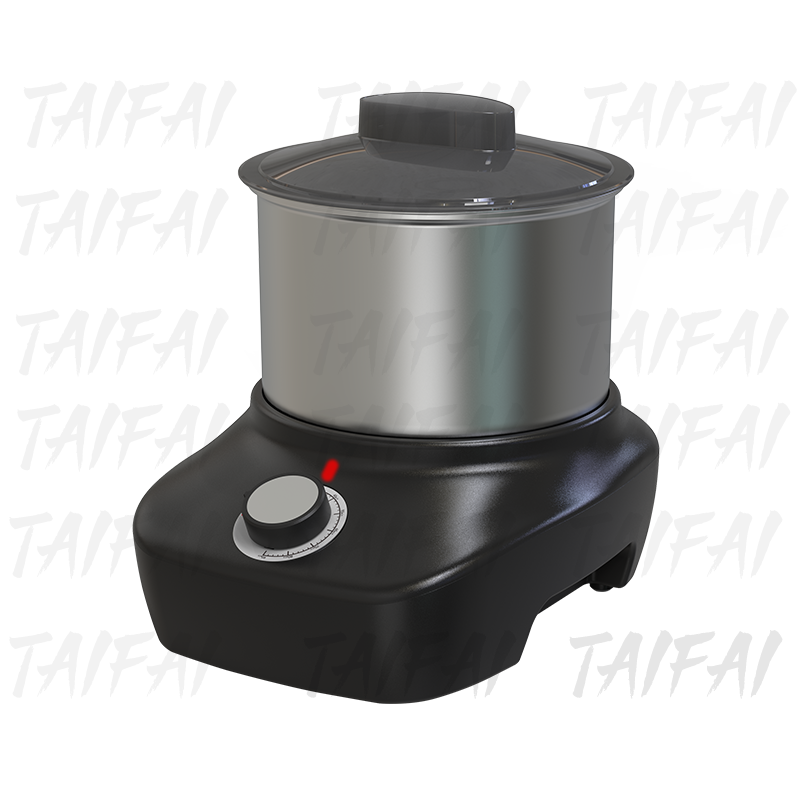
Foufou is not chopped like vegetables. It is pounded and kneaded. Sharp blender blades can cut the dough and create an uneven texture. The best foufou machines use blunt paddles, heavy-duty hooks, or specially shaped pounders. The paddle should reach the bowl walls and bottom without scraping dangerously. Some machines include two paddles that rotate in opposite directions for faster kneading.
Buyers should check whether replacement paddles are available. A worn paddle can reduce performance and increase motor strain. Suppliers that offer spare parts and technical support are more valuable than low-cost sellers with no after-sales service.
Commercial kitchens are fast and crowded. Safety features protect staff and reduce liability. Look for emergency stop buttons, lid interlocks, thermal cutoffs, and non-slip feet. Controls should be simple enough for multiple shifts to use correctly. Digital timers and preset programs improve consistency, but analog controls may be more durable in humid kitchens.
Electrical requirements must match the kitchen. Voltage, phase, plug type, and amperage vary by country. A machine that works in one region may need modification for another. Buyers importing equipment should confirm certifications and compatibility before purchase.
Cleaning should be quick, safe, and thorough. Parts that contact food should be easy to remove without tools. If a machine cannot be cleaned between allergen-containing batches, it may not suit a multi-menu kitchen. Maintenance should include daily cleaning, weekly inspection, and periodic professional service.
Buyers should ask for a maintenance manual, spare parts list, and recommended lubricants. They should also confirm whether the manufacturer provides training videos or on-site support. A well-maintained machine lasts longer and protects food safety.
Energy costs add up in commercial kitchens. A machine that runs for hours should be efficient. Noise is another factor. Open kitchens and front-of-house prep areas need quieter equipment. A machine that screams at 95 decibels may be unacceptable. Buyers should request sound level data or test the machine under load.
Certifications give buyers confidence. Many reputable manufacturers follow ISO9001:2015 quality management systems. Products may carry CE, CB, GS, and RoHS certifications depending on the market. These marks indicate that the equipment has been tested for safety, electromagnetic compatibility, and restricted substances. Buyers should verify certificates and check that they cover the exact model and voltage.
TAIFAI, for example, is a high-tech enterprise founded in 2007 and located in Jiangmen City, Guangdong Province, China. The company has independent research and development, production, and sales capabilities. Its products have been approved for dozens of patents, and the company has 50 own molds. TAIFAI supports OEM, ODM, and CKD services. Its production follows ISO9001:2015 standards, and many products carry CE, CB, GS, and RoHS certification. For buyers seeking a foufou-capable machine or complementary kitchen appliances, this type of manufacturing partner can offer customization, private labeling, and reliable quality control.
The purchase price is only one part of the total cost. Warranty length, spare parts availability, technical support, and training all affect value. A cheap machine with no spare parts can become expensive when it fails during a holiday rush. Buyers should ask about warranty terms, response times, and local service partners.
For international buyers, OEM and ODM services can be important. A manufacturer that can customize voltage, plug, packaging, and branding helps distributors serve local markets. CKD, or completely knocked down, service can reduce shipping costs and tariffs for some buyers. These options are especially useful for restaurant chains and appliance brands.
Start with menu data. How many foufou portions are sold on the busiest day? What is the average portion size? How many hours does the kitchen have to prepare? Then calculate the required throughput. For example, if a restaurant sells 300 portions in four hours and each portion uses 0.25 kg of foufou, the kitchen needs 75 kg in four hours, or about 19 kg per hour. If the machine processes 5 kg per 10-minute cycle, it can theoretically produce 30 kg per hour, but loading, cleaning, and staff breaks reduce real output. A safety margin of 20 to 30 percent is wise.
Batch size also matters. A machine that is too large wastes energy and may not mix small batches well. A machine that is too small forces staff to run many cycles, increasing labor and wear. The ideal machine matches the most common batch size, with enough capacity for peak demand. Buyers should test with their actual recipe and portion size.
Some features make a foufou machine more productive in a commercial kitchen. A timer improves consistency. A reverse function helps release dough. A lid with a feed opening allows ingredients to be added safely. Casters make the machine movable for cleaning. A bowl scraper reduces waste. A digital display helps staff follow recipes. An auto shut-off protects the motor.
For high-volume operations, a machine with a tilting bowl or a bowl lift reduces physical strain. A rapid cooling mode can help if the machine heats the dough. A separate control panel that is sealed against water and dust improves durability. Buyers should prioritize features that solve real problems, not features that only look impressive in a catalog.
Buyers often ask whether a food processor or blender can replace a foufou machine. The answer depends on volume and texture. A blender runs at high speed and is designed for liquids. It can make smoothies, soups, and sauces, but it may stall or overheat with dense foufou. A food processor is more versatile. With the right blade, it can chop, slice, shred, and mix. It can handle small batches of foufou, but the motor and bowl may not be designed for continuous heavy dough.
A dedicated foufou machine is built for the task. It delivers high torque at low speed, uses a paddle instead of a sharp blade, and has a bowl designed for sticky dough. It is the best choice for restaurants that serve foufou daily. However, a commercial kitchen may still need other appliances. TAIFAI manufactures electric blenders, juicers, citrus juicers, hand mixers, hand blenders, stand mixers, coffee grinders, choppers, and food processors. These products can handle sauces, drinks, spices, and prep work, allowing the foufou machine to focus on the main staple. A combined equipment plan from one supplier can simplify purchasing, maintenance, and spare parts.
For distributors, restaurant chains, and appliance brands, working directly with a manufacturer offers advantages. Customization can include voltage, frequency, plug type, motor power, bowl size, paddle design, control panel language, packaging, and branding. OEM and ODM services allow buyers to sell under their own brand. CKD service can reduce shipping costs and support local assembly.
TAIFAI is located in China, in Jiangmen City, Guangdong Province, a flourishing home appliances manufacturing base. Founded in 2007, the company is a high-tech enterprise with independent research and development, production, and sales capabilities. Its main products include electric blenders, juicers, citrus juicers, hand mixers, hand blenders, stand mixers, coffee grinders, choppers, and food processors. The company has 50 patents and 50 own molds. It follows ISO9001:2015 standards and offers products with CE, CB, GS, and RoHS certification. For buyers seeking a reliable kitchen appliance partner, these capabilities can support private-label foufou machines or complementary prep equipment.
Proper installation prevents accidents and improves performance. The machine should sit on a level, sturdy surface that can handle vibration. It needs enough space for loading, unloading, and cleaning. Ventilation is important if the machine generates heat or steam. Electrical outlets should be grounded and rated for the machine's amperage. Water and drainage should be nearby if the kitchen uses a cook-and-pound model.
Staff should be trained before first use. Training should cover safe operation, maximum batch size, speed settings, cleaning procedures, and emergency stop. A laminated quick-reference guide near the machine helps new employees. The kitchen should also establish a daily cleaning schedule and a maintenance log.
Follow the manufacturer's instructions. Do not overload the bowl. Add liquid gradually. Use low speed for dense dough and higher speed only when the recipe allows. Use the reverse function to release sticky dough. Monitor the machine's temperature and give it time to rest if recommended. Never put hands or tools into the bowl while the machine is running. Use the provided tamper or feed chute.
Consistency comes from standard recipes and measured ingredients. Staff should weigh ingredients rather than estimate. They should record batch times and adjust as needed. Between batches, clean the bowl and paddle to prevent starch buildup. If the kitchen prepares allergen-free foufou, it should use a dedicated machine or follow a validated cleaning procedure.
Keeping a maintenance log helps identify recurring problems. If a machine fails often, the cause may be overloading, poor cleaning, or incorrect voltage. Addressing the root cause is cheaper than repeated repairs.
The purchase price of a commercial foufou machine can range widely depending on capacity, materials, controls, and certifications. Buyers should calculate total cost of ownership, not just the invoice price. Energy consumption, labor savings, maintenance, spare parts, and downtime all affect the true cost.
Labor is often the largest savings. If a machine replaces two hours of manual pounding per day, the labor savings can pay back the machine in months. Consistency also reduces waste. When foufou is smooth and uniform, customers are happier, and fewer batches are rejected. Faster service can increase table turnover. For catering companies, the ability to accept larger events can generate new revenue.
Buyers should ask for an ROI estimate based on their own labor rates and volume. A reputable manufacturer or distributor can help calculate payback. They can also recommend the right model to avoid overbuying or underbuying.
Safety is a shared responsibility. Manufacturers must design safe machines. Buyers must install and use them correctly. Staff must follow procedures. Key safety practices include grounding, guarding, lockout/tagout during maintenance, and regular inspection. Machines should have emergency stops and interlocks that prevent operation when the lid is open.
Compliance with local electrical and hygiene regulations is mandatory. Certifications such as CE, CB, GS, and RoHS help demonstrate conformity, but they do not replace local codes. Buyers should check with local authorities and insurers. They should also keep certificates on file and verify that they match the purchased model.
A small restaurant serving 150 foufou portions per day may need a compact machine with a 10 to 15-liter bowl. The machine should fit on a counter, run on standard voltage, and be easy to clean. A food processor or stand mixer from a manufacturer like TAIFAI can handle smaller prep tasks, while the foufou machine handles the staple. The restaurant should prioritize reliability and spare parts availability over extra features.
A catering company that serves events of 500 guests needs higher throughput and mobility. A machine with a 30 to 60-liter bowl, casters, and a heavy-duty motor is more suitable. The company may need multiple machines or a production schedule that runs batches in advance. Vacuum sealing and holding equipment can extend shelf life. A supplier that offers OEM or ODM customization can provide branded machines and consistent quality across multiple units.
A food processing plant needs industrial-scale equipment with automated controls, conveyors, and strict hygiene standards. The plant should work with a manufacturer that has R&D capabilities, patents, and quality management systems. TAIFAI, with its high-tech enterprise status, 50 patents, 50 own molds, and ISO9001:2015 production, represents the type of partner that can support custom development. The plant should also plan for preventive maintenance, spare parts inventory, and operator training.
Buying a foufou machine for a commercial kitchen is a strategic decision. The right machine improves consistency, reduces labor, increases capacity, and protects food safety. The wrong machine creates bottlenecks, repairs, and unhappy customers. Buyers should look beyond price and consider torque, capacity, materials, cleaning, safety, certifications, and supplier support.
Manufacturers such as TAIFAI offer a broad range of kitchen electric appliances, including blenders, juicers, mixers, choppers, and food processors. With independent research and development, production, and sales capabilities, 50 patents, 50 own molds, ISO9001:2015 standards, and products certified to CE, CB, GS, and RoHS, TAIFAI is positioned as a potential partner for commercial kitchen equipment buyers. Whether the goal is a dedicated foufou machine or a full prep line, careful specification and a reliable manufacturer can make the difference between a busy kitchen and a profitable one.
For commercial kitchens, the best foufou machine is the one that matches the menu, the volume, and the workflow. By following the tips in this guide, buyers can make a confident decision and serve better foufou, faster, every day.


