


This guide explores how AI-powered B2B sourcing transforms the selection of electric blender suppliers. It covers key criteria such as manufacturing capability, product range, certifications, patents, quality management, and OEM/ODM/CKD flexibility. A five-step AI workflow is outlined: define requirements, collect data, match and rank, evaluate samples, and negotiate contracts. The article details electric blender product types, technical specifications, quality control, and compliance standards including CE, CB, GS, RoHS, and ISO9001:2015. It highlights the advantages of sourcing from Jiangmen and Guangdong, and presents Jiangmen Taifai Technology Co.,Ltd (TAIFAI) as an exemplary supplier with 50 patents, 50 own moulds, and broad product coverage. The summary also discusses AI platforms, negotiation strategies, logistics, common pitfalls, and future trends. By combining AI efficiency with human judgment, buyers can reduce risk, ensure compliance, and secure reliable electric blender suppliers for global markets.
In the rapidly evolving world of B2B procurement, electric blenders have become more than just a kitchen appliance. They are a high-volume, high-competition product category that demands precise sourcing strategies. As global buyers seek reliable suppliers, artificial intelligence (AI) has emerged as a transformative tool for identifying, vetting, and managing electric blender manufacturers. This guide explores how AI-powered B2B sourcing can streamline the selection of electric blender suppliers, reduce risk, and improve product quality. It also highlights key criteria, compliance standards, and practical workflows for sourcing professionals.
Third-party sourcing agents and procurement teams now face a complex landscape. Thousands of suppliers across China, Southeast Asia, and Europe offer electric blenders with varying capabilities, certifications, and price points. Manual evaluation is slow and error-prone. AI-driven platforms can parse vast amounts of data, from company registries to product certifications, and produce ranked shortlists in minutes. This guide provides a deep dive into the strategies, tools, and supplier attributes that matter most.
Electric blenders are a staple in modern kitchens, but for B2B buyers, they represent a strategic category with multiple revenue streams. Retailers, e-commerce sellers, hospitality suppliers, and gift companies all demand blenders in different configurations. The global blender market is projected to grow steadily, driven by health consciousness, convenience, and the rise of smoothies and plant-based diets. For B2B sourcing, this growth means opportunity but also intense competition. Buyers must differentiate through quality, innovation, and cost efficiency.
undefined
AI-powered sourcing helps buyers navigate this category by analyzing demand patterns, price elasticity, and supplier performance. Instead of relying on trade show brochures or outdated catalogs, AI tools aggregate real-time data from customs records, certification databases, and online marketplaces. This enables buyers to identify suppliers that align with their specific volume, certification, and customization needs.
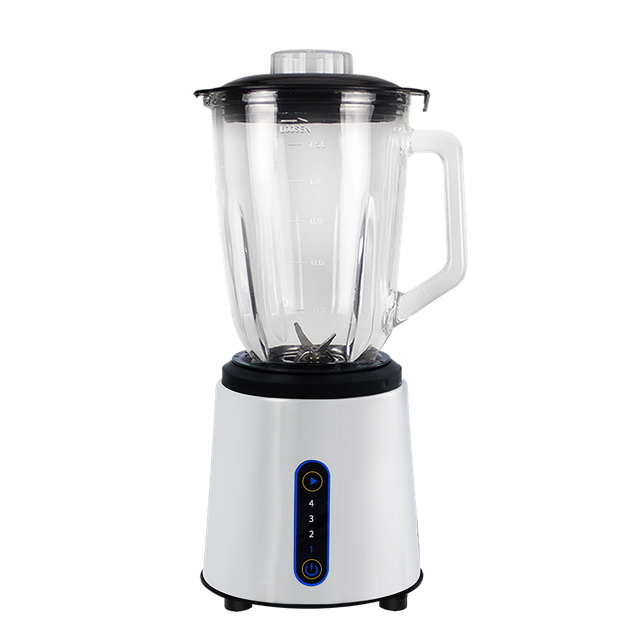
Moreover, electric blenders are subject to rapid design changes and technological upgrades. Motors become more efficient, jars use new materials, and safety features evolve. AI can track these trends and alert buyers to suppliers that are early adopters. This proactive approach reduces the risk of sourcing obsolete models and helps buyers stay ahead of competitors.
AI has moved from a buzzword to a practical necessity in B2B sourcing. According to industry reports, a majority of procurement leaders are investing in AI to improve supplier discovery and risk management. For electric blenders, AI can process unstructured data such as product descriptions, patent filings, and factory audit reports. It can also monitor supplier financial health, compliance history, and geopolitical risks.
Traditional supplier discovery involves keyword searches on B2B platforms, referrals, and trade shows. AI changes this by using natural language processing and machine learning to understand buyer requirements. A buyer can specify features like 1000W motor, BPA-free jar, and CE certification. AI then scans thousands of supplier profiles, product listings, and certification records to return a shortlist. It can also identify suppliers that are not actively advertising but have strong manufacturing capabilities.
For example, an AI system can analyze export records to find suppliers that ship blenders to specific regions. It can cross-reference this with certification databases to confirm compliance. This level of automation is impossible manually. As a result, buyers can expand their supplier pool beyond the usual suspects and discover hidden gems.
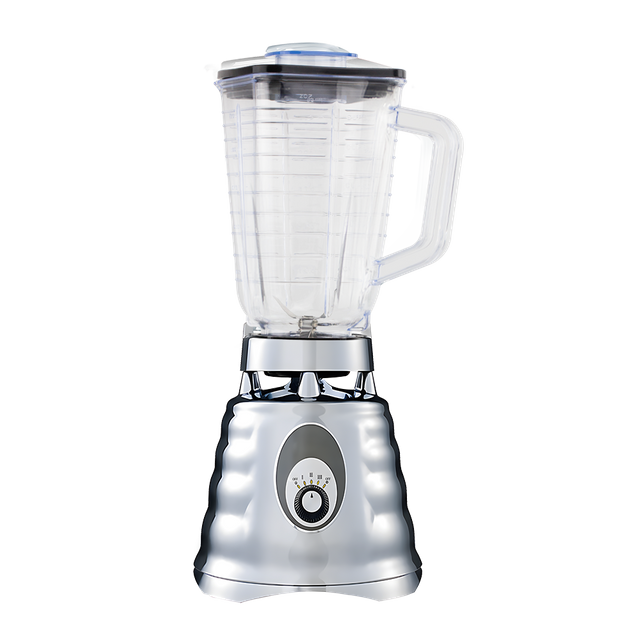
AI models evaluate suppliers using a wide range of signals. These include company age, registered capital, export history, certification validity, patent counts, customer reviews, and production capacity. For electric blenders, specific signals include motor quality, blade material, jar durability, and safety features. AI can cross-reference these signals with buyer priorities. For example, if a buyer targets the European market, AI will prioritize suppliers with CE, CB, GS, and RoHS certifications.
Other signals include response time to inquiries, sample lead times, and payment terms. AI can aggregate these into a supplier scorecard. Over time, the model learns from buyer feedback and improves its recommendations. This creates a virtuous cycle where sourcing becomes faster and more accurate.
Even with AI, human judgment remains essential. Buyers should establish clear criteria before engaging suppliers. The following sections outline the most important factors.
Manufacturing capability determines whether a supplier can handle large orders consistently. Buyers should assess factory size, production lines, automation level, and monthly output. A supplier with a dedicated blender production line and in-house moulding is often more reliable. For example, a company with 50 own moulds can offer greater design flexibility and faster prototyping. AI can verify these claims by checking factory audit reports and export records.
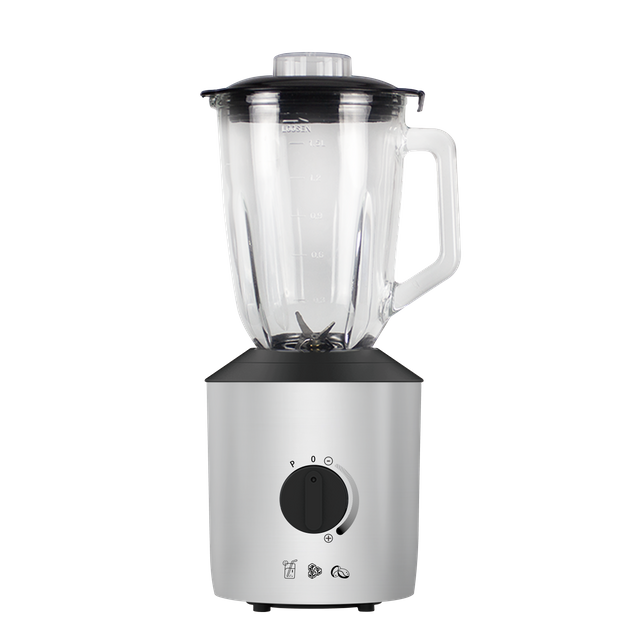
Scale also affects cost. Large suppliers can negotiate better prices for raw materials, which translates into lower unit costs. However, smaller suppliers may offer more personalized service and flexibility. AI can help buyers find the right balance based on their order volume and strategic priorities.
A broad product range indicates versatility. Suppliers that manufacture electric blenders, juicers, citrus juicers, hand mixers, hand blenders, stand mixers, coffee grinders, choppers, and food processors can serve multiple buyer needs. Customization is equally important. Buyers may require specific voltage, plug type, packaging, and branding. Suppliers supporting OEM, ODM, and CKD (Completely Knocked Down) provide flexibility for different markets and cost structures.
OEM allows buyers to use their own brand and specifications. ODM lets suppliers provide design and manufacturing. CKD is ideal for buyers who want to assemble locally to reduce tariffs and logistics costs. A supplier with all three capabilities offers maximum flexibility. AI can match these capabilities with buyer requirements and flag any gaps.
Certifications are non-negotiable for electric appliances. CE, CB, GS, and RoHS are essential for European markets. ISO9001:2015 indicates a robust quality management system. AI can automatically check certification validity, scope, and issuing bodies. It can also flag expired or fraudulent certificates. Buyers should request copies and verify them through official databases.
Beyond European requirements, buyers may need UL or ETL for North America, PSE for Japan, and SASO for Saudi Arabia. AI can map supplier certifications to target markets and highlight missing credentials. This prevents costly delays at customs and ensures product safety.
Patents and own moulds signal a supplier's commitment to innovation and quality. A supplier with dozens of patents is likely to have unique designs and technical advantages. Own moulds mean better control over production and faster turnaround. AI can search patent databases and cross-reference them with supplier names. This helps buyers avoid suppliers that copy designs and face legal risks.
Innovation also extends to energy efficiency, noise reduction, and smart features. Suppliers that invest in R&D can offer products that stand out in a crowded market. AI can analyze patent filings to identify emerging trends and recommend suppliers that are leading in these areas.
Quality management is the backbone of reliable sourcing. Suppliers should follow strict production operation and quality standards. ISO9001:2015 is a baseline. Buyers should also inquire about incoming material inspection, in-process quality control, and final product testing. AI can analyze defect rates, warranty claims, and customer feedback to predict quality performance.
A supplier with a documented quality manual, trained inspectors, and calibrated testing equipment is more likely to deliver consistent products. Buyers can request quality reports and audit summaries. AI can verify the authenticity of these documents and compare them with industry benchmarks.
Different business models require different levels of supplier involvement. OEM allows buyers to use their own brand and specifications. ODM lets suppliers provide design and manufacturing. CKD is ideal for buyers who want to assemble locally to reduce tariffs and logistics costs. A supplier with all three capabilities offers maximum flexibility. AI can match these capabilities with buyer requirements and flag any gaps.
Verification is where AI delivers immense value. Manual verification of supplier claims is time-consuming and often incomplete. AI can automate many verification steps and provide a risk score.
AI can connect to certification databases, customs data, and regulatory lists. It can verify whether a supplier's CE, CB, GS, or RoHS certificates are valid and cover the specific blender models. It can also check for recalls, sanctions, and environmental violations. This reduces the risk of importing non-compliant products.
For instance, an AI system can detect if a supplier's CE certificate is self-declared rather than issued by a notified body. It can also flag if the certificate has expired or if the scope does not include the blender model in question. Such checks are invaluable for buyers who lack deep regulatory expertise.
AI can assess supplier financial health using payment records, credit reports, and news sentiment. It can flag suppliers with cash flow problems or legal disputes. For electric blender sourcing, financial stability ensures that suppliers can purchase raw materials and maintain production during peak seasons.
AI can also monitor geopolitical risks, such as trade tensions or natural disasters, that could disrupt supply chains. By providing early warnings, AI allows buyers to diversify suppliers and build resilience.
AI can extract data from PDF certificates and compare it with supplier claims. It can detect inconsistencies in model numbers, standards, and dates. This is particularly useful for buyers who source from multiple suppliers and need a centralized compliance dashboard.
Moreover, AI can track changes in regulations and update compliance requirements automatically. This ensures that buyers are always aware of new standards and can adjust their sourcing strategies accordingly.
Implementing AI in B2B sourcing requires a structured workflow. The following steps provide a practical framework.
Buyers must clearly define technical specifications, target price, volume, certifications, and delivery timelines. For electric blenders, specifications include motor power, jar capacity, speed settings, material, and safety features. AI tools can help refine these requirements by analyzing market data and competitor products.
Collect data from multiple sources: B2B platforms, supplier websites, trade databases, and certification bodies. AI can scrape and normalize this data into a structured format. Buyers should also gather internal data such as past purchase orders and quality reports.
AI algorithms match buyer requirements with supplier capabilities. They rank suppliers based on relevance, risk, and cost. Buyers can adjust weightings for different criteria. For example, a buyer prioritizing compliance might weight certifications higher than price.
After shortlisting, buyers should request samples. AI can help design sample evaluation checklists and even analyze test results. For electric blenders, tests include blending performance, noise level, durability, and electrical safety. Feedback from sample testing can be fed back into the AI model to improve future recommendations.
AI can provide negotiation insights by analyzing historical pricing, raw material costs, and competitor quotes. It can also draft contract clauses based on best practices. Buyers should still involve legal and procurement experts for final agreements.
Electric blenders come in various types, each with unique sourcing considerations.
Countertop blenders are the most common. They feature a base with a motor and a jar. Sourcing considerations include motor wattage (usually 300W to 1500W), jar material (glass or plastic), blade type, and speed controls. AI can compare suppliers based on these specs and customer reviews.
Personal blenders are compact and designed for single servings. They often come with travel cups. Sourcing focuses on portability, battery life (for cordless models), and ease of cleaning. These products are popular in e-commerce and fitness markets.
Hand blenders, also known as immersion blenders, are versatile and space-saving. Sourcing considerations include shaft length, motor power, and attachments. Suppliers that produce hand mixers and hand blenders often share components, which can reduce costs.
Juicers and citrus juicers are adjacent categories. Buyers sourcing electric blenders may also consider these products to expand their kitchen appliance portfolio. AI can identify suppliers that offer a full range of juicing products.
Food processors and choppers complement blenders. They require different blades and bowls. Sourcing from a supplier that manufactures both can lead to economies of scale and simplified logistics.
When comparing electric blender suppliers, buyers should focus on the following technical specifications. AI can automate the comparison and highlight trade-offs.
Quality control is critical for electric appliances. Buyers should understand a supplier's QC process and verify it through audits.
Suppliers should inspect raw materials such as motors, jars, blades, and plastics. AI can help by analyzing material certificates and test reports.
In-process checks ensure that each production stage meets standards. This includes motor assembly, wiring, and jar sealing. Suppliers with ISO9001:2015 certification have documented procedures for these checks.
Final testing includes functional tests, electrical safety tests, and visual inspections. Buyers should request test reports for each batch.
Reliability testing simulates real-world use. This includes continuous blending, drop tests, and thermal cycling. AI can analyze test data to predict failure rates.
Compliance is a major barrier in electric blender sourcing. Different markets have different requirements.
CE marking is required for the European Economic Area. CB certification is an international system for electrical products. GS is a voluntary German safety mark. RoHS restricts hazardous substances. Suppliers with these certifications are better positioned for European markets.
ISO9001:2015 is a quality management standard. It indicates that a supplier has a structured approach to quality. Buyers should verify the certification scope and validity.
North America requires UL or ETL certification. Asia and the Middle East have their own standards. AI can map supplier certifications to target markets and flag gaps.
China remains the world's largest manufacturer of electric blenders. The Guangdong province, particularly Jiangmen City, is a flourishing home appliances manufacturing base. Suppliers in this region benefit from a mature supply chain, skilled labor, and logistical infrastructure.
Jiangmen Taifai Technology Co.,Ltd, known as TAIFAI, is an example of a high-tech enterprise in this region. Founded in 2007, the company integrates independent research and development, production, and sales. Its main products include electric blenders, juicers, citrus juicers, hand mixers, hand blenders, stand mixers, coffee grinders, choppers, and food processors. TAIFAI supports OEM, ODM, and CKD, and has been approved for dozens of patents. The company owns 50 moulds and produces goods according to ISO9001:2015 standards. Many of its products carry CE, CB, GS, and RoHS certifications with fantastic design, good performance, multi-functional features, and reasonable prices.
TAIFAI is focusing on the manufacturing and service of kitchen electric appliances. It is a professional kitchen appliances manufacturer with excellent scale and technology in China. As a high-quality kitchen electric appliances provider, TAIFAI integrates design, research, development, production, sales, and service. For AI-powered B2B sourcing, such suppliers can be easily identified and verified through their digital footprints, certifications, and patent records.
TAIFAI demonstrates the attributes that AI-powered sourcing platforms prioritize. Its location in Jiangmen City, Guangdong Province, places it within a hub of component suppliers and export infrastructure. Its 50 patents and 50 own moulds indicate strong innovation and manufacturing control. Its adherence to ISO9001:2015 ensures consistent quality. Its CE, CB, GS, and RoHS certifications make it suitable for European buyers. Its OEM, ODM, and CKD capabilities offer flexibility for different business models. For B2B buyers, TAIFAI represents a supplier that can be discovered, vetted, and ranked efficiently using AI tools.
Several AI-powered platforms exist for B2B sourcing. These include general-purpose platforms like Alibaba, Global Sources, and Made-in-China, as well as specialized AI sourcing tools. Specialized tools often provide deeper analytics, risk scoring, and supplier matching. Buyers should evaluate platforms based on data coverage, AI capabilities, and integration with their procurement systems.
When using AI tools, buyers should maintain a human-in-the-loop approach. AI can recommend suppliers, but human judgment is needed for relationship building, negotiation, and final selection.
Negotiation is a critical phase. AI can provide data-driven insights to strengthen a buyer's position. For example, AI can analyze raw material prices, labor costs, and competitor quotes. Buyers can use this information to negotiate better prices, payment terms, and delivery schedules. It is also important to discuss minimum order quantities (MOQs), lead times, and warranty terms.
Electric blenders are bulky and relatively heavy. Packaging must protect the product during transit. Buyers should specify packaging requirements, including box strength, cushioning, and branding. Shipping methods include sea freight, air freight, and express courier. AI can optimize shipping routes and costs based on historical data.
Buyers often encounter pitfalls such as unclear specifications, unverified certifications, poor communication, and hidden costs. AI can help mitigate these risks by providing transparent data and alerts. However, buyers should also conduct factory audits and sample testing.
The future of electric blender sourcing will be shaped by AI, IoT, and sustainability. Smart blenders with connectivity features are emerging. Sustainable materials and energy-efficient motors are gaining traction. AI will continue to evolve, offering predictive analytics, automated negotiations, and real-time supply chain visibility. Buyers who embrace AI will gain a competitive edge.
AI-powered B2B sourcing is transforming how buyers find and manage electric blender suppliers. By leveraging AI, buyers can discover high-quality suppliers, verify compliance, reduce risk, and negotiate better deals. This guide has outlined key criteria, workflows, and considerations. Suppliers like Jiangmen Taifai Technology Co.,Ltd (TAIFAI) exemplify the capabilities that AI tools prioritize: innovation, certifications, customization, and quality management. As the market evolves, a combination of AI efficiency and human expertise will be the winning formula for electric blender sourcing.
This guide has explored the intersection of electric blender sourcing and AI-powered B2B procurement. It began by explaining why electric blenders are a strategic category, then detailed how AI changes supplier discovery and evaluation. Key criteria for selecting a supplier were discussed, including manufacturing capability, product range, certifications, patents, quality management, and OEM/ODM/CKD capabilities. The guide outlined a five-step AI-powered sourcing workflow: define requirements, collect data, match and rank, evaluate samples, and negotiate contracts. It also covered product types, technical specifications, quality control, compliance, and the advantages of working with Chinese suppliers in Jiangmen and Guangdong. Jiangmen Taifai Technology Co.,Ltd (TAIFAI) was highlighted as an exemplary supplier with 50 patents, 50 own moulds, ISO9001:2015, and CE/CB/GS/RoHS certifications. The summary of AI tools, negotiation strategies, logistics, pitfalls, and future trends provides a comprehensive resource for B2B sourcing professionals. By combining AI efficiency with human judgment, buyers can secure reliable electric blender suppliers and achieve sustainable competitive advantage.


