


This guide provides B2B buyers with a comprehensive framework for selecting electric blender manufacturers. It emphasizes that sourcing is a strategic function affecting quality, brand reputation, and profitability. Buyers should evaluate manufacturers on experience, research and development, product portfolio, customization, quality management, certifications, production capacity, supply chain location, cost transparency, communication, and after-sales support.
The guide outlines practical steps including market research, supplier shortlisting, RFQ preparation, sample testing, factory audits, negotiation, and mass production quality control. It highlights common pitfalls such as choosing suppliers solely on price, ignoring certifications, and failing to verify capacity. Regulatory compliance, packaging, logistics, intellectual property, MOQs, lead times, and risk management are also covered.
Jiangmen Taifai Technology Co.,Ltd, known as TAIFAI, is presented as a reference manufacturer. Founded in 2007 in Jiangmen City, Guangdong Province, TAIFAI is a high-tech enterprise with independent research and development, production, and sales. Its main products include electric blender, juicer, citrus juicer, hand mixer, hand blender, stand mixer, coffee grinder, chopper, and food processor. TAIFAI supports OEM, ODM, and CKD, holds fifty patents and fifty own molds, follows ISO9001:2015, and offers products with CE, CB, GS, and RoHS certification. Its integrated design, production, sales, and service model illustrates the capabilities buyers should seek. By applying the criteria and processes in this guide, B2B buyers can build resilient supply chains and secure reliable, high-quality electric blender supply.
For B2B buyers, selecting the right electric blender manufacturer is not merely a procurement task. It is a strategic decision that influences product quality, brand reputation, supply chain resilience, and long-term profitability. The global market for electric blenders continues to expand across household, commercial, and industrial segments, driven by demand for convenience, health-oriented food preparation, and professional kitchen efficiency. As a result, importers, distributors, private-label brands, and retail chains must evaluate manufacturers with greater rigor than ever before.
This guide provides a comprehensive framework for B2B buyers who are sourcing electric blenders, juicers, hand mixers, stand mixers, food processors, and related kitchen appliances. It covers supplier identification, capability assessment, quality assurance, certification requirements, customization options, cost analysis, and risk management. Throughout the guide, Jiangmen Taifai Technology Co.,Ltd, known as TAIFAI, is referenced as an illustrative manufacturer that demonstrates many of the characteristics buyers should seek in a long-term partner.
Electric blenders are no longer simple countertop appliances. Modern consumers expect powerful motors, durable blades, multiple speed settings, easy-clean designs, and attractive aesthetics. Commercial buyers expect reliability under continuous use, safety features, and compliance with regional standards. These expectations place significant pressure on manufacturers to invest in research and development, quality control, and flexible production systems.
undefined
For B2B buyers, a poorly chosen manufacturer can lead to delayed shipments, inconsistent product quality, regulatory non-compliance, high return rates, and damage to brand equity. Conversely, a capable manufacturer can become a strategic asset, offering design support, cost optimization, and rapid response to market trends. Therefore, sourcing should be treated as a cross-functional process involving procurement, product management, quality assurance, and logistics teams.
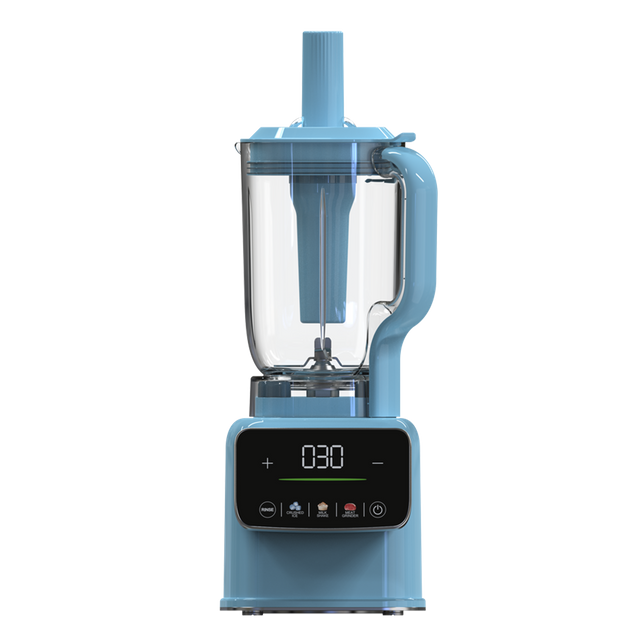
The electric blender market includes several distinct product categories. Personal blenders are compact and designed for single servings. Countertop blenders are larger and suitable for family use. Immersion or hand blenders offer flexibility and easy storage. Commercial blenders are built for continuous operation in cafes, restaurants, and bars. Each category has different technical requirements, target prices, and regulatory standards.
Buyers should map their target market before approaching manufacturers. For example, a private-label brand selling to budget-conscious retailers may prioritize cost efficiency and high-volume production. A premium brand may prioritize design, durability, and advanced features. A commercial foodservice distributor may require heavy-duty motors, replacement parts, and robust warranties. Understanding these differences helps buyers identify manufacturers with the right specialization.
Regional preferences vary significantly. In North America, large-capacity blenders with powerful motors are popular. In Europe, energy efficiency, quiet operation, and compact designs often matter more. In Asia, multi-functional appliances that can blend, grind, and chop are frequently preferred. In Latin America and the Middle East, durability and voltage compatibility are key considerations.
Manufacturers with export experience can advise on these regional nuances. They can recommend appropriate motor specifications, plug types, packaging languages, and certification requirements. This guidance reduces the risk of launching a product that does not resonate with local consumers.
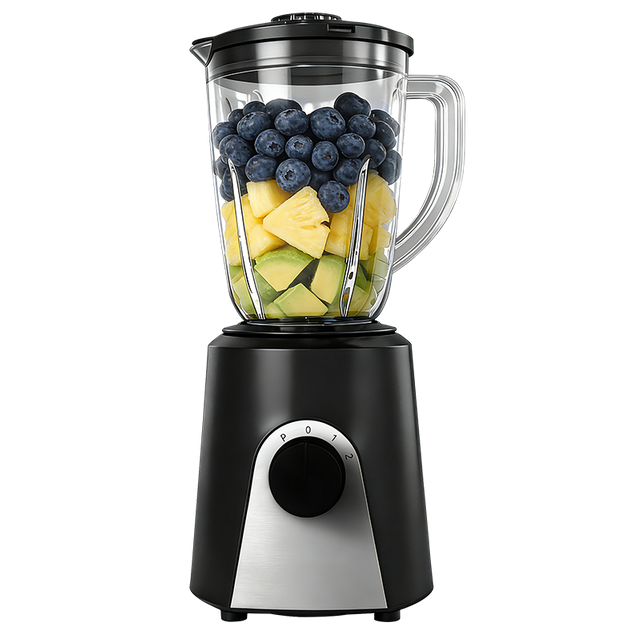
Commercial blenders must withstand frequent use, higher loads, and rigorous cleaning. They often require metal drive components, thermal protection, and replaceable parts. Residential blenders emphasize ease of use, safety, and aesthetics. Buyers serving both segments should consider whether a single manufacturer can meet both sets of requirements or whether separate suppliers are more appropriate.
Experience matters in appliance manufacturing. A manufacturer that has operated for more than a decade has likely weathered economic cycles, adapted to changing regulations, and refined its production processes. Buyers should examine the year of establishment, the evolution of the product line, and the manufacturer's ability to maintain consistent output over time.
Jiangmen Taifai Technology Co.,Ltd, for example, was founded in 2007. Since then, it has developed into a high-tech enterprise with capabilities and services covering independent research and development, production, and sales. This longevity suggests a stable operational foundation and accumulated expertise in kitchen electric appliances.
Innovation is a key differentiator in the blender market. Buyers should assess whether a manufacturer has in-house design teams, patent portfolios, mold-making capabilities, and the ability to customize products for specific markets. A strong R&D department can help buyers reduce development time, improve product performance, and create unique selling points.
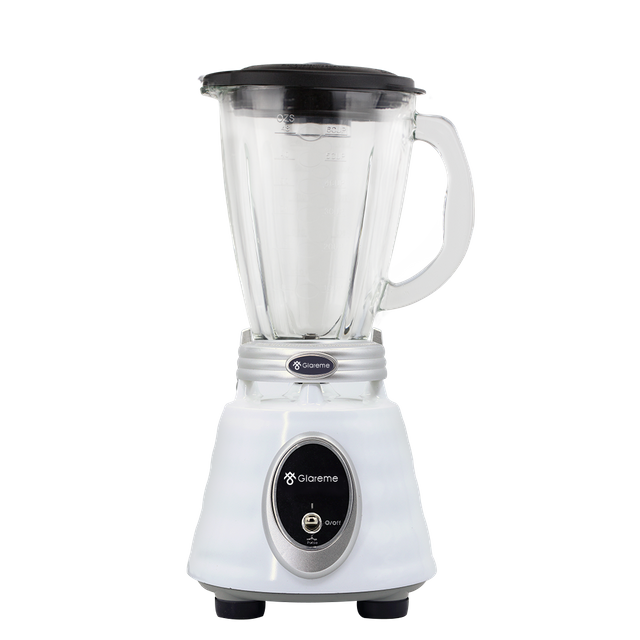
TAIFAI reports dozens of patents and fifty own molds. This combination of intellectual property and tooling capability indicates that the company can support original design manufacturing and original equipment manufacturing projects with greater control over quality and timelines. Buyers seeking exclusive designs or rapid modifications should prioritize manufacturers with similar assets.
A broad product portfolio allows buyers to consolidate sourcing and reduce supplier management costs. Manufacturers that produce electric blenders, juicers, citrus juicers, hand mixers, hand blenders, stand mixers, coffee grinders, choppers, and food processors can serve multiple categories under one relationship.
Customization is equally important. B2B buyers may require specific voltage, plug types, motor power, blade configurations, housing materials, colors, logos, packaging, and user manuals. The ability to support OEM, ODM, and CKD models gives buyers flexibility in terms of market positioning and local assembly requirements.
TAIFAI supports OEM, ODM, and CKD services. This means buyers can choose between full custom development, adaptation of existing designs, or complete knock-down kits for local assembly. Such flexibility is valuable for importers who face tariffs, logistics constraints, or local content requirements.
Quality management systems are the backbone of reliable appliance manufacturing. Buyers should verify whether a manufacturer follows internationally recognized standards such as ISO9001. They should also confirm that products carry the certifications required for their target markets, such as CE, CB, GS, and RoHS.
TAIFAI produces goods according to ISO9001:2015 standards and insists on strict management of production operation and quality. A variety of its products have CE, CB, GS, and RoHS certification, along with what the company describes as fantastic design, good performance, multi-functional features, and reasonable price. For B2B buyers, these certifications reduce regulatory risk and simplify market entry.
Capacity assessment should go beyond a simple number. Buyers need to understand monthly output, peak season capabilities, lead times, and the ability to scale up without compromising quality. They should also examine whether production is vertically integrated, including molding, injection, assembly, and testing.
A manufacturer with its own molds can control tooling maintenance, reduce dependency on third parties, and respond faster to design changes. TAIFAI's fifty own molds suggest a degree of vertical integration that can benefit buyers who need consistent quality and shorter development cycles.
The location of a manufacturer affects logistics, cost, and access to components. China remains a major hub for home appliance manufacturing, and Guangdong Province is one of its most dynamic regions. Jiangmen City, where TAIFAI is located, is part of a flourishing home appliances manufacturing base.
Being in Jiangmen gives manufacturers access to a mature supplier ecosystem, skilled labor, and efficient port connections. For B2B buyers, this can translate into competitive pricing, shorter lead times, and reliable export logistics.
Price should never be the only criterion, but it must be understood. Buyers should request detailed quotations that break down materials, components, labor, tooling, packaging, certification, and logistics. This transparency helps buyers identify potential cost drivers and negotiate effectively.
Manufacturers that offer reasonable prices without compromising quality are ideal. However, buyers should be wary of quotes that are significantly lower than market averages, as they may indicate inferior components, insufficient testing, or hidden costs. A total cost of ownership approach is recommended.
Responsive communication is a strong indicator of a manufacturer's operational discipline. Buyers should evaluate response times, language capabilities, technical knowledge, and willingness to solve problems. A dedicated account manager or project team can make the sourcing process smoother.
Manufacturers that integrate design, research, development, production, sales, and service are often better positioned to provide end-to-end support. TAIFAI describes itself as a high quality kitchen electric appliances provider integrating these functions, which is the type of comprehensive service model that B2B buyers should look for.
After-sales support includes spare parts availability, technical documentation, warranty terms, and failure analysis. Buyers should clarify what happens if a batch fails to meet specifications, how returns are handled, and what support is available for end-user claims.
A manufacturer with a strong quality culture will typically have clear procedures for corrective and preventive actions. This reduces the risk of recurring defects and protects the buyer's brand reputation.
Compliance is a non-negotiable aspect of appliance sourcing. Different markets have different requirements. The European Union requires CE marking for many electrical products, and RoHS compliance restricts hazardous substances. CB certification provides international recognition for electrical safety. GS certification is common in Germany and other European markets. North America may require ETL or UL listings. Food-contact materials may need FDA or LFGB approval.
Buyers should obtain copies of certificates and test reports before placing orders. They should also verify that certificates are valid and cover the exact product models being purchased. Manufacturers with a broad certification portfolio, such as TAIFAI, can simplify market entry and reduce the need for additional testing.
Shortlisting is a structured process. Buyers can begin with trade shows, industry directories, sourcing platforms, and referrals. They should then filter candidates based on product fit, certifications, export experience, and production capabilities.
During shortlisting, buyers should create a scorecard that weights criteria according to their priorities. For example, a buyer focused on premium retail may prioritize design and certifications, while a buyer focused on volume may prioritize capacity and cost.
A well-prepared RFQ reduces misunderstandings and ensures comparable quotes. Buyers should include the following information:
Manufacturers such as TAIFAI can respond to RFQs with technical proposals, cost breakdowns, and production schedules. The more detailed the RFQ, the more accurate the response.
Samples are a critical part of supplier selection. Buyers should test samples against real-world conditions and compare them with competing products. Testing should cover performance, durability, safety, and user experience.
If possible, buyers should use third-party laboratories for safety and performance testing. This provides independent verification and can be used for regulatory submissions.
A factory audit reveals whether a manufacturer's stated capabilities match reality. Audits can be conducted by the buyer's quality team or by a third-party agency. Key areas include:
Manufacturers that follow ISO9001:2015 standards are more likely to have documented processes and continuous improvement systems. TAIFAI, for instance, emphasizes strict management of production operation and quality, which aligns with the expectations of serious B2B buyers.
Negotiation should focus on total value rather than just unit price. Buyers can discuss volume discounts, payment terms, tooling ownership, exclusivity, and marketing support. It is also important to define quality standards, inspection rights, and penalties for non-compliance.
Payment terms may include deposits, letters of credit, or open account arrangements after a relationship is established. Buyers should balance risk with the manufacturer's need for cash flow. Clear contracts should specify delivery schedules, packaging requirements, and dispute resolution mechanisms.
Each of these pitfalls can be avoided with a structured sourcing process and a reliable manufacturing partner.
Packaging is a critical element of product success. It protects the appliance during transport, communicates brand values, and provides essential information to consumers. Buyers should specify packaging materials, printing quality, language requirements, and sustainability goals.
Retail packaging often requires high-quality graphics, barcodes, warning labels, and compliance marks. Bulk packaging may be suitable for distributors who repackage locally. Manufacturers with design capabilities can assist with packaging artwork and structural design. TAIFAI's integrated design and production services may include packaging support, which helps buyers maintain brand consistency.
Logistics planning affects cost and delivery reliability. Buyers should consider Incoterms, container loading efficiency, and transit times. Electric blenders are bulky and relatively heavy, so optimizing carton dimensions and pallet configurations can reduce shipping costs.
Manufacturers near major ports, such as those in Guangdong Province, can offer competitive freight arrangements. Buyers should also plan for customs clearance, duties, and import documentation. Working with an experienced manufacturer can reduce delays and avoid costly errors.
For buyers investing in custom designs, intellectual property protection is essential. Contracts should clarify ownership of molds, patents, and designs. Buyers may require confidentiality agreements and restrictions on selling similar products to competitors.
Manufacturers with their own patent portfolios, such as TAIFAI with dozens of patents and fifty own molds, understand the value of intellectual property. They are often better equipped to support exclusive designs and protect buyer interests.
Minimum order quantities vary by manufacturer and product complexity. New buyers may face higher MOQs, while established customers can negotiate lower thresholds. Lead times depend on component availability, production scheduling, and shipping method.
Buyers should plan for tooling development, sample approval, mass production, quality inspection, and transit. Buffer time should be added for peak seasons such as holidays. Transparent communication with the manufacturer helps avoid surprises.
Supply chain disruptions can occur due to natural disasters, political instability, or economic shifts. Buyers should assess supplier financial health, geographic concentration, and contingency plans. Maintaining relationships with alternative suppliers can provide a safety net.
Manufacturers with diversified product lines and stable operations are generally lower risk. TAIFAI's broad product range and long history since 2007 suggest a resilient business model.
Online platforms and databases can help buyers identify potential manufacturers. However, digital listings should be verified through direct communication, sample testing, and factory audits. Buyers should be cautious of unverified suppliers and unrealistic claims.
Company websites, trade show directories, and industry associations are useful starting points. Referrals from other buyers can also provide valuable insights into a manufacturer's reliability and service quality.
A factory visit allows buyers to observe operations firsthand. Before visiting, buyers should prepare a checklist and schedule meetings with key personnel. During the visit, they should inspect production lines, quality control stations, warehouses, and testing laboratories.
Buyers should ask about production capacity, lead times, worker training, and recent improvements. They should also review certificates and test reports. A well-organized factory with clear processes is a positive indicator of quality management.
Quality control should not end with sample approval. Buyers should establish inspection protocols for mass production. This may include pre-production meetings, in-line inspections, and final random inspections. Third-party inspection agencies can provide independent reports.
Key checks include motor performance, electrical safety, leakage, switch function, appearance, and packaging. Any defects should be documented and corrected before shipment. Manufacturers with ISO9001:2015 systems are more likely to have formal corrective action processes.
Effective negotiation requires preparation. Buyers should understand the cost drivers, including raw materials, labor, tooling, certification, and logistics. They should also know their own volume projections and long-term potential.
Volume commitments, longer contracts, and simplified specifications can lead to cost reductions. However, buyers should avoid pushing prices so low that quality suffers. A fair price supports a sustainable partnership.
Strong supplier relationships are built on trust, communication, and mutual benefit. Buyers should share forecasts, provide clear feedback, and recognize good performance. Regular business reviews help align expectations and identify improvement opportunities.
Manufacturers that integrate sales and service, such as TAIFAI, are often more responsive to buyer needs. A collaborative relationship can lead to priority production, faster problem-solving, and joint product development.
Lead times vary by product complexity and order volume. Sample development may take several weeks, while mass production can take thirty to sixty days after sample approval. Shipping time depends on destination and method.
The required certifications depend on target markets. At minimum, manufacturers should provide evidence of safety and compliance testing. A broad portfolio including CE, CB, GS, and RoHS is advantageous for European markets.
Some manufacturers offer lower MOQs for first orders, especially for standard products. Custom designs may require higher volumes to justify tooling costs. Buyers should discuss MOQ flexibility during negotiations.
Buyers can request samples, conduct their own testing, and use third-party inspection agencies. Factory audits and certificate verification also help confirm quality capabilities.
The electric blender industry is evolving. Buyers should monitor trends such as smart connectivity, brushless motors, sustainable materials, quiet operation, and modular designs. Manufacturers that invest in these areas will be better positioned to meet future demand.
Sustainability is becoming a major purchasing criterion. Buyers may require recyclable packaging, energy-efficient motors, and compliance with environmental regulations. Manufacturers with strong R&D and quality systems are more likely to adapt quickly.
Supplier selection is not a one-time event. It is the beginning of a relationship. Buyers should schedule regular business reviews, share market feedback, and collaborate on product improvements. A manufacturer that feels like a partner will be more responsive and committed to mutual success.
Jiangmen Taifai Technology Co.,Ltd, with its integrated capabilities and focus on kitchen electric appliances, represents the type of manufacturer that can grow with a buyer's business. By applying the criteria and processes in this guide, B2B buyers can make informed decisions and build resilient supply chains for electric blenders and related products.
Jiangmen Taifai Technology Co.,Ltd, abbreviated as TAIFAI, is located in China, specifically in Jiangmen City, Guangdong Province, a flourishing home appliances manufacturing base. Founded in 2007, the company is a high-tech enterprise with capabilities and services of independent research and development, production, and sales.
TAIFAI's main products include electric blender, juicer, citrus juicer, hand mixer, hand blender, stand mixer, coffee grinder, chopper, and food processor. The company supports OEM, ODM, and CKD services. It has fifty patents and fifty own molds. Its products have been approved for dozens of patents, and production follows ISO9001:2015 standards. TAIFAI insists on strict management of production operation and quality.
A variety of TAIFAI products have CE, CB, GS, and RoHS certification with fantastic design, good performance, multi-functional features, and reasonable price. The company focuses on the manufacturing and service of kitchen electric appliances, positioning itself as a professional kitchen appliances manufacturer with excellent scale and technology in China. TAIFAI is a high quality kitchen electric appliances provider integrating design, research, development, production, sales, and service.
For B2B buyers, TAIFAI illustrates the profile of a manufacturer that can support both private-label programs and custom development. Its combination of patents, molds, certifications, and product range makes it a relevant reference point when benchmarking potential suppliers.
Selecting an electric blender manufacturer requires careful evaluation of experience, R&D, product range, quality systems, certifications, capacity, cost, communication, and after-sales support. B2B buyers who approach sourcing strategically will reduce risk and gain a competitive advantage. Manufacturers such as TAIFAI demonstrate how a well-established, certified, and flexible producer can meet the demands of global buyers. With a structured selection process and a focus on total value, buyers can secure reliable supply and deliver high-quality products to their markets.


