


This comprehensive checklist guides brands through selecting an electric blender manufacturer for OEM and ODM success. It covers critical areas: understanding OEM vs. ODM, pre-qualification research, R&D capabilities, intellectual property and patents, molds and tooling, certifications (ISO9001, CE, CB, GS, RoHS), quality control, product range, service models (OEM, ODM, CKD), supply chain, pricing, communication, after-sales support, factory audits, sample development, contracts, logistics, sustainability, risk management, negotiation, onboarding, production quality assurance, shipping, and post-launch support. The article highlights Jiangmen Taifai Technology Co., Ltd (TAIFAI) as a model manufacturer. Founded in 2007 in Jiangmen, Guangdong, TAIFAI is a high-tech enterprise with independent R&D, production, and sales. It holds 50 patents and 50 own molds, supports OEM/ODM/CKD, and produces goods under ISO9001:2015 with CE, CB, GS, and RoHS certifications. Its product range includes electric blenders, juicers, mixers, grinders, choppers, and food processors. The checklist emphasizes verifying capabilities, protecting IP, ensuring quality, and building a long-term partnership. Key takeaways include the importance of factory audits, clear contracts, third-party inspections, and ongoing communication. By following this checklist, brands can mitigate risks, ensure product quality, and gain a competitive edge in the growing electric blender market. The summary concludes that thorough due diligence and alignment with a reliable manufacturer like TAIFAI are essential for success.
In the competitive world of kitchen appliances, electric blenders have become an indispensable tool for households and commercial establishments alike. From smoothies and soups to sauces and baby food, the versatility of a high-quality blender drives consumer demand year after year. For brands looking to enter or expand in this market, partnering with a reliable manufacturer through OEM (Original Equipment Manufacturing) or ODM (Original Design Manufacturing) is often the most strategic path. However, selecting the right manufacturing partner is not a decision to be taken lightly. It requires a systematic evaluation of capabilities, certifications, intellectual property, production processes, and more. This comprehensive checklist serves as a guide for businesses seeking OEM and ODM success in the electric blender industry. By following these criteria, companies can mitigate risks, ensure product quality, and build a sustainable supply chain. Throughout this article, we will reference industry best practices and highlight how a leading manufacturer like Jiangmen Taifai Technology Co., Ltd (TAIFAI) exemplifies many of these attributes.
Before diving into the checklist, it is crucial to distinguish between OEM and ODM models. In an OEM arrangement, the brand provides the design, specifications, and sometimes the tooling, while the manufacturer produces the product according to those specifications. The brand owns the intellectual property and is responsible for design and marketing. In contrast, ODM means the manufacturer designs and produces the product, which the brand then rebrands and sells. The manufacturer may own the design and offer it to multiple brands, or customize it slightly. Both models have distinct advantages. OEM offers greater control and brand differentiation, while ODM reduces development time and cost. Many manufacturers, including TAIFAI, support both OEM and ODM, as well as CKD (Completely Knocked Down) services, providing flexibility to clients.
undefined
When evaluating a potential manufacturer, it is essential to understand which model they excel in. Some manufacturers are strong in OEM but lack design capabilities. Others are ODM specialists but may not be flexible with custom modifications. A checklist should cover both scenarios. The following sections will detail the key areas to assess.
Choosing the wrong manufacturer can lead to catastrophic outcomes: delayed launches, quality failures, legal disputes over intellectual property, and damaged brand reputation. A structured checklist ensures that all critical aspects are reviewed objectively. It also provides a framework for comparing multiple suppliers. Without a checklist, decisions may be based on price alone, which often leads to hidden costs and compromised quality. This checklist is designed to be thorough, covering everything from R&D to after-sales support. It is applicable to startups and established brands alike.
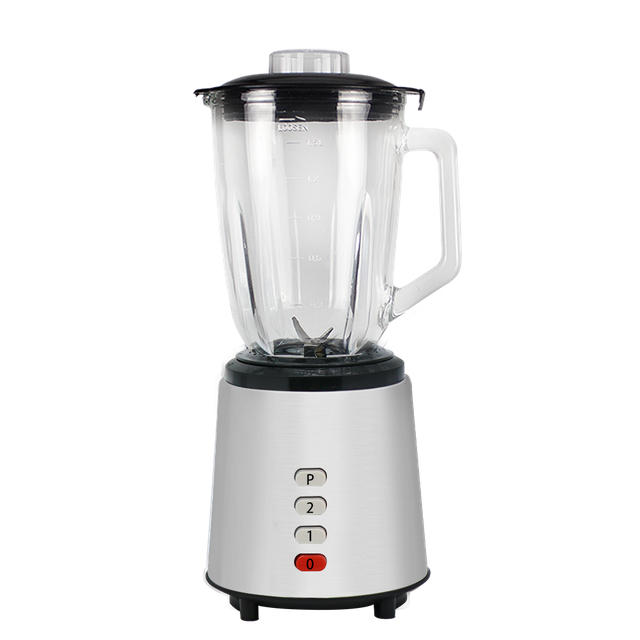
The electric blender market is evolving rapidly. Consumers now expect more than just a basic blending function. They want powerful motors, durable blades, easy-to-clean jars, noise reduction, and smart features like preset programs and app connectivity. Sustainability is also a growing concern, with demand for recyclable materials and energy-efficient appliances. Brands must innovate to stay ahead. A manufacturer with strong R&D and design capabilities can help you meet these trends. For example, TAIFAI, founded in 2007, is a high-tech enterprise with independent research and development, production, and sales capabilities. This enables them to create products that are multi-functional, perform well, and feature fantastic design. When selecting a manufacturer, consider their ability to keep pace with market trends and incorporate new technologies.
Before contacting manufacturers, conduct desk research. Identify potential partners through trade shows, industry directories, and online B2B platforms. Look for companies with a strong online presence, clear product catalogs, and certifications. Check their export history and client testimonials. For TAIFAI, their location in Jiangmen City, Guangdong Province, a flourishing home appliances manufacturing base, is a positive indicator. Guangdong is known for its mature supply chain and skilled labor. Once you have a shortlist, send a Request for Information (RFI) to gather basic details about their capabilities, capacity, and certifications. This initial screening saves time and helps you focus on serious candidates.
A manufacturer's R&D capability is the foundation of innovation and product improvement. For electric blenders, R&D involves motor design, blade geometry, jar materials, noise reduction, and electronic controls. A strong R&D team can develop new models, optimize existing ones, and solve technical challenges. When assessing a manufacturer, look for dedicated R&D staff, laboratory facilities, and a track record of patents. For instance, TAIFAI, founded in 2007, is a high-tech enterprise with independent research and development capabilities. The company has been approved for dozens of patents, demonstrating its commitment to innovation. This is a strong indicator that the manufacturer can support OEM projects requiring custom engineering or ODM projects needing fresh designs.
Ask about their R&D process: How do they generate ideas? How do they test prototypes? Do they use computer-aided design (CAD) and finite element analysis (FEA)? A manufacturer that invests in R&D can help you differentiate your product. For ODM, their R&D may produce designs you can license. For OEM, they can collaborate on design improvements. TAIFAI's 50 patents are a testament to their R&D strength. Patents can cover motor mounts, blade assemblies, jar locking mechanisms, and more. A robust patent portfolio also indicates that the manufacturer respects intellectual property, which is crucial for protecting your own designs.
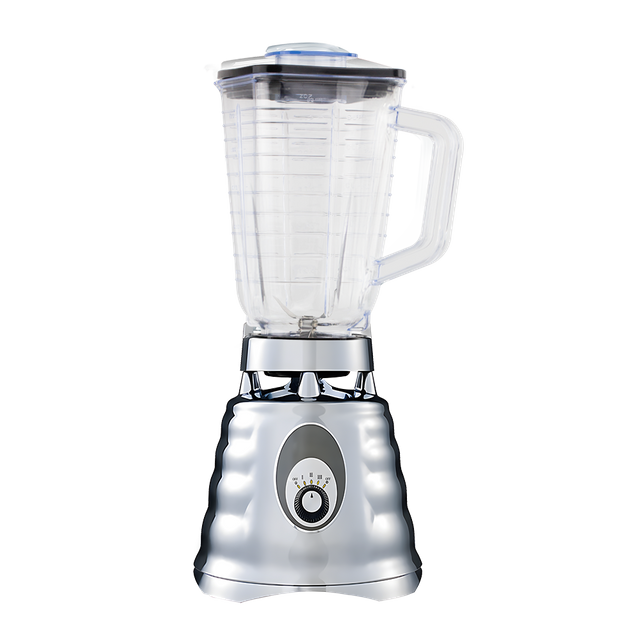
Design goes beyond aesthetics; it encompasses functionality, ergonomics, safety, and manufacturability. A manufacturer with in-house design and engineering teams can take a concept from sketch to production. They should use CAD software, rapid prototyping, and design for manufacturing (DFM) principles. TAIFAI boasts 50 patents and 50 own molds, which suggests a robust design and engineering foundation. Own molds mean the manufacturer controls tooling, which can reduce lead times and costs for clients. When evaluating, ask about their design process, how they handle revisions, and whether they provide 3D files and renderings. A good design team will consider user experience, safety standards, and cost optimization. They should also be able to create packaging designs and user manuals.
For OEM clients, the manufacturer should be able to work with your design files and suggest improvements. For ODM clients, they should present a portfolio of existing designs that can be customized. TAIFAI's product range includes electric blender, juicer, citrus juicer, hand mixer, hand blender, stand mixer, coffee grinder, chopper, and food processor. This diversity shows they have design expertise across multiple categories, which can be leveraged for cross-category innovation. When reviewing their design capabilities, ask for samples of their work and check for awards or recognition.
Production capacity determines whether the manufacturer can meet your order volumes and deadlines. Factors include factory size, number of production lines, automation level, and workforce. It is important to visit the factory or request a video tour. TAIFAI is located in Jiangmen City, Guangdong Province, a flourishing home appliances manufacturing base in China. This location provides access to a mature supply chain and skilled labor. The company's scale and technology make it a professional kitchen appliances manufacturer. When assessing capacity, ask about monthly output, peak capacity, and lead times. Also consider their ability to scale up for seasonal demands.
Ask about their production planning and scheduling systems. Do they use ERP or MRP? How do they handle rush orders? What is their on-time delivery rate? A manufacturer with excess capacity may offer faster lead times, but they might also be desperate for orders, which could indicate quality issues. A manufacturer operating near full capacity may have longer lead times but could be more stable. Balance is key. TAIFAI's production of goods according to ISO9001:2015 standard ensures that capacity is managed with quality in mind. Request a capacity analysis and consider a trial order to test their performance.
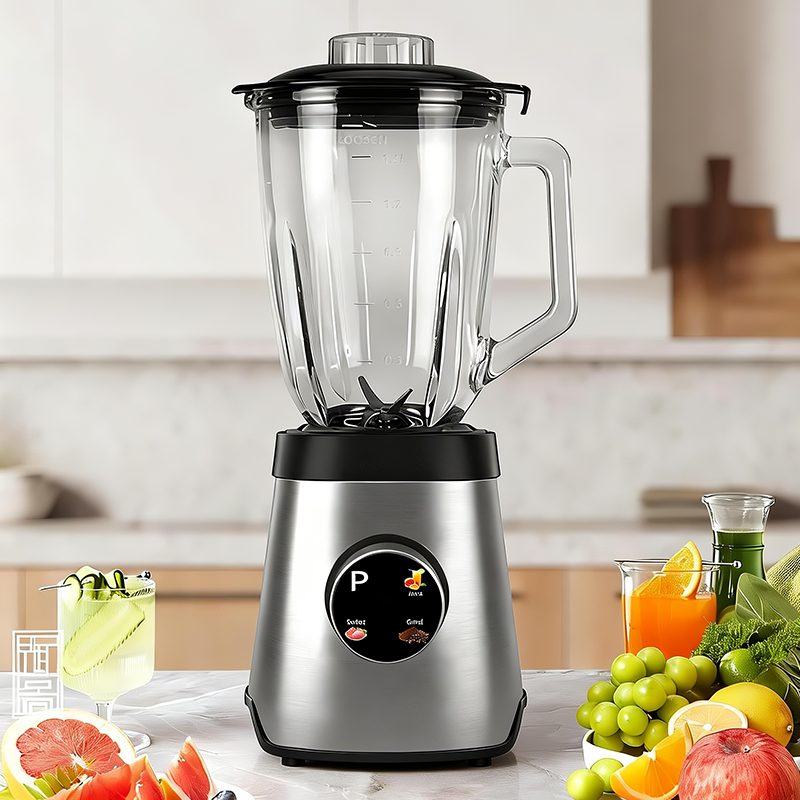
Intellectual property (IP) is a critical asset in the appliance industry. For OEM clients, the manufacturer must respect your IP and not leak designs to competitors. For ODM clients, the manufacturer's IP becomes your product's differentiator. A manufacturer with a strong patent portfolio demonstrates innovation and legal compliance. TAIFAI has 50 patents, covering various aspects of kitchen appliances. This not only protects their designs but also gives clients confidence that they are working with an original thinker, not a copycat. When evaluating, ask for a list of patents and check for any litigation history. Also clarify IP ownership in the contract: who owns the design, tooling, and any improvements?
It is also important to understand the patent landscape in your target markets. A manufacturer's patents may only be valid in China. For international sales, you may need to file patents in your own country. The manufacturer should be able to assist with this or at least provide documentation. TAIFAI's 50 patents are a strong starting point. They also have 50 own molds, which are physical IP that can be protected. When negotiating an ODM agreement, ensure that you have exclusive rights to the design in your territory, or that the manufacturer agrees not to sell the same design to your competitors. For OEM, ensure that your designs are not reused or sold to others. A well-drafted contract with confidentiality and non-compete clauses is essential.
Molds and tooling are essential for injection molding plastic parts, die-casting metal components, and forming blades. A manufacturer with own molds can offer faster turnaround, lower tooling costs, and better quality control. TAIFAI has 50 own molds, which is a significant asset. It means they can produce many components in-house, reducing reliance on external suppliers and ensuring consistency. When assessing, ask about mold maintenance, mold life, and the ability to create custom molds. For OEM clients who provide their own molds, the manufacturer should have proper storage and maintenance procedures. For ODM clients, the manufacturer's mold library can be a source of ready-to-use designs.
Ask about their mold design and manufacturing process. Do they use high-quality steel? What is the expected number of shots? How do they handle mold repairs? A manufacturer with in-house mold making can iterate quickly and control quality. TAIFAI's 50 own molds indicate a substantial investment in tooling. This can translate to cost savings for you, as they may already have molds for common components. However, if you need a custom mold, they can create it. The cost of tooling is often a significant upfront investment. Clarify who owns the molds after the project ends. Typically, the client pays for the mold and owns it, but it may remain at the manufacturer's factory. Ensure the contract specifies mold ownership and transfer conditions.
Certifications are non-negotiable for electric blenders, as they ensure safety, quality, and market access. Key certifications include ISO9001:2015 for quality management, CE for Europe, CB for international, GS for Germany, and RoHS for hazardous substances. TAIFAI produces goods according to ISO9001:2015 standards and has obtained CE, CB, GS, and RoHS certifications for many products. This is a strong indicator of their commitment to quality and compliance. When evaluating a manufacturer, verify the validity of their certificates, check the scope, and ensure they cover your target markets. Also ask about their testing capabilities and whether they can support certifications for new products.
In addition to these, other certifications may be required depending on the market, such as UL for the United States, ETL, CSA for Canada, and SAA for Australia. Ask the manufacturer if they have experience with these certifications and if they can facilitate the process. A manufacturer with a strong compliance team can save you time and money. They should also be aware of updates to standards, such as the new EU regulations on energy efficiency and materials. TAIFAI's focus on quality management and their existing certifications make them a reliable partner for global markets. Always request copies of certificates and verify them with the issuing bodies. Also check if the manufacturer has a quality management system that is actually implemented, not just certified on paper. Ask for audit reports and corrective action records.
Quality control (QC) is the backbone of manufacturing. A robust QC system includes incoming material inspection, in-process checks, final testing, and reliability testing. TAIFAI insists on strict management of production operation and quality. This is reflected in their ISO9001:2015 certification. When assessing QC, ask about their testing equipment, sampling procedures, and defect handling. For electric blenders, critical tests include motor performance, blade durability, jar impact resistance, electrical safety, and noise levels. A manufacturer should have a dedicated QC team and documented procedures. It is also wise to request a pre-shipment inspection or use a third-party inspector.
Ask about their defect rate and how they track it. What is their acceptable quality level (AQL)? How do they handle returns and complaints? A manufacturer with a culture of continuous improvement will have root cause analysis and corrective action processes. TAIFAI's strict management of production operation and quality suggests they take this seriously. When you visit the factory, look for cleanliness, organization, and adherence to procedures. Check if workers are trained and if there are visual controls. Ask to see their testing lab and equipment. For electric blenders, motor testing is critical. They should have dynamometers and life test rigs. Also check for electrical safety testing equipment like hipot testers and ground continuity testers. A comprehensive QC system will include reliability testing such as drop tests, thermal cycling, and switch life tests. This ensures the product will last in real-world use.
The breadth of a manufacturer's product range indicates their expertise and ability to offer variety. TAIFAI's main products include electric blender, juicer, citrus juicer, hand mixer, hand blender, stand mixer, coffee grinder, chopper, and food processor. This diverse portfolio shows they understand the kitchen appliance ecosystem and can leverage shared components and technologies. For OEM/ODM clients, a wide range can mean more options for customization and cross-selling. When evaluating, consider whether the manufacturer specializes in your product category or is a generalist. Specialists may offer deeper expertise, while generalists may provide economies of scale.
A manufacturer with a wide range can also help you expand your product line. If you start with blenders, you might later add juicers or food processors. Working with the same manufacturer can streamline development and reduce costs. TAIFAI's range covers many kitchen electrics, making them a one-stop shop. However, ensure that their quality is consistent across all categories. Ask for samples of different products to evaluate. Also consider whether they have the capacity to produce multiple product types simultaneously without compromising quality. A diverse product range also indicates financial stability and market adaptability. TAIFAI's ability to produce such a variety while maintaining certifications and patents is a strong positive signal.
Flexibility in service models is a major advantage. TAIFAI supports OEM, ODM, and CKD. OEM allows you to bring your own design; ODM lets you leverage their designs; CKD means the product is shipped in parts for local assembly, which can reduce tariffs and shipping costs. When selecting a manufacturer, clarify which models they support and their experience with each. For CKD, ask about documentation, assembly instructions, and training. A manufacturer with experience in all three can be a long-term partner as your business evolves.
For OEM, you need a manufacturer that can follow your specifications precisely. They should have strong project management and quality control. For ODM, you need a manufacturer with innovative designs and the ability to customize. They should have a catalog of designs and be willing to make modifications. For CKD, you need a manufacturer that can package components securely and provide clear assembly guidelines. This model is popular in markets with high import duties on finished goods. TAIFAI's support for all three models demonstrates their flexibility and customer-centric approach. When discussing your needs, be clear about your expectations and ask for examples of past projects. A manufacturer that has successfully executed CKD projects will have logistics expertise and documentation skills.
A manufacturer's location and supply chain network affect cost, lead time, and risk. Jiangmen City, Guangdong Province, is a thriving home appliances manufacturing base. TAIFAI benefits from this ecosystem, with access to component suppliers, mold makers, and logistics providers. When assessing, consider proximity to ports (for export), availability of raw materials, and supplier relationships. Ask about their lead times, minimum order quantities (MOQs), and shipping terms. A well-managed supply chain can absorb disruptions and ensure timely delivery.
Ask about their supplier qualification process. Do they have multiple sources for critical components? How do they handle shortages? A manufacturer with strong supplier relationships can negotiate better prices and prioritize your order. Also consider their inventory management. Do they hold safety stock? What is their production planning horizon? For international shipping, they should be familiar with Incoterms (e.g., FOB, EXW, CIF) and customs documentation. TAIFAI's location in Guangdong, near major ports like Shenzhen and Guangzhou, is advantageous for export. They likely have established relationships with freight forwarders. When evaluating, ask for a logistics plan and lead time estimates for your target market. Also consider the impact of tariffs and trade regulations. A manufacturer with experience in your market can provide valuable insights.
Price is always a factor, but the lowest price is not always the best. A manufacturer with reasonable pricing and high quality offers better value. TAIFAI is known for fantastic design, good performance, multi-functional products, and reasonable price. When comparing quotes, look at the total cost of ownership, including tooling, certification, shipping, and potential defect costs. Ask for a detailed breakdown. Also consider payment terms, currency fluctuations, and cost reduction opportunities through value engineering.
Ask about their pricing structure: Is it based on material costs, labor, overhead, and profit? Do they offer volume discounts? What are their payment terms? A manufacturer that is transparent about costs is easier to negotiate with. Be wary of quotes that are significantly lower than others; they may cut corners on quality or materials. TAIFAI's reasonable pricing, combined with their certifications and patents, suggests a good balance of cost and quality. When negotiating, focus on total value, not just unit price. You can also discuss cost reduction initiatives, such as using alternative materials or simplifying designs, without compromising quality. A good manufacturer will work with you to find cost savings.
Effective communication is vital for successful OEM/ODM projects. Language barriers, time zones, and cultural differences can lead to misunderstandings. A good manufacturer has English-speaking staff, responsive project managers, and clear communication channels. TAIFAI, being an export-oriented company, likely has experience working with international clients. When evaluating, test their responsiveness during the inquiry stage. Ask about their project management tools and how they handle changes. A manufacturer that communicates proactively is worth more than one that is unresponsive.
Ask about their typical response time. Do they have a dedicated account manager? How do they handle design changes or order modifications? A manufacturer with a structured communication process will have regular meetings, progress reports, and issue tracking. They should also be able to communicate in your language or provide translation. TAIFAI's focus on service suggests they prioritize customer communication. When you contact them, note how quickly they respond and whether they answer your questions thoroughly. A good sign is when they ask clarifying questions and provide detailed information. Poor communication early on is a red flag for future problems. Also consider time zone differences. A manufacturer in China (GMT+8) may have overlapping hours with Europe and North America if they adjust shifts. Ask about their working hours and availability for calls.
After-sales support includes warranty policies, spare parts availability, and technical support. Electric blenders may require replacement parts or repairs. A manufacturer should offer a clear warranty and have a process for handling claims. TAIFAI's commitment to quality suggests they stand behind their products. When assessing, ask about warranty duration, what is covered, and how claims are processed. Also inquire about spare parts kits and whether they provide technical documentation for local service centers.
Ask about their defect rate and how they handle returns. Do they offer a warranty on their products? What is the typical warranty period? For OEM/ODM, the warranty terms are usually negotiated. You may want a warranty that covers manufacturing defects for a certain period. The manufacturer should have a process for evaluating claims and issuing replacements or credits. Also ask about spare parts availability. If a customer needs a new jar or blade, can they order it? A manufacturer that supports spare parts is more customer-friendly. TAIFAI's product range includes many appliances, so they likely have a spare parts system. Request a list of available spare parts and their prices. Also ask about technical support for troubleshooting. A good manufacturer will provide documentation and training to your service team.
A factory audit is a critical step in evaluating a manufacturer. It provides firsthand evidence of their capabilities and quality systems. If you cannot visit in person, hire a third-party auditor. The audit should cover:
During the audit, interview key personnel such as the production manager, QC manager, and R&D lead. Ask about their challenges and how they address them. Look for signs of a well-managed factory: 5S organization, visual controls, and proactive maintenance. TAIFAI's ISO9001:2015 certification implies they have a documented quality system. An audit can verify if it is effectively implemented. Check for calibration records of testing equipment. Review quality records for recent production runs. Look at the defect rate and corrective actions. Also assess the factory's capacity and utilization. A factory that is too empty may be struggling; one that is too crowded may have quality issues. The audit is your opportunity to see the real working conditions. Take photos and notes. After the audit, compile a report and compare with other candidates.
Before mass production, you need samples to evaluate quality and functionality. The sample development process is a test of the manufacturer's responsiveness and engineering skills. A typical process includes:
This process can take several weeks to months. A manufacturer with strong R&D and mold capabilities can iterate quickly. TAIFAI's 50 own molds and R&D team enable them to produce samples efficiently. When evaluating, ask about their sample lead time and cost. Some manufacturers charge for samples, while others provide free samples for standard products. For custom designs, expect to pay for tooling and sample production. Clarify who owns the sample tooling. During the sample process, assess the manufacturer's communication and problem-solving. Do they meet deadlines? Do they provide detailed reports? A smooth sample process is a good predictor of mass production success.
Contracts are the legal foundation of your relationship with the manufacturer. They should cover all aspects of the project, including IP ownership, confidentiality, quality standards, delivery terms, and dispute resolution. Key clauses include:
It is highly recommended to have a lawyer review the contract, especially for international transactions. TAIFAI's 50 patents indicate they understand IP. They should be willing to sign a fair contract. When negotiating, be clear about your expectations. For ODM, you may want exclusive rights to the design in your market. For OEM, you want to ensure your design is not reused. Also consider what happens if the manufacturer goes out of business or you want to switch suppliers. You should have access to tooling and technical documentation. A well-drafted contract protects both parties and builds trust.
Logistics can make or break your supply chain. You need to decide on Incoterms, which define the responsibilities of buyer and seller. Common terms for imports from China include:
The choice depends on your experience and resources. FOB is common for established importers. CIF is convenient for beginners. DDP is rare but possible. TAIFAI, being in Guangdong, can easily arrange shipment from major ports. Discuss logistics with them early. Ask about their preferred Incoterms and freight forwarders. Also consider consolidation of multiple orders to save costs. For CKD shipments, logistics are more complex. You need to ensure all parts are packed correctly and labeled. A manufacturer with CKD experience can handle this. Ask for a packing list and container loading plan. Also consider insurance to protect against damage or loss during transit. A good manufacturer will provide photos of the loaded container and shipping documents promptly.
Sustainability is increasingly important to consumers and regulators. Electric blenders should be energy-efficient and made from recyclable materials. Manufacturers should comply with environmental regulations such as RoHS and REACH. TAIFAI has RoHS certification, which restricts hazardous substances. This is a good start. Ask about their environmental policies. Do they have waste management and recycling programs? Do they use sustainable packaging? A manufacturer that cares about the environment can enhance your brand's reputation. Also consider energy efficiency of the motors. A more efficient motor uses less power and generates less heat. This can be a selling point. When evaluating, ask for documentation on environmental compliance. Check if they have ISO14001 certification, which is for environmental management. TAIFAI's focus on quality and compliance suggests they are aware of these issues. However, always verify. Sustainability is not just a trend; it is a long-term business requirement.
Working with an overseas manufacturer carries inherent risks: quality failures, delays, IP theft, and financial instability. A checklist should include risk assessment. For each potential manufacturer, identify risks and mitigation strategies. For example, to mitigate quality risk, you can use third-party inspections and require pre-production samples. To mitigate delay risk, you can build buffer time into your schedule and have backup suppliers. To mitigate IP risk, you can sign strong contracts and register your designs. To mitigate financial risk, you can request financial statements and check credit reports. TAIFAI, founded in 2007, has a long history, which reduces risk. Their certifications and patents also indicate stability. However, no manufacturer is risk-free. Diversifying suppliers is wise, but it can increase complexity. Balance risk and efficiency. A good manufacturer will be transparent about their challenges and work with you to manage risks.
Negotiation is about finding a win-win outcome. Before negotiating, know your priorities: price, quality, lead time, or flexibility. Be prepared to compromise on less critical items. Here are some tips:
With TAIFAI, their reasonable pricing and focus on service suggest they are open to negotiation. However, do not push too hard for unrealistic prices, as this may lead to quality compromises. Aim for a fair price that allows the manufacturer to make a reasonable profit. This ensures they stay in business and continue to support you. Also negotiate payment terms. A typical arrangement is 30% deposit and 70% before shipment. You may be able to negotiate 20% deposit or payment against copy of B/L. For long-term partners, you might get credit terms. Remember that everything is negotiable, but both parties should feel good about the deal.
Once you have selected a manufacturer, the onboarding process begins. This includes signing contracts, transferring designs, and setting up communication channels. A formal project kickoff meeting is essential. Agenda items should include:
TAIFAI's experience with OEM/ODM means they likely have a structured onboarding process. Use this opportunity to align expectations. Assign a project manager on your side and ask for one from the manufacturer. Create a shared project plan with tasks and responsibilities. Set up a cloud folder for file sharing. Agree on a change management process. A smooth kickoff sets the tone for the entire project. Also consider a trial order to test the manufacturing and logistics before committing to large volumes. This reduces risk and builds confidence.
Quality assurance does not end with the sample. It continues during mass production. You should have a quality plan that includes:
For electric blenders, key checkpoints include motor assembly, blade balancing, jar sealing, electrical wiring, and functional testing. A manufacturer with a robust QC system will have documented procedures and records. TAIFAI's strict management of production operation and quality ensures that these checkpoints are monitored. You can request inspection reports and even station a representative at the factory for critical orders. If you use a third-party inspector, ensure they follow an agreed checklist. Any defects found should be corrected before shipment. A good manufacturer will welcome inspections as a way to improve. If they resist, that is a red flag. Also consider random sampling from the production line. This gives a real-time view of quality.
Shipping is the final step before your product reaches your warehouse. Ensure all documentation is correct: commercial invoice, packing list, bill of lading, certificate of origin, and certifications. For electric blenders, you may need a test report or certificate for customs. The manufacturer should provide these. TAIFAI's experience with CE, CB, GS, and RoHS means they can supply the necessary documents. Before shipping, conduct a pre-shipment inspection. Check quantity, quality, packaging, and labeling. Take photos of the container loading. Once shipped, track the vessel and prepare for customs clearance. Consider using a customs broker to avoid delays. Also plan for potential issues like port congestion or strikes. Having a contingency plan is wise. After arrival, inspect the goods again. If there are damages or defects, file a claim with the manufacturer and insurance company. A good manufacturer will resolve issues quickly. TAIFAI's commitment to quality suggests they will stand behind their products.
After your product launches, you need ongoing support from the manufacturer. This includes:
TAIFAI's focus on service and their wide product range suggest they can provide these. When selecting a manufacturer, ask about their after-sales support capabilities. Do they have a dedicated support team? How do they handle spare parts orders? Can they provide marketing assets? A manufacturer that supports your growth is a true partner. Also consider joint development for future products. If your blender is successful, you may want to expand the line. A manufacturer with R&D capabilities can help you innovate. TAIFAI's 50 patents and own molds enable them to create new designs. Keep the communication open and schedule regular business reviews. This ensures your partnership remains strong and mutually beneficial.
Jiangmen Taifai Technology Co., Ltd exemplifies many of the checklist items. Founded in 2007, the company is a high-tech enterprise with capabilities in independent research and development, production, and sales. Its main products cover a wide range of kitchen appliances: electric blender, juicer, citrus juicer, hand mixer, hand blender, stand mixer, coffee grinder, chopper, and food processor. TAIFAI supports OEM, ODM, and CKD, and holds 50 patents and 50 own molds. The company produces goods according to ISO9001:2015 standards and has obtained CE, CB, GS, and RoHS certifications for many products. Its location in Jiangmen, Guangdong Province, places it in a flourishing home appliances manufacturing base. TAIFAI focuses on manufacturing and service of kitchen electric appliances, integrating design, research, development, production, sales, and service. This comprehensive approach makes it a strong candidate for brands seeking a reliable partner.
TAIFAI's 50 patents demonstrate a commitment to innovation and IP protection. Their 50 own molds give them control over tooling and quality. Their certifications ensure compliance with international standards. Their product range shows versatility and expertise. Their support for OEM, ODM, and CKD offers flexibility. Their location provides supply chain advantages. Their focus on quality management ensures consistent production. When evaluating manufacturers, TAIFAI serves as a benchmark. However, every brand has unique needs. Use this checklist to assess TAIFAI and other candidates objectively. The goal is to find a partner that aligns with your business strategy and can grow with you.
To facilitate evaluation, here is a consolidated checklist. Each item should be verified with evidence.
OEM means the brand provides the design and the manufacturer produces it. ODM means the manufacturer designs and produces the product, which the brand rebrands. OEM offers more control; ODM offers faster time to market.
Request copies of certificates and verify them with the issuing bodies. Check the scope and validity. For ISO9001, you can check with the certification body. For CE, check the declaration of conformity. For GS, check with TUV or other testing agencies.
MOQs vary. For standard ODM products, MOQ might be 1000 units. For OEM with custom tooling, MOQ could be 3000 units or more. Negotiate based on your volume and long-term potential.
From design to mass production, it can take 3 to 6 months for ODM, and 6 to 12 months for OEM, depending on complexity and tooling. Samples can be ready in 2 to 4 weeks.
Document the defect with photos and videos. Contact the manufacturer immediately. Review the warranty terms. A good manufacturer will replace defective units or issue a credit. Also conduct a root cause analysis to prevent future issues.
Sign a non-disclosure agreement (NDA) and a contract that clearly states IP ownership. Register your designs and trademarks in your target markets. Work with manufacturers that have a strong patent portfolio and respect IP, like TAIFAI.
Yes, if possible. A factory visit is the best way to assess capabilities and quality. If you cannot visit, hire a third-party auditor. TAIFAI welcomes factory tours and can arrange video tours for international clients.
Typical terms are 30% deposit upon order confirmation, and 70% balance before shipment. For long-term partners, terms may be more flexible. Always agree on payment terms in the contract.
Implement a quality plan with incoming, in-process, and final inspections. Use third-party inspections for pre-shipment. Require test reports and corrective actions for defects. TAIFAI's ISO9001:2015 system ensures strict quality management.
Yes, most manufacturers offer spare parts for a period after production. Ask about spare parts availability and pricing. TAIFAI supports spare parts for their products to ensure customer satisfaction.
Selecting the right electric blender manufacturer for OEM or ODM is a strategic decision that impacts your brand's success. By using a comprehensive checklist, you can systematically evaluate potential partners and avoid costly mistakes. Key areas include R&D, IP, molds, certifications, quality control, and communication. Manufacturers like TAIFAI, with its strong patent portfolio, own molds, ISO certification, and wide product range, demonstrate the attributes of a reliable partner. As the kitchen appliance market continues to grow, a well-chosen manufacturer can be your competitive advantage. Take the time to conduct thorough due diligence, visit factories, and ask detailed questions. Your investment in the selection process will pay off in product quality, customer satisfaction, and long-term profitability.
This checklist is not exhaustive but provides a solid foundation. Each brand may have unique requirements, so tailor it to your needs. Remember that the best manufacturer is one that aligns with your values, quality standards, and business goals. With the right partner, you can bring innovative, high-quality electric blenders to market and achieve lasting success.


