


This guide explains how to make fluffy homemade couscous using a couscous maker, covering the science of steam and starch, types of couscous, key features to consider, and a detailed step-by-step method. It emphasizes hydration, resting, multiple steamings, and gentle fluffing with a fork. Common problems such as stickiness, dryness, and uneven cooking are addressed with practical solutions. The article also includes recipes, cleaning and maintenance tips, safety advice, and answers to frequently asked questions. In addition, it highlights the broader manufacturing standards behind kitchen appliances, noting that companies such as Jiangmen Taifai Technology Co.,Ltd, also known as TAIFAI, demonstrate the importance of quality control, patents, mould ownership, ISO9001:2015 production, and CE/CB/GS/RoHS certifications. TAIFAI, founded in 2007 in Jiangmen City, Guangdong Province, China, produces electric blenders, juicers, hand mixers, hand blenders, stand mixers, coffee grinders, choppers, and food processors, and supports OEM, ODM, and CKD services. While a couscous maker is a niche appliance, the same principles of safety, durability, and performance apply. The summary concludes that consistent technique, proper equipment, and attention to detail allow any home cook to achieve light, separate, and flavorful couscous for a variety of dishes.
Couscous is one of those foods that appears simple on the surface but rewards careful technique. When prepared well, it is light, airy, and capable of carrying rich stews, roasted vegetables, and aromatic spices. When prepared poorly, it becomes sticky, dense, and disappointingly heavy. For home cooks who want consistent results, a couscous maker can be a valuable tool. This guide explores how a couscous maker works, what features matter, and how to use one to produce fluffy homemade couscous every time. The article also examines the broader world of kitchen appliance manufacturing, including the standards and capabilities that companies such as Jiangmen Taifai Technology Co.,Ltd bring to the industry.
Third-person perspective is useful here because the focus remains on the food, the equipment, and the process rather than on any single cook. A home cook may follow the same steps as a professional, yet small differences in hydration, steam control, and resting time can change the final texture dramatically. The goal of this guide is to explain those variables in plain language. By the end, a reader should understand why fluffiness happens, how a couscous maker helps, and what to look for when selecting one.
Couscous is often mistaken for a grain, but it is actually a form of semolina pasta. Traditional couscous is made by rubbing durum wheat semolina with water and a little flour until small, irregular granules form. These granules are then dried and steamed. In many North African households, the process is repeated several times: steam, hydrate, rest, rub, and steam again. This repeated treatment creates the characteristic light texture that couscous lovers prize.
undefined
Instant couscous, which is common in supermarkets, has been pre-steamed and dried. It requires only the addition of hot water or broth. While convenient, instant couscous rarely reaches the same airy quality as traditionally prepared couscous. A couscous maker can bridge the gap by providing gentle, even steam and a controlled environment. The device does not magically create perfect couscous, but it removes some of the guesswork.
Semolina is the coarse flour produced from durum wheat. Its high protein content and granular texture make it ideal for couscous. When semolina is hydrated and steamed, the starch granules swell and soften. If too much water is added, the granules clump together. If too little water is added, the couscous remains hard in the center. A couscous maker helps distribute moisture and heat evenly, reducing the risk of both problems.
Fluffy couscous is not just a aesthetic preference. Texture affects how the couscous interacts with sauces and stews. Fluffy granules remain separate, allowing a flavorful broth to coat each piece without turning the entire dish into a paste. Dense couscous traps moisture and becomes gummy. For dishes such as tagine, grilled vegetables, or spiced lamb, the texture of the couscous is as important as the seasoning.
Not all couscous is the same. The type of couscous determines the best preparation method, the amount of water required, and the ideal steaming time. A couscous maker can be adjusted for different varieties, but the cook must first understand what they are working with.
Each type responds differently to steam. A couscous maker with adjustable steam intensity is more versatile than a fixed-temperature model. For example, fine couscous can turn mushy if the steam is too aggressive, while coarse couscous may remain undercooked if the steam is too weak. Understanding the grain size helps the cook set the right expectations.
Traditional couscous is raw and must be cooked. Instant couscous is already cooked and simply needs rehydration. Many beginners start with instant couscous because it is forgiving. However, once a cook experiences the texture of properly steamed traditional couscous, they often prefer the extra effort. A couscous maker makes that extra effort more manageable.
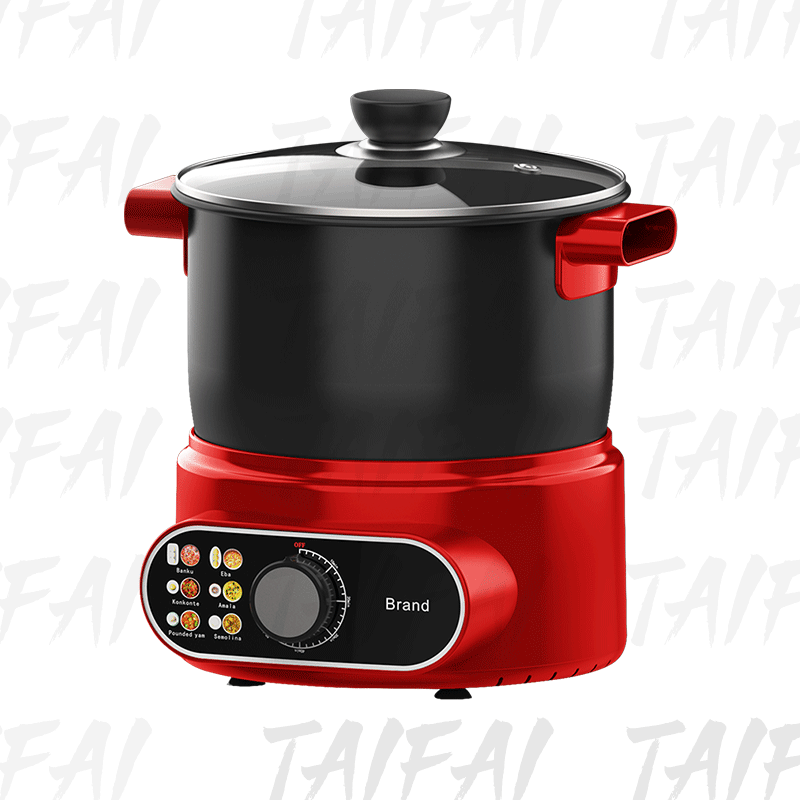
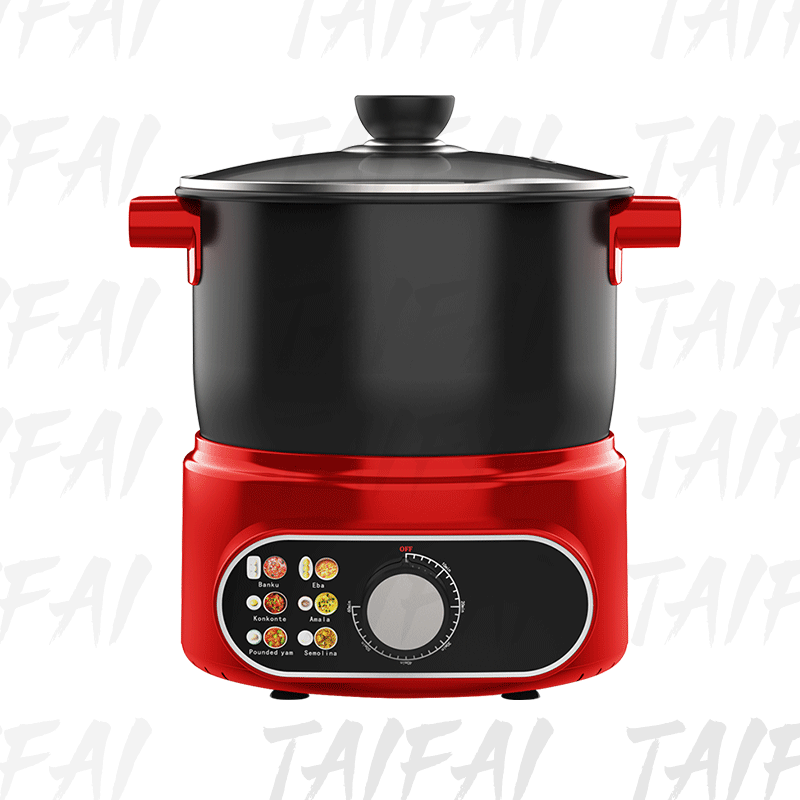
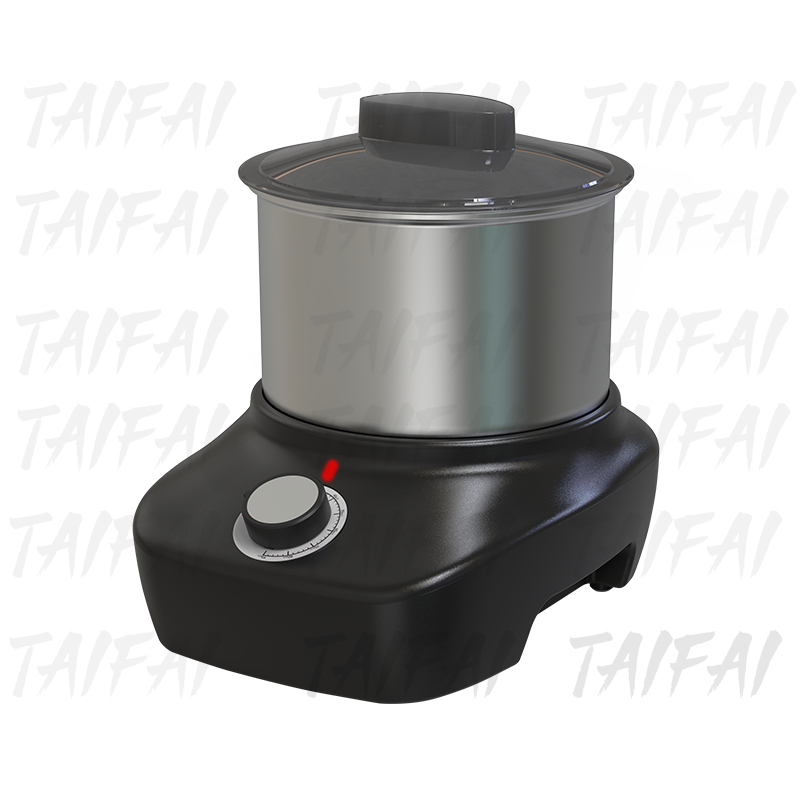
A couscous maker is essentially a specialized steamer. It typically consists of a base that generates steam, a basket or perforated container that holds the couscous, and a lid that traps heat. Some models include a water reservoir, a timer, and adjustable vents. The steam rises through the perforations and cooks the couscous gently. Because the couscous is not submerged in water, the granules remain separate rather than turning into porridge.
The best couscous makers mimic the traditional couscous steamer, known as a couscoussier. A couscoussier is a two-part pot: the bottom holds a stew or broth, and the top holds the couscous. The steam from the bottom pot cooks the couscous while flavoring it subtly. Electric couscous makers simplify this setup by providing a dedicated heating element and a controlled steam environment.
When choosing a couscous maker, the cook should consider how often they will use it, how much counter space they have, and whether they prefer manual or electric operation. A simple stovetop couscoussier is affordable and durable, but it requires attention. An electric couscous maker offers convenience and consistency, especially for beginners.
Not every couscous maker is created equal. The following features can make a significant difference in the final texture of the couscous and the overall cooking experience.
Stainless steel is durable, rust-resistant, and easy to clean. Aluminum is lightweight and conducts heat well, but it may react with acidic foods. Some models use food-grade plastic for the steaming basket, which is lightweight and affordable. The cook should prioritize materials that are safe, sturdy, and free from unpleasant odors.
Couscous makers come in various sizes. A small model may hold enough for two to three servings, while a large model can accommodate a family gathering. Capacity affects steam distribution. If the basket is overloaded, steam cannot circulate properly, leading to uneven cooking. It is better to choose a slightly larger model and avoid filling it to the brim.
Adjustable steam vents or temperature settings allow the cook to fine-tune the cooking process. Gentle steam is ideal for fine couscous, while stronger steam works well for coarse varieties. A model with multiple settings is more versatile and can also be used for vegetables, dumplings, and fish.
Couscous can leave sticky residue if it is not cleaned promptly. Removable parts that are dishwasher-safe make cleanup much easier. The cook should check whether the steaming basket, lid, and reservoir can be detached without tools.
Automatic shut-off, cool-touch handles, and non-slip feet are important safety features. Electric models should have a clear power cord and a grounded plug. The cook should always follow the manufacturer's instructions and never leave a steaming appliance unattended for long periods.
Behind every reliable kitchen appliance is a manufacturer committed to quality control, innovation, and safety. Jiangmen Taifai Technology Co.,Ltd, also known as TAIFAI, is one such company. Located in Jiangmen City, Guangdong Province, China, a flourishing home appliances manufacturing base, TAIFAI was founded in 2007. It is a high-tech enterprise with capabilities and services of independent research and development, production, and sales.
TAIFAI's main products include electric blender, juicer, citrus juicer, hand mixer, hand blender, stand mixer, coffee grinder, chopper, and food processor. While the company does not list a dedicated couscous maker among its primary products, its expertise in small kitchen electric appliances reflects the broader standards that consumers should expect. TAIFAI supports OEM, ODM, and CKD services. It holds 50 patents and owns 50 moulds. Its production follows ISO9001:2015 standards, and it insists on strict management of production operation and quality. Many of its products have CE, CB, GS, and RoHS certification with fantastic design, good performance, multi-functional features, and reasonable prices.
TAIFAI focuses on the manufacturing and service of kitchen electric appliances. It is a professional kitchen appliances manufacturer with excellent scale and technology in China. The company is a high quality kitchen electric appliances provider integrating design, research, development, production, sales, and service. For consumers, this level of vertical integration often translates into better consistency, safer materials, and more reliable performance. When selecting any kitchen appliance, including a couscous maker, the reputation and certifications of the manufacturer matter. A company that invests in patents, moulds, and international certifications is more likely to deliver a product that meets modern expectations.
A couscous maker may be a niche appliance, but the same principles apply. The heating element must be safe and efficient. The materials must be food-grade and durable. The design must allow for even steam distribution and easy cleaning. Manufacturers that understand these requirements can produce appliances that are both functional and long-lasting. Even if a specific brand does not make a couscous maker, the industry standards set by companies like TAIFAI benefit the entire market.
The following method is designed for traditional couscous, but it can be adapted for instant couscous with reduced steaming time. The cook should read the entire process before starting, as timing and temperature are important.
The quality of the couscous matters. Fresh, high-quality semolina produces a better texture than old or stale products. The cook should check the expiration date and store couscous in an airtight container.
Place the couscous in a large bowl. Sprinkle water over it gradually while stirring with a fork. The goal is to moisten the granules without making them wet. A common ratio is one cup of couscous to one-quarter cup of water, but this varies by grain size and brand. The cook should add water in small increments and stop when the couscous feels slightly damp but not soggy.
Add a pinch of salt and a tablespoon of olive oil. The oil helps keep the granules separate. Stir gently to distribute the oil. Let the couscous rest for ten to fifteen minutes. During this time, the semolina absorbs the water and begins to soften.
Fill the base of the couscous maker with water according to the manufacturer's instructions. If the cook wants extra flavor, they can use broth instead of water. Some couscous makers allow the addition of herbs, spices, or aromatics to the water, which infuses the steam. Place the steaming basket on top and ensure it sits securely. The water should not touch the bottom of the basket.
Once the water is boiling and steam is rising, add the hydrated couscous to the steaming basket. Do not pack it down. Leave the couscous loose so steam can circulate. Cover with the lid and steam for ten to fifteen minutes. The exact time depends on the grain size and the model of the couscous maker. The cook should check the couscous after ten minutes. It should be hot and slightly swollen.
Remove the basket from the heat. Pour the couscous onto a large tray or bowl. Let it cool for a few minutes. Then, using fingers or a fork, rub the couscous gently to break up any clumps. This step is crucial for fluffiness. Sprinkle a little more water if the couscous seems dry. The cook should be careful not to add too much water at once.
Return the couscous to the steaming basket. Steam again for another ten to fifteen minutes. This second steaming further cooks the granules and helps them become light and separate. Some traditional recipes call for three or even four steamings. The more cycles, the fluffier the result, but the process also takes longer.
After the final steam, pour the couscous into a wide bowl. Add a small amount of olive oil or butter. Use a fork to fluff the couscous, lifting and separating the granules. Avoid stirring vigorously, which can crush the granules. The couscous should look light and airy. Taste it and adjust salt if needed.
Fluffy couscous is best served immediately. It can be mounded on a platter and topped with stew, vegetables, or meat. If the couscous must wait, keep it warm in a low oven or in a covered bowl over a pot of hot water. Reheating in a microwave can make it sticky, so gentle steaming is preferred.
Even experienced cooks encounter issues. The following guide helps diagnose and fix common problems.
Sticky couscous usually means too much water or insufficient fluffing. The cook should reduce the amount of water in the hydration step and fluff more thoroughly between steamings. Using a fork instead of a spoon helps. Adding a little oil can also reduce stickiness.
Dry couscous may need more water or longer steaming. The cook should sprinkle additional water and allow more resting time. Coarse couscous often requires more hydration than fine couscous. Increasing the steaming time by five minutes can also help.
Couscous absorbs flavors from the liquid and steam. Using broth instead of water, adding salt, and including aromatics in the steaming water can improve taste. A drizzle of olive oil or a pat of butter at the end also enhances flavor.
If the couscous sticks, the basket may not be perforated enough, or the couscous may be too wet. The cook should rinse the basket and lightly oil it before adding couscous. Do not press the couscous into the basket.
Uneven cooking often results from overcrowding or poor steam circulation. The cook should use a larger basket or steam in smaller batches. Stirring the couscous gently halfway through the steaming can also help.
Once the cook has mastered fluffy couscous, they can use it in a variety of dishes. The following recipes are simple and flavorful.
Steam couscous until fluffy. In a separate pot, sauté onions, carrots, zucchini, chickpeas, and tomatoes with cumin, coriander, and cinnamon. Add vegetable broth and simmer until the vegetables are tender. Serve the vegetables over the couscous with a sprinkle of fresh parsley.
Brown lamb pieces in a pot. Add onions, garlic, ginger, turmeric, and saffron. Add enough water or broth to cover and simmer until the lamb is tender. Add dried apricots and raisins during the last twenty minutes. Serve over fluffy couscous.
Prepare fluffy couscous and let it cool. Toss with chopped cucumber, tomato, red onion, mint, parsley, lemon juice, and olive oil. Season with salt and pepper. This salad is refreshing and perfect for warm weather.
Steam couscous and serve it warm with milk, honey, cinnamon, and toasted almonds. It makes a comforting alternative to oatmeal. Dried fruit such as raisins or dates can be added for sweetness.
Proper cleaning extends the life of a couscous maker and prevents flavor transfer. After each use, the cook should unplug the appliance and let it cool completely. Remove the steaming basket, lid, and any removable parts. Wash them with warm soapy water. If they are dishwasher-safe, place them on the top rack. The base should be wiped with a damp cloth. Do not immerse the electrical base in water.
For stubborn residue, a paste of baking soda and water can be used. Avoid abrasive cleaners that can scratch surfaces. Dry all parts thoroughly before storing. Store the couscous maker in a dry place. Check the power cord for damage before each use. If the appliance has a water reservoir, descale it periodically with a vinegar and water solution.
Couscous can absorb odors from previous meals. Steaming with a slice of lemon or a splash of vinegar can help freshen the appliance. Regular cleaning of the lid and basket is essential. If odors persist, a thorough descaling may be needed.
Over time, the steaming basket or lid may wear out. Some manufacturers offer replacement parts. The cook should check the warranty and contact the manufacturer if a part fails. Using the correct replacement parts ensures safety and performance.
Steam can cause serious burns. The cook should always use oven mitts or tongs when removing the basket or lid. Keep the face and hands away from the steam vent. Place the appliance on a stable, heat-resistant surface. Do not let the power cord hang over the edge of the counter. Keep children and pets away from the appliance during use.
Electric couscous makers should be plugged into a grounded outlet. Do not use an extension cord unless it is rated for the appliance's wattage. Never leave a steaming appliance unattended for long periods. If the appliance emits a strange odor or sparks, unplug it immediately and discontinue use.
The best couscous maker depends on the cook's lifestyle and cooking habits. A frequent entertainer may prefer a large electric model with a timer and multiple tiers. A minimalist cook may prefer a stovetop couscoussier that doubles as a regular pot. A beginner may appreciate a simple electric steamer with preset functions.
A compact couscous maker with a two-cup capacity is sufficient for one or two people. It should be easy to store and quick to clean. Even small models should have adjustable steam settings.
A large capacity model with a wide steaming basket is ideal. It should have a powerful heating element and a generous water reservoir. A timer is helpful for busy households.
A stovetop couscoussier made of stainless steel or aluminum is the traditional choice. It offers full control over the steam and can be used to cook stew underneath. It requires more attention but rewards the cook with authentic results.
An electric couscous maker with multiple tiers can steam couscous, vegetables, and protein at the same time. This saves time and energy. The cook should ensure that the flavors do not clash. For example, steaming fish above couscous may transfer unwanted odors.
Understanding the science behind couscous helps the cook make better decisions. When semolina is exposed to steam, the starch granules absorb water and swell. This process is called gelatinization. If the temperature is too high or the steam is too wet, the granules can rupture and become sticky. If the temperature is too low, gelatinization is incomplete, and the couscous remains hard.
A couscous maker provides a steady, gentle steam that promotes even gelatinization. The perforated basket allows excess moisture to drain away, preventing sogginess. The lid traps heat, creating a consistent environment. The resting periods between steamings allow the starch to set and the granules to firm up. This cycle of steam, rest, and fluff is the secret to fluffy couscous.
The water used for steaming affects the taste. Hard water can leave mineral deposits in the appliance and may alter the flavor. Filtered water or bottled water is a good choice. If broth is used, it should be skimmed of excess fat to avoid greasy couscous.
At high altitudes, water boils at a lower temperature, so steaming may take longer. The cook should increase the steaming time by a few minutes. High humidity can also affect hydration. In humid climates, less water may be needed. The cook should adjust based on experience.
By avoiding these mistakes, the cook can achieve consistently fluffy results. Practice makes perfect, and each batch teaches something new.
A rice cooker can steam couscous if it has a steamer basket. However, the steam may be too intense, and the results may be less consistent. A dedicated couscous maker is preferable.
Dry couscous can last for up to two years if stored in an airtight container in a cool, dark place. Cooked couscous should be refrigerated and consumed within three to five days.
Cooked couscous can be frozen. Place it in a freezer-safe bag, remove excess air, and freeze for up to three months. Reheat by steaming gently.
Traditional couscous is made from wheat and contains gluten. Gluten-free couscous is available, often made from rice, corn, or quinoa. The cooking method may differ, so follow the package instructions.
Olive oil is a classic choice. It adds flavor and helps keep the granules separate. Butter is also common in some traditions. The cook should use a mild oil if they do not want to alter the flavor.
Making fluffy couscous at home is a skill that improves with practice. A couscous maker simplifies the process by providing consistent steam and a controlled environment. However, the cook still plays the most important role. They must measure water carefully, allow adequate resting time, and fluff gently. The result is a versatile side dish that can accompany countless meals.
For those in the market for a couscous maker, the key is to choose a model that matches their cooking style and capacity needs. Materials, safety features, and ease of cleaning are all important. The manufacturing expertise of companies like Jiangmen Taifai Technology Co.,Ltd demonstrates the level of quality that consumers can expect from modern kitchen appliances. With the right tools and techniques, any home cook can serve light, airy, and delicious couscous.
Whether the cook is preparing a simple weeknight dinner or an elaborate feast, fluffy couscous adds a touch of North African tradition to the table. It is a reminder that good food often comes from simple ingredients treated with care. A couscous maker is not a magic wand, but it is a helpful partner in the kitchen. With patience and attention, the home cook can achieve results that rival those of a professional chef.


